







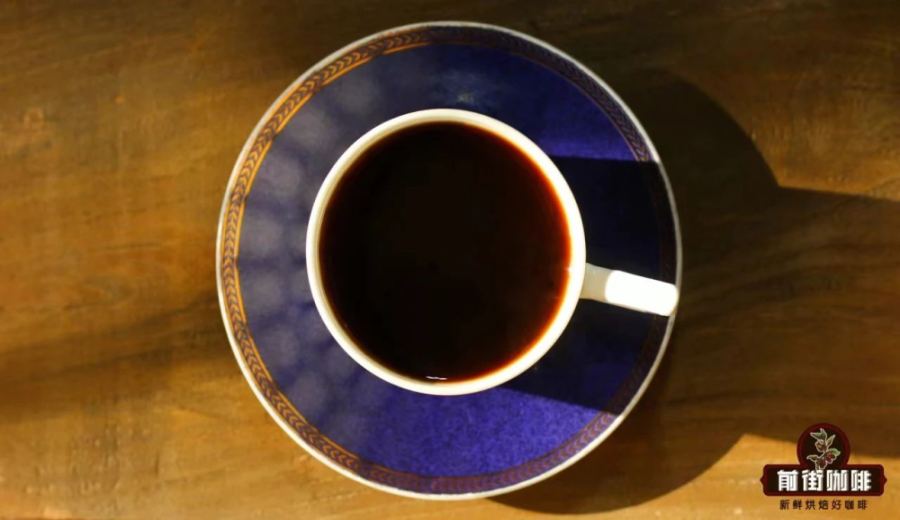
Introduction:Plain coffee and black coffee are often confused, but they are actually the same beverage — pure coffee without sugar, milk, or flavored additives. This article delves into the definitional differences between black coffee and Americano, explains how classic drinks like espresso and latte are made, and analyzes how roast levels and origins influence the flavor of Americano. Whether you’re just getting started or looking to refine your home pour over skills, you’ll find practical bean recommendations and brewing parameter references here.
Many people encountering "plain coffee" and "black coffee" for the first time wonder if these two refer to the same drink. In fact, plain coffee is the Chinese term for black coffee, originating from the English "Black Coffee," which refers to a beverage made purely from brewed coffee beans without the addition of milk, sugar, or flavored syrups. In the Guangdong region, this drink is colloquially called "zhaifei," while in Shanghai it’s often referred to as "qingka." This article will clarify the connections between these terms and further explore the preparation principles and characteristics of common coffee drinks such as Americano, espresso, and latte. Drawing on actual brewing experience, it will also share how different roast levels and regional beans affect the flavor profile of Americano, helping you choose the most satisfying cup whether ordering at a café or brewing at home.
Plain coffee and black coffee are essentially different expressions of the same concept, both referring to pure coffee without any added flavors or milk. The term originates from the English "Black Coffee," emphasizing that the drink contains only coffee itself, with no additional ingredients. In southern China, it is commonly called "zhaifei," while in eastern regions, "qingka" is the usual term. In the past, due to generally darker roasts, coffee was often hard to drink without sugar or milk, so shops would typically offer these additives for customers to adjust to their taste. However, with advancements in modern roasting techniques and brewing methods, the taste of black coffee has become increasingly refined and diverse. Whether it’s pour over, cold drip, or the classic Americano, it has become a popular choice among coffee enthusiasts.
Americano is arguably one of the most well-known members of the black coffee family. It is commonly made by diluting a shot of espresso with hot water to an agreeable strength, resulting in a hot Americano; if ice water or cold water is used instead of hot, it becomes a refreshing iced Americano. Since Americano contains only water and espresso, with no milk products or sugar, it places relatively higher demands on the quality of the coffee beans and the brewing technique, allowing the inherent flavors of the coffee to shine through directly.
When talking about Americano, one must mention espresso. This intense coffee is produced by forcing hot water at high pressure — around nine atmospheres — through finely ground coffee using an espresso machine, resulting in a liquid rich in crema and aroma. Many classic café drinks such as Americano, latte, mocha, and flat white are variations based on espresso.
Among the many milk coffee options, latte is favored by beginners for its smooth taste. The blend of fresh milk and espresso softens the bitterness of the coffee while bringing out the natural sweetness and silky texture of the milk. Compared to those who prefer strong bitterness and typically drink black coffee, latte is more likely to be the first choice for newcomers to coffee.
In practical brewing applications, taking medium-roasted coffee beans as an example, they achieve a good balance between acidity and bitterness, making them suitable for drinkers who prefer a less intense taste. If you want an Americano with lower bitterness and moderate acidity, Brazilian beans can be a top choice — these beans are usually low in acid and reasonably priced (before price hikes), producing an Americano with a balanced flavor that pairs well with milk. Additionally, using a blend is also an ideal solution. For instance, mixing beans from different origins in specific proportions can deliver both a layered acidity-sweetness profile and suitability for milk-based coffee.

If you prefer an Americano with brighter flavors and richer acidity-sweetness notes, you may opt for medium-light to medium-roasted beans from origins like Ethiopia, Panama, or Colombia. These beans often exhibit pronounced floral and fruity aromas, adding more complexity and enjoyment to the drink, though they are usually priced higher. Furthermore, adjusting brewing parameters is equally crucial — it is recommended to fine-tune grind size, water temperature, and extraction time according to the characteristics of the beans used, in order to fully bring out their potential flavors.
In summary, understanding the essence of plain coffee and black coffee helps you make better choices when ordering or brewing at home. Whether you go for the classic Americano, the rich latte, or challenge yourself with pour over beans from different origins, mastering roast level, origin characteristics, and brewing techniques will allow you to appreciate the diverse charm of coffee more deeply. Don’t forget, the key to a great cup of coffee lies not only in the beans themselves, but also in finding the perfect combination tailored to your personal taste.

The above content is compiled by CoffeeHunters, a coffee news website.


