







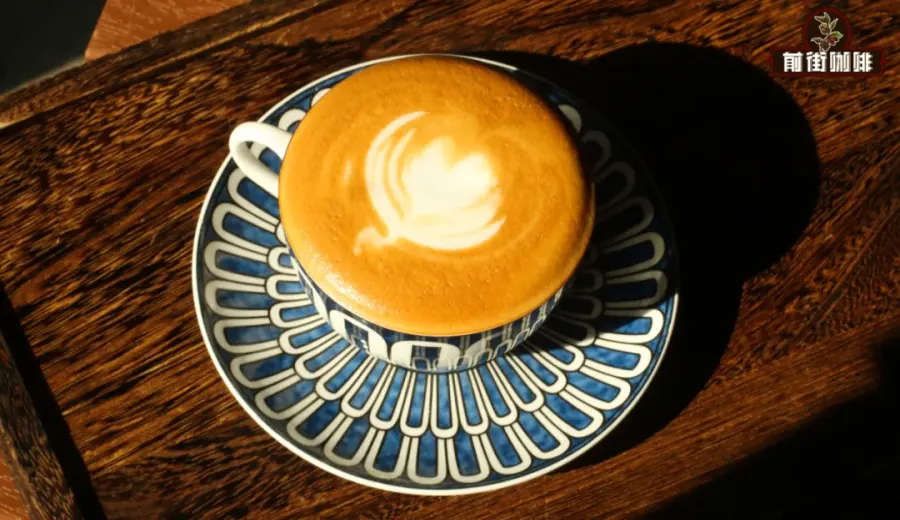
Introduction:There is a wide variety of milk coffee drinks, ranging from the classic latte to the French café au lait. Each has its own unique ratio and flavor profile. This article delves into the historical backgrounds, recipe differences, and professional brewing parameters—including coffee-to-water ratio, grind size, and temperature control—for lattes, cappuccinos, and café au lait. It helps coffee enthusiasts master the essence of each milk coffee and easily replicate professional-level taste at home.
Walking into a café, the diverse menu of milk coffee options can be confusing—latte, cappuccino, café au lait. These names may sound similar, but they each have distinct historical origins, recipe proportions, and flavor characteristics. Understanding their differences not only enhances the drinking experience but also helps you choose the milk coffee that best suits your personal preference.
Among the many milk coffee drinks, the latte and cappuccino are the most well-known Italian classics. The latte is famous for its delicate foam and intricate latte art, while the cappuccino is characterized by its thick and velvety layer of foam. Both drinks originate from Italy and rely on the precise combination of espresso and steamed milk, but their ratios and presentation methods differ greatly.
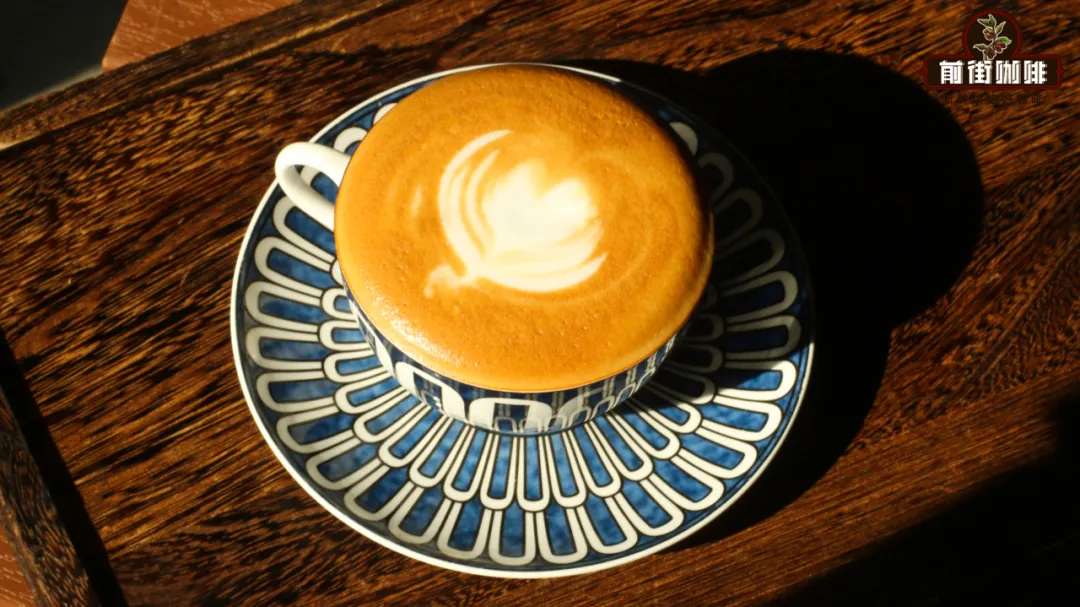
Café au lait, on the other hand, is a often overlooked French classic. Its name translates directly to “milk coffee.” Unlike Italian milk coffees, it does not use espresso but instead combines black coffee extracted by drip or immersion with an equal proportion of warm milk. This method originates from France, and its flavor is more akin to a balanced blend of coffee and milk.
To make a professional-grade latte, the key lies in precise extraction parameters. It is recommended to use 20 grams of coffee grounds, extracted at a 1:10 coffee-to-water ratio (total water volume 200 ml), with a grind size set to 85% passing through a #20 sieve, equivalent to setting 9 on the EK43 grinder—slightly finer than a standard pour over. Water temperature should be controlled at 92°C, and using a V60 dripper can optimize flavor extraction.
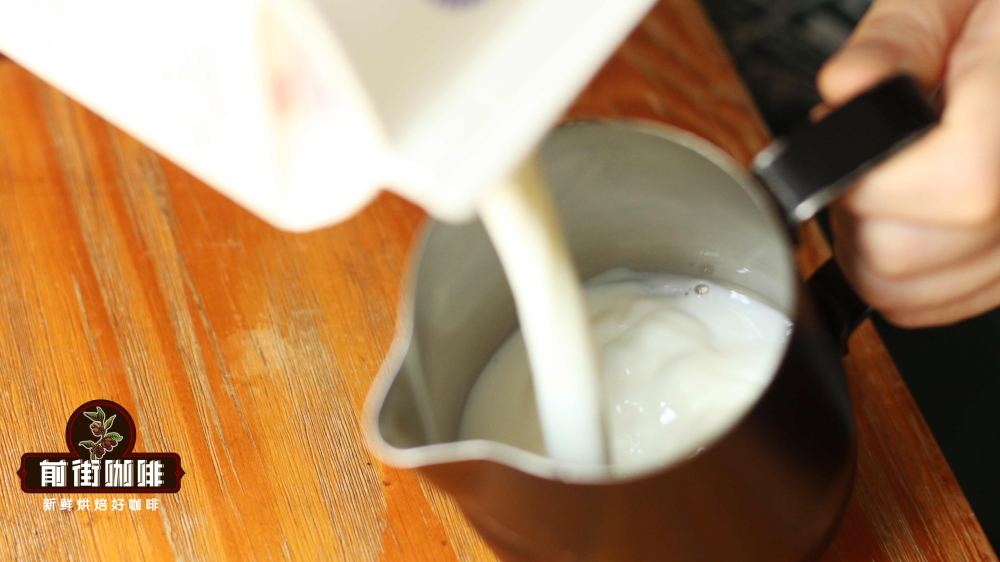
For the milk portion, use 160 ml of fresh milk at 60°C. This temperature is warm enough to create good microfoam without being too hot to damage the milk’s flavor. First extract the black coffee, then pour in the steamed milk, and finally add latte art according to preference. Pay attention to the fineness of the microbubbles when frothing the milk, as this directly affects the creaminess of the final texture.
The golden ratio for a cappuccino is 1:1:1—that is, equal parts espresso, steamed milk, and foam. The traditional method uses 30 ml of espresso, paired with an equal amount of warm milk and a thick layer of foam, for a total volume of about 90 ml. The foam should be about 1.5 cm thick to form the signature brown tiger stripe pattern on the surface.
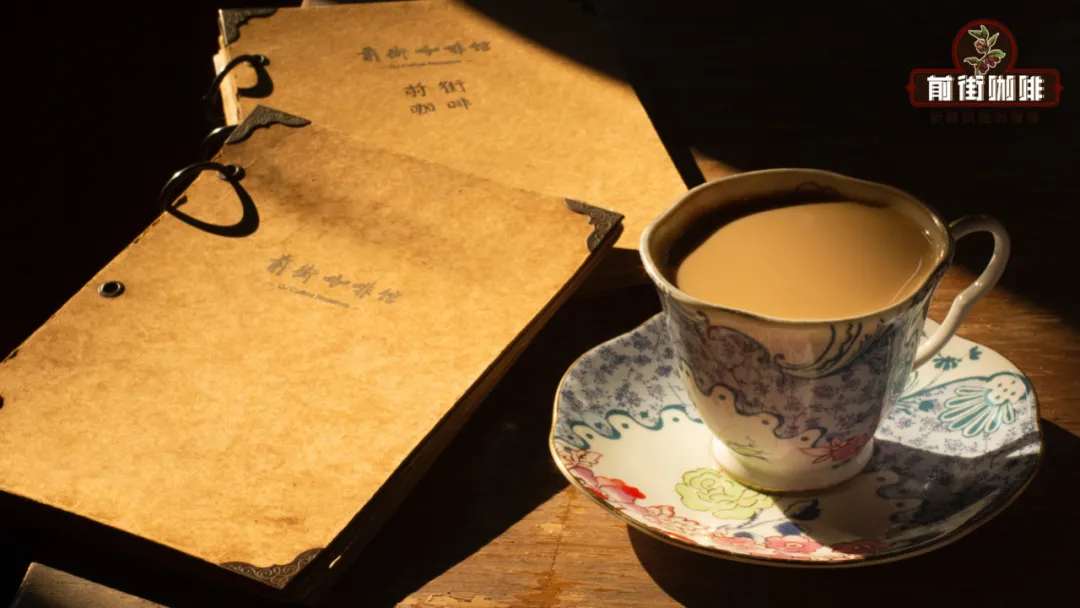
Making café au lait is relatively simple, using just a 1:1 ratio of coffee to milk. When using drip coffee, it is recommended to brew a medium-strength black coffee to avoid excessive bitterness that could mask the sweetness of the milk. The French tradition often pairs a large cup of warm milk with coffee to create a warm and smooth drinking experience, ideal for those who prefer a lighter milky aroma.
Once you’ve mastered these basic parameters, you can fine-tune them according to personal taste. For example, those who prefer a stronger flavor can increase the coffee ratio or use a finer grind; those who enjoy a lighter taste can raise the milk ratio or reduce the coffee strength. Keeping a record of each adjustment’s parameter combination will help you gradually find the golden ratio that best suits your palate.
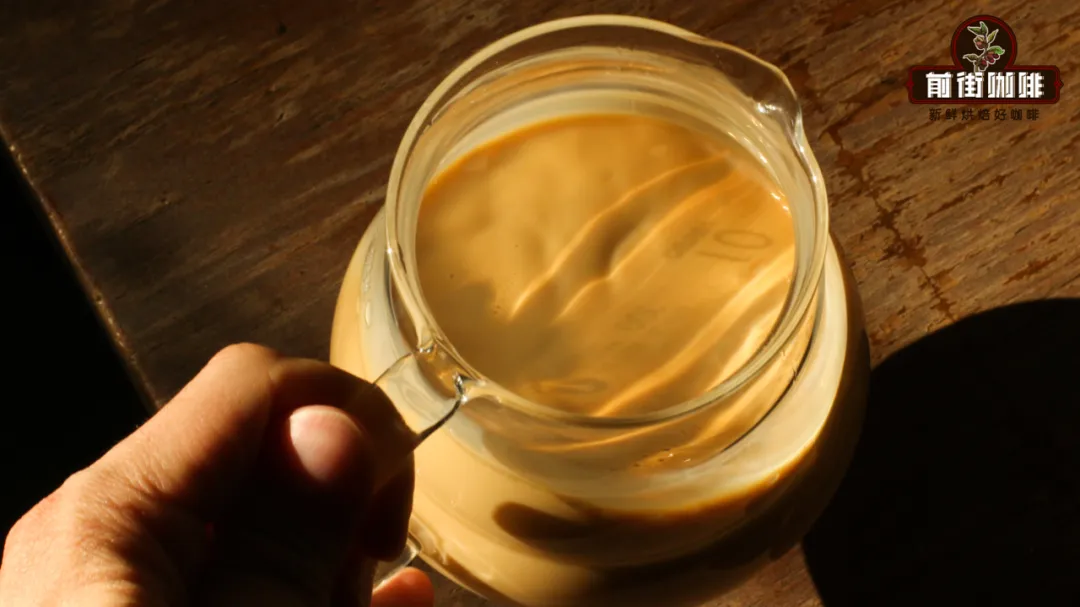
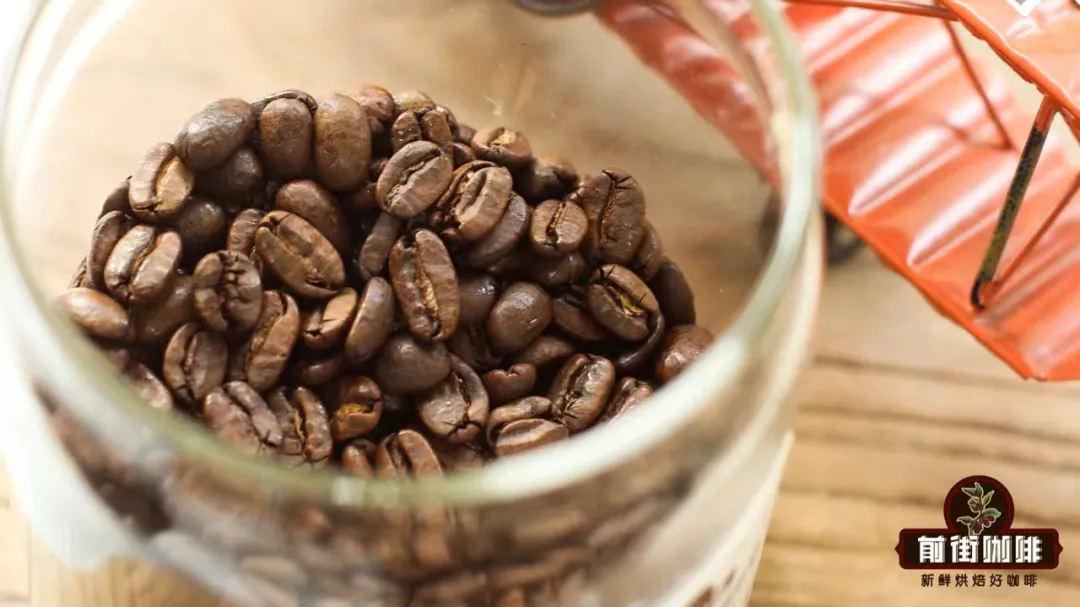
No matter which milk coffee you choose, freshness and ingredient quality are key. It is recommended to use coffee beans roasted 7–21 days prior, and fresh refrigerated milk is preferable. Pay attention to the angle and distance of the steam wand to avoid overheating the milk or creating too many large bubbles—these details can significantly impact the final flavor of the drink.
The above content is compiled by CoffeeHunters, a coffee news website.


