







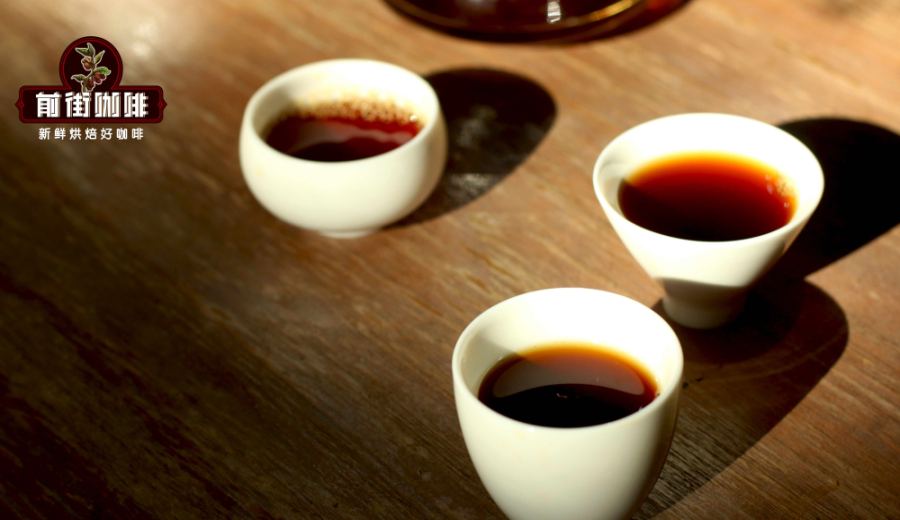
Introduction:Want to understand the true flavor and potential of Yunnan small-bean coffee? This article takes an in-depth look at the two major varieties grown in Yunnan—Typica and Catimor—exploring their historical backgrounds, cultivation evolution, and cupping characteristics. From a professional perspective, we analyze their flavor profiles and limitations. We also provide a detailed French press pour-over brewing guide, covering key parameters such as water temperature, coffee-to-water ratio, and steeping time, helping you precisely extract the layered flavors of Yunnan coffee at home. Whether you’re a beginner or an advanced coffee enthusiast, you’ll find valuable insights here.
Yunnan small-bean coffee has gradually gained recognition among coffee lovers in recent years. With its plump beans and balanced flavor, it stands as one of the representative varieties of China’s domestic coffee. This article focuses on the two main varieties cultivated in Yunnan—Typica and Catimor—tracing their historical origins, cultivation developments, and unique flavor traits and challenges. Moreover, we’ll demonstrate how to use a French press with precise brewing parameters to highlight the distinctive layered flavors of Yunnan Typica, making it ideal for coffee enthusiasts who want to dive deeper and brew at home.
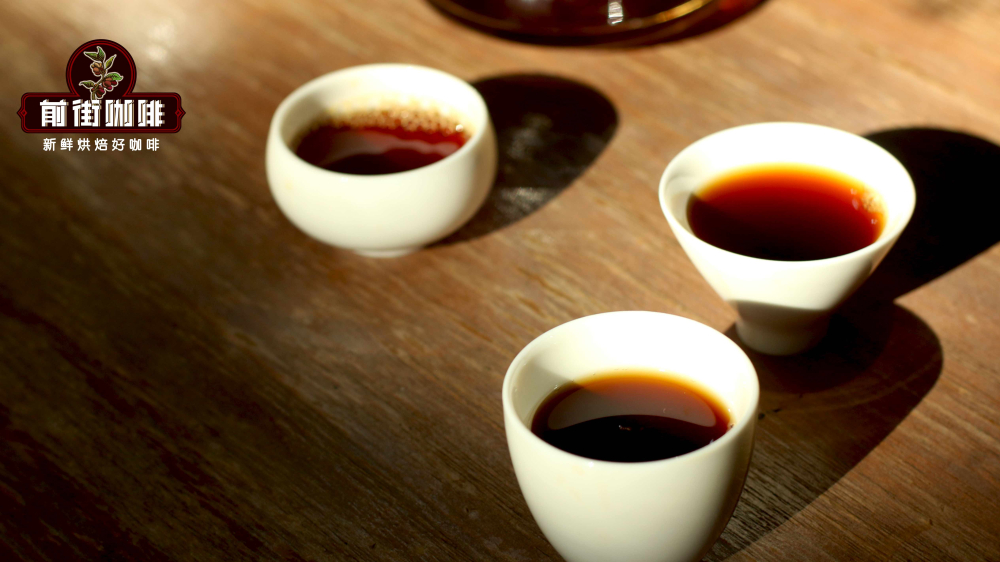
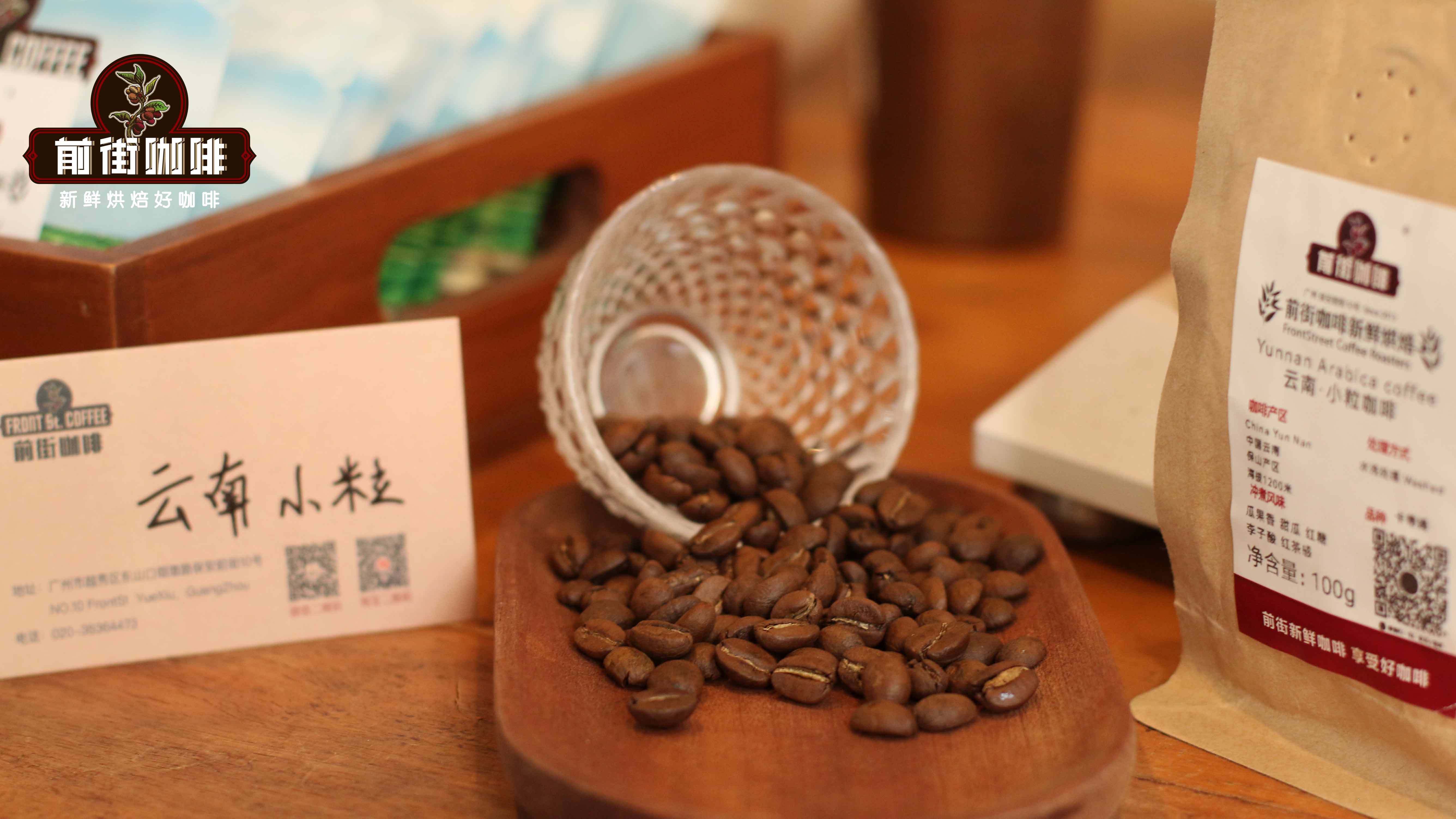
The reason Yunnan small-bean coffee is called "small-bean" is mainly because it belongs to the Arabica variety. Compared to the commonly seen Robusta (medium-bean), its cherries and green beans are noticeably smaller. The earliest coffee introduced to Yunnan was primarily Typica and Bourbon, which could exhibit rich fruit acidity and aroma in high-altitude environments, making them industry-recognized premium Arabicas. As a brand deeply rooted in the coffee field, we pay special attention to how varieties influence flavor. In our product line, Catimor is often recommended as an entry-level pour-over bean for beginners, while Typica represents advanced specialty coffee, favored for its more delicate aroma and clear flavor profile.
The history of Yunnan Typica can be traced back to 1904, when French missionary Térence Dufaure introduced the Typica variety from Vietnam and successfully planted it in Zhugula Village, Binchuan County, Yunnan. This is considered the starting point of Yunnan’s coffee industry. These early batches of coffee were called "small-bean coffee," which is what people now commonly refer to as Yunnan small-bean. As a classic Arabica variety, Typica boasts gentle acidity and good balance, but it only fully realizes its potential in high-altitude environments.
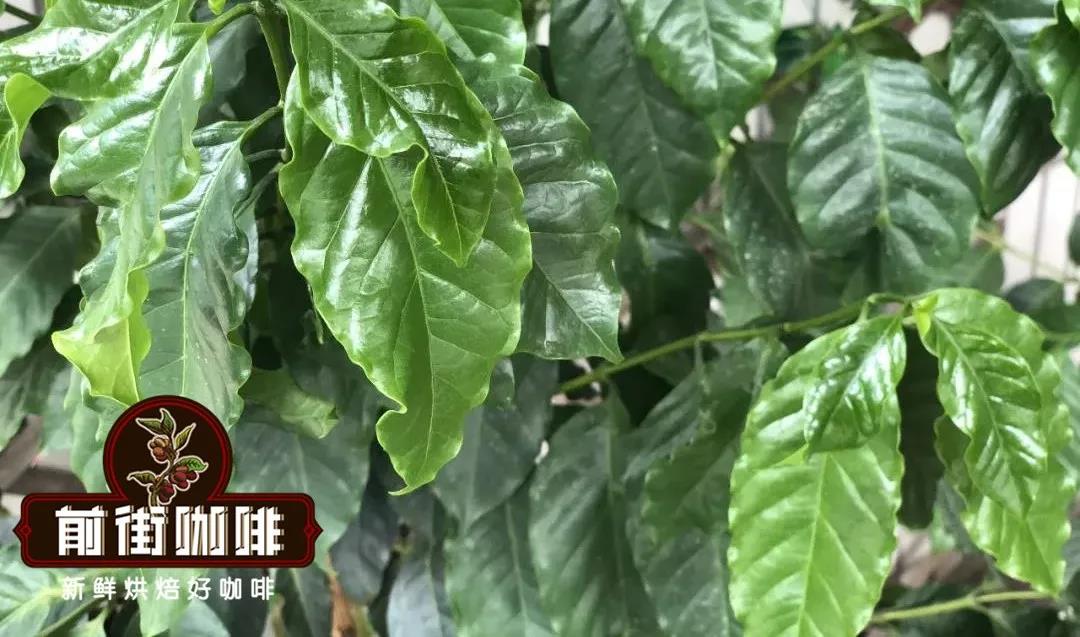
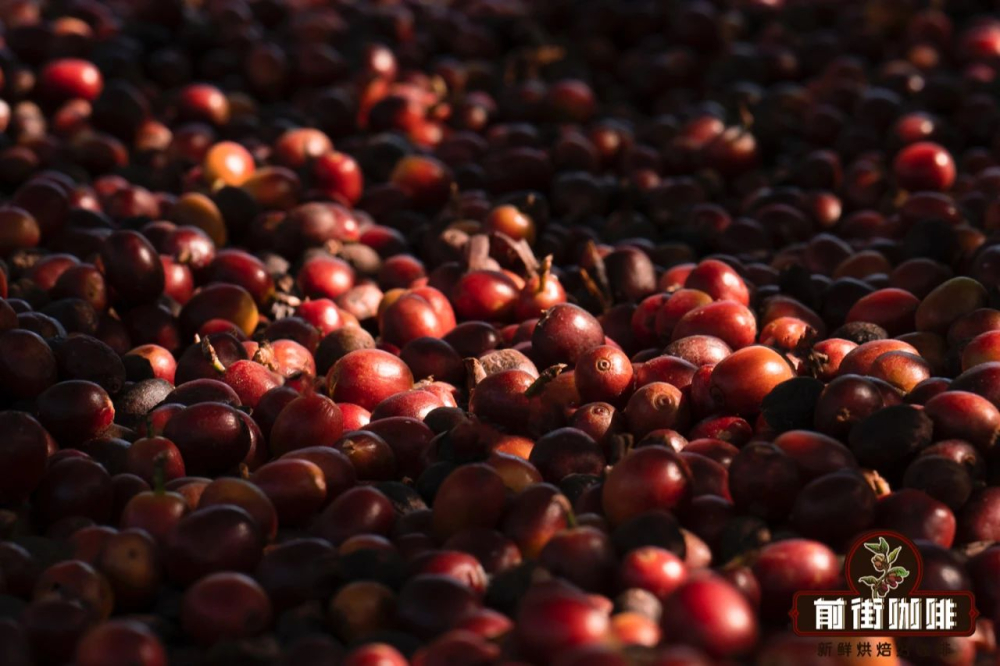 However, traditional varieties like Typica and Bourbon generally suffer from weak disease resistance and low yields, leading many farmers to shift toward planting more economically viable Catimor. Although classified as Arabica, Catimor has about 25% Robusta lineage in its genes, originating from the hybrid variety "CIFC7963" developed by Portugal’s Coffee Rust Research Center (CIFC). This variety features compact and dense branching, strong rust resistance, and high yields, making it a more "farmer-friendly" choice. However, due to its Robusta heritage, Catimor often exhibits relatively flat flavors, lacking complexity, and frequently carries a pronounced bitter-sweet profile.
Despite this, Catimor remains the most widely planted variety in Yunnan. Especially after washed processing, it can showcase the region’s distinctive foundational flavors, making it a relatively approachable and easy-to-accept entry-level option for newcomers to coffee. If you’re just stepping into the world of coffee, consider starting with Yunnan Catimor to experience its smooth, chocolatey foundation.
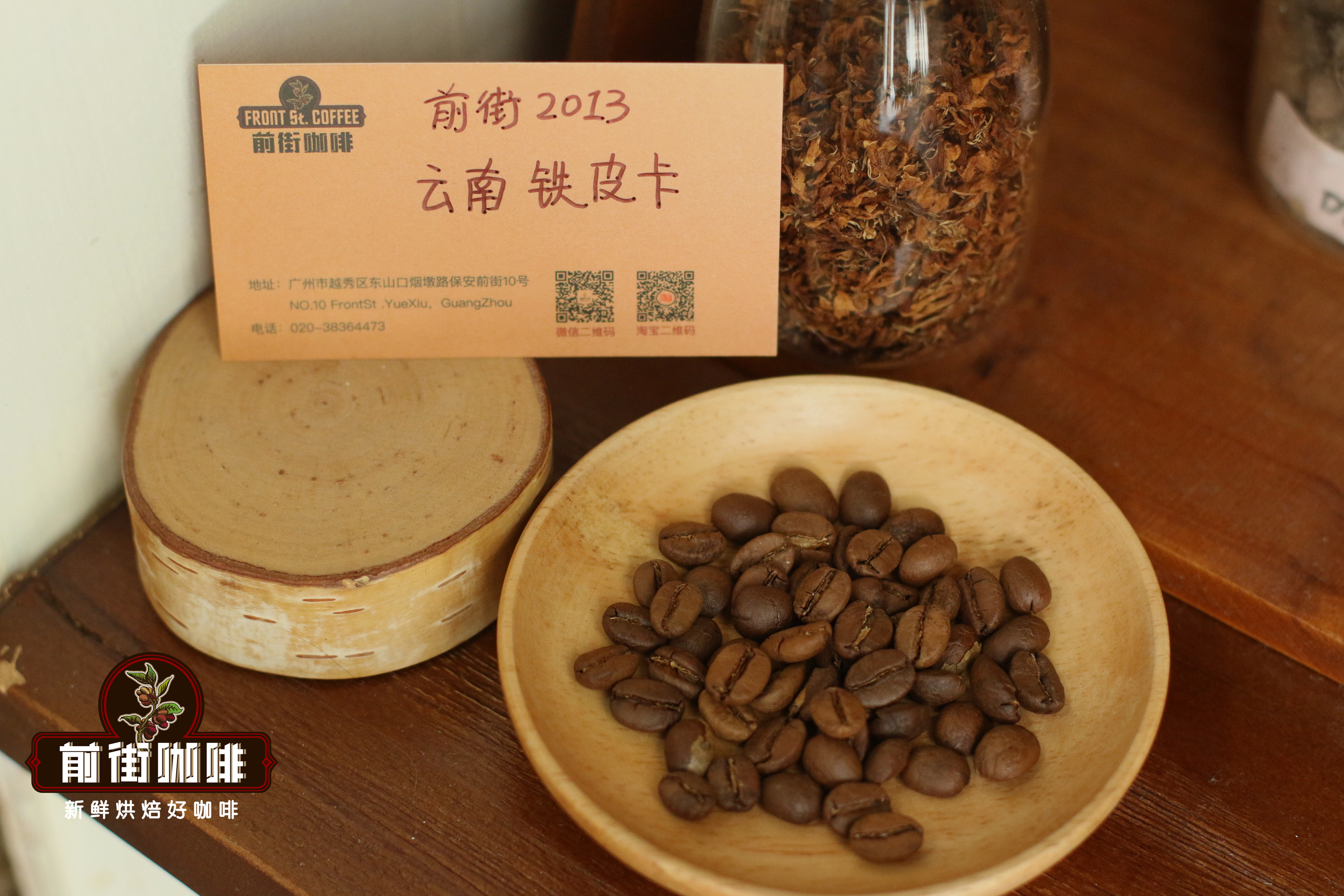
So, besides Catimor, are there other traditional Arabica varieties grown in Yunnan? The answer is yes. One brand began selecting and cultivating the ancient Typica variety in Lincang, Yunnan, as early as 2013. After five to six years of meticulous care, the first harvest finally arrived in 2020. This batch of Typica was sun-dried and named "Brand 2013." Due to Typica’s extremely demanding growing conditions—it’s prone to leaf rust and has low yields—many farmers opt for the stable returns of Catimor rather than risking a switch. As a result, Typica’s cultivation area in Yunnan remains limited, but this also preserves its unique varietal charm.
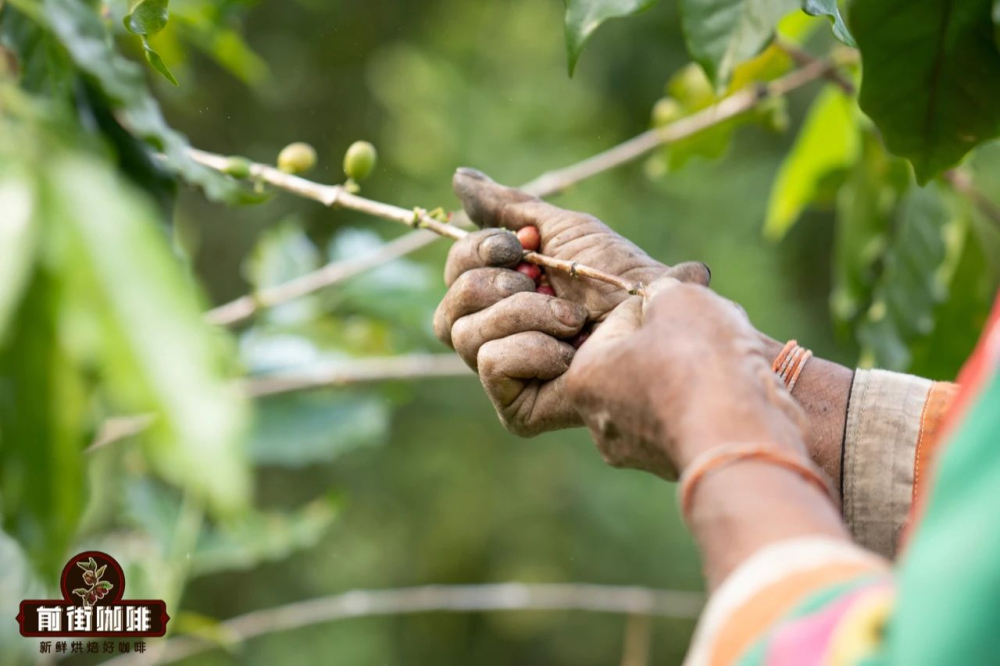
When it comes to the overall flavor profile of Yunnan small-bean coffee, common descriptors include chocolate, nuts, sweet potatoes, and even sanhua plum, reflecting its relatively balanced and diverse flavor spectrum. When cupping its own Yunnan Typica, one brand detected aromas of chocolate, nuts, dried apricot, and brown sugar, accompanied by a rounded sweetness reminiscent of melon, with a tea-like finish akin to black tea. The overall profile is remarkably well-balanced. To fully highlight these qualities, the brand typically medium-roasts Yunnan small-bean coffee, bringing out caramelized notes while preserving the freshness of fruit acidity.
If you want to brew Yunnan Typica at home by yourself, a French press is a simple and practical choice. Below are the detailed steps and recommended parameters for brewing Brand Yunnan Typica using a French press:
Required equipment:French press, pour-over kettle, grinder, thermometer, digital scale, timer, fresh coffee beans, coffee cup.
Operation process:
The above content is compiled by CoffeeHunters, a coffee news website.


