








Introduction:Espresso is the soul foundation of Italian-style coffee. Understanding its standard extraction parameters and various drinking methods can help you deeply master this classic coffee. This article not only introduces the definition and extraction conditions of Espresso, but also explains in detail the three mainstream ways to enjoy it, wine pairing techniques, and analyzes in depth the principles of Italian coffee blends, the pros and cons of blending single-origin and roasted beans, and finally shares the flavor characteristics and formulation compositions of four classic blends. It is an essential practical guide for both beginner and advanced coffee enthusiasts.
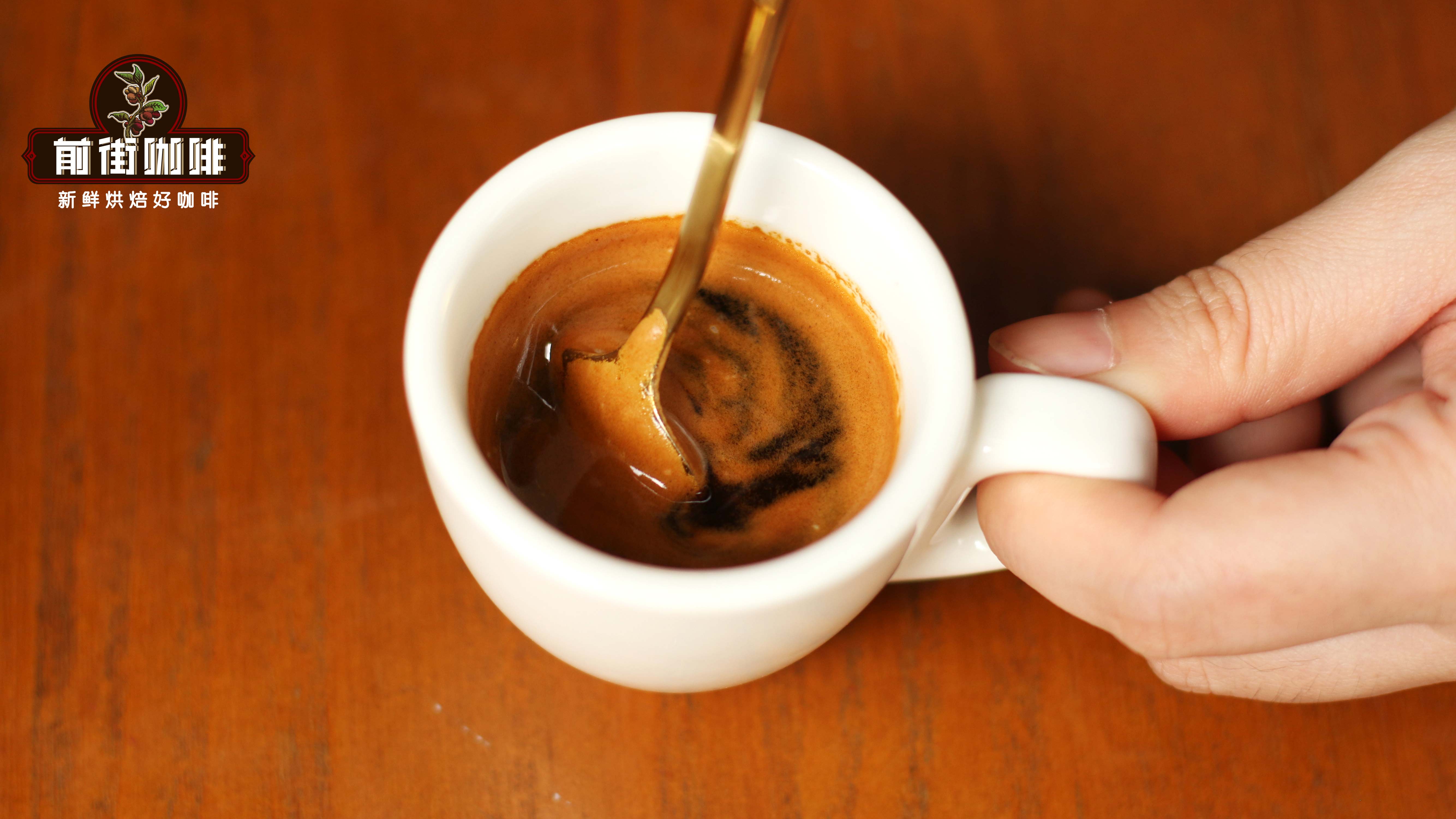
Espresso holds a pivotal position in Italian coffee culture. It is not only the first step for many novice coffee drinkers, but also the foundation for crafting various classic beverages such as cappuccino and latte. In short, Espresso is a small cup of concentrated coffee liquid extracted under high pressure, with standard extraction parameters generally set at a water temperature of 85 to 95°C, and extraction time controlled between 25 to 35 seconds. Using an espresso machine, the most intense essence of the coffee is forced out under pressure. This highly concentrated coffee liquid has a rich and layered mouthfeel, laying the flavor foundation for many coffee drinks.
Many regular café-goers will directly order a shot of Espresso, which is not a hidden menu item, but rather a love for the flavor of the concentrated coffee itself. The charm of Espresso lies in its rich, thick texture and strong sense of satisfaction. It often serves as the base for other fancy coffees and transforms into the familiar variety of coffee drinks when paired with milk or water. In fact, Espresso is inseparable from Italian coffee—understanding it is the starting point to understanding Italian coffee.
Common ways to drink Espresso can be roughly divided into three types. The most direct way is to enjoy it on its own, where its rich and thick taste delivers a strong coffee experience. The second method is to add milk, such as in making a latte or cappuccino, where the coffee aroma unfolds in warm milk, creating a rich layering and smooth mouthfeel. The third method is to mix it with hot or cold water, known to us as Americano, which has a relatively refreshing taste, suitable for those who enjoy coffee but prefer a less intense flavor.In addition, there is a less common but interesting way to drink Espresso, which is by adding spirits such as whiskey. This is especially suitable for blends that have wine-like aromatic characteristics, such as some coffee beans that have undergone wine barrel fermentation processing, bringing out the unique tone of fermented wine aroma.
When talking about Espresso, one cannot avoid mentioning Italian coffee blends. Due to the high-pressure extraction characteristic of espresso machines, the features of single-origin coffee beans are amplified—for example, the bright acidity of Ethiopian Yirgacheffe or the heavy earthiness of Indonesian Mandheling. Using single-origin beans can easily lead to flavor imbalance. Therefore, the industry commonly uses blends to make Espresso, achieving flavor balance and a harmonious mouthfeel by combining beans from different origins and varieties, while also shaping a unique flavor identity for the shop.
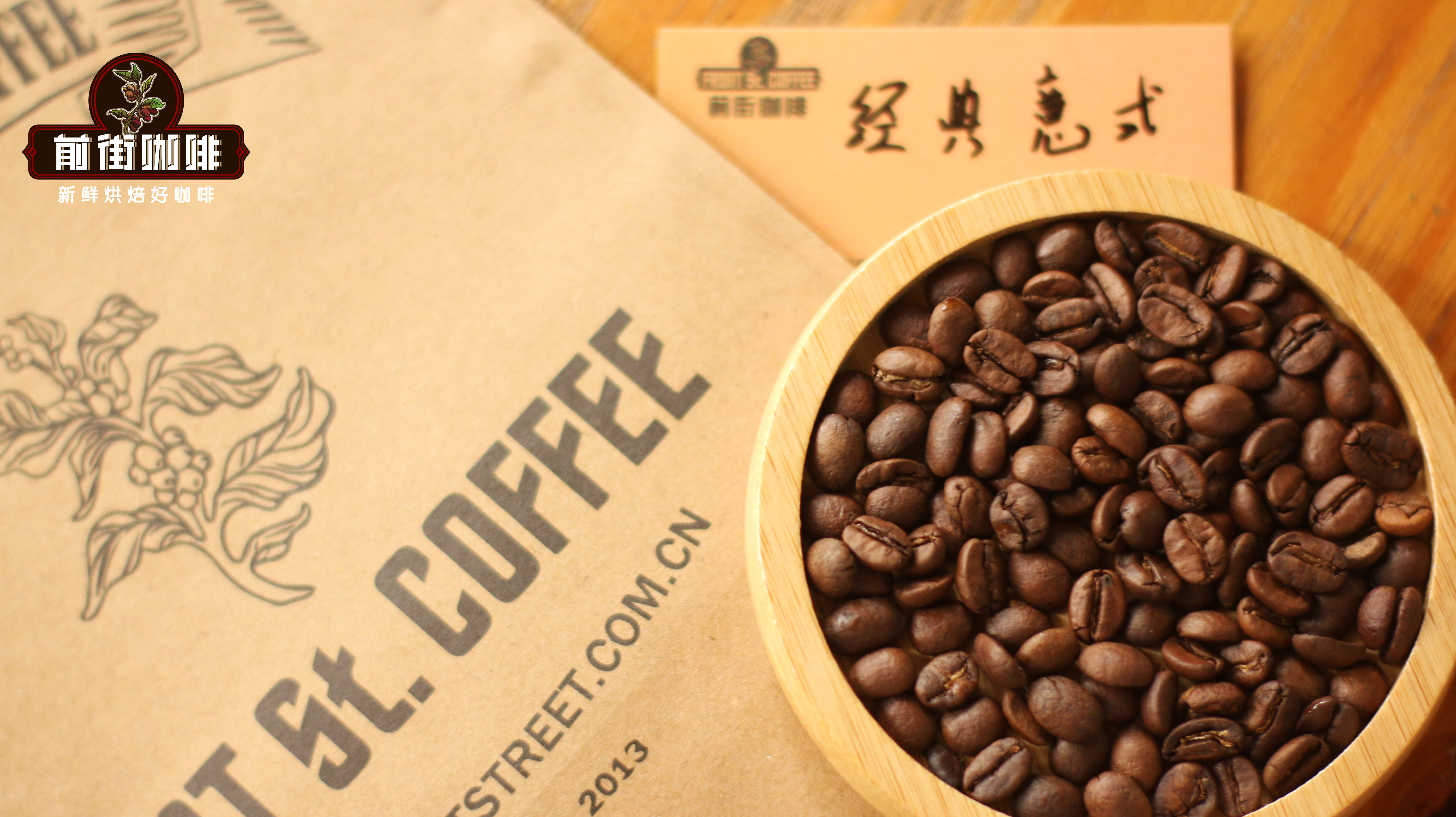
The so-called Italian blend refers to mixing two to three, or even more, coffee beans from different regions and varieties in specific proportions. The goal is to complement each other’s strengths and create a smoother and more layered coffee flavor. Common blending strategies include adding beans with prominent aromas to balance those that are smooth but lack aroma, or by mixing in a small amount of Robusta beans to enhance crema and richness, especially suitable for milk-based drinks like lattes.
In the production process of Italian blends, there are mainly two methods: “pre-roast blending” (生拼) and “post-roast blending” (熟拼). Pre-roast blending means mixing different coffee beans before roasting, then processing them all at a unified roast level. Its advantage is effective control over roast consistency and simplified quality control, but the prerequisite is that the beans involved in the blend must have similar suitable roast levels, otherwise it may affect the final flavor. Post-roast blending involves roasting each bean separately at its optimal roast level, then blending them afterward. This allows each bean’s individuality to fully shine, but it requires stricter management of roast dates and resting periods.
Whether it’s pre-roast or post-roast blending, the core goal is to maintain flavor stability and ensure a consistent mouthfeel experience with each brew. Since coffee beans are agricultural products, their annual yield is influenced by climate, causing some variation in flavor. Through blending, this variation can be mitigated to a certain extent, helping consumers enjoy a relatively consistent flavor profile year after year.
Below are four classic Italian blends and their characteristics. The first is the “Sunflower Warm Sun Blend,” which combines Honduran Sherry and Yirgacheffe Red Cherry Natural. Its flavor exhibits noticeable fruity acidity, berry aroma, and rich wine notes, with a chocolatey finish. It is suitable for drinkers who enjoy wine-like aromas and fruity acidity layers. This blend can be used for Espresso or even tried as a pour over, though different brewing methods may highlight slightly different flavor aspects.

The second is the “Premium Blend,” composed of Colombian and Brazilian beans. It has a mild and delicate flavor, with slight acidity and a nutty tone. The overall mouthfeel is balanced, with medium crema, suitable for consumers who prefer a softer coffee experience. The third, the “Commercial Blend,” is based on Colombian and Brazilian beans with an added 10% Robusta, which enhances crema richness and caramel sweetness. With a balanced sweet-and-sour profile and a hint of bitterness, it is a classic choice for many cafés and is suitable for milk-based drinks like lattes.
The last one is the “Dark Cocoa Blend,” made from Yunnan and Brazilian beans. The Yunnan beans have flavors similar to Colombian beans, featuring gentle fruit acidity and dark chocolate tones. Once blended, the overall mouthfeel is smooth and viscous. Though the flavor is relatively mild, it offers excellent cost-performance and is very suitable for beginners or small coffee shops. This blend also showcases nutty and cocoa-like aromas, making it a great choice for those new to Espresso.

The above content is compiled by CoffeeHunters, a coffee news website.


