








Introduction:Espresso coffee is the go-to choice for many coffee enthusiasts just starting out, but what sets types like espresso, latte, and cappuccino apart? This article takes an in-depth look at the brewing principles of common espresso drinks, the logic behind coffee bean blends, standard ratios, and flavor profiles—from Espresso to Dirty—to help you find the one that best suits your taste preferences while mastering the key details of making each type.
Walk into a café, and espresso-based drinks are almost always the stars of the menu. However, many people are initially put off by the intense bitterness of a straight espresso. In reality, the world of espresso is far more diverse than it seems. From classic espresso to various specialty coffee drinks, each has its own unique brewing method and flavor expression. If you're looking for an espresso-based drink that’s not bitter or astringent and better suits your palate, the first step is to understand the differences and commonalities among them.
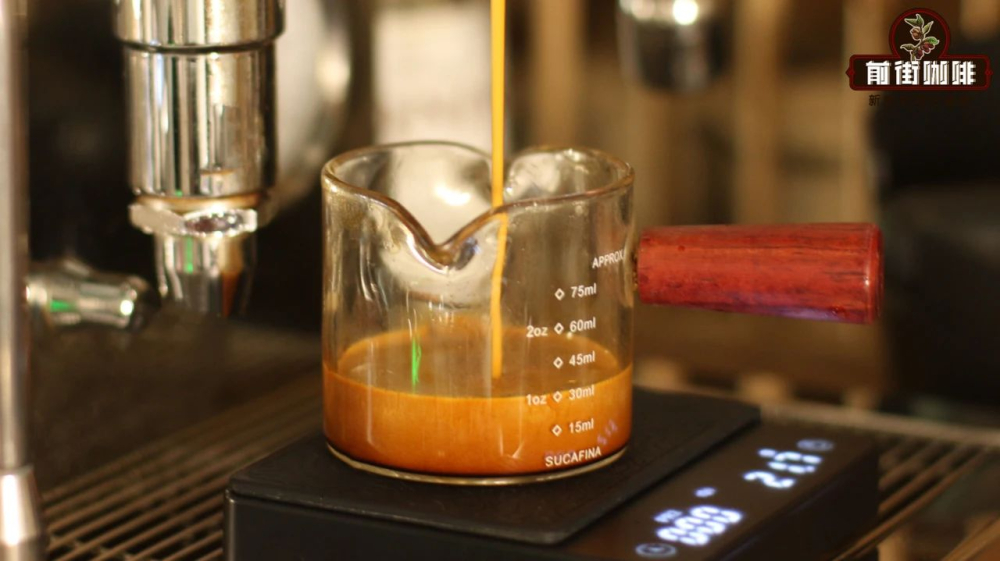
Among the many espresso drinks, Espresso is the most fundamental and important type. A standard Espresso is made by forcing hot water at around 92 to 94°C (under pressure of about 9 bar) through a finely ground and evenly tamped coffee puck for 20 to 30 seconds, yielding approximately 30 milliliters of concentrated liquid. The surface is covered with a layer of coffee oils called Crema, typically ranging in color from golden to dark brown depending on the roast level. This Crema not only affects the appearance but also serves as a key indicator of a successful extraction.

The word "Espresso" comes from Italian, meaning "fast." Traditionally, it is made using a blend of beans from multiple regions—so-called blend beans or formula beans—to balance acidity, sweetness, bitterness, and saltiness, and to ensure flavor stability. To achieve optimal extraction, these beans are usually ground very finely to match the high pressure and short brewing time.
Because Espresso has an intense and often bitter flavor, many people add sugar or milk to mellow it out, leading to the creation of various specialty coffee drinks. These drinks not only adjust the mouthfeel but also introduce elements such as syrups, milk foam, and spices, enriching the overall flavor profile. Examples include cappuccino, latte, mocha, macchiato, caramel macchiato, and even Dirty coffee, which emphasizes the contrast between hot and cold.
Below, we’ll introduce several of the most common types of espresso drinks along with their characteristics:
Espresso (Concentrated Coffee): As the core of espresso-based drinks, Espresso is typically made with dark-roasted beans and extracted under high pressure to produce a rich, slightly smoky-tasting coffee. A standard Espresso uses about 20 grams of coffee grounds to extract approximately 40 milliliters of coffee, topped with a thick and fine layer of Crema. This coffee serves as the base for other specialty drinks; if extracted improperly, it will directly affect the performance of the subsequent beverages.
Americano (American Coffee): This coffee is made by diluting Espresso with a large amount of hot water, resulting in a relatively lighter taste while still retaining the foundational flavors of the Espresso. The traditional story goes that American soldiers during World War II added hot water to tone down the strong intensity of Espresso. A common ratio is 40 grams of Espresso mixed with 180 milliliters of hot water, totaling about 220 milliliters, with an Espresso-to-water ratio of about 1:4.5.
Latte (Caffe Latte): In Italian, Latte means "milk," so a latte mainly consists of Espresso combined with a large amount of hot milk and a small amount of milk foam. The typical proportion is 1/5 Espresso, 2/5 hot milk, and 2/5 milk foam. A certain brand’s standard preparation uses 40 grams of double shot Espresso, paired with 260 grams of milk and about 1 centimeter of milk foam, striking a balance between milk aroma and coffee flavor. It's suitable for those who prefer a smoother taste and can also be flavored with vanilla or caramel.
Cappuccino: Composed of equal parts Espresso, hot milk, and milk foam—typically in a 1/3, 1/3, 1/3 ratio. Its name is said to come from the brown habits worn by Franciscan monks in Italy. A certain brand prepares it in a 180-milliliter tulip cup, first pouring in a shot of Espresso, then adding finely textured and thick milk foam along with hot milk, resulting in a rich and layered mouthfeel.
Mocha (Mocha Coffee): A classic combination of coffee and chocolate, typically made up of 2/5 Espresso, 2/5 hot chocolate, and 1/5 hot milk. This coffee combines the richness of coffee with the sweetness of chocolate, making it ideal for dessert lovers. A certain brand’s recipe includes 40 grams of Espresso plus 20 grams of chocolate syrup, with 260 grams of hot milk added, resulting in a smooth texture and intense aroma.
Macchiato (Marked Coffee): Meaning "marked" in Italian, the traditional version involves adding a small amount of milk foam on top of a shot of Espresso as a mark to distinguish it from plain Espresso. The method is simple yet the flavor is distinctive. A certain brand's approach is to pour 40 grams of Espresso and top it with a spoonful of fine milk foam, allowing you to experience the boldness of the Espresso alongside the softness of the foam in one sip.
Caramel Macchiato: Though unrelated to the traditional macchiato, this popular Starbucks drink combines Espresso, hot milk, vanilla syrup, and a generous amount of milk foam, then decorates it with caramel sauce. It has a sweet and rich flavor, making it a favorite for those who enjoy sweet coffee. A medium-sized cup is about 355 milliliters, containing roughly 30 milliliters of Espresso, with the rest being a milk-and-syrup foam mixture.
Dirty Coffee: This drink stands out with its visual and temperature contrast. Typically served in a clear glass without ice cubes, it involves pouring cold milk first, followed by a shot of hot Espresso directly into the milk, creating a gradient effect. Due to the temperature difference between the hot coffee and cold milk, a noticeable “bleeding” visual occurs. Flavor-wise, it transitions gradually from the intense taste of hot Espresso to the refreshing coolness of cold milk. A certain brand recommends a ratio of 150 grams of cold milk to 40 grams of Espresso. When making it, care should be taken with the distance between the spout and the milk surface—about 1 centimeter is ideal—to avoid too rapid mixing, which could ruin the layered effect.

The above content is compiled by CoffeeHunters, a coffee news website.


