







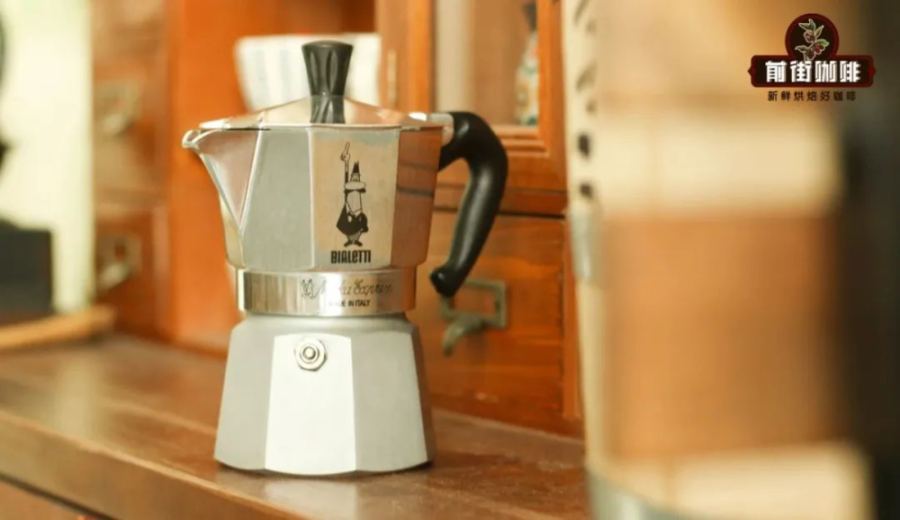
Introduction:The moka pot is a classic tool that many coffee enthusiasts use at home to replicate the flavor of espresso. However, to brew coffee with distinct layers and rich crema, the key lies in mastering the correct coffee-to-water ratio and operational steps. This article delves into the structural principles of the moka pot, suitable coffee bean choices, and details every step from heating to extraction completion—including practical tips and precautions—to help you get started easily and enjoy a professional-level coffee experience.
Although the name "moka pot" contains the word "mocha," it actually has no direct connection to the Mocha region in Yemen, chocolate flavors, or even Mocha coffee beans. This classic Italian coffee maker was invented in 1933 by Alfonso Bialetti, based on the heating circulation principle of a washing machine. Its purpose was to allow ordinary households to easily make coffee at home that closely resembles the espresso served in coffee shops. To this day, the moka pot remains a staple in many coffee lovers' homes, beloved for its simple operation and bold flavor.
The moka pot is called "Moka Express" in English, where "Moka" originates from the old Venetian term for coffee beans from the port of Mocha in Yemen, and "Express" emphasizes its ability to quickly extract coffee. Despite the name containing "mocha," it is actually a household appliance that uses pressurized extraction to quickly brew coffee, producing a beverage with crema and a rich taste—perfect for those who enjoy espresso-style flavors.

The basic structure of a moka pot can be divided into three parts: the upper chamber, the filter (coffee chamber), and the lower chamber. During use, pour an appropriate amount of water into the lower chamber, add finely ground coffee powder into the middle filter, then screw the upper and lower chambers together. Heating generates steam pressure, which pushes hot water through the coffee grounds, extracting concentrated coffee into the upper chamber. Due to its simple operation and lack of need for expensive equipment, the moka pot has become the go-to choice for many families and beginner coffee drinkers looking to explore the world of espresso.
Before using a moka pot, it’s recommended to prepare the following basic tools: freshly ground coffee (preferably with a fineness close to that used for espresso machines), clean water, the moka pot itself, and a stable heat source such as an electric stove or open flame (when using an open flame, be mindful of temperature control and safety). The moka pot is quite sensitive to the heat source, so it’s advisable to choose a heating device that provides even heat transfer for stable extraction.

As for coffee bean selection, different options can be explored based on personal taste preferences. If you prefer a bold, nutty profile, consider choosing yellow Bourbon beans processed with the natural method, which deliver rich caramel and nutty aromas. For a balanced and harmonious flavor, a Brazilian and Colombian blend is recommended, often offering a clean, neutral taste with a chocolate base. Those who enjoy floral and fruity notes with a touch of acidity may opt for honey-processed Costa Rican or Ethiopian beans, paired with moderately washed or naturally processed beans to highlight a more diverse fruitiness and softer acidity.
Next is a breakdown of the actual operational steps. First,Add an appropriate amount of hot waterinto the lower chamber, keeping the water level below the safety valve to prevent excessive pressure from overheating. A recommended water volume is about 130 milliliters (for a double single-valve pot), and using hot water can shorten the heating time, leading to faster extraction.
Then,add about 18 grams of finely ground coffee powder into the filter, and gently level the surface without compacting it. If the coffee particles are too fine, avoid applying extra pressure to prevent obstructing water flow, which could lead to over-extraction or channeling. Lightly tapping the filter can help distribute the coffee grounds evenly and fill gaps, contributing to a more balanced extraction.
After placing the coffee-filled filter into the lower chamber,screw the upper and lower chambers tightly together. If using hot water, it’s advised to use a damp cloth for insulation to avoid burns. Then, place the assembled moka pot on the heat source and begin heating. Start with medium to high heat, and once you hear a distinct gurgling or hissing sound,reduce to low heatto stabilize the extraction pressure, preventing the coffee from rushing out too quickly or developing a burnt taste.
When you observe the coffee liquid beginning to steadily flow into the upper chamber, with an amber color and accompanied by fine crema, it indicates that the extraction is going well. When about half of the coffee has been extracted or when you notice the flow slowing down, it is recommended toimmediately turn off the heat sourceand let the residual heat complete the final stage of extraction to avoid over-extraction and bitterness.
After extraction, it’s best to let the coffee sit briefly before pouring to better appreciate its layers and aroma. Coffee made with a moka pot is usually quite strong and can be enjoyed straight, or diluted with hot water to make an Americano, or mixed with fresh milk heated to 60–65°C to create a smooth, latte-like drink—enjoying a variety of coffee flavor experiences.



The above content is compiled by CoffeeHunters, a coffee news website.


