







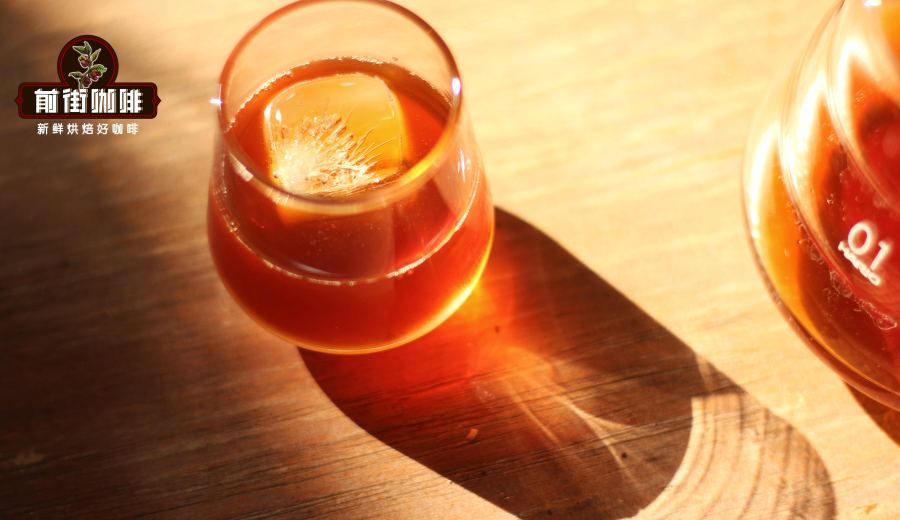
Introduction:Both cold drip and cold brew are representative methods of low-temperature extraction, but due to differences in their extraction mechanisms and detailed settings, their flavor profiles vary greatly. This article delves into the key differences between the two in terms of grind size, coffee-to-water ratio, extraction time, and final taste. It also includes a practical comparison using the same medium-light roasted Yirgacheffe, helping you choose the right brewing method based on your taste preferences and master the nuanced techniques of each extraction method.
Although both cold drip and cold brew fall under the category of low-temperature extraction, they each have unique characteristics in terms of flavor presentation, operation methods, and detailed parameters. Many coffee enthusiasts attempt to replicate these two classic cold coffee styles at home. To brew a cup with an ideal taste, it’s essential first to understand their extraction principles and detailed settings. Based on a practical comparative experiment, this article provides a comprehensive analysis of the differences between the two—from grind size, coffee-to-water ratio, extraction time, to final taste—using a medium-light roasted Yirgacheffe natural-processed bean as an example. This allows you to find the cup that best suits your personal taste.
What is low-temperature extraction?
Low-temperature extraction coffee differs from traditional high-temperature brewing methods, such as hot pour over or hot Americano. When extraction is performed with cold or ice water, the lower thermal energy means that bitter and astringent substances are less likely to be released. However, it also slows down the release of other aromatic compounds, requiring a longer time to extract sufficient flavor. Generally speaking, low-temperature extraction takes 6 to 12 hours to achieve a rich and balanced flavor profile.
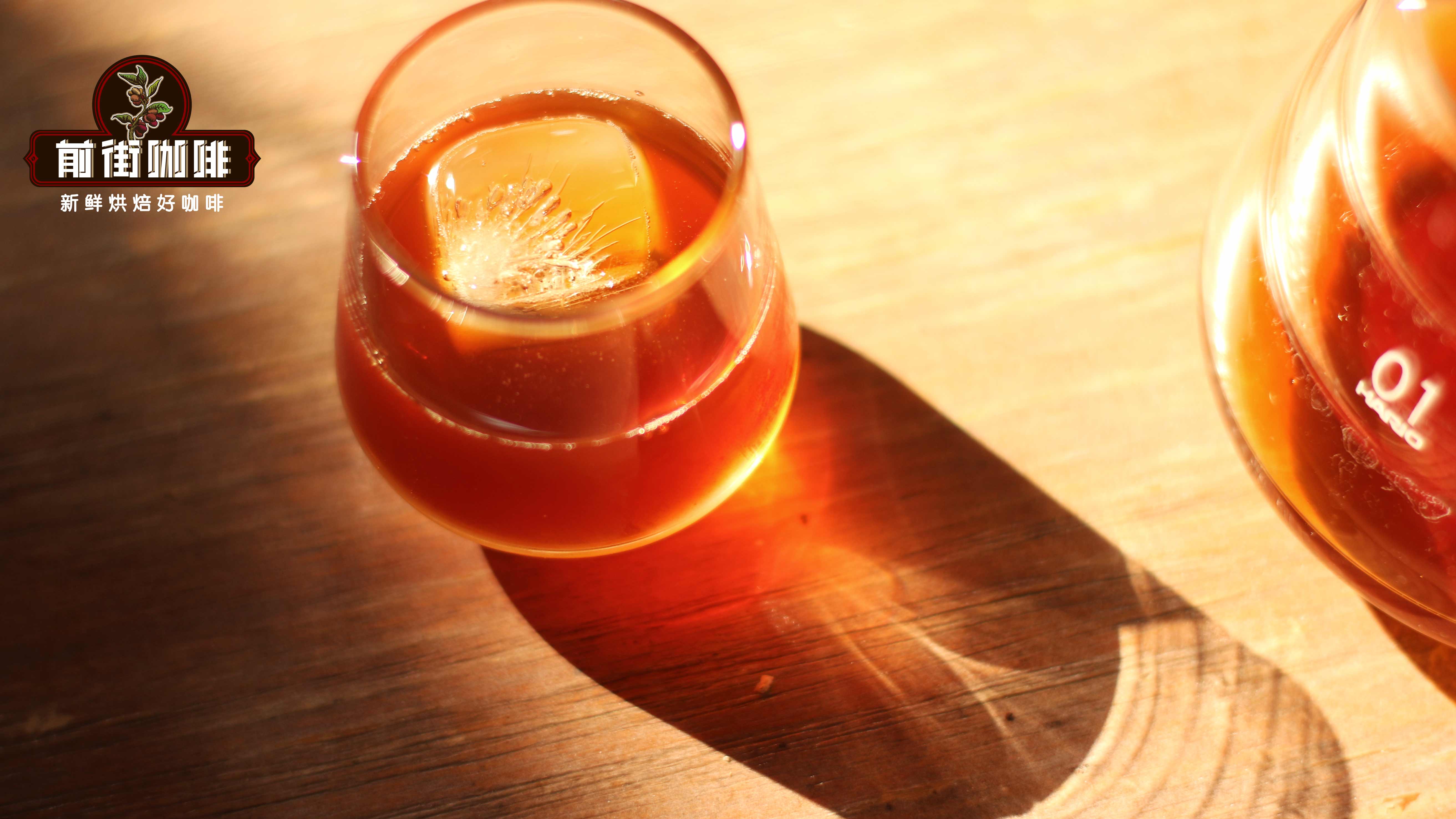
Grind size selection: Coarseness and fineness affect efficiency and taste
In the production of both cold drip and cold brew, the grind size of the coffee beans plays a crucial role. It is generally recommended to use a medium-coarse grind, similar in size to white sugar granules, roughly around 75% passing through a Chinese No. 20 sieve. If the grind is too fine, for cold drip, it may lead to uneven dripping, preventing water from properly penetrating the entire coffee bed; for cold brew, the coffee particles may clump together, causing uneven extraction and affecting the overall balance of flavors. Therefore, choosing an appropriate grind size is the foundation for ensuring successful extraction.
Cold drip coffee: Slow and steady, with distinct flavor layers
Cold drip coffee is a type of drip filtration extraction that uses ice water below 5°C, relying on the natural melting of ice cubes to slowly drip through the coffee grounds layer by layer. The dripping speed can be adjusted via a valve. During the process, flavor compounds are slowly released, and the overall extraction time typically ranges from 2 to 8 hours.For a richer flavor and better aging potential, it is recommended to let the brewed coffee sit in the refrigerator for an additional 12 to 48 hours after extraction.In practice, a coffee-to-water ratio of 1:10 is used, meaning 60 grams of coffee grounds to 600 milliliters of water. This ratio results in a high concentration without ice; if it feels too strong, you can adjust it to your liking by adding ice cubes. The overall taste is clean and crisp, with distinct flavor layers.
Cold brew coffee: Immersion extraction, bold and mellow
Compared to cold drip, cold brew uses an immersion extraction method. Coffee grounds are mixed directly with room temperature or ice water and then placed in a sealed container and refrigerated for 8 to 12 hours. Because the coffee grounds and water remain in contact for an extended period, flavor compounds are more thoroughly extracted. After filtration, it can be consumed immediately without additional waiting. A commonly used coffee-to-water ratio is 1:10 to 1:12. If you prefer a bolder taste, you can opt for a 1:10 ratio—for example, 30 grams of coffee grounds with 300 milliliters of water. The flavor will be bold and mellow, and it is recommended to add 2 to 4 ice cubes to cool the drink and adjust its strength. If you desire a lighter and more refreshing taste, you can increase the ratio to 1:12 or 1:13. The resulting cup will be lighter and smoother, suitable for everyday enjoyment.
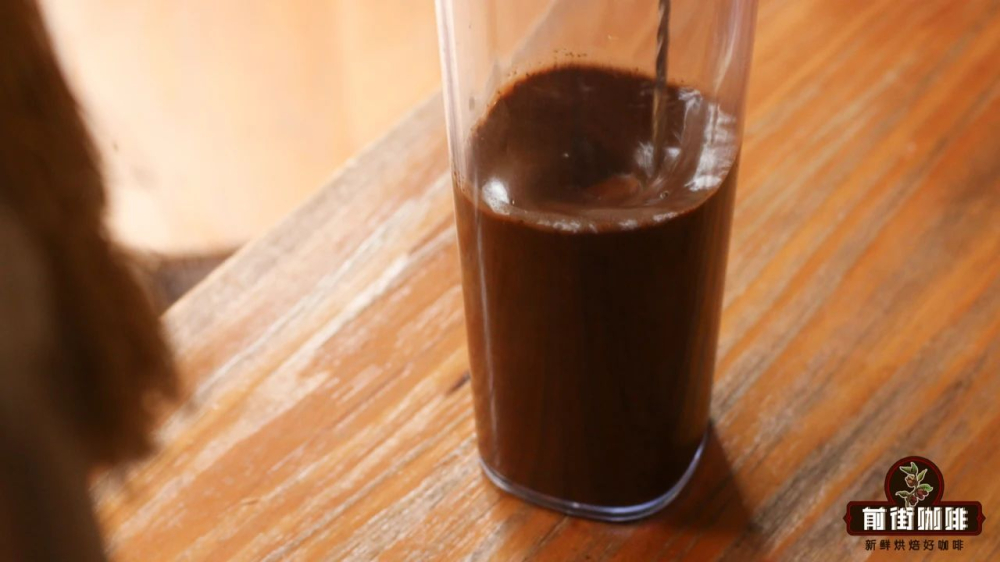
Same bean, two different extraction flavor directions
This experiment used a medium-light roasted Yirgacheffe natural red cherry bean. The beans are made from fully ripe fruit processed through sun drying, allowing for full sugar conversion and natural sweetness with subtle fruity fermentation notes. The cold drip version presents bright citrus acidity, berry-like sweet and sour notes, and a black tea-like body. The taste is clean and bright, and over time, it may even develop a fruity wine-like fermented character. The cold brew version, on the other hand, showcases a more intense citrus acidity, a berry juice-like richness, and a black tea aftertaste. The overall profile is rounder and fuller, making it more suitable for those who prefer a bold flavor style.
The above content is compiled by CoffeeHunters, a coffee news website.


