







Introduction:Have you ever wondered if commercial espresso blends can also produce unique flavors through pour over? Or do you want to know how to brew a single-origin espresso (SOE) latte that balances richness and complexity? This article delves into the core differences between blends and single-origin beans, explains how SOEs highlight regional characteristics, and provides practical parameters and step-by-step guidance for pour over brewing using the Warm Sunshine Blend. From extraction logic to hands-on techniques, this guide will help you understand it all and try it yourself.
Coffee has become an indispensable pick-me-up in many people’s daily lives. Whether it’s the quick and convenient espresso or the detail-oriented pour over method, each brewing technique offers a distinctly unique flavor experience. Take the Sunflower Warm Sunshine Blend, for example — a common recipe for espresso that is often asked whether it can be used for pour over? And how can single-origin SOEs be applied in lattes? This article will start from the fundamental differences between single-origin and blend beans, explain how SOEs emphasize regional traits, analyze the original intention behind espresso blends, and share the specific steps for pour over brewing with the Warm Sunshine Blend, perfectly blending theory with practice.
As coffee becomes more popular, it is no longer an unattainable luxury beverage but a routine pick-me-up integrated into everyday life. From classic espresso to refined pour over, there is a wide variety of choices and brewing methods. When making espresso, the Sunflower Warm Sunshine Blend is primarily used rather than single-origin beans, and there are actually considerations for flavor balance and extraction stability behind this choice.
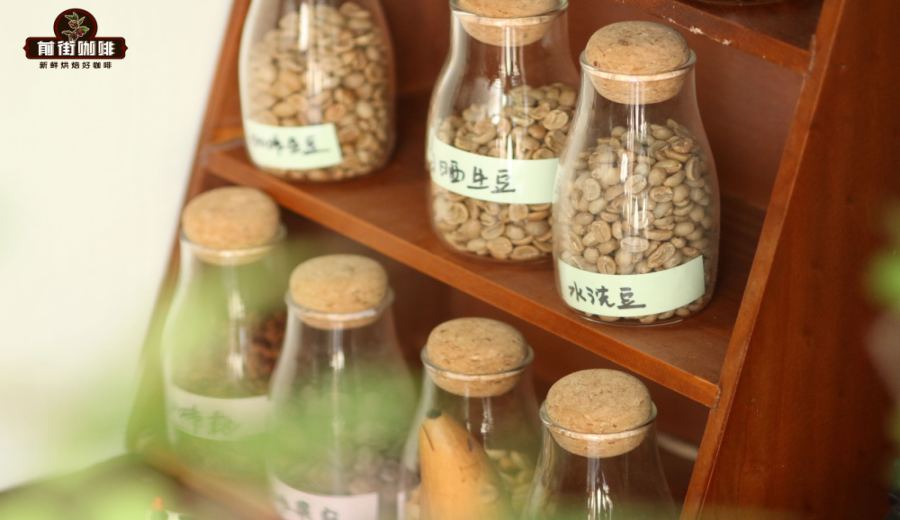
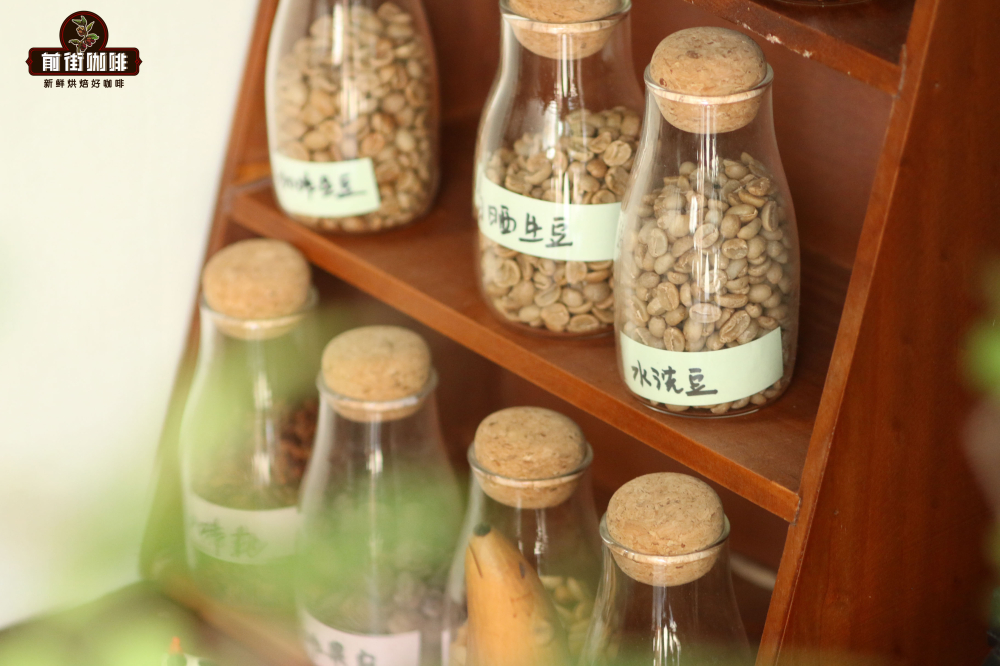
Single-origin coffee beans refer to beans that come from a single region. When these are used to make espresso, it is commonly referred to as SOE (Single Origin Espresso). Since the growing environment of coffee beans is influenced by natural conditions such as climate and soil, different regions present unique flavor profiles. For example, drinkers who prefer fruity acidity often choose beans from Ethiopia or Kenya.

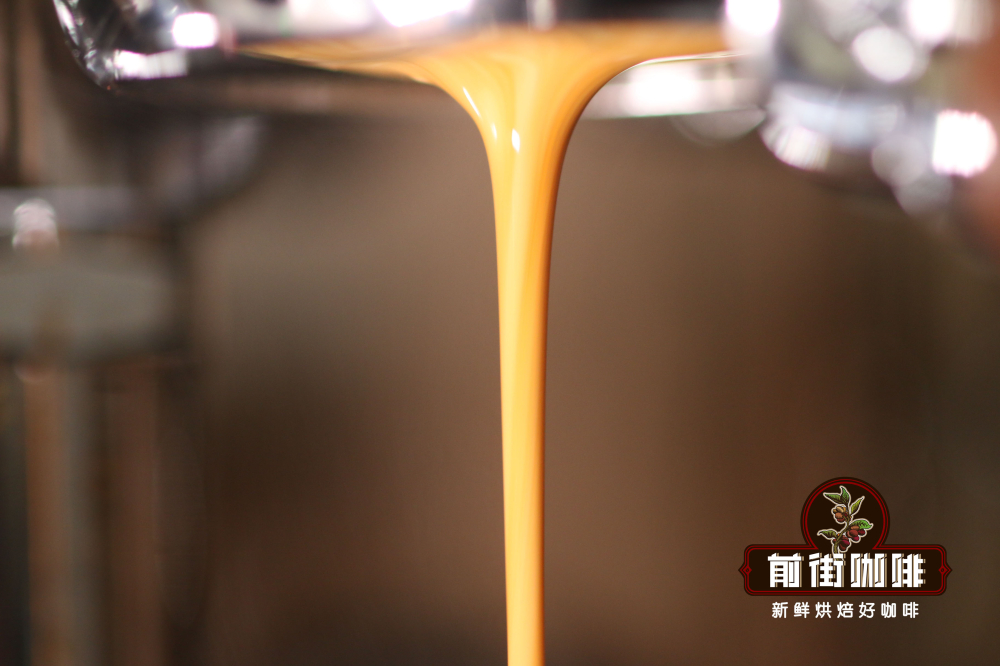
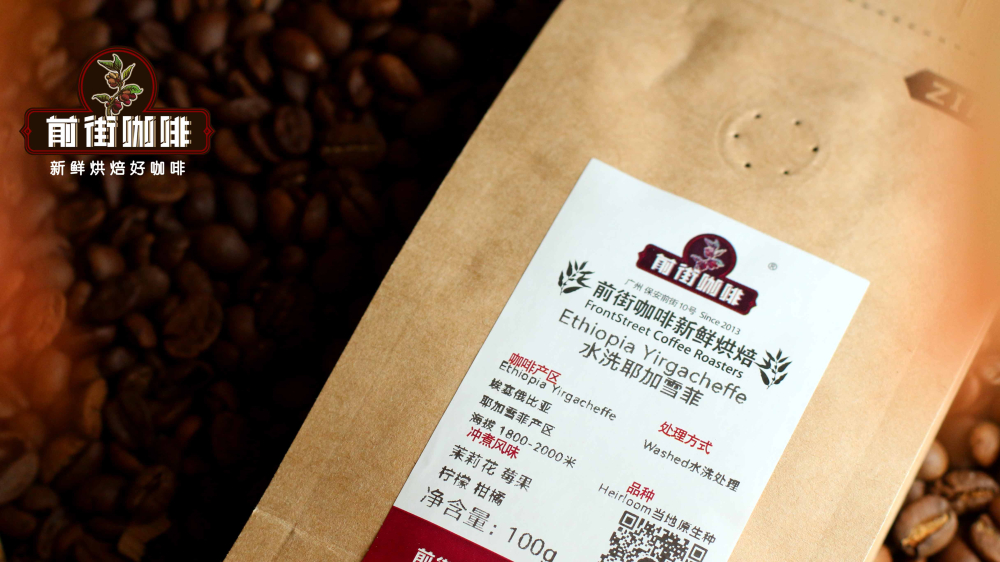
However, the espresso extraction principle involves using nearly boiling hot water at high pressure — around 9 bar — to force the coffee essence out through a tightly packed puck of fine grounds. This high-pressure extraction significantly amplifies the inherent flavor characteristics of the beans. For instance, when Ethiopian Yirgacheffe is used as an SOE, its bright citrus notes may become overly sour and astringent under high pressure; meanwhile, Indonesian Mandheling, if used as an SOE, will have its distinctive herbal and earthy tones intensified, possibly resulting in a bitter, medicinal-tasting espresso. Although SOEs can highlight regional features, they demand extremely precise control over roast levels — too light may lead to unbalanced acidity, while too dark may mask the original flavors. Brewing a satisfying SOE is not an easy task.
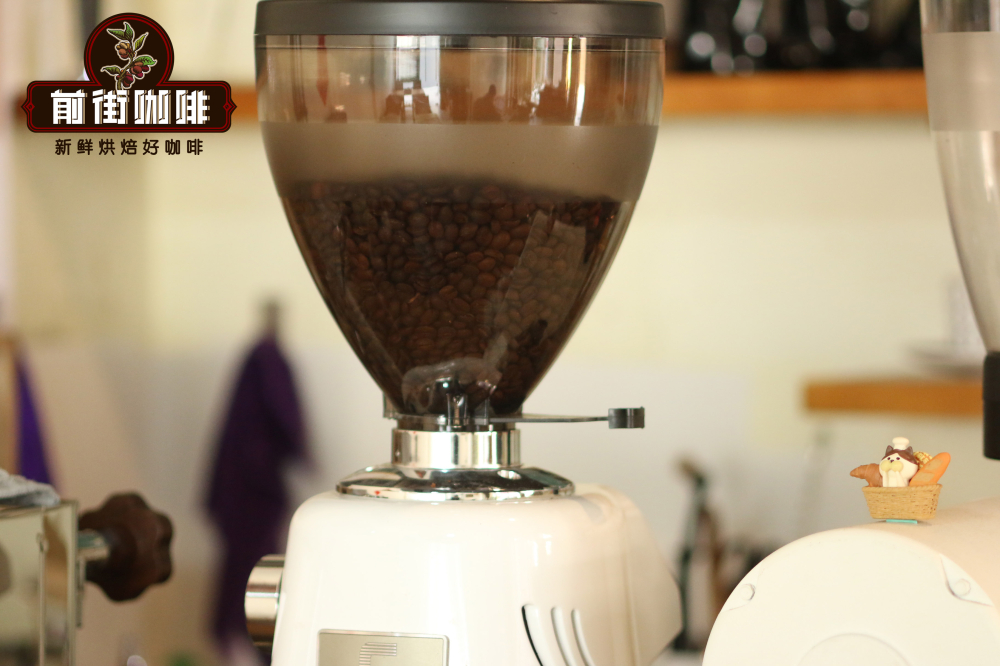
To achieve the ideal flavor profile of balanced acidity and bitterness with a rich mouthfeel, espresso blends are typically chosen. Blending involves combining two or more types of beans from different regions, varieties, or processing methods in specific proportions. This complementary mix creates a stable and layered taste. For example, when designing espresso blends, the goal is to balance sweetness, acidity, bitterness, aroma, and body, ensuring consistent performance with every extraction — making it very beginner-friendly. If you’re after a rich crema and body, go for a classic blend; for balanced flavors, try the Dark Cocoa blend; if floral and fruity notes appeal to you, the Strawberry Sugar espresso is also a great option. Moreover, baristas adjust extraction parameters slightly based on daily humidity and temperature. For example, using a Galileo Q18 grinder at grind size 1.5, 19.7 grams of coffee, extracted for 30–32 seconds with a Lelit Bianca V3 to yield 38–40 grams of espresso. For an Americano, add 160 ml of hot or iced water at a 1:4 ratio; for a latte, use a 1:5 ratio with 200 ml of fresh milk to create a smooth and silky texture.
Many coffee enthusiasts primarily enjoy espresso but occasionally try pour over. So, can espresso blends be used for pour over? The answer is yes. Since blend beans already have a balanced flavor profile, adjusting parameters according to roast level can still yield surprisingly enjoyable results. Take the Warm Sunshine Blend as an example — it is a medium-to-dark roast, and the following parameters are recommended for pour over: use a KONO dripper, water temperature at 88°C, 15 grams of coffee, a 1:15 coffee-to-water ratio, and a grind size passing 80% through a standard Chinese No. 20 sieve. In practice, start with a 30-second bloom using 30 grams of hot water, then pour slowly in small circles from the center out to 125 grams for the first pour. When the water level is about to expose the coffee bed, continue pouring in circles up to 225 grams. The total extraction time is approximately 2 minutes. Because this blend is darker roasted, the internal bean structure is looser with higher gas content, so it’s recommended to let it degas for 4–7 days before brewing to stabilize the flavor. The blooming process helps release CO₂ from the coffee grounds, thereby improving the efficiency of flavor extraction.
Using the above parameters to pour over the Warm Sunshine Blend will typically result in a flavor that is well-balanced between acidity and bitterness, with a rich and layered mouthfeel — making it an excellent choice for transitioning from espresso blends to pour over. Whether you’re a beginner or a seasoned coffee enthusiast, these practical parameters and principles will help you explore the joys of different brewing methods with more confidence.
The above content is compiled by CoffeeHunters, a coffee news website.


