








Introduction:Espresso is the soul of Italian coffee and the base for many classic drinks such as lattes and cappuccinos. This article delves into the definition of espresso, explores the four key extraction elements—high pressure, high temperature, speed, and fine grind—and explains how to use scientific parameters and practical techniques to consistently extract a concentrated coffee with a golden crema. It also provides useful details to help readers master essential skills, whether in a café or at home, to improve extraction quality.
Espresso is the most fundamental yet core form of drink in the Italian coffee system, and the essence behind many classic coffees such as lattes, mochas, and cappuccinos. This concentrated coffee, extracted quickly under high pressure, not only defines the flavor profile of modern Italian coffee but also lays the foundation for subsequent milk-based drinks. Starting from the definition, this article will gradually break down the extraction principles of espresso and detail the four key factors: pressure, water temperature, time, and grind size, to give you a comprehensive understanding of how to make a standard and flavorful espresso.
Espresso refers to a concentrated coffee liquid that is quickly extracted using hot water under high pressure in an extremely short time (typically 20 to 30 seconds). Its most distinctive feature is the layer of golden, fine foam on the surface—crema. This crema is not only a visual indicator of successful extraction but also carries a rich array of aromas and taste layers, adding depth to the overall flavor of the coffee. Compared to other brewing methods, espresso is more intense and concentrated, making it an indispensable base for many coffee drinks.

According to the standards of the Specialty Coffee Association (SCA), a standard double shot of espresso typically uses 14 to 18 grams of coffee grounds, extracted under 9 to 10 bars of pressure, with water at 90 to 96°C, in 20 to 30 seconds to produce 25 to 35 grams of coffee liquid. However, in practice, different cafés may make slight adjustments based on the characteristics of the coffee beans used and the condition of their equipment. The success of espresso extraction mainly depends on the following four core elements: stable high pressure, appropriate high temperature, quick extraction time, and extremely fine and uniform coffee grind size.
First, let’s talk about high pressure. One of the most defining features of espresso is the use of high pressure (typically 9 to 10 atmospheres, some commercial machines can reach 11 bar) to quickly extract soluble substances from the coffee. This pressure forces hot water to rapidly penetrate the coffee grounds, effectively extracting flavor compounds and oils, resulting in a rich and layered coffee liquid. Insufficient pressure can lead to incomplete extraction and weak flavor; conversely, too much pressure may cause over-extraction, resulting in burnt bitterness and unpleasant tastes.
The second element is water temperature. The water temperature required for espresso extraction generally needs to be maintained between 90 and 96°C to steadily release the coffee’s aroma and flavor. Practical experience shows that keeping the water temperature around 94°C helps balance acidity and body, making the coffee’s performance smoother. Water temperatures that are too high or too low can both lead to flavor imbalances—for example, high temperatures can cause burnt bitterness, while low temperatures may make the coffee taste thin and overly acidic.
The third key factor is fast extraction. The original Italian meaning of the word “espresso” itself implies “fast,” and the ideal extraction time should fall between 20 and 35 seconds. If the extraction time is less than 20 seconds, the coffee often tastes too thin and lacks depth; if it exceeds 35 seconds, over-extraction is likely to occur, producing noticeable burnt bitterness and unpleasant off-flavors. In practice, most cafés aim to control the extraction time between 26 and 30 seconds to achieve the best balance.
Finally, grind size is crucial. Due to the short extraction time, the coffee grounds must be ground extremely fine and uniformly to ensure that flavors are fully released within a short period. This requires using a grinder specifically designed for espresso to achieve the right fineness and flow rate. If the grind is too coarse, water flows too quickly, leading to under-extraction; if it’s too fine, it may cause channeling, affecting extraction uniformity.
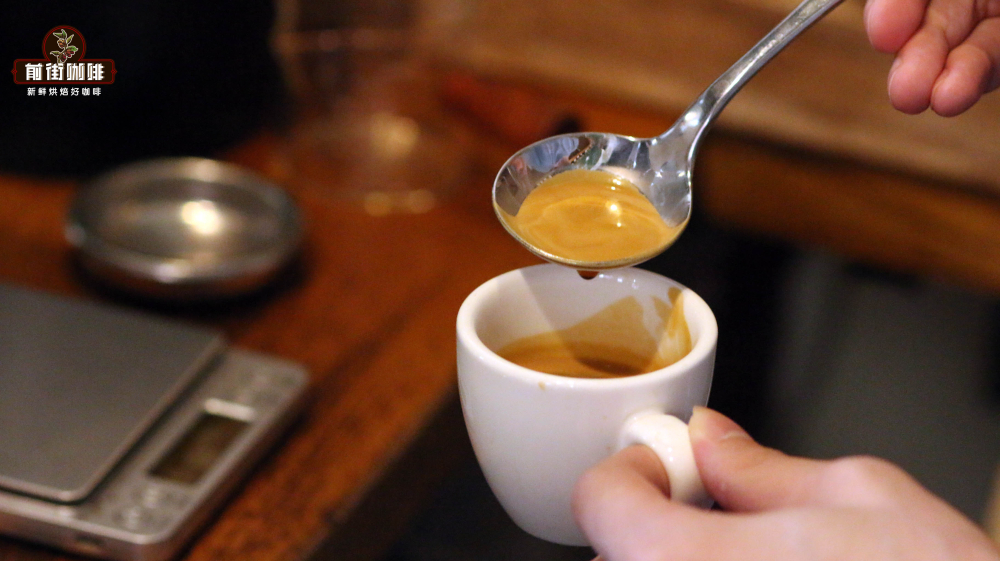
To extract an ideal espresso either at home or in a café, in addition to mastering the above four elements, it’s also important to pay attention to some practical details. First is the freshness of the coffee beans. Freshly roasted coffee beans can release abundant carbon dioxide, which during high-pressure extraction helps form a fine and dense crema. It is recommended to use coffee beans roasted within 5 days, and to allow them to degas appropriately (generally medium to dark roasts require about 7 to 10 days) to bring the beans to their optimal extraction state.
During actual extraction, it is recommended to use a double-shot portafilter with about 18 to 20 grams of coffee grounds, and to base the extraction on a 1:2 coffee-to-water ratio (for example, 20 grams of coffee grounds yielding 40 grams of coffee liquid). The extraction time should be controlled between 28 and 30 seconds; being too short or too long may affect the flavor. In addition, pre-extraction preparations should not be overlooked, including ensuring the portafilter is dry, distributing the grounds evenly, tamping firmly, and pre-wetting the group head for 1 to 2 seconds to clean it—all of which are key steps affecting the final result.
The flavor profile of espresso is closely related to the coffee bean blend used. Taking common blends as an example, many cafés opt for medium to dark roasts to enhance body and crema performance, suitable for pairing with milk or as the base for Americano. A well-extracted espresso should have a solid mouthfeel, rich aroma, and a long-lasting, delicate crema. When these elements are balanced, whether enjoyed on their own or as the base for other drinks, they can demonstrate exceptional quality.

In summary, the key to making a high-quality espresso lies in understanding and controlling the four essential elements—pressure, water temperature, time, and grind size—and combining them with the characteristics and freshness of the coffee beans. Through a stable operational process, one can extract a concentrated coffee that is flavor-balanced, full-bodied, and features an enchanting crema. Whether you are a coffee enthusiast or a professional, mastering these basic principles and practical details will enable you to go deeper and further in the world of espresso.
The above content is compiled by CoffeeHunters, a coffee news website.


