







Introduction:Indonesian aged Mandheling and Indian monsooned beans are both types of coffee that develop unique flavors through long-term storage or special climatic conditions, yet they differ greatly in processing logic, flavor profiles, and storage methods. This article delves into their origins, the transformation of green beans, key roasting parameters, and tasting characteristics to help you accurately grasp the core differences and selection essentials of these two specialty coffees.
In the world of coffee, some flavors do not stem solely from the soil or variety of a single origin, but rather from the joint shaping of time and environment. Indonesian aged Mandheling and Indian monsooned coffee (also known as monsoon coffee) are such examples — both have accidentally developed distinctive taste profiles due to special storage or transport conditions, yet their processing methods and final flavor presentations are vastly different.
Aged Mandheling, through prolonged warehousing and maturation, gradually weakens its originally sharp fruit acidity and develops a richer mouthfeel along with a honey-like sweetness; whereas Indian monsooned coffee leverages the monsoon climate of the Malabar Coast, where green beans expand in high-humidity air, acidity is reduced, and ultimately a warm profile of nuts and grains emerges. These two coffees not only represent distinct coffee cultures from Southeast and South Asia but also offer enthusiasts a unique path to explore flavor depth.
[Aged Mandheling: Richness Refined by Time]
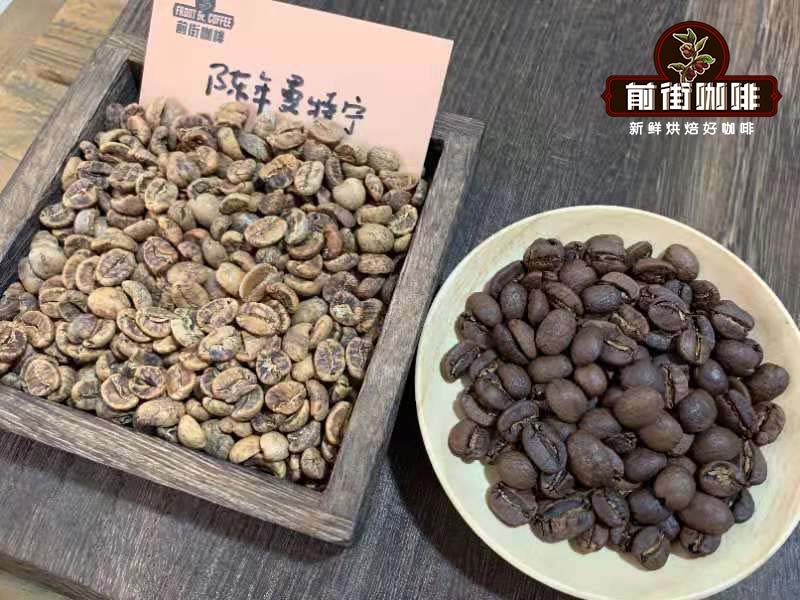
Mandheling coffee beans have long been regarded as representative of Indonesian coffee, with their intense chocolate and nutty tones plus a full body making them stand out among many coffees. Aged Mandheling, on the other hand, undergoes a human-controlled extended warehousing process that further transforms it into a more complex flavor profile.
The essence of the aging process is to store green coffee beans under specific warehouse conditions, aiming to soften the acidity gradually and impart a more mellow aged aroma. Similar to wine, the green beans require strict monitoring and prolonged storage (typically 24 months) to be truly called 'aged coffee.' Throughout this process, Mandheling’s initially sharp fruit acids become mellow and smooth, while the body and unique sweetness (such as honey notes) become more pronounced, delivering a stunning tasting experience.
Coffee farmers prioritize selecting high-quality green beans and regularly turn the beans during storage to ensure even ventilation and prevent dampness and mold. This process is not only labor-intensive but also places high demands on environmental control — the storage environment must maintain stable temperature and humidity to avoid bean spoilage. It’s worth noting that true aged beans are not defective products stored for too long due to poor sales, but rather premium beans processed according to standard procedures at origin, hence bearing clear vintage markings.

Early-aged flavors actually originated from shipping limitations. In the era when steamships were not yet widespread, transporting coffee from Indonesia to Europe took several months. The lengthy sea journey naturally dried the green beans and exposed them to sea breezes, thereby developing special flavors. After modern shipping shortened transit times, this flavor instead became a specialized treatment for a distinctive coffee.
The comparison between aged beans and fresh beans has no absolute superiority or inferiority, primarily depending on personal preference. Most coffees are indeed better when fresh, but aged beans belong to a special treatment method, just as decaffeinated coffee also has its own unique flavor direction. Correctly aged beans will undergo changes such as reduced acidity, darker color, and thicker mouthfeel during storage, and even original green bean defects (like slight off-flavors) may become less noticeable. However, aged beans often carry complex aromas resembling leather, burlap, or slight mustiness, which are natural manifestations of their maturation process.
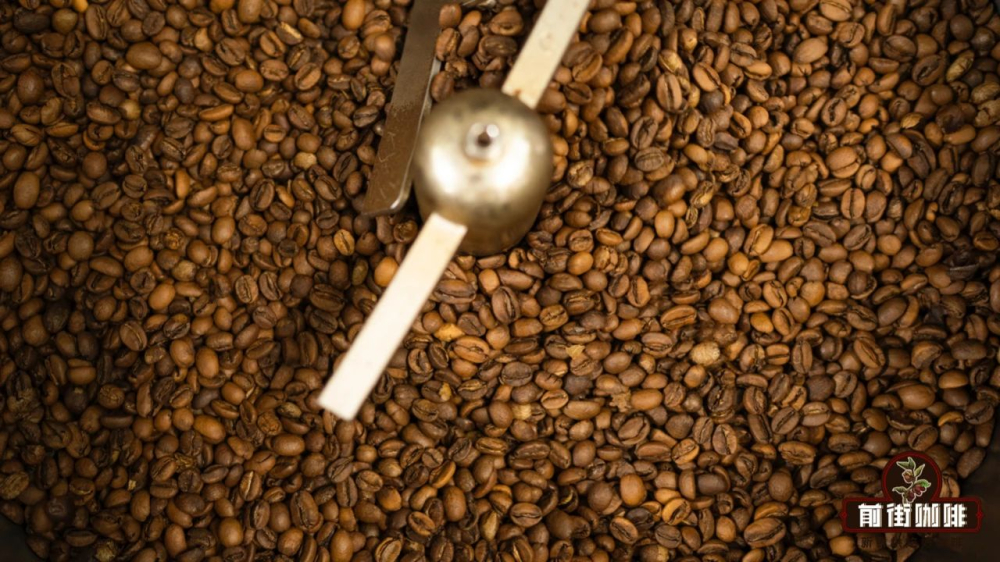
When roasting aged Mandheling, special attention should be paid to adjusting the heat due to the beans’ high density and low moisture content.It is recommended to use medium-dark roasting as the main approach, with an entry temperature of about 200°C, initial heat at 160°C, and multiple fine adjustments throughout to avoid over-roasting the surface oils.Roasted aged Mandheling shows significantly reduced acidity, a rounded mouthfeel, and more pronounced sweetness and body, making it suitable for drinkers who prefer a strong flavor profile.
[Indian Monsooned Beans: Nutty and Grainy Notes Shaped by Monsoon]
Unlike aged Mandheling, the flavor of Indian monsooned coffee (Monsooned Coffee) originates from the unique climate of India’s Malabar Coast. This coffee’s creation also stems from historical transport conditions — in the 17th to 18th centuries, coffee green beans were shipped from India to Europe via sailing ships. During the six-month voyage, the beans absorbed high humidity and saltiness from the sea, expanded in volume, turned golden yellow, experienced a significant drop in acidity, and unexpectedly developed rich nutty and grainy flavors.
The main production area for monsooned coffee is the Malabar Coast in southern India, at an altitude of about 1100–1200 meters. Varieties grown locally include Kent, S795, Catimor, etc., and the processing method relies on the natural monsoon environment. From May to September each year, the southwest monsoon brings highly humid air. Coffee farmers spread sun-dried beans in monsooning facilities (about 12–20 cm thick) and regularly rake them to ensure each bean is evenly exposed to moist air.
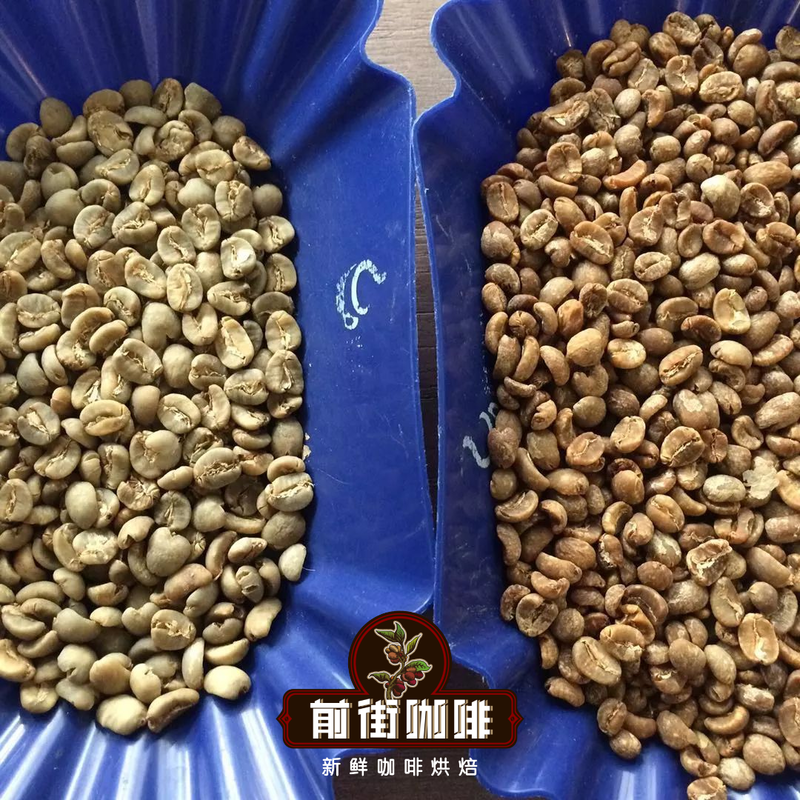
These beans are then loosely packed into burlap sacks and stacked to allow the monsoon air to penetrate the bags. Monsooning facilities are usually oriented westward to greet the southwest monsoon winds. After about 12 to 16 weeks of processing, the beans’ color changes from green to golden yellow, their volume expands by more than double, acidity drops significantly, and weight and density decrease accordingly (with a moisture content of about 13%). During the process, the beans need to be repacked weekly to ensure ventilation and prevent mold.
After monsooning, the beans also undergo smoke treatment to drive away weevils and are manually sorted to remove defective beans that were not sufficiently affected by the monsoon. Ultimately, these golden beans are cupped, graded, and packaged to become premium ingredients for blended coffee — their rich mouthfeel and low-acid characteristics can add viscosity and a tea-like sensation to blends.
When roasting monsooned beans, since their bean density is slightly lower than that of regular green beans,it is recommended to use medium heat for roasting, with the yellowing point around 4 minutes and 50 seconds, followed by reducing the heat and opening the air vent to enter the Maillard reaction. Maintain stable heat at first crack (around 184.4°C), and roast for about 2 minutes and 30 seconds after first crack before dropping the beans.Roasted monsooned beans exhibit distinct nutty, grainy, and slight sea-salt aromas, suitable for drinkers who enjoy warm-toned and low-acid profiles.
Whether it’s aged Mandheling or Indian monsooned coffee, both showcase the profound impact of time and environment on coffee flavor. Understanding the characteristics of these two processing methods can not only help you choose your desired coffee more precisely but also allow you to more deeply appreciate the stories and craftsmanship behind each cup.
The above content is compiled by CoffeeHunters, a coffee news website.


