







Introduction:The Huacai coffee is a standout natural-processed offering from Ethiopia’s Sidama region, renowned for its intense floral and fruity aromas as well as honey-like sweetness. This article delves into its naming origin, the background of the rare Hambella subregion, the characteristics of the Heirloom heirloom variety, the natural processing method, and provides detailed recommendations on pour over brewing techniques and bean resting tips — helping you fully grasp the key brewing points and flavor profile of this popular coffee bean.
As the birthplace of Arabica coffee, Ethiopia’s unique geography and climate have nurtured numerous coffee varieties rich in flavor. Among these, the natural processing method imparts particularly bold fruitiness and rich sweetness. As a star bean from the Sidama region, Huacai has won the hearts of coffee lovers worldwide with its vibrant fruity and floral notes and honeyed finish. This article will comprehensively explore the sources of this beloved natural coffee’s charm — from regional background and varietal traits to processing craftsmanship, along with pour over suggestions and storage details.
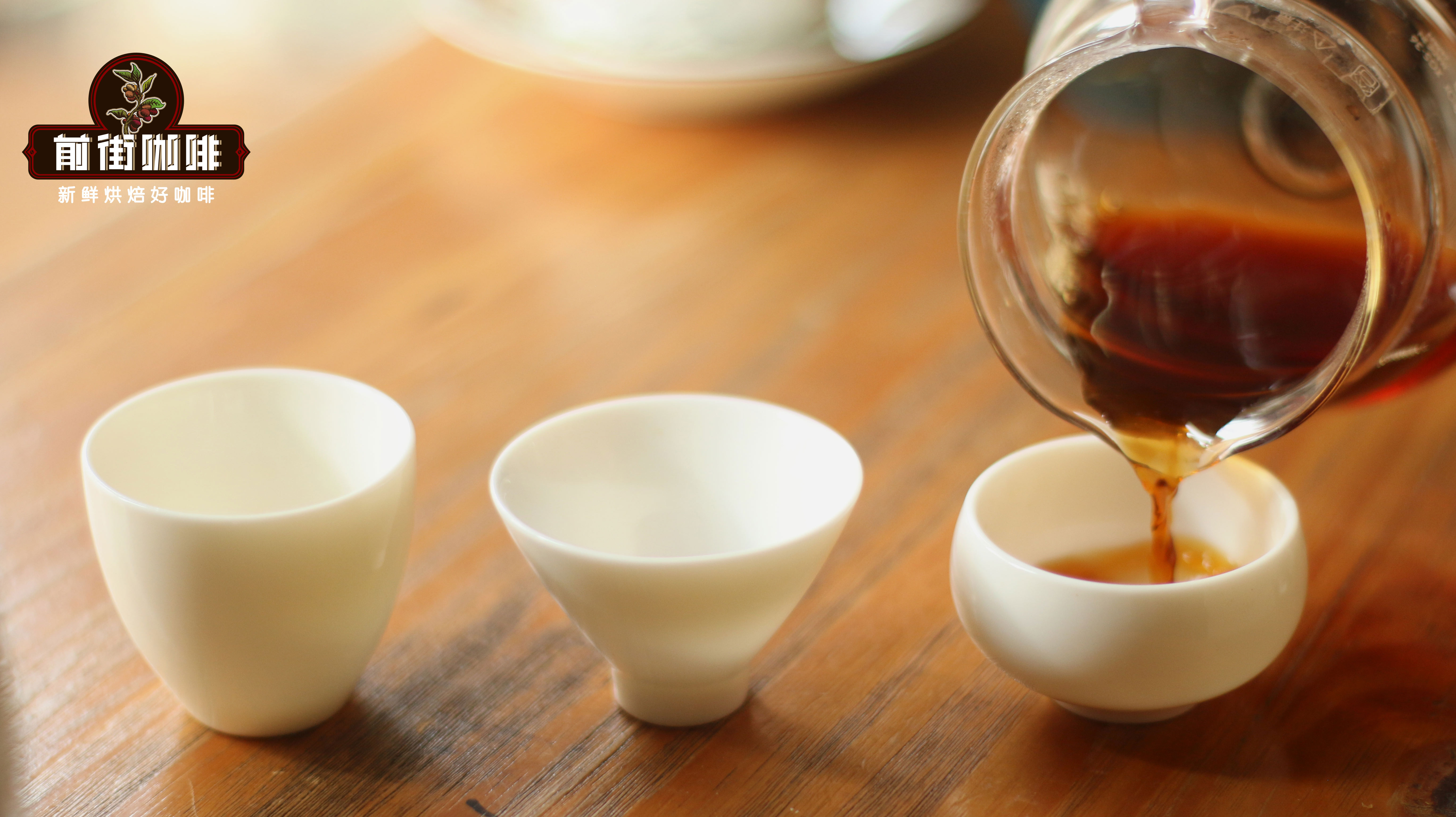
Ethiopian coffee is widely celebrated for its fruity, floral, and bright acidity profiles, with flavors as refreshing as fruit tea. Among them, the natural Huacai takes these qualities to the extreme: it greets the palate with intense sweet and fragrant notes, develops diverse fruit tones in the mid-palate, and ends with a lingering honey-like sweetness, as if wandering through a tropical orchard. With its rich flavor layers, it is ideal for those who enjoy coffee with pronounced fruitiness and outstanding sweetness.
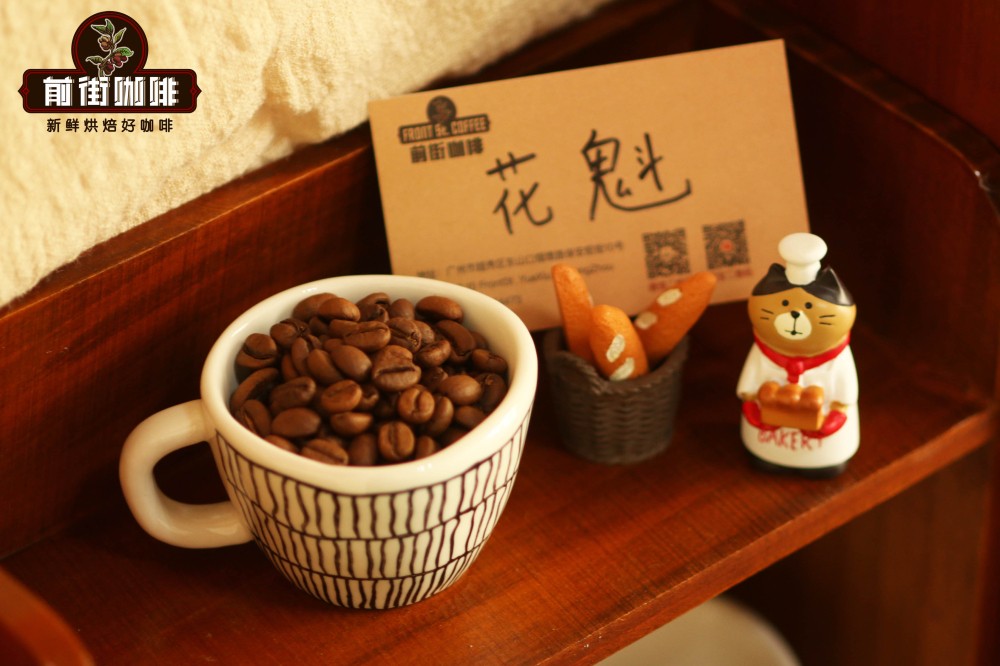
When mentioning Huacai, many people think of the Sidama region, but in fact, this coffee’s true origin is the tiny Hambella subregion under Sidama, part of the larger Djimmah area. In 2017, Ethiopia’s DW coffee bean company submitted a batch of natural-processed beans to the TOH (the Taste Of Harvest) competition. That particular lot won the Ethiopian national championship, after which it was named “Huacai.” The winning beans were then imported by China’s Beijing-based Hongshun Company, which also retained the same name, sparking the market boom for Huacai.
It’s worth noting that the international market often refers to this coffee as “Hambella,” and only the natural G1-grade beans processed at the Buku Abel washing station are officially recognized as the genuine “Huacai.” This washing station is located in Dimtu town and is the true core source of this coffee. As Huacai’s popularity soared, DW expanded its operations in the Hambella area by building multiple processing stations in villages such as Buku Saysay, Haro Soresa, Tirtiro Goye, and Seke Bokosa — all dedicated to natural processing — thereby significantly increasing supply.
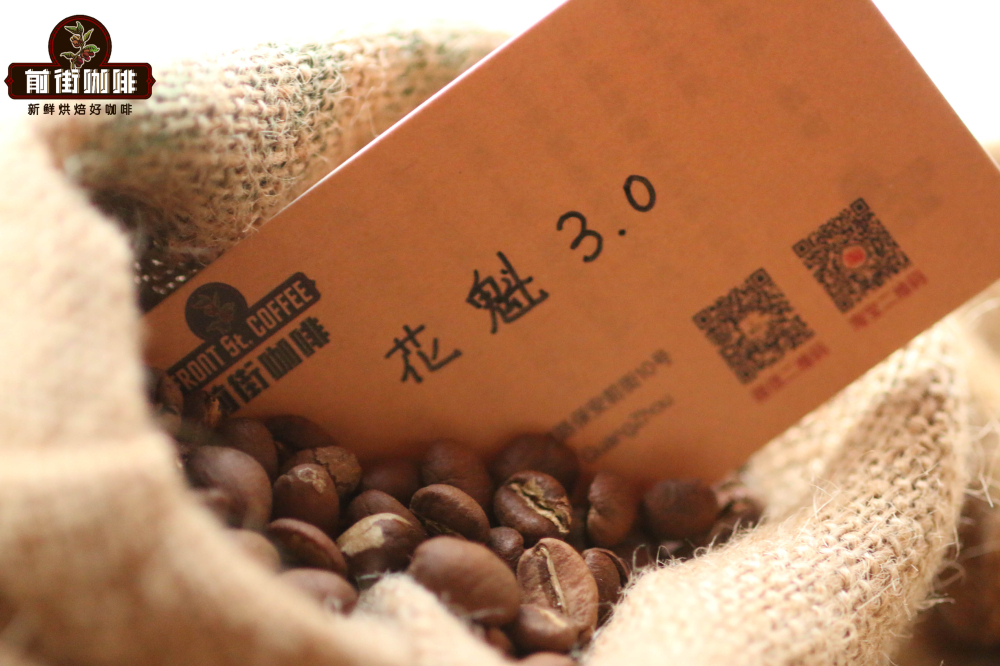
Since 2018, although the raw material sources and processing stations have remained unchanged, some Huacai batches have shown subtle differences in flavor, especially in body and aftertaste compared to the original. To distinguish between different vintages, domestic traders adopted an “X.0” numbering system — for example, 2018 became “Huacai 2.0,” 2019 became “Huacai 3.0 and 3.1,” and so on. The latest commercially available version is “Huacai 7.0,” and consumers can identify the vintage by the number.
The Sidama region, neighboring Yirgacheffe, is another renowned origin of premium Ethiopian coffee. Its varied terrain features elevations ranging from 1400 to 2000 meters, and differences in soil and microclimate give each area’s coffee a distinct personality. In 2006, Sidama was at the center of a trademark dispute with Starbucks, which was ultimately resolved by withdrawing the application and reaching a cooperation agreement. Administratively, Ethiopia uses a four-tier structure of Region, Zone, Woreda, and Kebele, which helps precisely trace the origin of its coffee.
The Heirloom variety to which Huacai belongs is a collective term for Ethiopia’s unique “native varieties.” Since most local smallholder farmers practice traditional mixed planting, the varieties grown often lack clear categorization — they may be genetically linked to historical strains, introduced from nearby regions, or intercropped with other crops. Therefore, Heirloom is essentially a blend of multiple varieties, with beans varying in size and shape, making it a classic multi-origin mix. This diversity also contributes to Huacai’s complex and layered flavor profile.
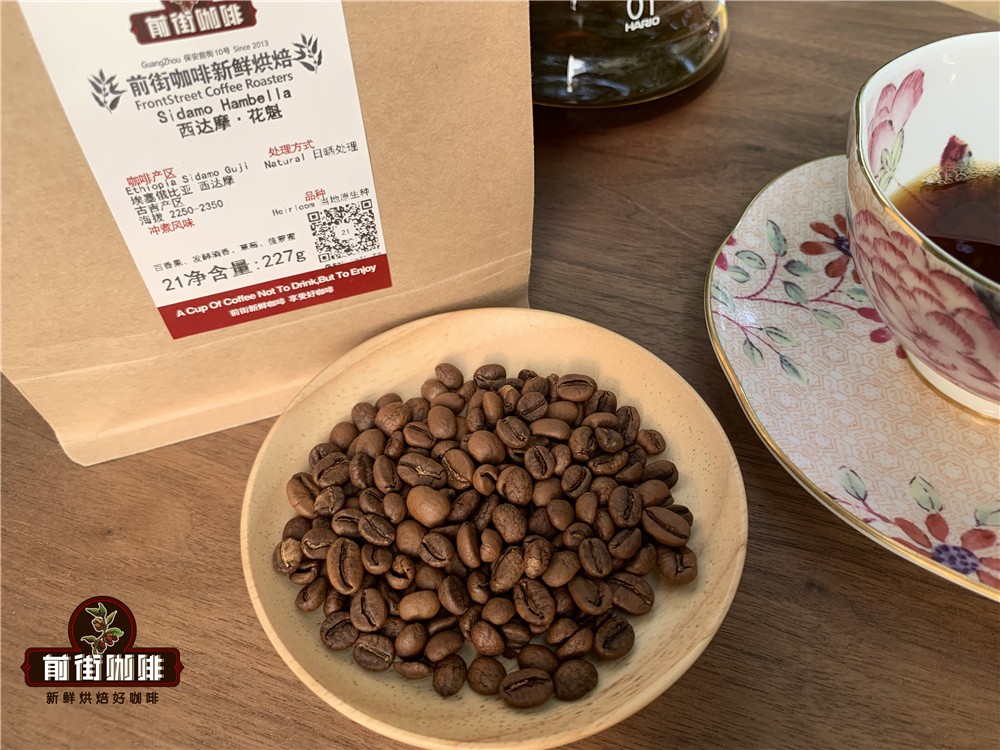
Ethiopia’s coffee grading system was previously managed by the ECX (Ethiopia Commodity Exchange), which rated beans based on the number of defects. Under this system, G1 is the highest grade, indicating minimal defects and superior quality. The Huacai natural G1 offered here is grown at elevations of 2200 to 2500 meters. In addition to pronounced floral and fruity notes, it also boasts aromas of peach and rose, with a tea-like, smooth finish and a sweet taste that lingers delightfully.
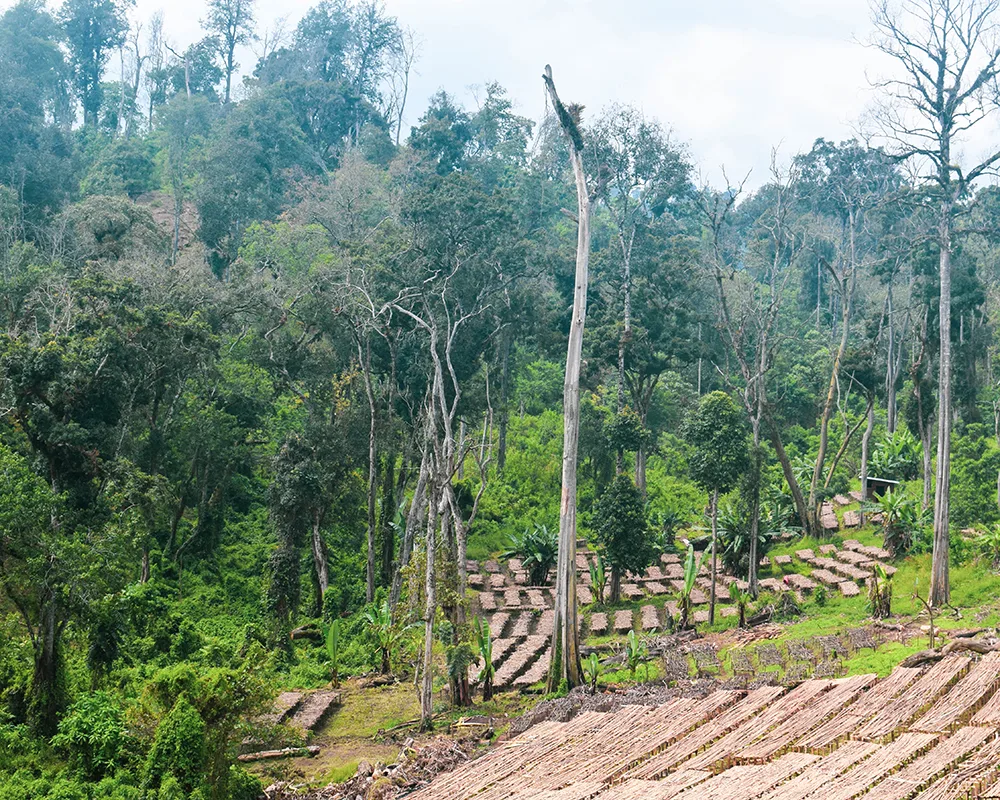
Huacai coffee is processed using the traditional natural method, one of the oldest ways of preparing coffee. Early natural processing methods often led to contamination and off-flavors due to drying beans directly on the ground, but modern techniques have greatly improved. The Sidama natural process is meticulous: only ripe red cherries are selected, and defective ones are hand-picked out before the coffee fruit is evenly spread on raised African beds. The process requires daily turning to ensure even drying and regular removal of substandard beans. Once the fruit is fully dried, the pulp is removed mechanically, followed by a final screening to ensure the quality of the green beans.
Compared to washed processing, the natural method retains more sugars from the fruit pulp, thereby enhancing the coffee’s sweetness and aroma complexity. While washed processing can highlight clearer terroir characteristics, natural processing gives Huacai bolder fruit flavors and a fuller body, making it a top choice for many pour over enthusiasts.
To fully experience Huacai’s flavor potential, choosing the right pour over parameters is crucial. It is recommended to use a V60 dripper, with a water temperature of 90°C, a brew ratio of 1:15, around 15 grams of coffee, and a medium-fine grind (approximately 80% through a #20 Chinese sieve). The V60’s flow design helps control extraction time and avoid over-extraction, while fully showcasing Huacai’s layered aromas. When pouring, it is suggested to spiral from the center outward, maintaining a steady flow rate and even extraction.
The freshness of Huacai coffee greatly impacts its flavor. It is recommended to choose beans roasted within 5 days and allow them to rest for 4 to 7 days upon arrival to let the coffee degas and reach optimal balance. If grinding your own, grind just before brewing to avoid oxidation affecting the flavor. For whole beans, it’s best to grind and brew immediately to fully enjoy its vibrant fruitiness and honeyed sweetness.
Besides Huacai, there are many other premium Ethiopian coffees worth trying from various regions, such as Yirgacheffe’s natural Red Cherry, Kochere, and Chelchele — each showcasing unique terroir characteristics and inviting deeper exploration of coffee’s diverse flavors.
The above content is compiled by CoffeeHunters, a coffee news website.


