







Introduction:The Huila region of Colombia is renowned for its stable flavor profile and high quality, making it a top choice for many coffee enthusiasts trying pour over for the first time. This article delves into the geographic environment and coffee characteristics of the Huila region, analyzes how washed processing highlights a clean and bright taste, and provides professional roasting curves and V60 pour over parameters to teach you how to easily extract a balanced cup at home with notes of nuts, dark chocolate, and caramel sweetness.
Latin American coffee often gives the impression of being rich, full-bodied, and ending with caramel and chocolate notes, and Colombian coffee is a standout among them. It not only has a bright and clear acidity but also offers moderate sweetness and a full body. In particular, coffee from the Huila region stands out for its stable quality and unique flavor, making it a popular entry point for many pour over enthusiasts.
Colombia’s coffee-growing history dates back to the early 18th century when Spanish missionaries brought coffee seeds to the region. The first successful trials were carried out in the northeastern area. However, due to the long wait required before harvest during the early stages of planting, many farmers were initially uninterested. It wasn’t until a priest named Francisco Romero strongly promoted coffee, emphasizing its economic potential, that the situation gradually turned around. In 1835, Colombia exported coffee for the first time—although the quantity was only 25.6 million bags, it laid the foundation for what would become the future coffee kingdom.
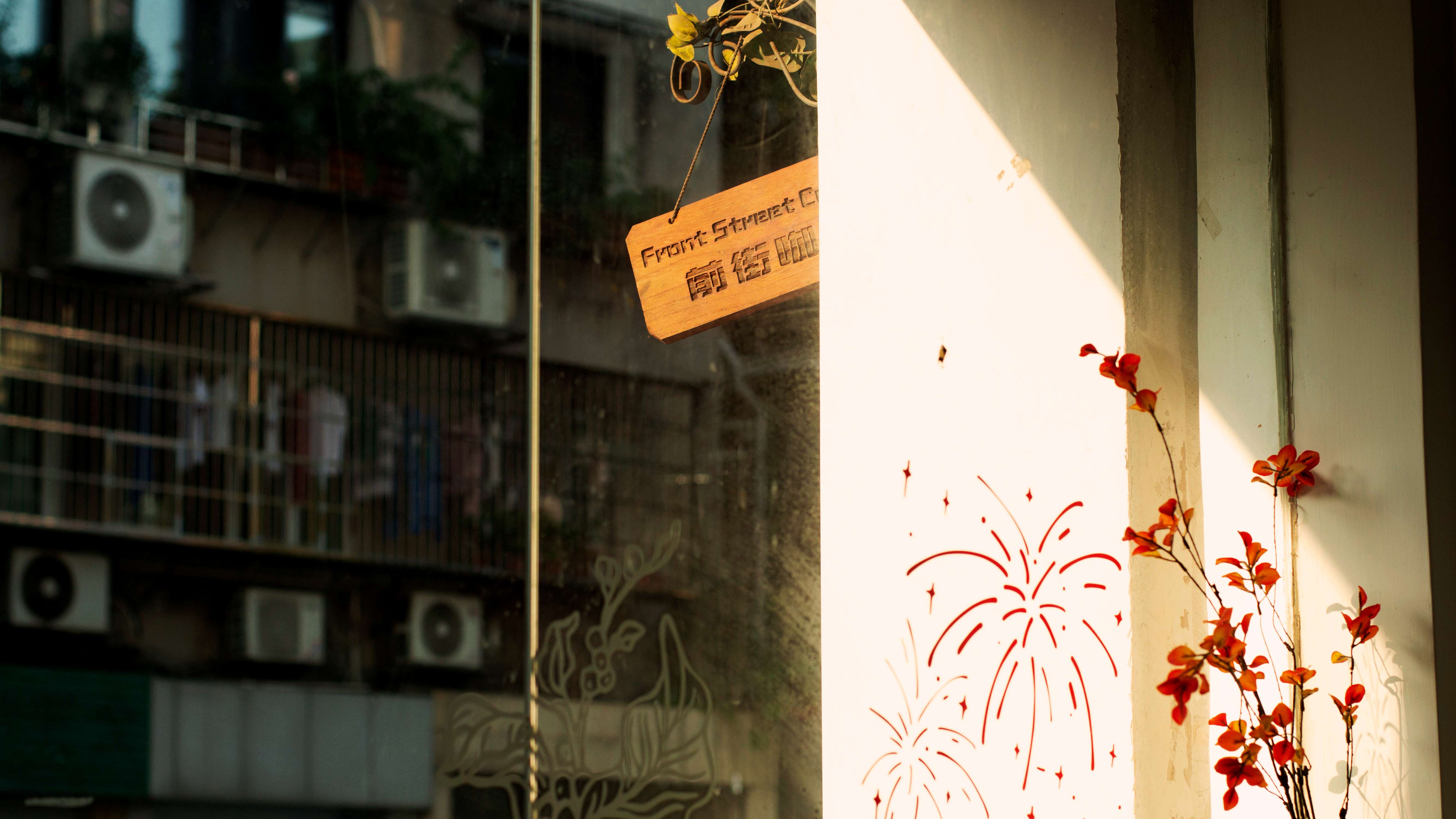
In 1927, the Colombian Federation of Coffee Growers (FNC) was established, significantly enhancing the organization and international visibility of the coffee industry. In 1938, the government further set up the Cenicafé research institute, dedicated to improving coffee quality and yield through agricultural technological advancements. To this day, Colombia remains the world’s third-largest coffee producer, and its stable, recognizable flavor has long been a mark of quality assurance in the market.
The reason Colombian coffee is so highly regarded lies in its balanced acidity and sweetness, rich aroma, and long-lasting aftertaste. Whether enjoyed as a single origin or used as a base in blends, it showcases unique regional characteristics. Its plump beans, mature processing methods, and diverse microclimates result in a wide range of expressions, from fruity to nutty profiles.
Colombia’s coffee regions are widespread, among which the “MAM” trio of traditional regions—Medellín, Armenia, and Manizales—are the most famous. However, when it comes to specialty coffee, southern regions such as Huila, Cauca, and Santander stand out due to their higher altitudes, typically above 1,500 meters, producing coffee with greater complexity and layers.
Huila Regionis one of the most representative specialty coffee areas in southern Colombia. Its terrain is mainly hilly and mountainous, with planting altitudes generally exceeding 1,500 meters. The cool and humid climate, along with abundant rainfall and fertile black soil, provides an ideal growing environment for coffee trees. The coffee here not only features clear flavors but also exhibits a high degree of consistent quality, making it a long-term partner for many roasters and baristas.
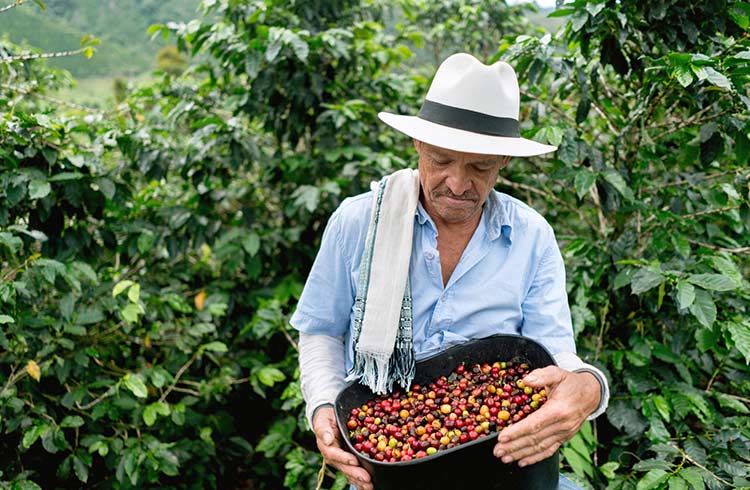
A certain coffee brand uses Huila region coffee beans that areof the Caturra variety, processed viawashed processing, resulting in a clean, bright acidity and delicate sweetness. Washed processing effectively removes impurities caused by fruit fermentation, allowing the inherent flavors of the coffee to shine through—making it especially suitable for drinkers who prefer a crisp structure and well-defined layers.
This Huila washed coffee beanis grown at an altitude between 1,500 and 1,800 meters, with plump beans and high density. To fully bring out the aromas of nuts, dark chocolate, and caramel, the roaster specially adjusted the roasting curve. By extending the development time after first crack, controlling heat and air vent settings, the beans were eventually dropped at202°C and 3 minutesto preserve the delicate sweetness and full body of the beans.
During the roasting process, the drum temperature wasset at 185°C when the beans were loaded, with the air vent set to 3. The turning point occurred at approximately1 minute and 32 seconds at 98.6°C. Subsequently, the air vent and heat were adjusted step by step. At140°C, the air vent was opened to 4, andat 192°C, the heat was reduced to 80 while the air vent was fully opened to 5, to promote even dehydration and Maillard reactions. Once obvious wrinkles and color changes appeared on the bean surface, first crack began at9 minutes and 15 seconds, followed bya 3-minute development time, and the roasting was completed at202°C.
To recreate this professional-grade flavor profile at home, it is recommended to use aV60 dripperfor pour over. The V60’s 60-degree conical design, paired with spiral ribs, effectively enhances airflow and filtration speed, helping to extract a clear and bright layered taste.
Recommended parameters are as follows: use15 grams of coffee grounds,ground to approximately EK43s setting 10 (equivalent to the size of fine sugar, or 80% passing through a #20 sieve),with water temperature controlled at 90–91°C,and a coffee-to-water ratio of 1:15.
Recommended pour over steps: start by pouring30 grams of hot water for a 30-second bloom, then pour95 grams of water (totaling about 125 grams), completing this within about 1 minute. When the water level drops to two-thirds of the coffee bed, pour another100 grams of water (totaling about 225 grams), finishing within about 1 minute and 40 seconds. Keep the total extraction time to around2 minutes, then remove the dripper and enjoy.
After brewing, this Huila washed coffee typically showsthe richness of nuts, the depth of dark chocolate, along with soft fruity acidity in the mid-palate and a pronounced caramel sweetness. The overall flavor is balanced and layered, making it perfect for daily drinking or as an introductory choice for getting to know Colombian coffee.
The above content is compiled by CoffeeHunters, a coffee news website.


