








Introduction:Indonesian Mandheling comes in a diverse family of varieties, ranging from the classic Golden Mandheling to the rare Aged Mandheling, each with its own unique flavor profile and processing characteristics. This article delves into the origins of the name "Mandheling" and its connection with the PWN company, analyzes the rigorous selection process and the significance of the factory certificate for Golden Mandheling, and compares it with Blue Mountain coffee in terms of flavor expression and roasting styles. Finally, it offers drinking recommendations tailored to different coffee enthusiasts to help you find the Mandheling that suits you best.
Mandheling can be said to be Indonesia’s most representative coffee offering, but in reality, this name encompasses several distinct types of beans. In specialty coffee shops, you’ll commonly find five popular options: Golden Mandheling, Tiger Mandheling, Aged Mandheling, Lintong Mandheling, and Wahana Estate Natural Mandheling. This article will take you through the origins of the name “Mandheling” and its association with the PWN company, explain why Golden Mandheling undergoes strict selection and comes with a factory certificate, compare it with Blue Mountain coffee in flavor and roasting, and finally provide drinking suggestions for suitable audiences, helping you better appreciate this classic Southeast Asian coffee.
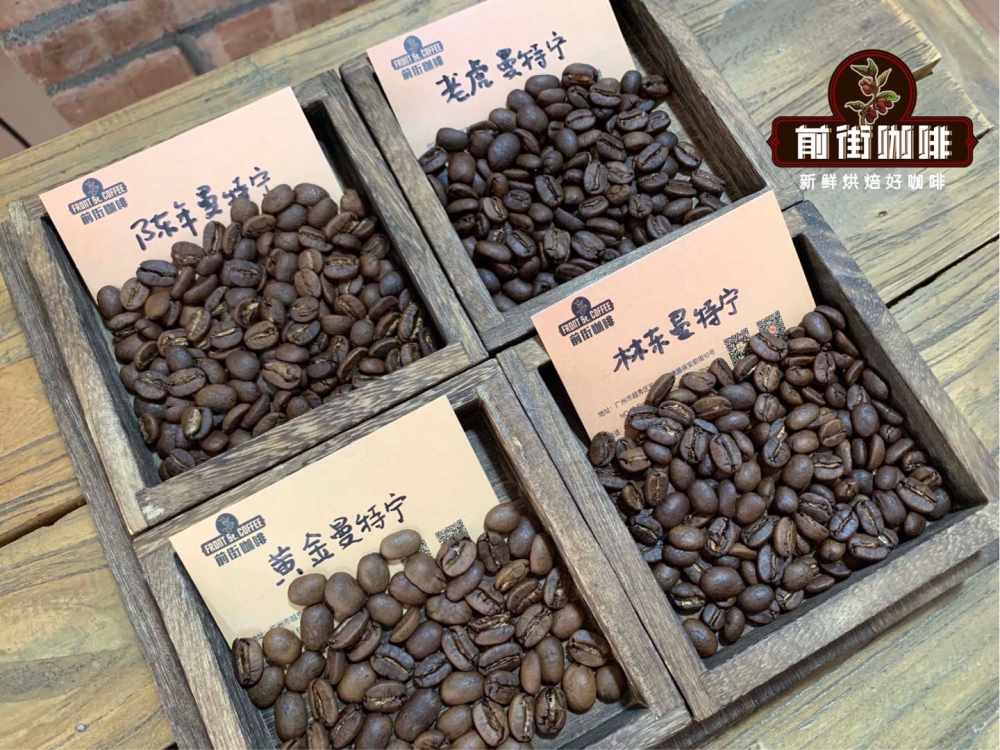
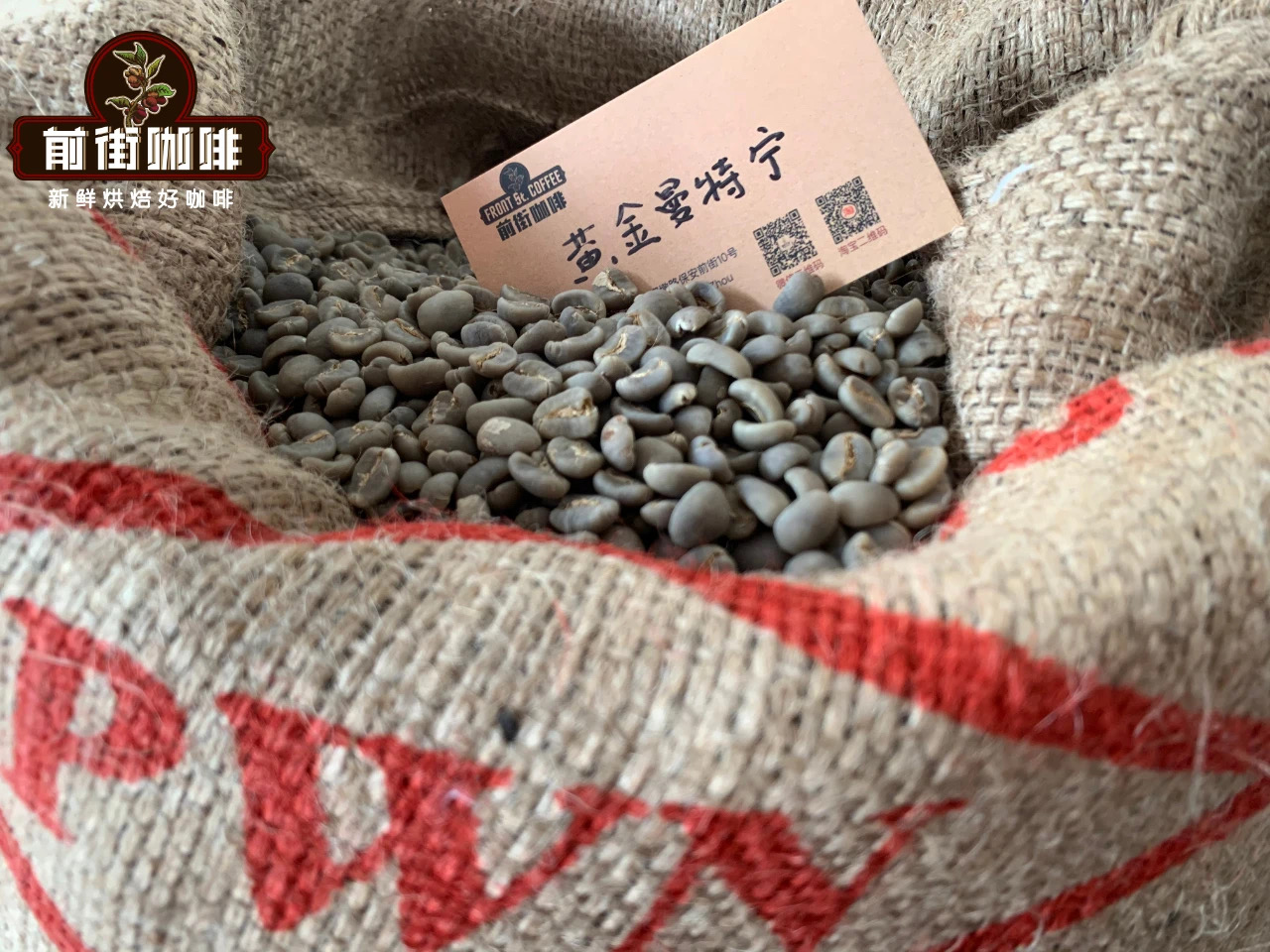 Among them, the PWN Golden Mandheling used is always a star product in the store, with its factory certificate even displayed at the entrance. The importance of the PWN company will be further explained later. In fact, the Mandheling family has many members, with some single stores offering five different flavored Mandhelings at once, including the classic Golden Mandheling, the wild-flavored Tiger Mandheling, the long-aged Aged Mandheling, the Lintong Mandheling from the Lintong region, and the Natural Mandheling produced by Wahana Estate.
Indonesia’s coffee cultivation history dates back to 1696, and after a successful second introduction in 1699, it gradually expanded to major islands such as Sumatra. However, it wasn’t until the early 19th century that the region truly began large-scale coffee exports. As production increased, export volumes grew rapidly, surpassing 12 million pounds in 1840 and reaching a peak of 21 million pounds in 1860. Unfortunately, this boom was short-lived, as the subsequent outbreak of coffee leaf rust disease led to the death of a large number of Arabica plants. By 1900, the more disease-resistant Robusta had almost completely replaced Arabica. Indonesia consists of more than seventeen thousand islands, among which Sumatra is the second largest island and the country’s primary coffee-producing region. The volcanic terrain there fosters mineral-rich soil, coupled with a diverse vegetation environment, giving Indonesian coffee a unique status in the global market.
 When it comes to Mandheling, what makes this coffee truly unique is not only its rich and bold flavor, but also an interesting anecdote behind its name. Most coffee varieties are named after their growing regions or countries, but Mandheling actually stems from a misunderstanding. During World War II, a Japanese officer stationed in Sumatra asked a local coffee shop owner about the origin of the coffee, and the owner mistakenly thought the question was about his ethnicity, replying “Mandailing.” The officer returned home and couldn’t forget this coffee, so he commissioned a trader to import it from Indonesia. However, due to an auditory miscommunication, “Mandailing” became “Mandheling,” and the name stuck. That trader was none other than the founder of what would later become the PWN company.
The reason PWN has become Indonesia’s most respected supplier of green coffee beans lies not only in its historical roots, but more importantly in its stringent quality control over the beans. The biggest difference between regular Mandheling and Golden Mandheling is the green bean selection criteria. Indonesia generally uses the wet-hulled process (Giling Basah) to process coffee beans, a Sumatra-specific method that gives the coffee a bold, rich body and unique earthy, herbal aromas, but also tends to increase the defect rate. To ensure quality, the PWN Golden Mandheling used undergoes machine screening and three rounds of manual hand-picking to minimize defects. It is said that during the selection process, some beans were named “Golden Mandheling” because of their golden sheen.
Country: Indonesia
Region: Sumatra
Elevation: 1100-1600 meters
Variety: Ateng
Processing Method: Wet-Hulled
Flavor: Toasted bread, nuts, pine, caramel, herbs
So why is the factory certificate for Golden Mandheling so emphasized? There are two reasons: one is its limited annual production, making procurement difficult; the other is the presence of many counterfeit products on the market. Notably, the name “Golden Mandheling” has been registered as a trademark by Indonesia’s Pawani Coffee Company, which means Golden Mandheling is actually an exclusive product of PWN. To give consumers peace of mind and make authenticity easier to verify, the industry specifically displays PWN’s factory certificate alongside the jute sack at the Dongshankou store for customers to inspect firsthand.
However, the focus of this article is neither to introduce the characteristics of each type of Mandheling one by one, nor simply to teach how to identify genuine Golden Mandheling, but rather to answer a common question: Before Blue Mountain coffee was discovered, Mandheling was once hailed as the “most delicious coffee in the world.” Therefore, many coffee enthusiasts often wonder what the differences are between Blue Mountain and Mandheling. Let’s take a detailed look below.
By now, you likely have a preliminary answer to the question posed in the title. Simply put, Mandheling usually has a pronounced bitterness, but some naturally processed Mandhelings—such as the industry’s Wahana Estate Natural Mandheling—showcase a richer array of flavor layers. Bitterness is just the entry point of Mandheling; it also contains caramel-like aftertastes and a variety of aromas, all worth savoring slowly.
Overall, Mandheling is suitable for the vast majority of coffee lovers, though experiences may vary depending on individual taste preferences. Those accustomed to light roasts and who prefer floral and fruity profiles might find Mandheling’s bitterness too prominent. But for coffee aficionados who enjoy dark roasts and pursue a bold body along with steady aromas like spices, herbs, and pine, Mandheling is undoubtedly an excellent choice, especially with its impressive aftertaste sweetness.
Finally, if comparing the bitterness of Mandheling and Blue Mountain coffee, the industry generally considers Mandheling to have a slight edge. Blue Mountain coffee is known for its balanced flavor, without emphasizing any one aspect such as acidity, sweetness, or bitterness, and is typically medium roasted. Mandheling, on the other hand, is mostly dark roasted, which is one of the reasons its bitterness is more pronounced. Whether you’re a beginner or a seasoned coffee connoisseur, exploring the diversity within the Mandheling family can add new depth to your coffee experience.
The above content is compiled by CoffeeHunters, a coffee news website.


