







Introduction:The flavor concentration of espresso is inseparable from its extraction craftsmanship. This article delves into the extraction principles of espresso, reveals the scientific reasons why a second extraction is not feasible, and thoroughly breaks down the key parameters that affect extraction—from coffee-to-water ratio, grind size to pressure and water temperature—helping you master professional-level extraction techniques. Practical details are also provided to assist you in brewing an espresso with balanced flavor and rich layers.
The Extraction Principles of Espresso
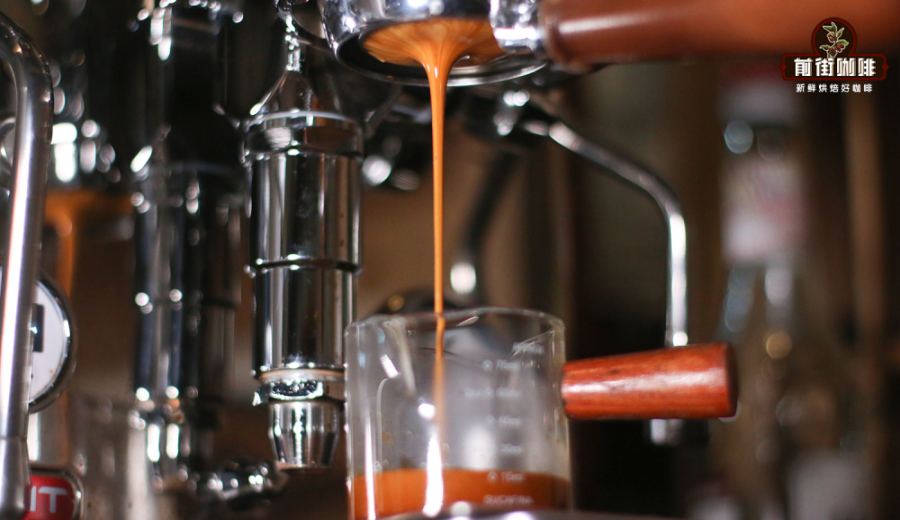
Espresso is extracted using a precision metal filter under high-pressure water flow, which is fundamentally different from the gravity-dependent method used in pour over coffee. Its core lies inhigh-pressure pushing hot water through an extremely fine coffee puck,which, even with finely ground particles, achieves uniform percolation. The finer the coffee grounds, the exponentially larger their surface area becomes, not only accelerating extraction but also enabling high pressure to push water deep into the cell walls, emulsifying oils and dissolving sugars—components that are otherwise hard to reach due to gravity.
This technique gives espresso its rich body and complex flavor, with a balanced acidity, sweetness, and bitterness, and distinct layers. A well-made espresso should pass a sensory evaluation: aromatic compounds and taste components are harmonious, with a full mouthfeel that remains well-balanced.
Why Can’t You Do a Second Extraction?
About 30% of roasted coffee beans consists of soluble aromatic compounds, while 70% is woody fiber.The Golden Cup standard indicates that an extraction yield of 18–22% is the optimal flavor range.When hot water first contacts the coffee grounds, aromatic substances (such as acids, sugars, and oils) inside the cell walls gradually dissolve. After approximately 22% has been extracted, the remaining substances are mostly large-molecule impurities. A second pour will release off-flavors (such as woody bitterness).
Especially with dark roasts, whose structure is more porous, the majority of the high-quality flavors have already been extracted in the early phase, making subsequent extraction more likely to amplify defects.
Detailed Breakdown of Key Extraction Parameters
Taking a double-shot basket (with a 20g capacity) as an example,the recommended coffee-to-water ratio is 1:1.5 to 1:2.5, with 1:2 (20g coffee to 40g liquid) being common.The ratio directly affects concentration: too much water dilutes the flavor, while too little leads to over-concentration.
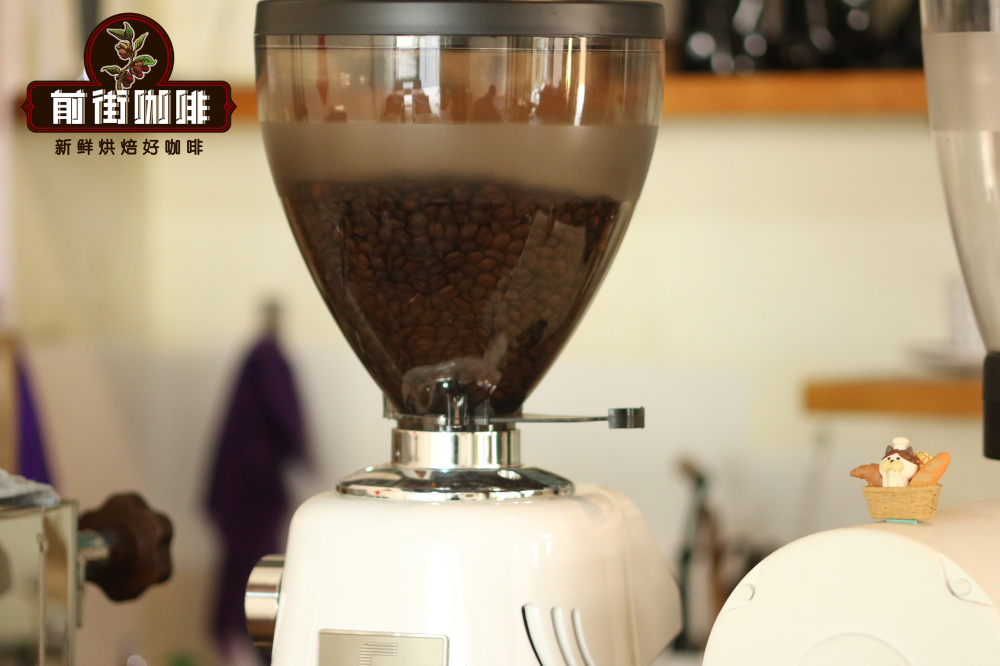
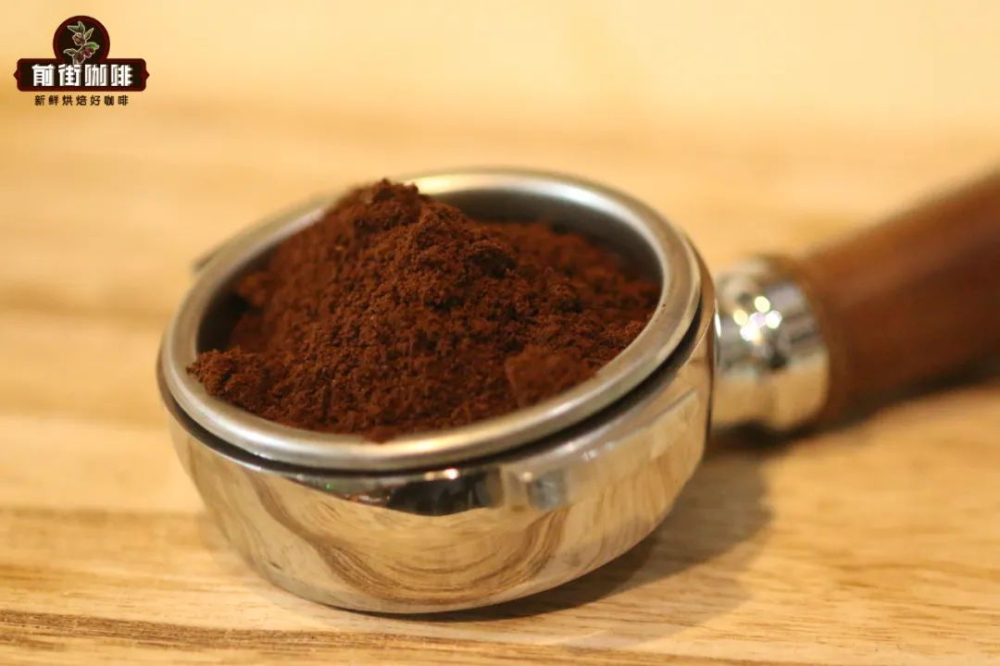
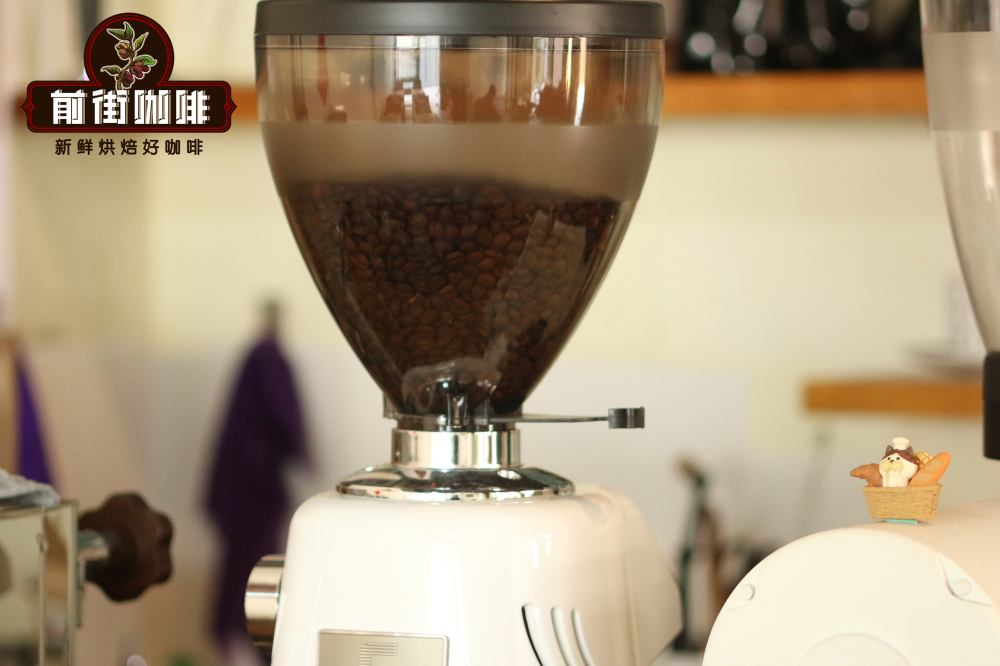
The grind size must be extremely fine and consistent,to meet the high-pressure demands of espresso machines. Grinds that are too coarse lead to under-extraction (resulting in thin, overly acidic flavors), while those that are too fine cause over-extraction (yielding bitter, burnt notes). When adjusting, it’s best to make minor tweaks to avoid instability caused by large changes.
Extraction time should be controlled between 25–30 seconds(when using a fixed 1:2 ratio). Insufficient time (<25秒)易淡薄酸澀;過長(>over 30 seconds) may result in burnt, astringent flavors. In practice, you can adjust flow rate slightly by modifying grind size or coffee dose.
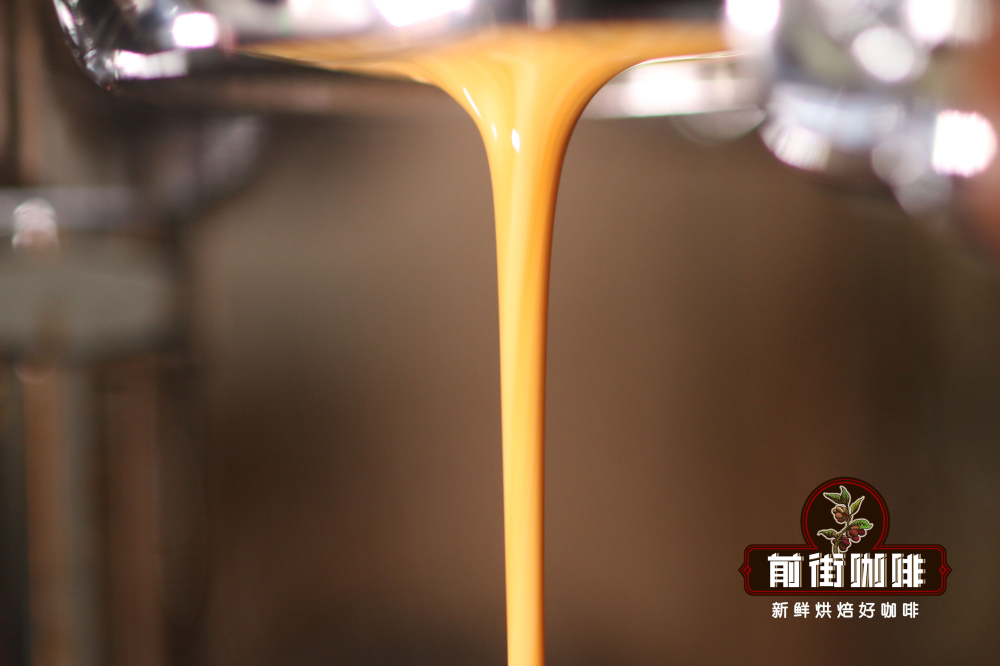
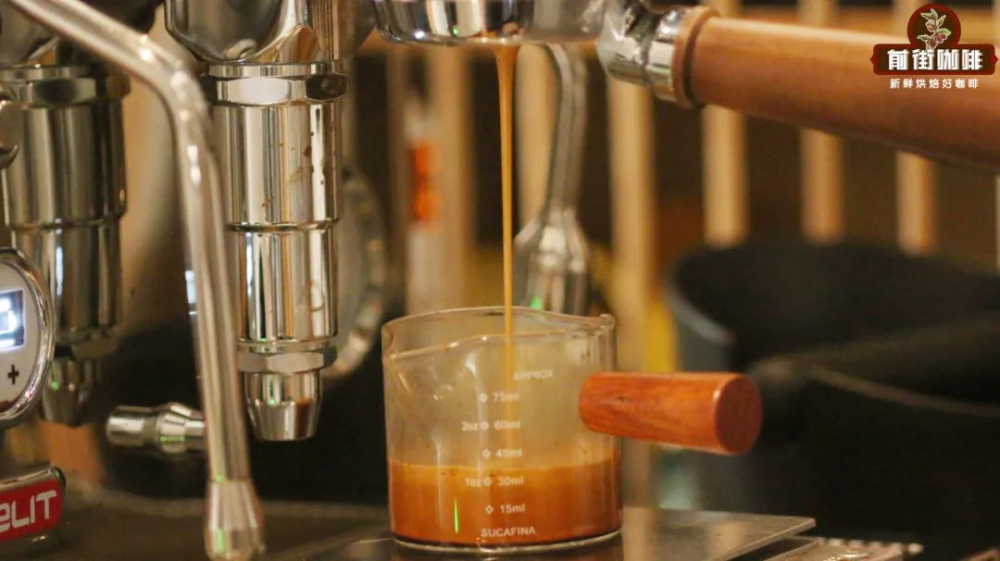
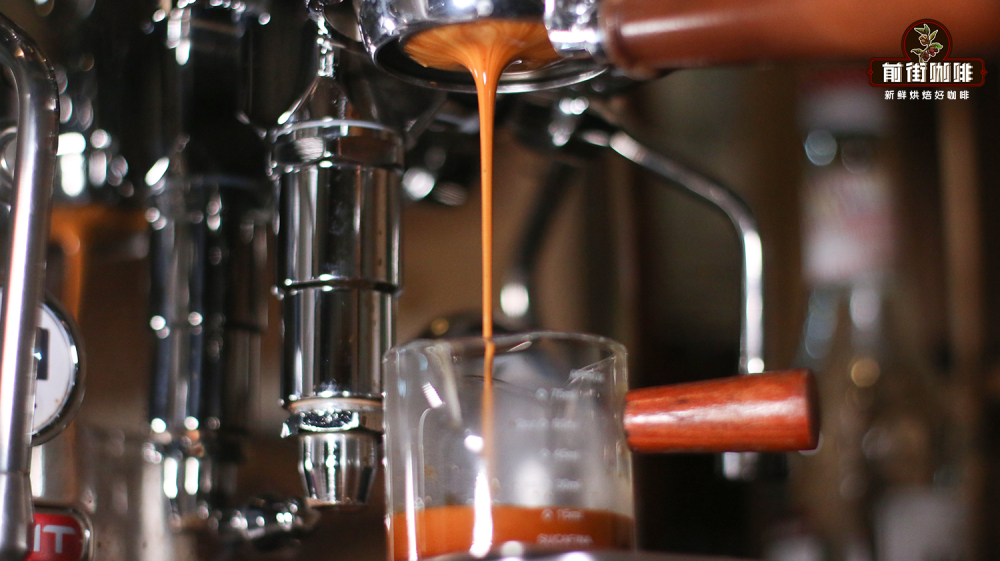
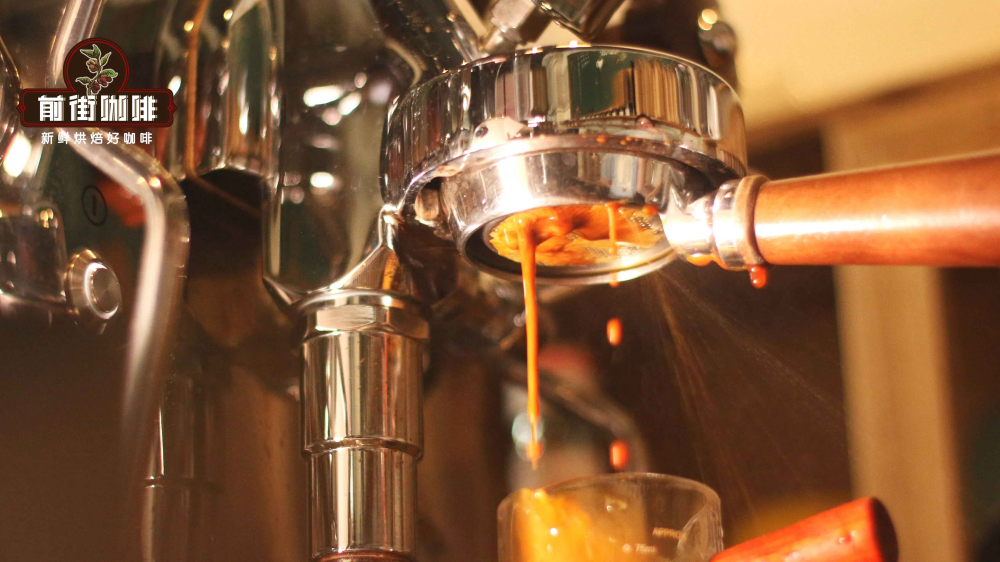
Flow rate reflects the balance of parameters.The ideal scenario is when the first drop appears about 5 seconds after pressing the button, followed by a stable flow. If it takes over 10 seconds for the first drop, the grind might be too fine or the tamp too firm; if there's a spray or overly fast flow, the grind may be too coarse or channeling (water taking shortcuts) may be occurring.
The Synergistic Role of Pressure and Water Temperature
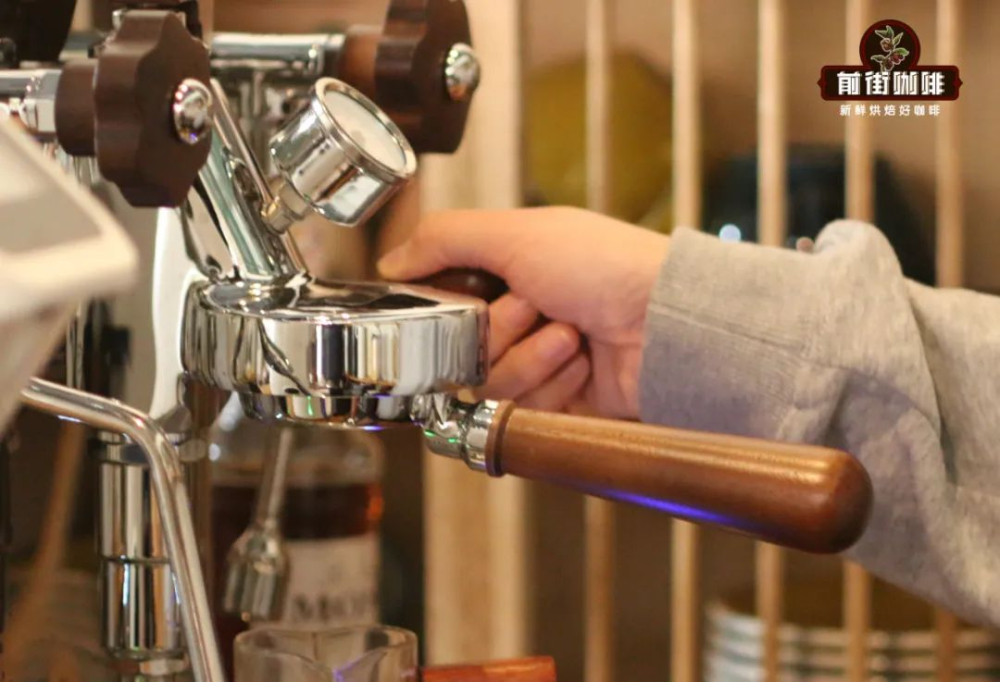
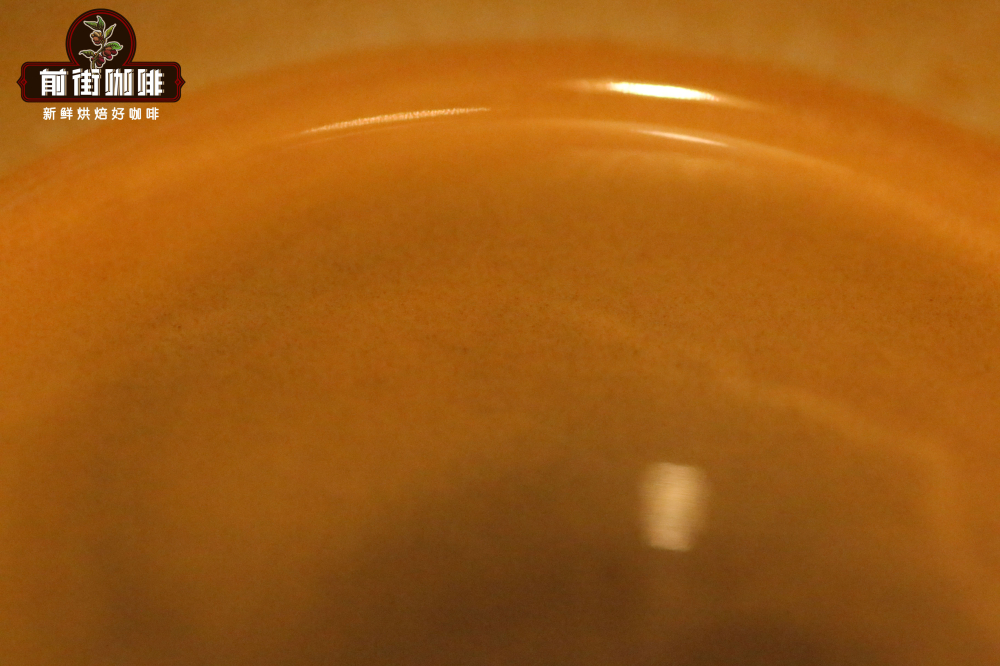
Standard semi-automatic espresso machines operate at 9–10 bar pressure and 90–94°C water temperature.High pressure enables water to penetrate the puck and emulsify oils, while high temperature accelerates the dissolution of compounds.However, excessively high temperatures can lead to burnt bitterness, while too low temperatures result in under-extraction. Freshly roasted beans, rich in carbon dioxide, can form the signature crema under pressure, but over time, as the beans age, this bubbly layer gradually diminishes.
Pro Tip: Ensure the puck density is uniform during tamping to avoid localized channeling; regularly clean the portafilter and basket to prevent residue from affecting extraction consistency.
Conclusion
Mastering the logic behind espresso extraction requires balancing multiple variables such as pressure, time, and coffee-to-water ratio. By systematically adjusting these parameters and observing flow rate and crema performance, even beginners can gradually approach the golden extraction zone and unlock the full flavor potential of coffee.



The above content is compiled by CoffeeHunters, a coffee news website.


