







Introduction:Espresso and Italian coffee are not exactly the same thing. To make a balanced and flavorful shot of espresso, mastering extraction parameters is crucial. This article delves into the extraction principles of espresso, covering factors such as coffee-to-water ratio, water temperature, pressure, and grind size. It will guide you through how to adjust these variables to brew your ideal shot of espresso and debunk common misconceptions.
When it comes to making espresso, many people first think about the amount of coffee grounds and the coffee-to-water ratio. But what really matters is the "extraction yield." About 70% of coffee beans are insoluble in water, and of the remaining 30% that can be extracted, only a portion contributes desirable flavors. Therefore, precisely controlling the extraction conditions becomes key to influencing the taste of the coffee.
Compared to pour over coffee, the flavors of espresso are more concentrated and intense, which also means that any off-flavors in the beans are more likely to stand out. That’s why, aside from milk quality, a well-extracted shot of espresso serves as the indispensable soul of a great latte or cappuccino.
In the past, the Specialty Coffee Association of America (SCAA) defined the standard for espresso as follows: using 7–9 grams of coffee grounds under 9–10 atmospheres of pressure, with water temperature controlled at 88–92°C, and extracting approximately 45 milliliters of coffee liquid within 22–28 seconds. However, when you visit professional coffee shops in reality, you’ll often find that these numbers significantly deviate from the standard. Extraction parameters need to be flexibly adjusted based on different coffee bean varieties, equipment, and flavor profiles.
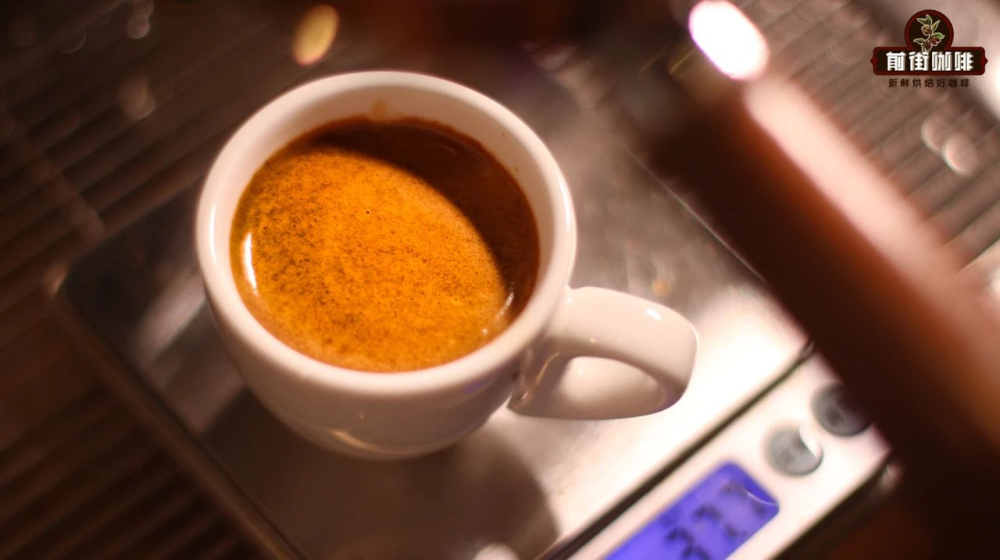
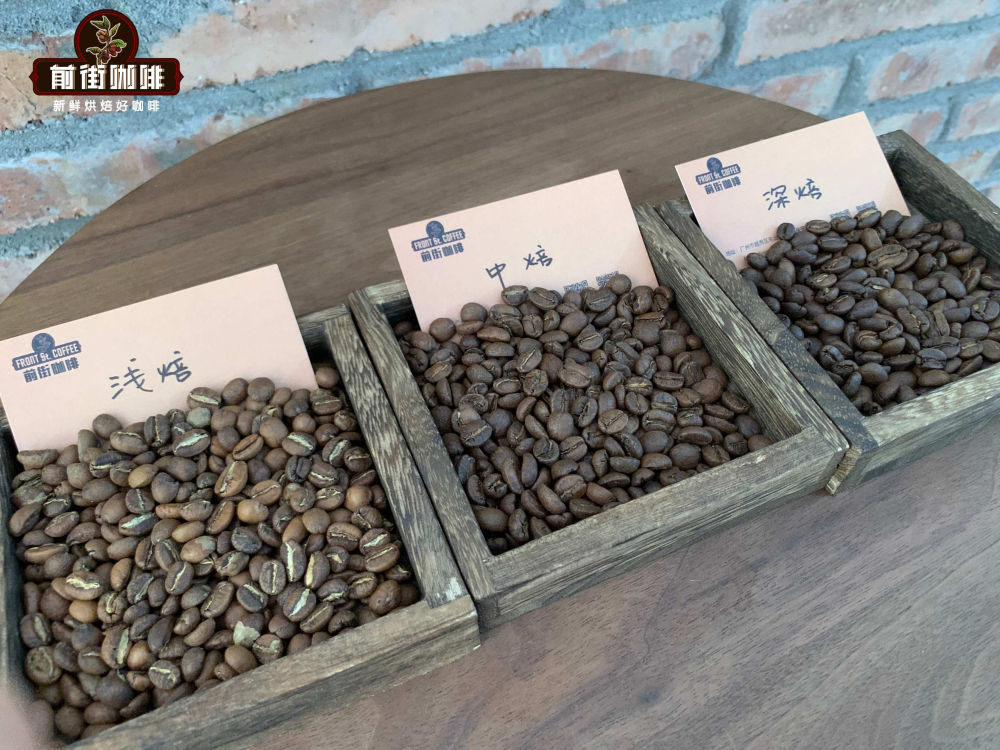
With the rise of the specialty coffee movement, consumer preferences for flavors have also shifted. In the past, there was a preference for the roasted, cocoa, and nutty notes brought by dark roasts. But nowadays, more and more coffee enthusiasts are seeking floral, fruity, and fresh layers in their coffee. As a result, current espresso parameters tend to use around 18 grams of coffee grounds, aiming to extract 30 grams of liquid, with water temperature adjusted to 92–94°C, and extraction time ranging between 25–27 seconds. It’s worth noting that there’s now a greater emphasis on evaluating extraction results based on actual liquid weight rather than simply observing the volume of the coffee liquid—because factors like pressure, crema thickness, and bean freshness can all affect visual volume perception.
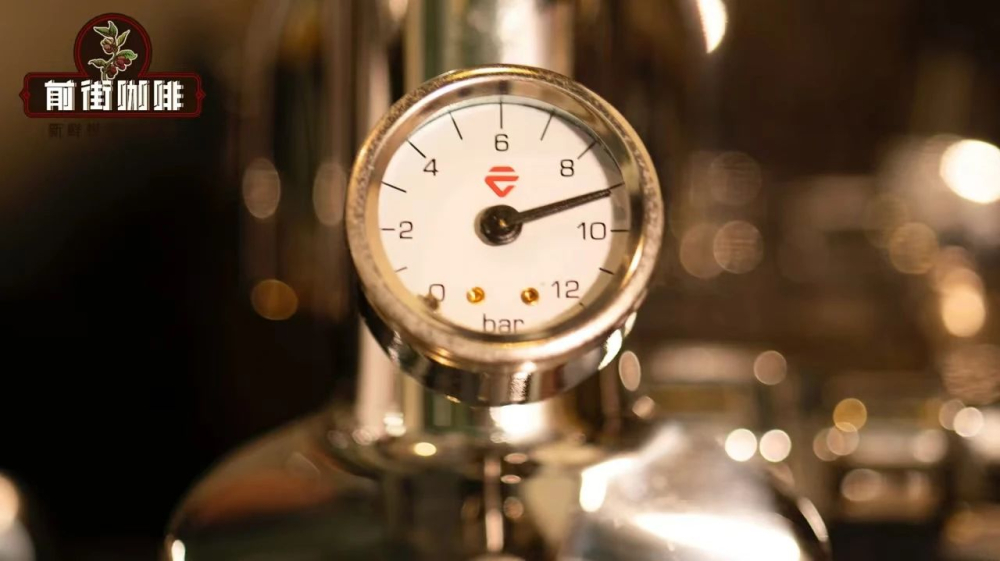
In recent years, coffee machine technology has advanced rapidly, and variable pressure and pressure curve control have become standard features in high-end machines. No longer limited to the traditional 9 atmospheres, strategies such as low-pressure pre-infusion, stable pressure extraction during the middle phase, and gradual pressure reduction toward the end can bring out richer layers and flavor variations. Even with the same coffee beans, different pressure curves may result in distinctly different flavor profiles.
To make a well-balanced shot of espresso, multiple variables need to be considered comprehensively, including grind size, extraction pressure, water temperature, amount of coffee grounds, time, and final liquid weight. Below are several core parameters that require special attention during adjustment:
【Coffee Dose】Usually determined by the capacity of the portafilter basket. It is recommended not to exceed its maximum volume. Too little coffee can lead to under-extraction, while too much may prevent proper assembly of the portafilter.
【Water Temperature】The higher the water temperature, the better the extraction efficiency, but it can also release more impurities. Generally, it is recommended to use near-boiling hot water, with fine adjustments based on coffee bean variety and roast level.
【Time】Acidity tends to extract earlier, while bitterness extracts later. Therefore, the length of extraction time directly affects the balance of flavors.
【Extraction Pressure】Early espresso machines operated at pressures just slightly above atmospheric pressure, resulting in light-bodied and crema-deficient shots. Modern machines typically reach 9 bar and can produce rich crema.
【Grind Size】Overly fine grinds greatly increase surface area, which can easily lead to over-extraction. Grind size should be dynamically adjusted according to environmental humidity and bean condition.
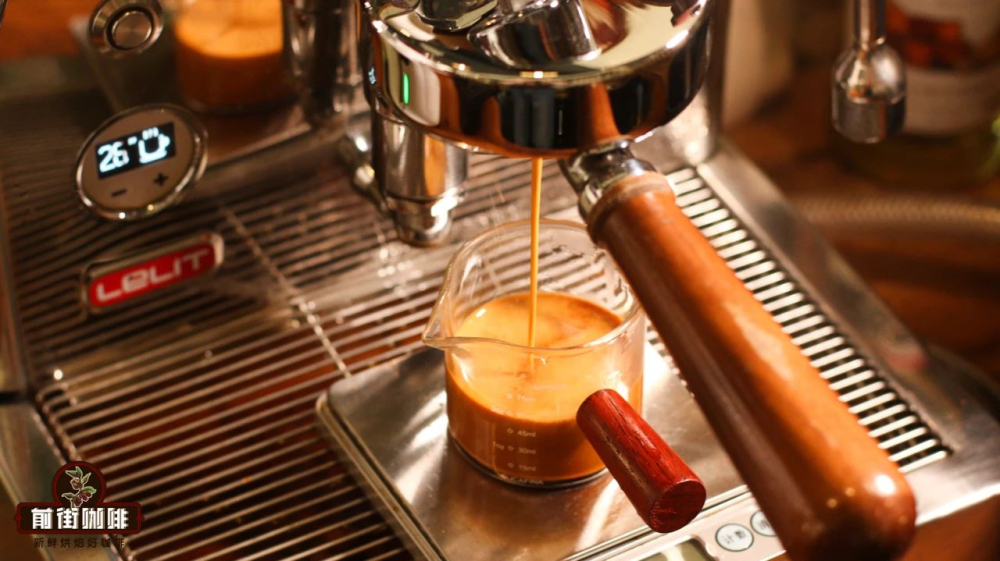
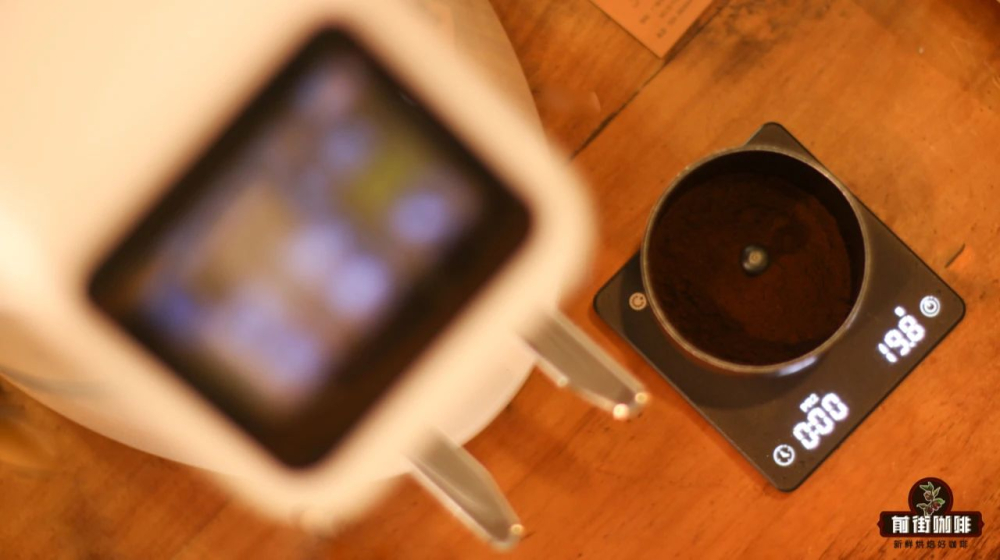
In practice, many baristas make real-time micro-adjustments to extraction parameters based on daily temperature, humidity, and the roast date of the coffee beans. For example, one shop uses the following parameter setup: a 20-gram capacity portafilter basket, with approximately 19.7 grams of coffee grounds, using a pressure of 9 bar ± 2, water temperature controlled between 90.5–96°C, extraction time maintained at 20–30 seconds, and a target liquid weight of 35 milliliters. This setup fully brings out the potential of the beans and delivers a rich and layered flavor profile.
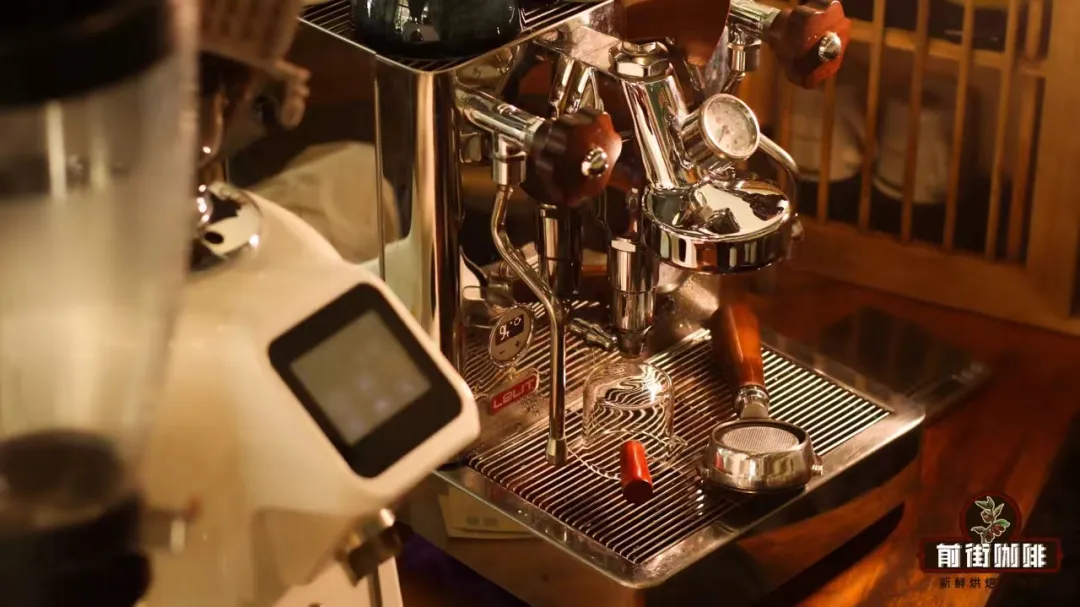
A successfully extracted shot of espresso should exhibit intense aromas of wine, vanilla, and a creamy, velvety texture. The sip reveals bright berry acidity, followed by a lingering finish of dark chocolate, with a smooth and full-bodied mouthfeel. Such a profile often comes from carefully blended coffee beans, such as combining 70% Honduran beans aged in sherry casks with 30% Ethiopian sun-dried red cherry beans. This blend delivers both a rich wine-like character and unique berry and floral notes.
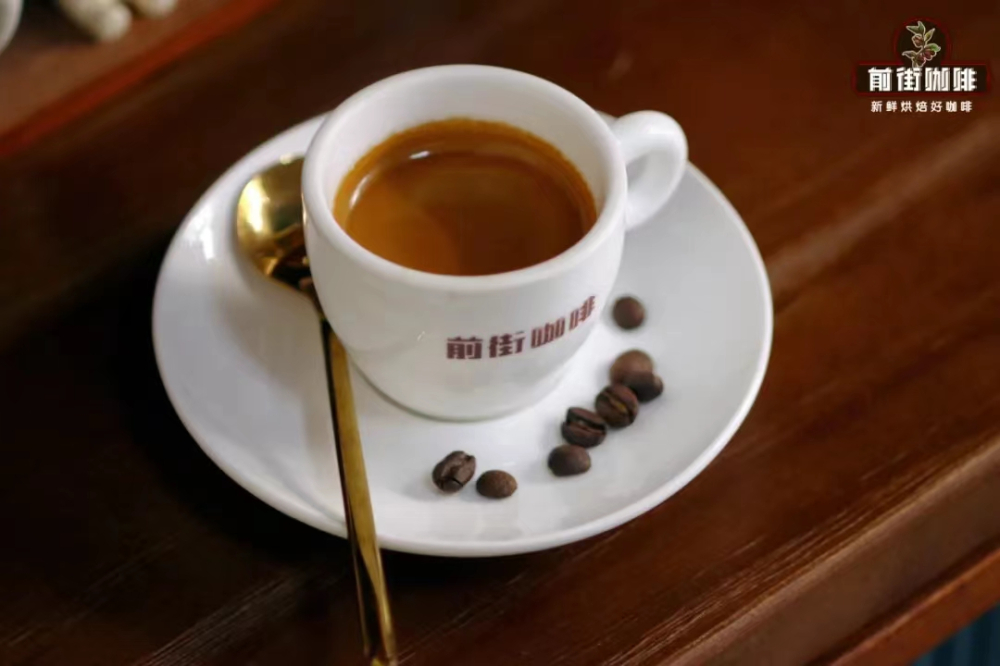
When tasting espresso, it’s recommended to first rinse your mouth with cold water to help capture flavor details more keenly. Additionally, using the provided demitasse spoon, you can observe the crema or gently stir the coffee liquid to allow the flavors from the top and bottom layers to blend evenly, further enhancing the overall drinking experience.

The above content is compiled by CoffeeHunters, a coffee news website.


