







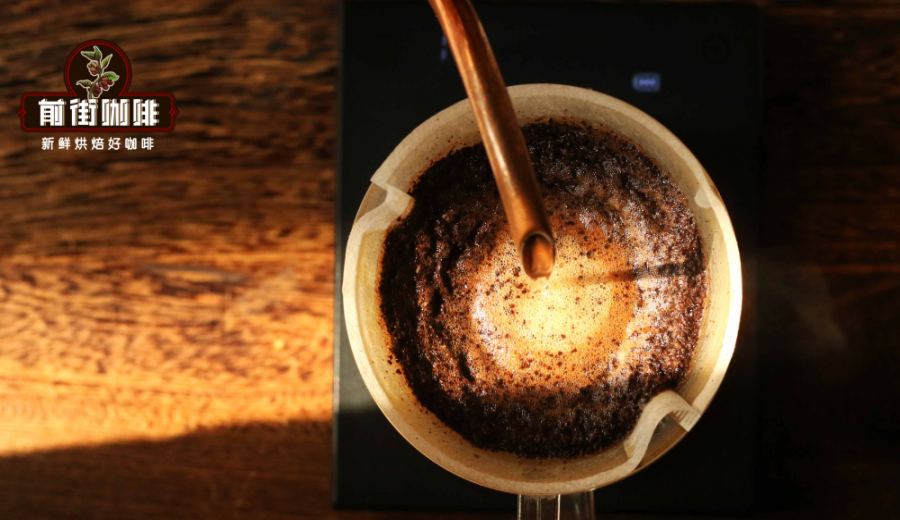
Introduction:Pour over coffee is the preferred brewing method for many coffee enthusiasts, not only because it highlights the original flavors of the coffee beans but also because it is relatively simple and controllable to operate. This article will systematically introduce the core knowledge of pour over coffee, including seven key elements that influence flavor such as freshness, grind size, water temperature, and water quality, and will also break down in detail the three-phase pouring technique suitable for beginners, helping you easily brew a high-quality pour over coffee with rich layers at home.
In the world of coffee, the correct English term for pour over coffee is "Pour over coffee," not the literal translation "Hand coffee." This method, which uses a filter cone and paper filter to extract coffee liquid under atmospheric pressure with a stable water flow, has strict requirements for grind size, water temperature, pouring technique, and time control, making it a technique that highly tests the brewer’s skill and accumulated knowledge.
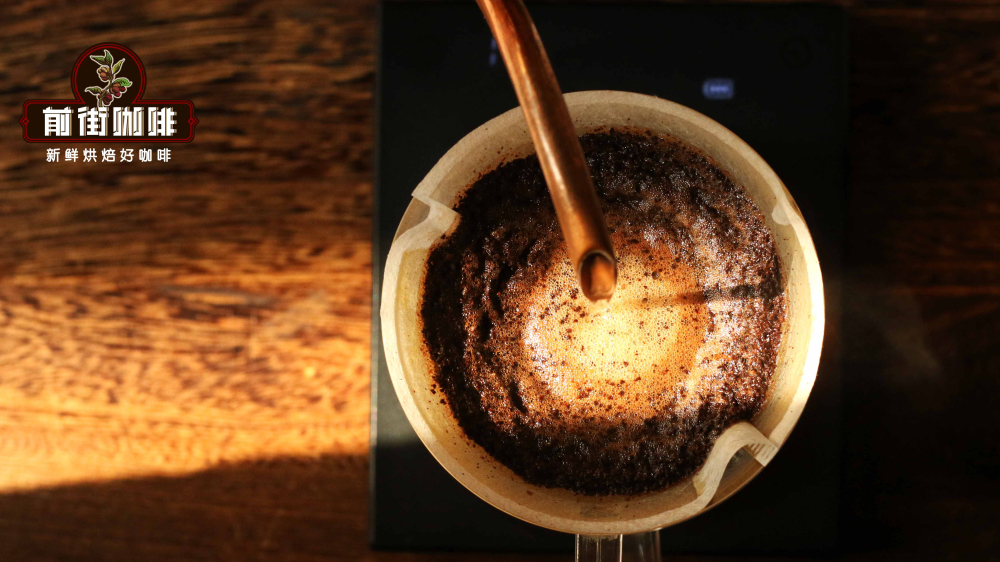
The basic principle of pour over coffee is to place an appropriate amount of ground coffee into a filter cone under atmospheric pressure, pour evenly stable hot water over it, and extract the coffee liquid through the filter paper. Since grind fineness, water temperature, pouring method, and time all significantly affect the final flavor, it is a technique that values precision and experience.
Next, we will delve into the seven key elements of pour over coffee, which directly impact the aroma, taste, and overall performance of the coffee. Whether you're a beginner or an experienced coffee lover, you can gain practical brewing guidance from it.
1. Fresh Coffee Beans
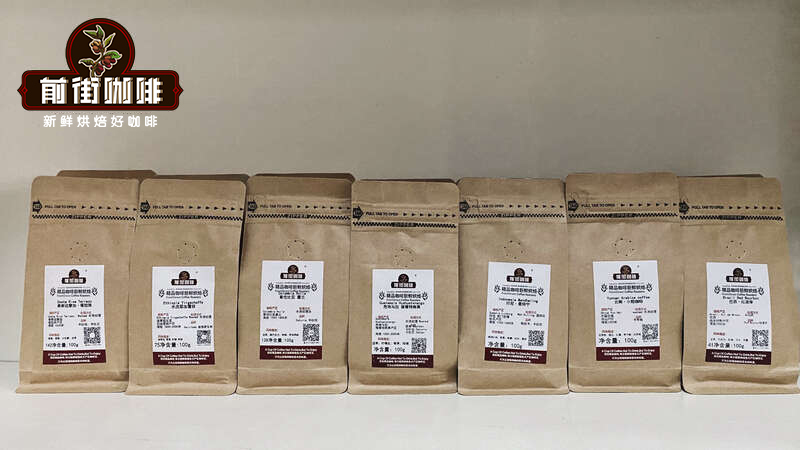
The freshness of coffee beans has a decisive impact on flavor. Generally speaking, freshly roasted coffee beans are best consumed within 30 days. Beyond this period, carbon dioxide in the beans gradually dissipates, and aromatic molecules also decrease, leading to a bland flavor. Therefore, choosing freshly roasted coffee beans is the first step to brewing a delicious pour over.
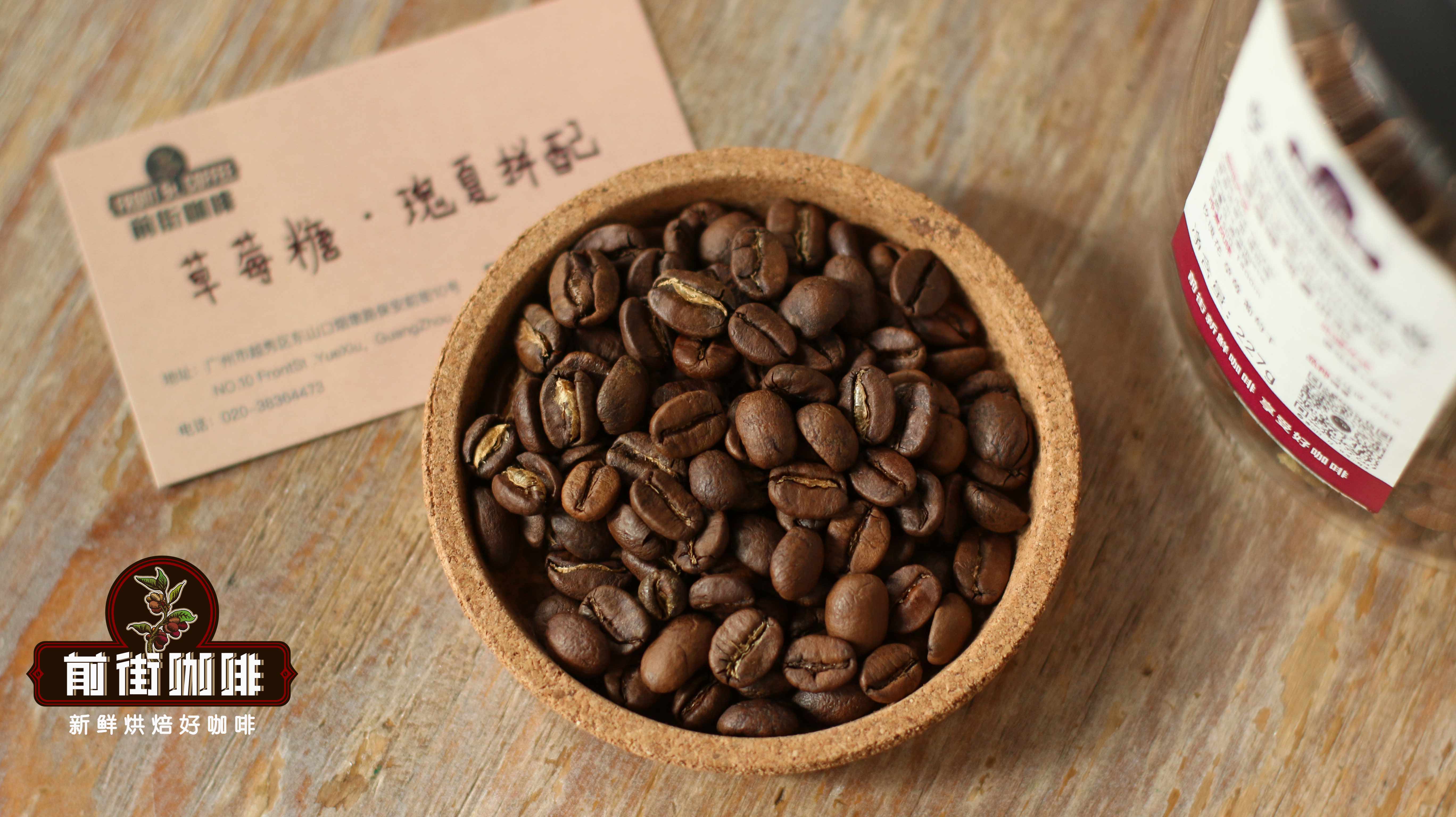
Coffee beans of different roast levels exhibit different flavors. Lightly roasted beans usually carry floral and fruity notes, suitable for those who prefer a refreshing taste; medium-dark roasted beans offer a richer and fuller body; while some specially processed beans showcase sweetness and fruitiness—such as strawberry sugar-flavored beans are very popular.
2. Standard Grind Size for Pour Over Coffee
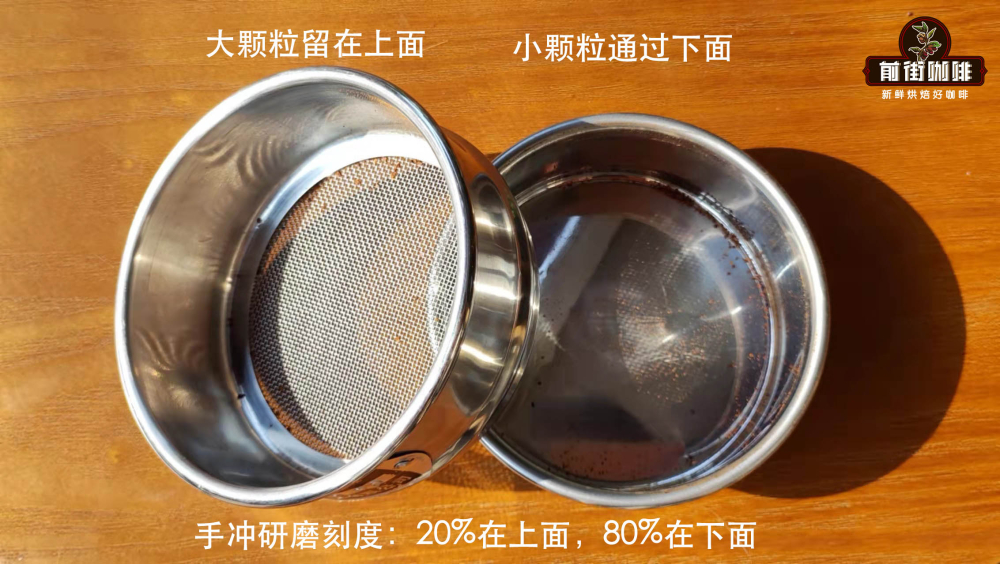
The coarseness of coffee grounds significantly affects extraction efficiency and flavor expression. It is recommended to use a #20 cupping sieve (with an aperture of 0.85mm) to test grind size: take 10 grams of coffee beans, grind them, and then sieve them. If 8 grams of coffee grounds pass through the sieve (an 80% pass rate), it is suitable for medium-light roasts; if 7 to 7.5 grams pass through (a 70%-75% pass rate), it is suitable for medium-dark roasts. Adjusting the grinder settings based on actual sieving results is an important step to ensure balanced flavor.
3. Brewing Water Temperature
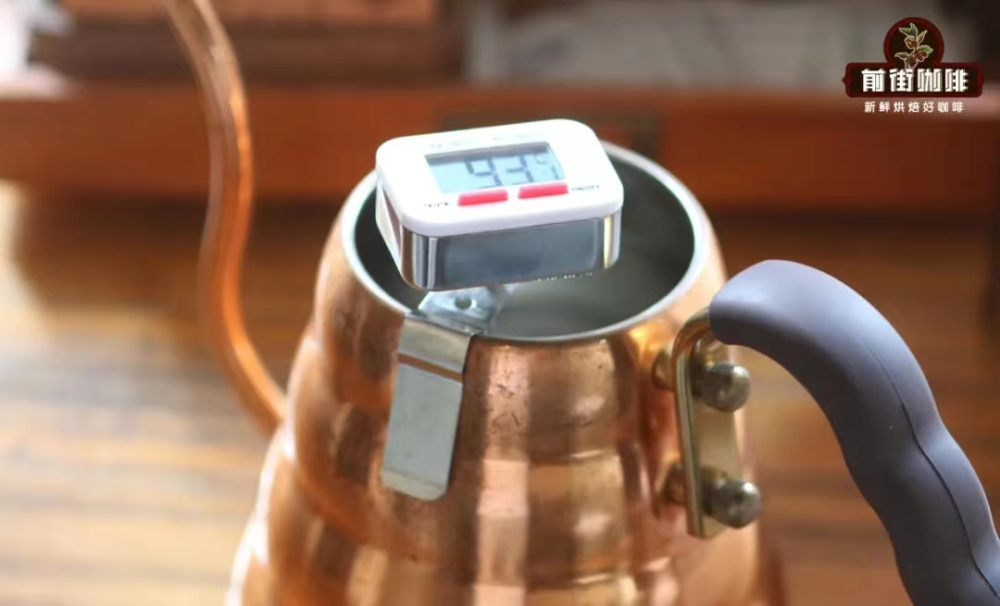
Water temperature is also one of the key factors affecting extraction. Generally, medium-light roasted beans are suitable for a water temperature of 90-93°C, which can fully bring out acidity and aroma; medium-dark roasted beans are recommended to use 86-88°C to avoid off-flavors and bitterness caused by over-extraction.
4. Water Quality
The mineral content in water, such as ions of calcium, magnesium, sodium, potassium, etc., affects the efficiency of coffee extraction and flavor expression. It is recommended to avoid using unfiltered tap water, as it contains more impurities that can easily affect the overall taste of the coffee. Using filtered or mineral water can better highlight the original flavors of the coffee.
5. Filter Cone Selection
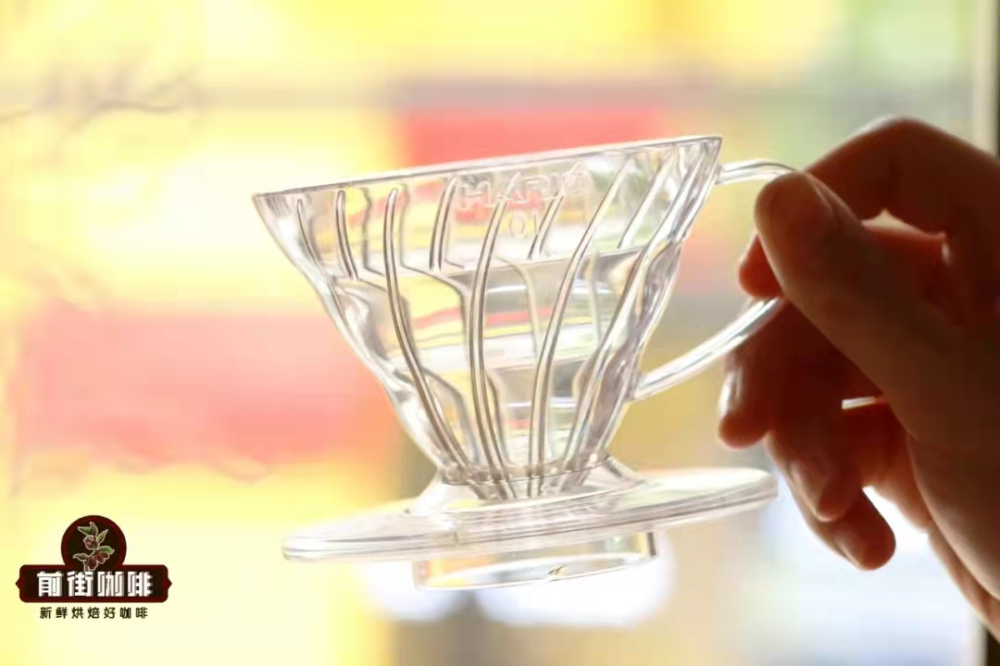
For beginners new to pour over, it is recommended to use the V60 size 01 filter cone. This conical filter cone features a large opening and a unique spiral rib design, which helps air escape and improves extraction efficiency. Although the mouthfeel may not be as full-bodied, it can showcase bright acidity, sweetness, and aroma, making it an ideal choice for beginners.
6. Coffee-to-Water Ratio
The coffee-to-water ratio is a key parameter that affects coffee concentration and flavor presentation. According to the SCA Golden Cup extraction theory, common ratios are:
【Bold Flavor】1:10~1:11
【Medium Flavor】1:12~1:13
【Light & Refreshing】1:14~1:16
Among them,the ratio of 1:14.5~1:15.5 is the easiest to achieve the Golden Cup standard in terms of extraction rate and concentration range, and is also the golden ratio recommended by many professional baristas for beginners.
7. Brewing Time
The extraction time for pour over coffee is usually controlled between 2 to 2 minutes and 30 seconds. The early stage extracts bright aroma and acidity; as time progresses, the flavors gradually shift toward sweetness and body, and may eventually bring out a hint of bitterness or off-flavor in the aftertaste. Controlling the time well helps you achieve a balanced flavor profile.
In addition to the above seven elements, the grind size of the coffee also directly affects extraction effectiveness. Grinding too fine can result in slow flow rate, longer extraction time, and is prone to over-extraction; grinding too coarse leads to fast flow rate, insufficient extraction of flavor substances, and a weak-tasting coffee. Therefore, adjusting the grind size is a crucial step to achieving ideal extraction.
There are various pouring techniques for pour over coffee, commonly including the three-phase pour, single pour, and drip method. For beginners, the three-phase pouring method is the easiest to master and can steadily present flavors. It achieves clear flavor layering in the early, middle, and late stages of the coffee through segmented pouring.
Steps for the Three-Phase Pouring Technique in Pour Over Coffee:
First Pour: Blooming
Blooming is a step in the pour over process that should not be overlooked. Coffee beans produce a large amount of carbon dioxide during roasting, especially freshly roasted beans. By injecting a small amount of hot water (about twice the weight of the coffee grounds), it helps release gas, allowing subsequent hot water to penetrate evenly and improving extraction consistency.
Notes for blooming: First, gently flatten the coffee grounds, pour water in a gentle circular motion, avoiding directly hitting the center. The blooming time is about 30 seconds. When the surface of the coffee grounds begins to wrinkle, it indicates completion. This step helps the coffee grounds absorb water evenly and lays a good foundation for subsequent extraction.
Second Pour
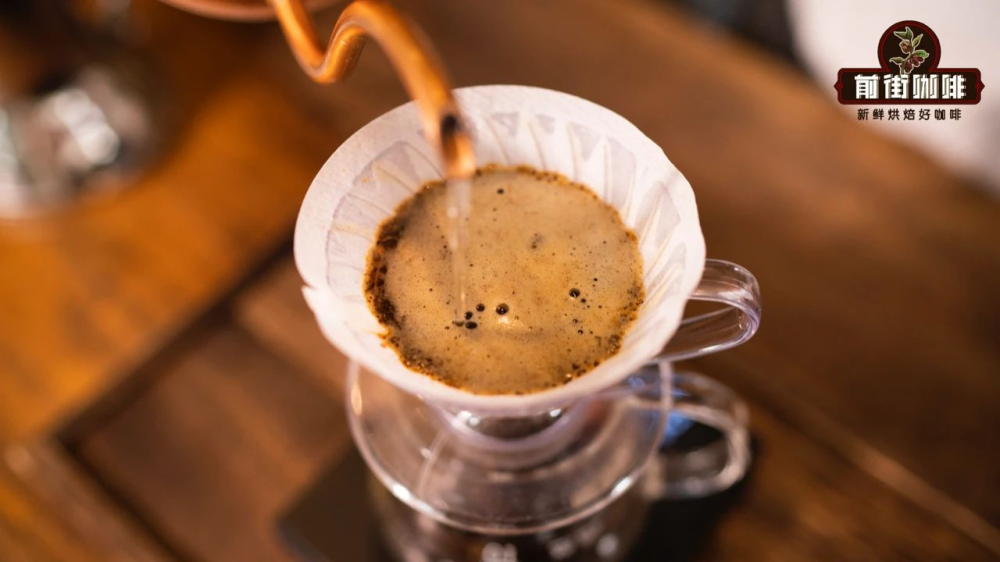
After blooming, begin the official pouring. It is recommended to inject a small stream of water from the bottom of the middle layer of grounds, with a circular range controlled to the size of a one-yuan coin, then gradually expand outward. The water volume should not exceed the height of the coffee bed. Stop when the water level approaches the edge of the filter paper to avoid over-extraction or too fast a flow rate.
Third Pour
As the coffee bed absorbs water and gradually sinks, perform the third pour when the water level drops to half. Again, start from the center, pour in a circular motion while observing the flow rate and foam state. At this point, you can slightly increase the pouring pressure to encourage the coffee particles to roll, releasing more soluble substances.
Be mindful of maintaining rhythm, avoiding frequent pauses that may lead to over-extraction in the final stage, resulting in astringency or off-flavors. Maintaining a stable water flow and rhythm is key to completing a pour over coffee with balanced flavor.

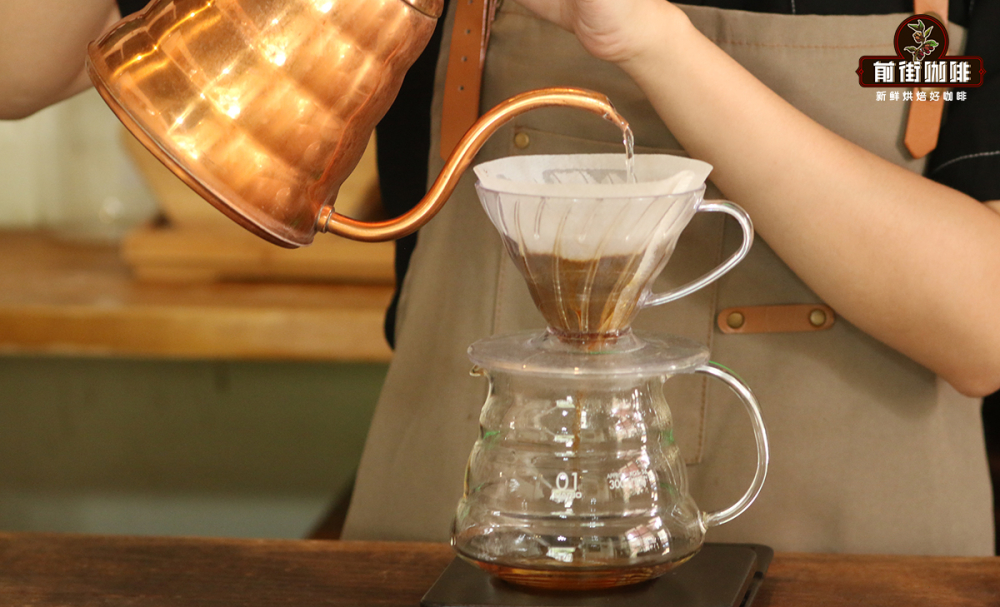
By mastering the above elements and techniques, even coffee beginners can steadily brew a fragrant, flavor-balanced pour over coffee at home. Every adjustment of parameters is a journey of exploring the world of coffee flavors. Welcome to try it out and find your own perfect cup of pour over.
The above content is compiled by CoffeeHunters, a coffee news website.


