







Introduction:Mandheling coffee from Sumatra, Indonesia, is renowned for its bold, full-bodied flavor, low acidity, and unique earthy aroma. These characteristics are inseparable from the region’s distinctive wet hulling processing method. This article will delve into the wet hulling process, explore how it shapes Mandheling’s distinctive regional flavors, and provide practical pour over brewing recommendations and parameters to help you better understand and enjoy this classic coffee.
Among many single-origin coffees, Mandheling from Sumatra, Indonesia, stands out with its dark roast style, rich body, and low acidity. This coffee often features intense woody, spicy, and herbal aromas, and its full-bodied mouthfeel and unique earthy notes leave a lasting impression. These flavor profiles are deeply tied to its special processing method—wet hulling.
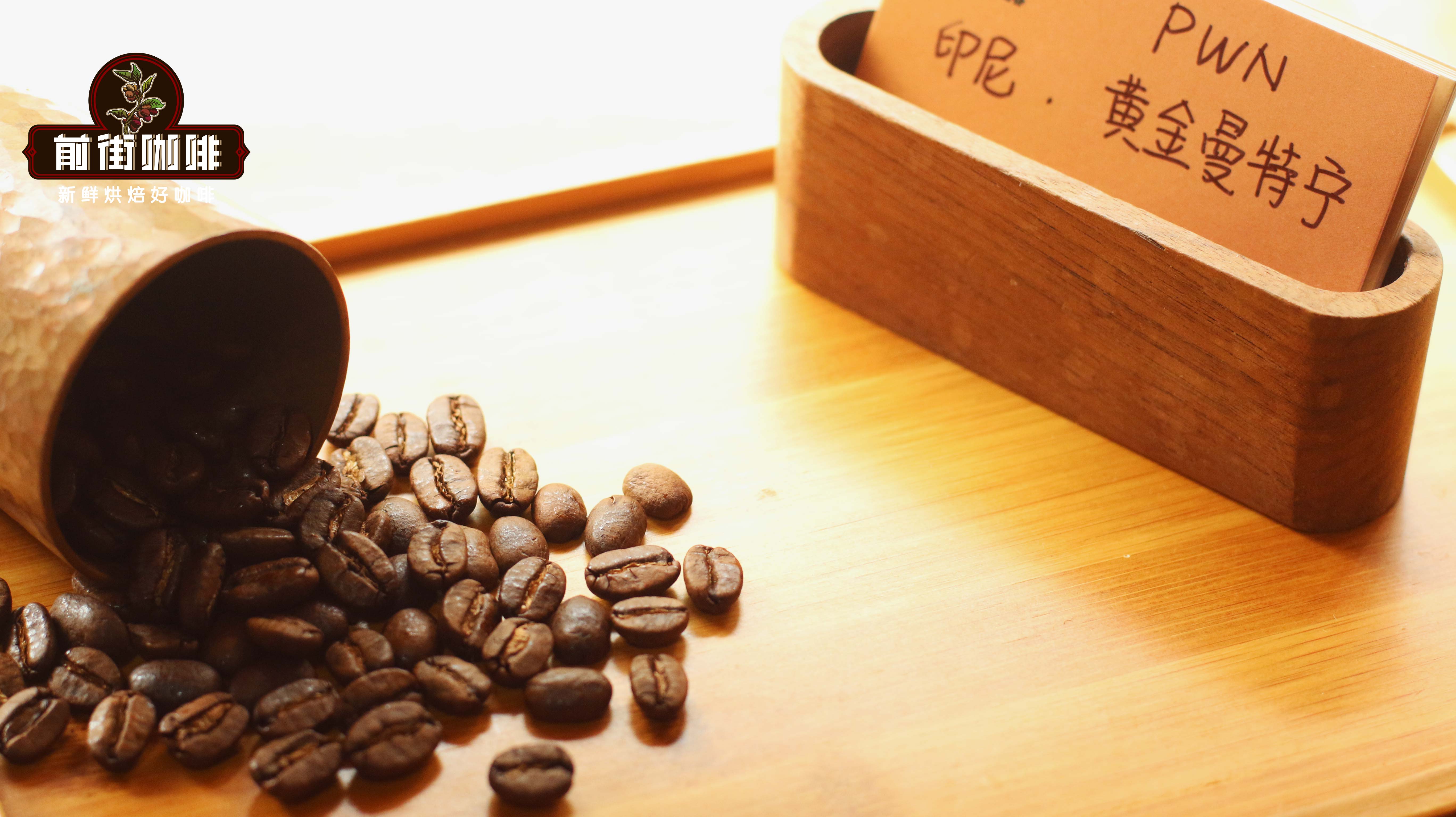
Sumatra, Indonesia, has a typical tropical rainforest climate, which is humid and rainy year-round, with air humidity consistently maintained between 70% and 90%, and annual rainfall exceeding 2000 mm. Such a moist environment makes traditional sun drying or prolonged outdoor drying extremely difficult, as beans are prone to mold or spoilage. To accelerate the processing, reduce risks, and bring the coffee to market sooner, the locals developed wet hulling (Wet Hulled), also known as Giling Basah—a semi-washed processing method that combines elements of washed and semi-sun-dried techniques.
Wet hulling originally stemmed from early Indonesian attempts at sun drying, but due to climatic challenges, the quality was inconsistent. Later, a method similar to Brazil’s semi-sun-dried process was adopted. However, Indonesia’s high temperatures and frequent rain make it impossible for parchment coffee to dry fully outdoors for several days as in Brazil. Instead, the beans are only dried in the sun for one to two days until their moisture content drops to 30% to 50%, after which they must be quickly sent to processing facilities for the next steps.
At this stage, the parchment coffee is still semi-hard and semi-soft, with the mucilage layer not yet fully solidified. Processing facilities use specialized machinery to remove the husk, also known as the parchment layer. Due to the high moisture content and soft texture of the beans, the machine needs to apply significant friction to peel off the husk. This process often squeezes or bruises the beans, especially at the ends, creating indentations resembling “goat hooves”—one of the reasons Sumatran coffee beans are often called “goat hoof beans.”
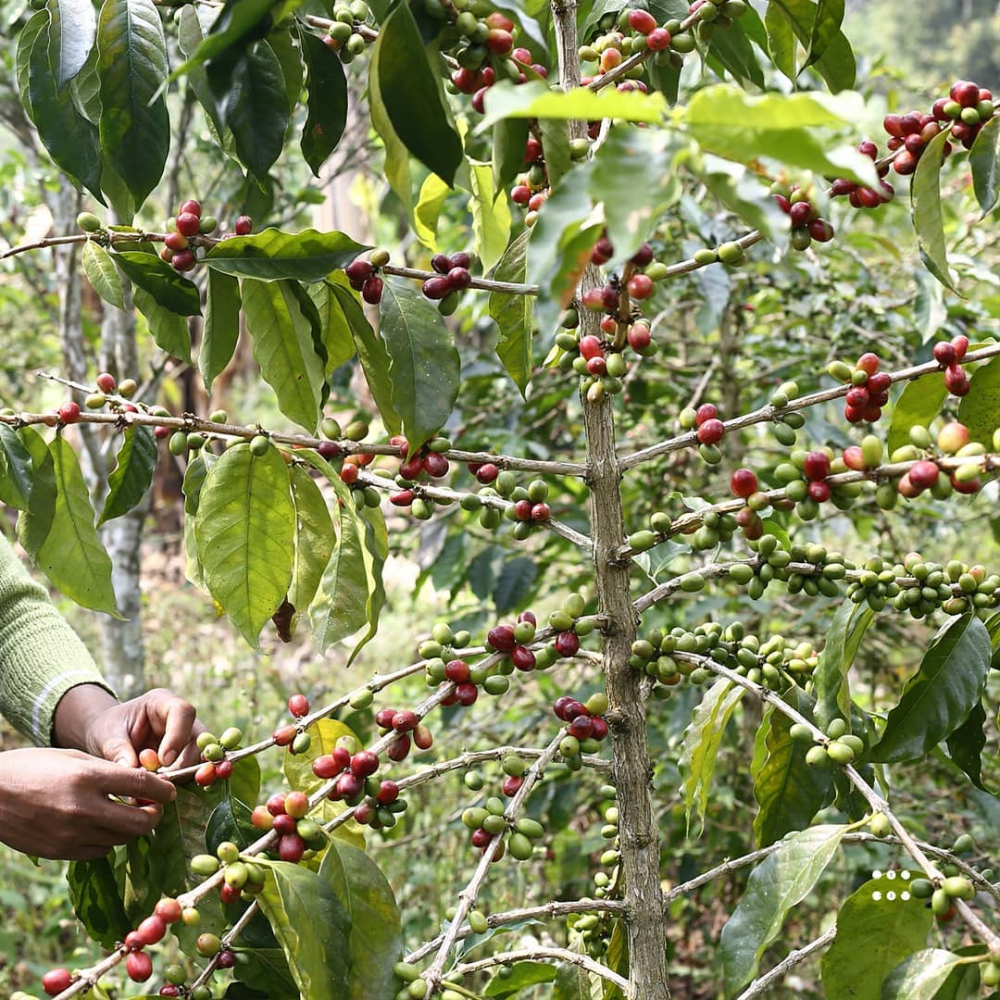
Notably, during the wet hulling process, the husk and silver skin—which are usually removed last—are taken off earlier, causing the green bean to be exposed directly to sunlight and air in its “inner bean” state before it is fully dried. This unique treatment accelerates the drying process but also makes the beans more susceptible to surrounding microorganisms and moisture, thereby developing the distinctive woody, spicy, and herbal “regional flavors.”
After the outer layer is removed, the parchment coffee continues to be sun-dried until its moisture content drops to around 12% to 15%, at which point it is bagged, machine-sorted, and graded by bean size. This multi-stage drying process contributes to Mandheling’s unique flavor profile: low acidity, full body, and intense earthy and spicy notes.
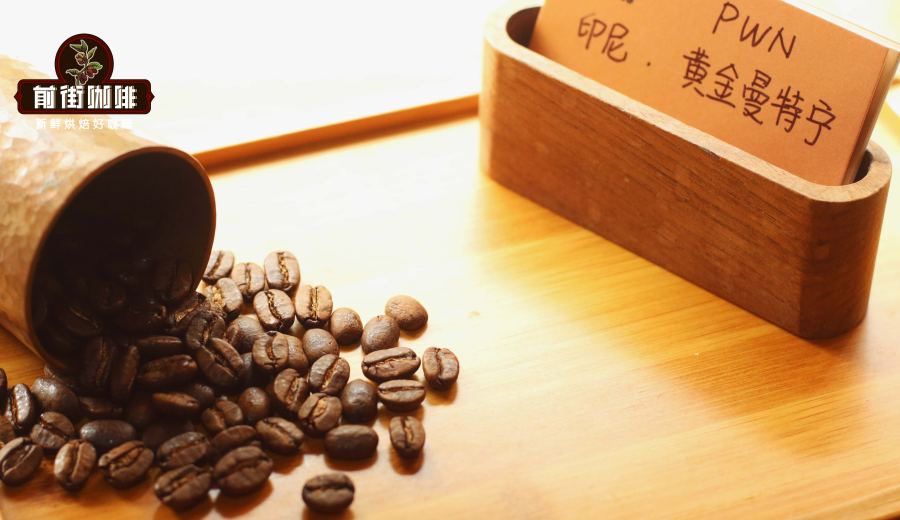
For coffee beginners looking to explore the unique flavors of Indonesian coffee, it is recommended to start with the cost-effective Lintong Mandheling, which typically embodies representative Sumatran characteristics and is suitable for everyday drinking and flavor training. For more advanced coffee enthusiasts, Golden Mandheling from PWN (Indonesia’s specialty coffee certification body) is a classic choice that showcases the essence of wet hulling, offering a more balanced and layered flavor profile.
Mandheling coffee, with its bold flavors and full body, is particularly well-suited for pour over brewing, which can fully highlight its low acidity, richness, and multi-layered aromas. It is recommended to use a KONO filter cone for extraction. This cone features a smooth upper section and short ribs on the lower part. When wet, the cone adheres tightly to the filter paper, effectively reducing gas release and extending the contact time between water and coffee grounds, thereby increasing extraction efficiency and resulting in a richer, fuller-bodied coffee flavor.
In practice, it is recommended to use 15 grams of coffee grounds, a suitable amount for a 1 to 2-cup filter cone capacity. Using too much may affect extraction evenness. The suggested coffee-to-water ratio is 1:15, which is the most balanced and suitable for most palates within the 1:13 to 1:17 range. Adjustments can be made based on personal preference for a stronger or milder brew.
Specific pour over parameters are recommended as follows: using a KONO filter cone, set the water temperature to 87°C, and grind size to 70% through a Chinese No. 20 standard sieve (equivalent to a medium-fine grind). Employ a three-stage pouring method. First, wet the filter paper and pour 30 grams of water for a 30-second bloom—dark roasted Mandheling will visibly expand at this stage. Then, steadily pour up to a total of 125 grams. Once the water level drops by half, pour the final 100 grams. Maintain a thin, steady stream throughout to avoid excessive agitation that could cause channeling. After all the coffee has dripped through, gently swirl the coffee in the server before serving.
It is important to note that the above parameters are based on freshly roasted coffee beans. It is recommended to use beans roasted within 5 days for optimal flavor performance. Freshly roasted Golden Mandheling, when brewed using pour over, often exhibits intense aromas of cedar, spices, dark chocolate, and roasted hazelnuts, with a clean finish and a caramel-like sweetness, delivering an overall more three-dimensional and rich cup profile.
The above content is compiled by CoffeeHunters, a coffee news website.


