







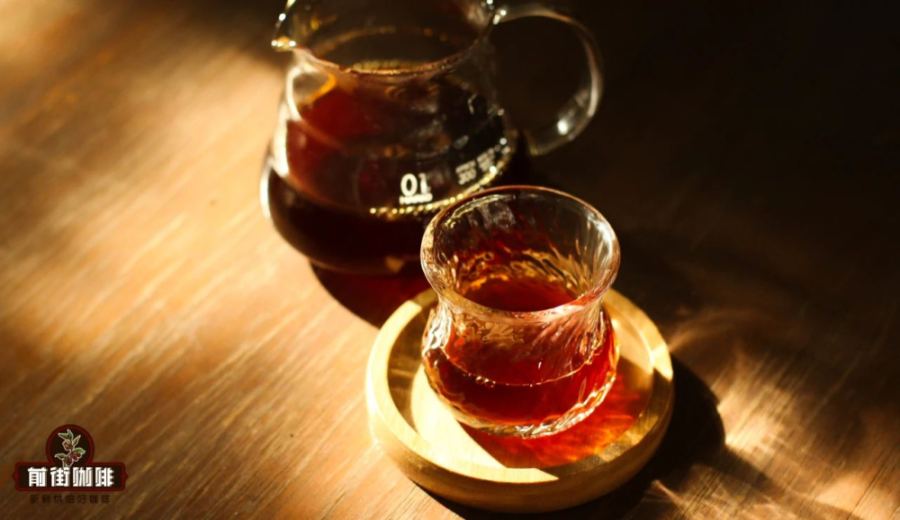
Introduction:Delve into Tanzania’s most iconic Kilimanjaro region coffee, from the unique terroir shaped by volcanic terrain to its bright acidity and rich fruit notes. This article explores the characteristics of the growing area, how it differs from Kenya AA, and provides practical V60 pour over parameters to help you master the key techniques for brewing citrus, berry, and honey-tea flavors.
As an important coffee-producing country in East Africa, Tanzania’s Kilimanjaro region produces coffee beans that are considered the flagship of the nation’s output, accounting for approximately75%of the country’s total production.
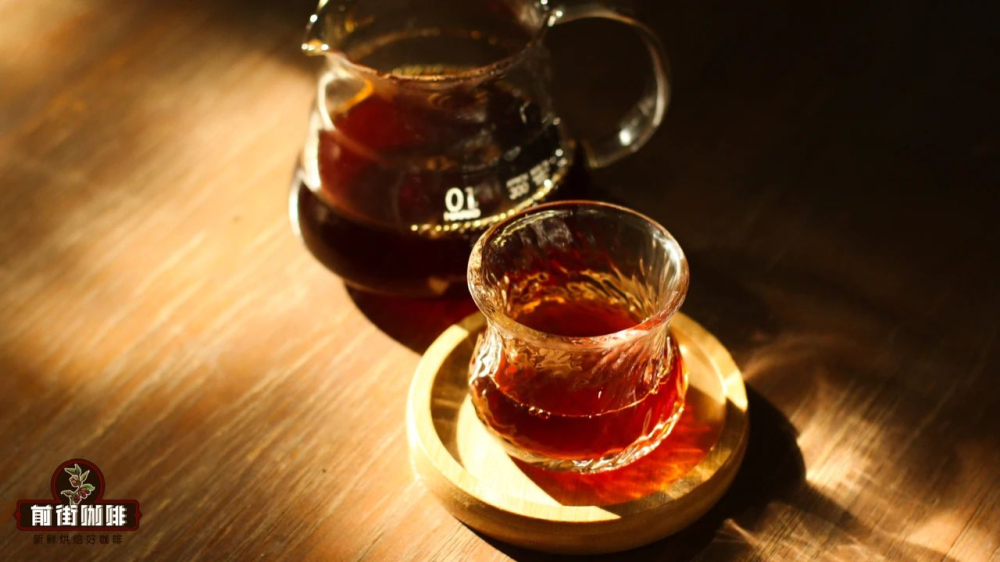
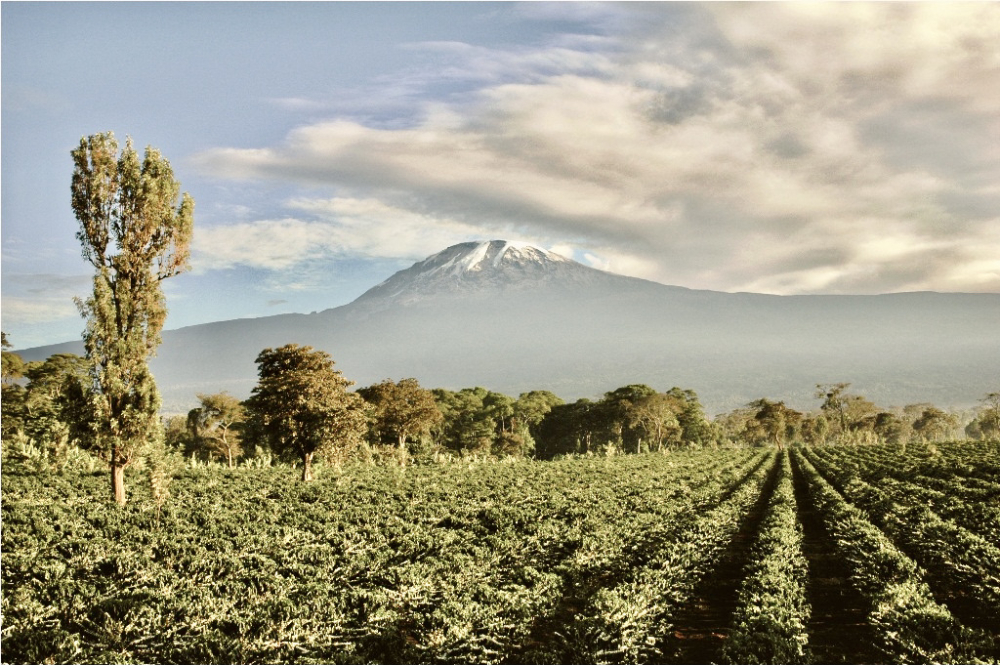
This area is not only home to Africa’s highest mountain but also boasts unique volcanic soil and microclimates that give rise to coffees with distinct and layered flavor profiles.Mount Kilimanjaro is located in northeastern Tanzania, the highest peak on the African continent, and is a volcano-formed landform that also features the world’s second-largest volcanic crater. The volcanic ash soil here is rich in minerals, well-drained, and slightly acidic. Coupled with significant diurnal temperature variations, it provides an ideal environment for coffee trees. Annual rainfall in the region varies significantly due to topography, with valley areas receiving around800 to 900 millimeters, while windward coffee-growing slopes can get up to1600 to 1800 millimeters
, contributing to the richness and uniqueness of the coffee’s flavor.Compared to other East African regions, Kilimanjaro coffee is known for itsbright acidity and full body,
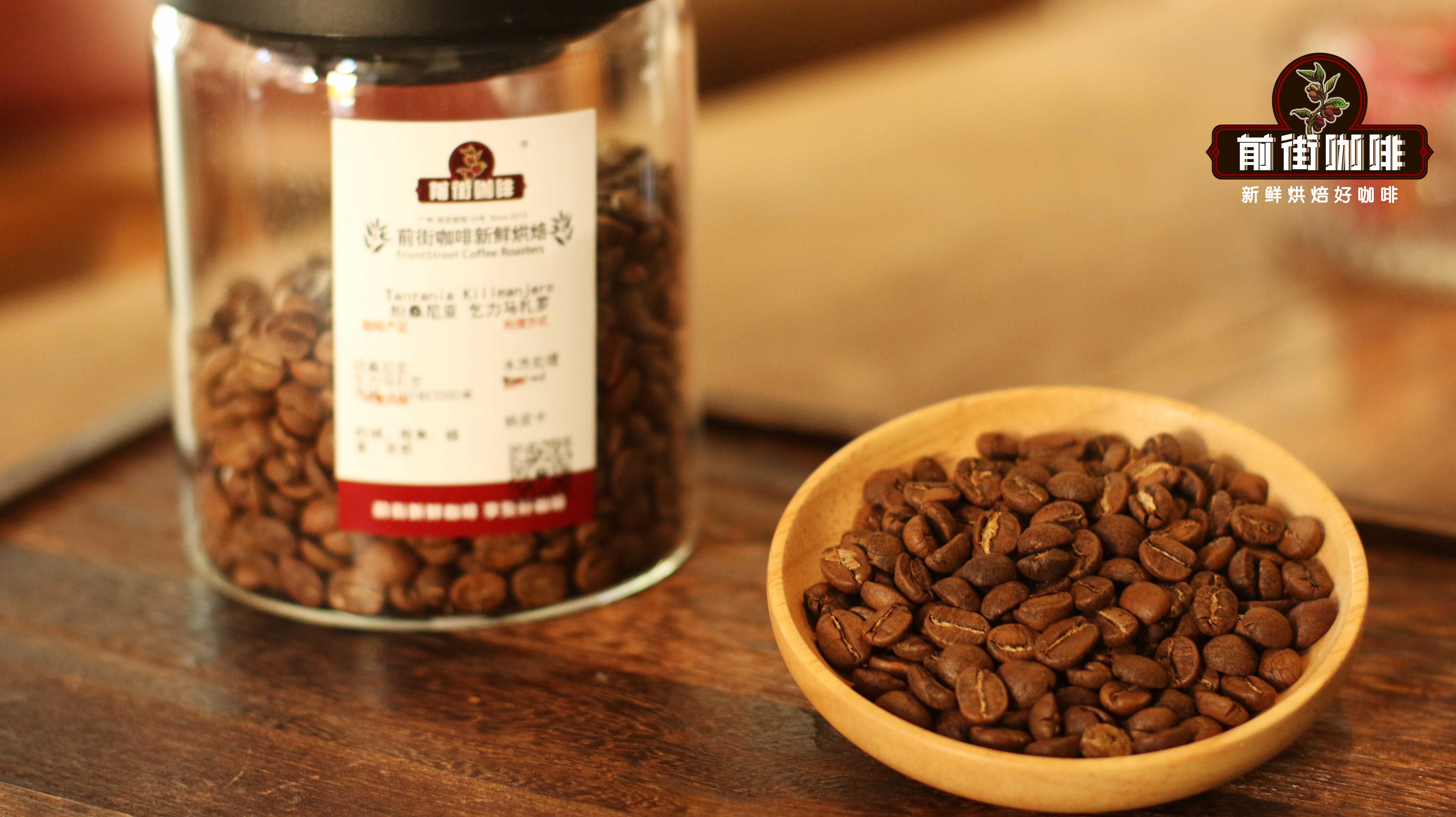
as well as its delicate fruity and honey-tea notes. Its flavor profile often features the refreshing acidity of citrus and berries, paired with sweet caramel and creamy chocolate undertones. Upon cooling, hints of almond may even emerge, resulting in a balanced and layered overall cup.
The cultivation and processing of Kilimanjaro coffee face challenges such as inadequate infrastructure and limited labor input. Due to the lack of advanced processing equipment locally and varying levels of quality management commitment among some farmers, finding top-tier Kilimanjaro coffee is not easy. However, in recent years, driven by cooperatives and fair trade mechanisms, some small-scale growers have started paying more attention to detailed processing, improving overall consistency in quality.
Compared to neighboring Kenya AA, Kilimanjaro coffee has a slightly lighter body and gentler acidity, yet still maintains outstanding clarity and balance. Its mouthfeel is typically smoother, with subtle notes of blackcurrant, making it a mild and elegant offering that ranks among the world’s top Arabica coffees.
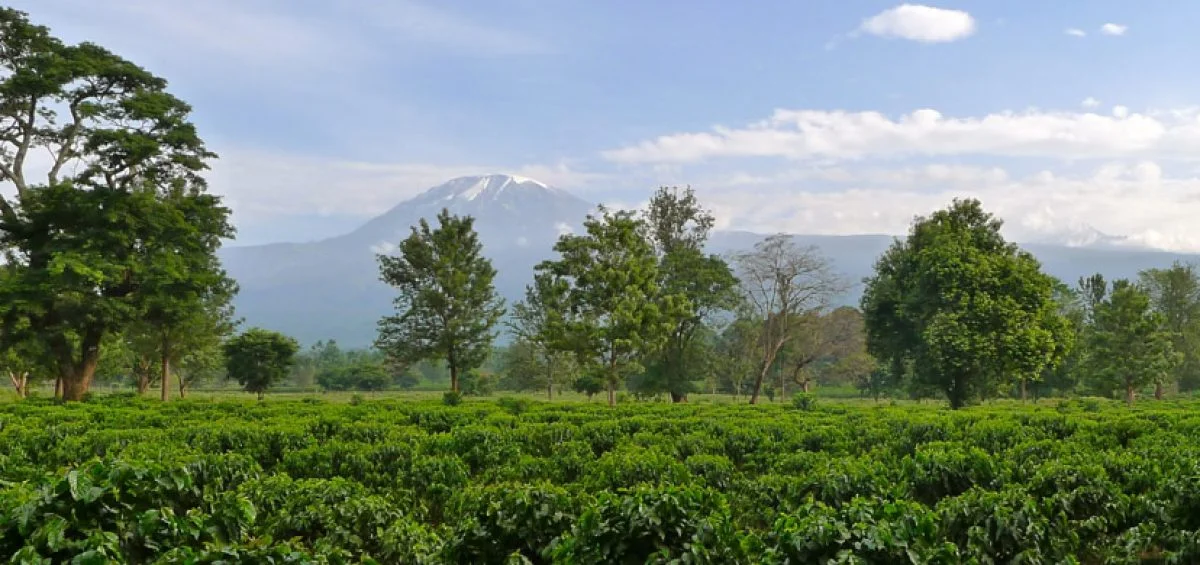
In terms of processing methods, the Kilimanjaro region primarily uses washed processing (wet processing), which removes the pulp and ferments to remove mucilage, preserving the beans’ clean flavors. Many coffee trees in the area are intercropped with banana trees, which not only provide shade to facilitate slower fruit ripening but also allow banana leaves to naturally nourish the soil, creating a beneficial ecological cycle.The coffee harvest season in the Kilimanjaro region runs fromOctober to February of the following year,when climatic conditions are most favorable for the maturation and picking of coffee cherries. However, in recent years, climate change has led to frequent occurrences of abnormally high temperatures and altered rainfall patterns, resulting in outbreaks of coffee leaf rust (known locally as “La Roya”). It is estimated that this has damaged over90% of coffee trees
, prompting the local government to declare the issue a national emergency.
For coffee enthusiasts looking to brew Kilimanjaro coffee at home and capture its classic flavors, it is recommended to use beans with a medium-light roast and pair them with a V60 filter dripper for pour over brewing. The following are practical brewing parameters and steps:Roasting recommendation:
Medium-light roast, with beans appearing gray-green, showcasing notable potential for sweetness and acidity.Roasting curve:170°CCharge temperatureFirst crack (yellowing point) occurs at approximately6 minutes 30 seconds / 150.8°C, first crack begins at10 minutes 16 seconds / 182.7°C, and the first crack development stage ends1 minute 45 seconds later at 193°C when dropping the beans.
V60 pour over parameters:
• Coffee-to-water ratio:1:15
• Water temperature:91°C
• Grind size: Pour over fine sugar level (approximatelymedium-fine grind,similar to fine sugar granules)
• Brewing method: 30g bloom for 30 seconds, followed by circular pouring to 125g, then waiting for the water level to drop halfway before pouring to a total of 225g.
Flavor profile:Dry aroma carries caramel sweetness, wet aroma presents berry tones; the cup opens with citrus acidity as the main note, complemented by honey-like sweetness, vibrant berry fruitiness, and a tea-like clean finish with lingering honey sweetness.
The above content is compiled by CoffeeHunters, a coffee news website.


