







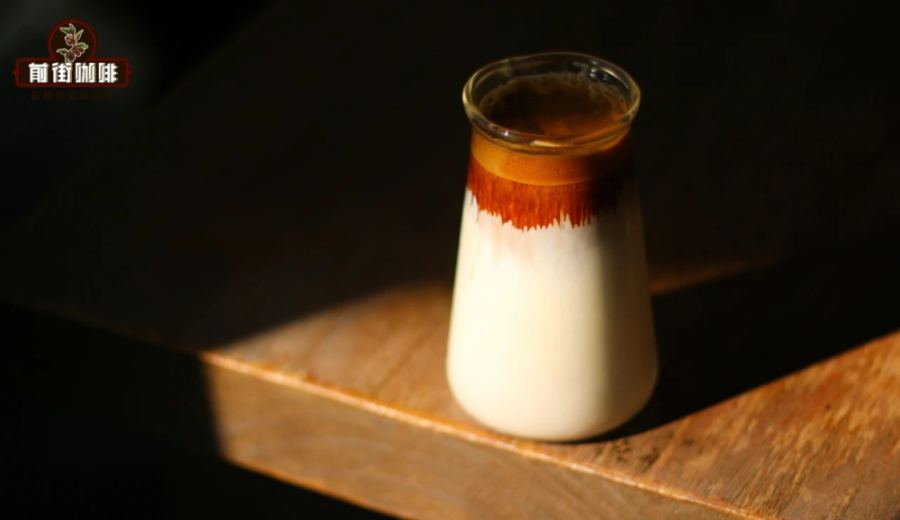
Introduction:When popular SOE single-origin beans meet the sharply contrasting flavors of Dirty coffee, what kind of drinking experience will emerge? This article starts with the Dirty coffee drinking method, analyzes why medium-to-dark roast blends are more commonly chosen, and practically tests three SOE beans with different flavor profiles — including Yirgacheffe, Brazilian Queen Estate, and Costa Rican Blackberry. From extraction parameters and crema performance to flavor layers, it provides detailed practical records and adjustment suggestions to help coffee enthusiasts deeply understand the pairing possibilities of SOE and Dirty.
SOE (Single Origin Espresso) and Dirty coffee have both garnered significant attention in the coffee market in recent years. Many customers entering a café often curiously ask, “Do you have a Dirty made with SOE?” In fact, this combination not only challenges the barista’s extraction skills but also delivers a brand-new taste experience to drinkers. This article will start from the classic way of enjoying Dirty, explore traditional bean selection considerations, and share the process and flavor observations of making Dirty with three different SOE beans, offering practical reference material.
What makes Dirty so captivating is its contrast of hot and cold. The correct way to drink it is to take big sips directly from the rim of the cup, without stirring or using a straw, and it is recommended to finish it within three to four sips. The first sip is usually hot espresso mixed with a small amount of cold milk, where the coffee aroma stands out strongly; the second sip is a not-yet-fully-integrated milk coffee, where you can taste the rich notes of chocolate and milk; by the third sip, the coolness of the cold milk contrasts with the lingering aftertaste of the coffee. Since no ice is used to dilute it, the texture of Dirty is fuller, with distinct layers from hot to cold, and from bitter to sweet.
To maintain the layered effect of coffee and milk, and to allow the espresso crema to rise to the surface, choosing a medium-to-dark roasted espresso blend is usually more suitable.These types of beans not only bring out rich caramel aromas but also avoid the harsh bitterness brought by overly dark roasts. Many baristas recommend using commercial-grade blends, such as those combining Brazilian and Colombian beans with a small addition of Robusta, which can showcase complex aromas of nuts, almonds, and walnuts. These blends have thick crema, low acidity, and a mellow mouthfeel, making them suitable for various settings.
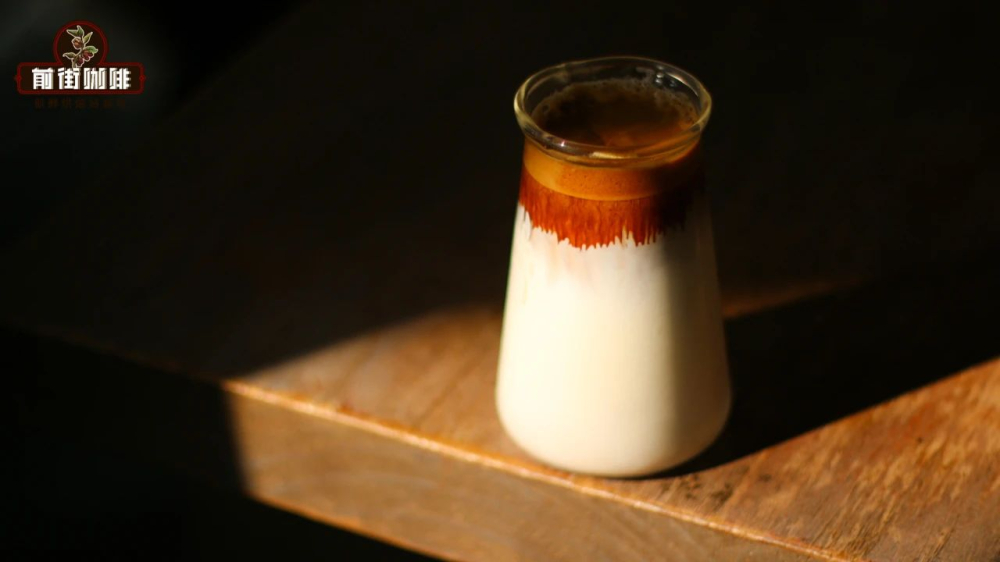
If you prefer a smoother nutty profile, you can also choose a specialty blend with a high proportion of Brazilian beans. These beans typically offer a comfortable balance of bitterness and sweetness, and the resulting espresso often forms the so-called “tiger-stripe” crema layer. Not only does this look great, but it also makes the layering effect more pronounced.
So, why are more and more coffee enthusiasts eager to try making Dirty with SOE? The key lies in SOE's ability to showcase the unique terroir characteristics of a single origin, transforming Dirty from a beverage of contrasting layers into a medium for exploring the flavors of specific regions. By selecting SOEs with different processing methods and roast levels, more targeted aroma expressions can be adjusted to meet personalized taste preferences.

Below are the experimental records of applying three SOEs with different flavor characteristics in Dirty, including extraction parameters (20g dose, 38g yield, 27–33 seconds), as well as flavor experiences during drinking and adjustment suggestions.
Attempt 1: Medium Roast – A Brand’s Red Cherry · Yirgacheffe SOE (Natural)
This Yirgacheffe SOE, processed using the natural method and roasted to a relatively light degree, is brighter than the typical Warm Sun blend commonly used in shops. When made into Dirty, the first sip clearly brings out the bright acidity of citrus and lemon, with a hint of creamy sweetness in the aftertaste. However, due to its prominent acidity, it doesn’t integrate well with the cold milk. By the second sip, the cold milk amplifies the acidic notes, making the overall flavor more like orange-flavored milk. Additionally, the crema of this SOE is thinner and lighter in color. It is recommended to focus on balancing grind size and water temperature during extraction to enhance the body and mouthfeel.
Attempt 2: Medium-to-Dark Roast – A Brand’s Queen Estate · Brazil (Natural)
This Brazilian SOE, processed using the natural method and falling into the medium-to-dark roast range, when made into Dirty, delivers an intense buttery cookie aroma in the first sip. The richness of the hot coffee pairs perfectly with the milk, and the aftertaste carries a slight sweetness from the cold milk. As you continue drinking, the flavors gradually shift toward almond notes, creating an overall impression similar to a nutty chocolate blend. The crema performance of this bean is good, with clear layers, making it suitable for drinkers who enjoy warm and mellow flavors.
Attempt 3: Medium Roast – A Brand’s Blackberry · Costa Rica (Black Honey Process)
This Costa Rican SOE, produced using the black honey process, has quite intense berry flavors. Upon first sniff, the berry aroma is prominent. The first sip presents a tangy and sweet cranberry milk profile, but the aftertaste lacks persistence and quickly transitions into a simple milky sweetness. Starting from the second sip, the coffee flavors noticeably fade, making the overall taste more like milk with a hint of coffee. This may be related to the loose bean structure of black honey-processed beans and their sensitivity to changes in grind size. In practice, multiple fine adjustments to extraction parameters were needed to achieve a relatively stable result. For enthusiasts seeking a richer flavor profile, this presents a challenging experiment.
In summary, using SOE to make Dirty not only enriches the flavor layers of the beverage but also allows drinkers to more deeply experience the unique character of a single origin. However, due to the wide variation in SOE flavor characteristics, it is recommended to flexibly adjust extraction and pairing ratios based on the bean variety’s processing method, roast level, and sweet-acid balance, in order to present the most harmonious Dirty coffee experience.
The above content is compiled by CoffeeHunters, a coffee news website.


