







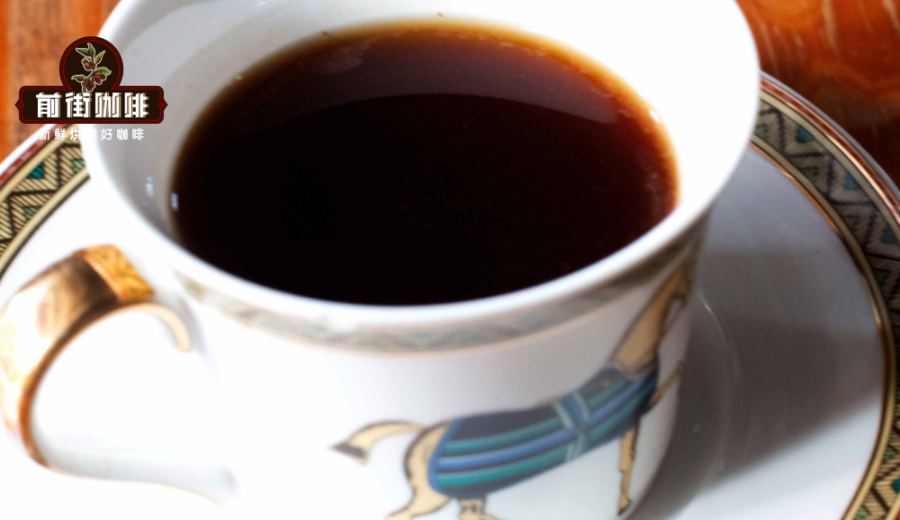
Introduction:Black coffee is favored by many coffee enthusiasts for its pure flavor and minimal additives. Not only is it healthier, but it can also help boost metabolism. But what exactly is true black coffee? How does it differ from the common Americano? This article delves into the definition of black coffee, compares the differences between various brewing methods, and recommends multiple black coffee bean options suitable for pour over or espresso, guiding you through comprehensive knowledge from beginner to advanced levels in both tasting and bean selection.
In recent years, black coffee has gradually become the first choice for many coffee drinkers due to its absence of creamers or added sugar, preserving the most original flavors of the coffee while containing a higher caffeine content that helps invigorate the mind and promote metabolism. When paired with exercise, it even has the potential to aid in fat burning. However, for those new to coffee, questions often arise: What is black coffee? How is it different from an Americano? And how should one choose the right coffee beans? These questions can be quite confusing.
Simply put,black coffee refers to pure coffee without the addition of milk, sugar, or other flavorings, and in its purest form, it fully showcases the layers of acidity, sweetness, bitterness, body, and aroma inherent in the coffee beans. Because it is unflavored, it demands higher quality in the coffee beans, roasting techniques, and processing methods, and more easily reflects the terroir characteristics of the origin. Common forms of black coffee include pour over, French press, siphon, cold brew, ice drip, and even Americanos made by diluting espresso extracted from espresso machines with water.
It is worth noting,that Americano is actually a type of black coffee, albeit one made by diluting espresso with water at a certain ratio, resulting in a lighter overall taste that is suitable for everyday drinking. The scope of black coffee is broader, encompassing various forms from light to dark roasts, from single-origin to pour over or machine extraction, among which pour over and espresso are the most notable.
Many people also misunderstand white coffee, assuming it is white-colored coffee, but in factwhite coffee does not refer to color, but rather to coffee made using a special low-temperature roasting process. It is roasted to a lighter degree and processed to reduce caffeine and bitterness, resulting in a relatively soft and smooth taste with less burnt bitterness. It is suitable for those who are not accustomed to strong coffee flavors. However, the roasting and processing techniques of white coffee differ significantly from those of black coffee, and its flavor profile tends to be mellow and sweet, lacking some of the distinct layers and bold personality commonly found in black coffee.
Returning to the selection of black coffee, if you prefer pour over, it is recommended to choose single-origin coffee beans with medium-light to medium roasts to fully highlight regional characteristics and delicate flavor profiles. For example, the Musician Series coffee beans from Costa Rica, produced in the high-altitude region of Tarrazú, mostly use the Caturra and Catuaí varieties, and are processed with raisin honey or washed methods, offering refined and layered flavors.The "Beethoven" from Costa Rica’s Canet Musician Series, using the Yellow Catuaí variety and washed processing, boasts aromas of green grapes, vanilla, strawberries, and citrus, with bright acidity and a smooth mouthfeel. The "Mozart" is processed with raisin honey, offering high sweetness with rich fruit aromas of dried bananas and berries. Another bean, "Bach," uses the Caturra variety and is processed with raisin honey, showcasing intense fruity sweetness and honey-like flavors, making it a classic choice for pour over enthusiasts.
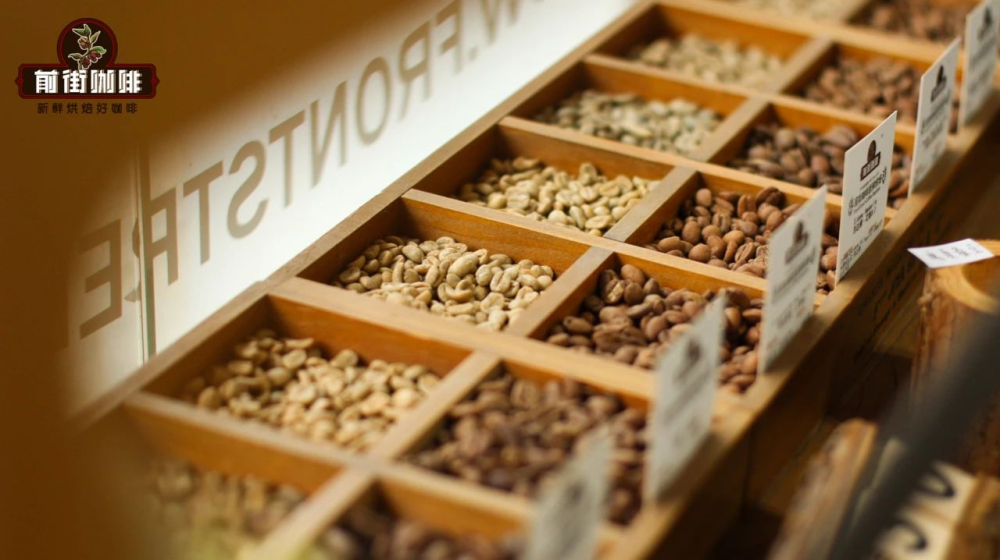
If you enjoy a rich and full-bodied taste, you might want to try Indonesia’s Golden Mandheling. This coffee bean comes from the Aceh region of Sumatra and is processed using the traditional wet-hulled method, bringing out strong herbal, spicy, and caramel aromas. The wet-hulled method involves partially removing the outer layer of the coffee bean before removing the mucilage and parchment, increasing the bean density and resulting in a thick body and intense character when roasted. Its flavor profile is stable, with a balanced bitterness and sweetness, along with a unique spicy note, making it suitable for those who prefer dark roast flavors.
Additionally, the Gu Ding Ding coffee beans from Yirgacheffe, Ethiopia, are another high-altitude single-origin bean that should not be missed.Produced in the Wolkite micro-region, Gu Ding Ding uses traditional washed processing. The coffee bean variety is heirloom, grown at altitudes of 1900-2300 meters. This bean offers a refreshing flavor with bright acidity of passion fruit, citrus, and berries. Upon tasting, it presents a blend of fruitiness and tea-like qualities, with a lingering honey-like sweetness. The overall profile is clean and refreshing, making it ideal for pour over lovers who enjoy bright acidity and floral-fruity notes.
As for Americano, it is usually made by diluting espresso with water, using dark-roasted espresso blends to highlight a rich coffee aroma and bold taste. The selection of these coffee beans typically emphasizes high stability and rich crema, making them suitable for large-scale extraction and everyday drinking. They also serve as the base beans for many cafés when making Americanos or lattes.
In summary, black coffee is not just a single form, but a general term encompassing various brewing methods such as pour over, filter drip, and espresso. Choosing the right coffee beans and roast level allows you to experience different flavor characteristics. Whether you are pursuing bright fruity notes, a rich and full-bodied taste, or a smooth and mellow mouthfeel, you can find your perfect cup in the world of black coffee.

The above content is compiled by CoffeeHunters, a coffee news website.


