







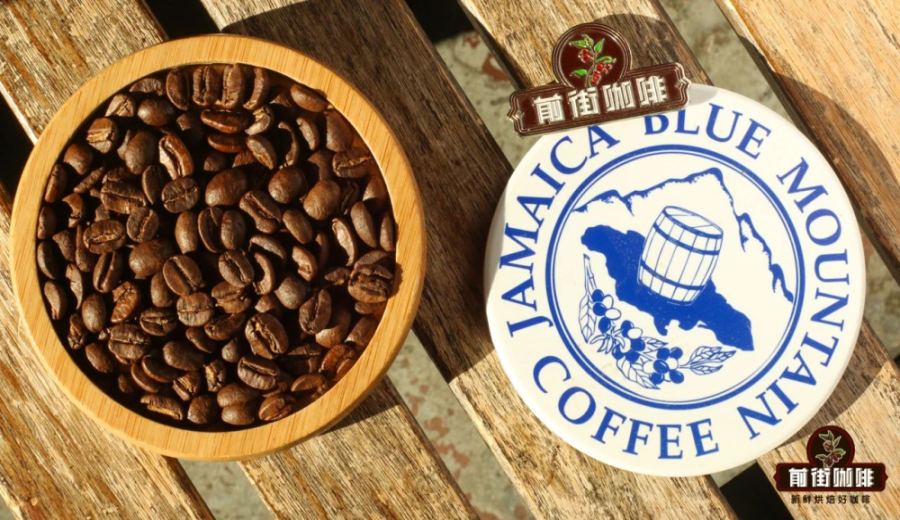
Introduction:Both Jamaican Blue Mountain and Indonesian Mandheling are classic, full-bodied coffee varieties beloved by coffee enthusiasts. However, they differ greatly in terms of growing environment, green bean processing techniques, grading systems, and pour over performance. This article delves into the differences between Blue Mountain and Golden Mandheling from origin to cup, accompanied by a practical flavor comparison under identical pour over parameters, helping you find the specialty coffee bean that best suits your taste preferences.
In the world of specialty coffee, Jamaican Blue Mountain and Indonesian Mandheling have long been two iconic representatives. Though both possess rich and bold characteristics, they each showcase distinctly unique personalities in terms of terroir, processing methods, bean genetics, and actual extraction flavors. Next, we will comprehensively compare these two top-tier coffees from multiple perspectives and provide a flavor analysis under the same pour over settings, so you can fully understand their unique qualities at a glance.
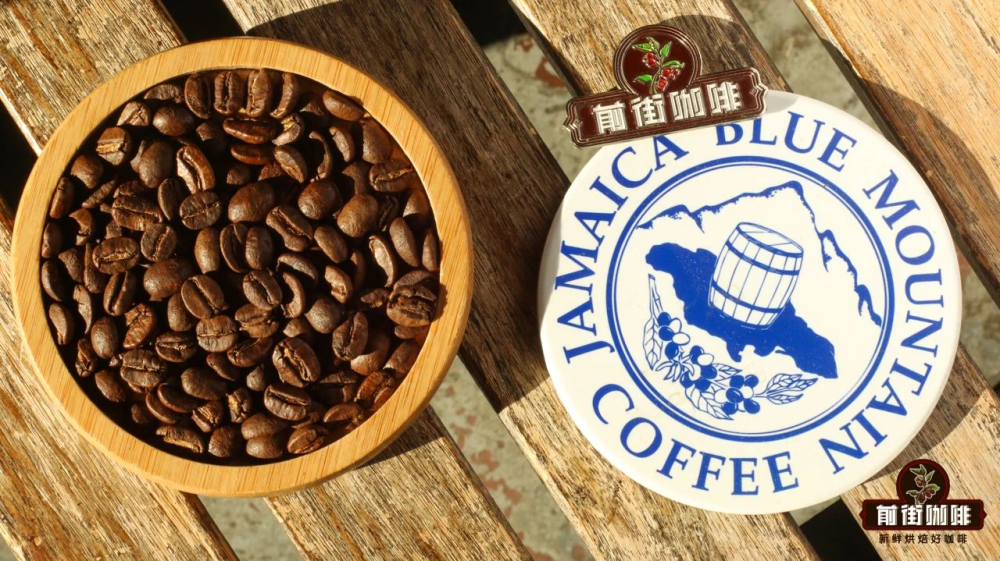
Growing Environment Shapes Unique Flavor Foundations
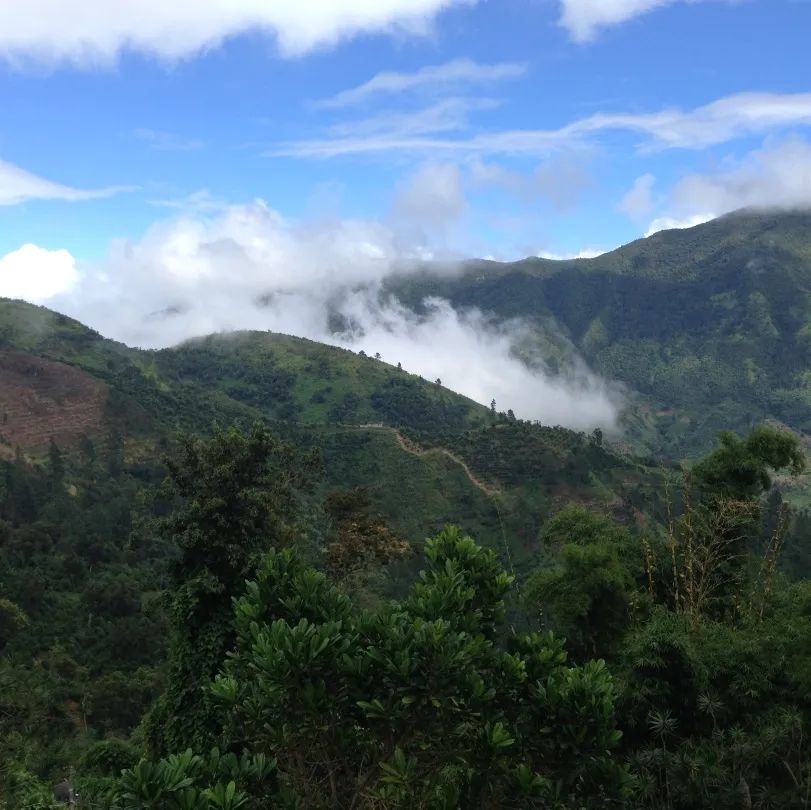
Jamaican Blue Mountain coffee is cultivated primarily in the Blue Mountains of eastern Jamaica, one of the highest mountain ranges in the Caribbean with its main peak reaching approximately 2,256 meters. However, coffee is only allowed to be grown below 1,700 meters. The region boasts fertile volcanic soil, a cool and humid climate, significant day-night temperature variations, and frequent cloud cover that helps slow down the ripening process of coffee cherries, thereby allowing more complex flavor compounds to develop. The overcast weather and abundant rainfall create ideal growing conditions for Blue Mountain coffee, resulting in its delicate and balanced flavor profile.
In contrast, Indonesia’s Golden Mandheling mainly comes from the Lake Toba region in northern Sumatra, particularly around the Gayo Mountains. Indonesia lies on the equator and features a typical tropical rainforest climate with high temperatures and heavy rainfall year-round. However, due to the long rainy season, traditional sun-drying methods are less favorable, leading to the development of the unique “wet hulling” method. The island of Sumatra, where Mandheling is grown, has fertile volcanic soils, and the moist environment along with high altitudes also provides ideal growing conditions for coffee trees. However, the overall flavor profile tends to be bolder, heavier, with earthy and herbal notes.
Processing Methods Differ Greatly: Washed vs Wet Hulling
Jamaican Blue Mountain coffee still adheres to the traditional washed processing method. After harvesting, the coffee cherries first undergo floatation to remove unripe or overripe fruits, followed by the removal of the skin and pulp. They are then fermented for 12 to 18 hours before the remaining mucilage is washed off with clean water. The beans are then evenly spread out on drying beds until their moisture content is reduced to 12% to 14%, after which they undergo final sorting and packaging. Since 2020, some Blue Mountain regions have also begun experimenting with small batches of natural-processed Blue Mountain No. 1, bringing new variations to the traditional flavor.
Indonesian Golden Mandheling, on the other hand, mostly employs the wet hulling method. This technique was developed in response to the region's humid and rainy climate. First, the outer skin of the coffee cherry is removed, then it is rinsed with clean water, followed by a brief fermentation of about 3 hours. It is then placed in a shaded area to semi-dry, at which point the moisture content is around 30% to 50%. While the beans are still soft, the intermediate mucilage and parchment layers are removed, and the beans are further sun-dried until the moisture content drops to 12% to 13%. Because the protective layers are removed early, the beans are prone to deformation during drying, resulting in the characteristic “horse hoof” shape. This processing method gives Mandheling a fuller body and richer flavor characteristics.
Green Bean Grade and Variety Genetic Differences
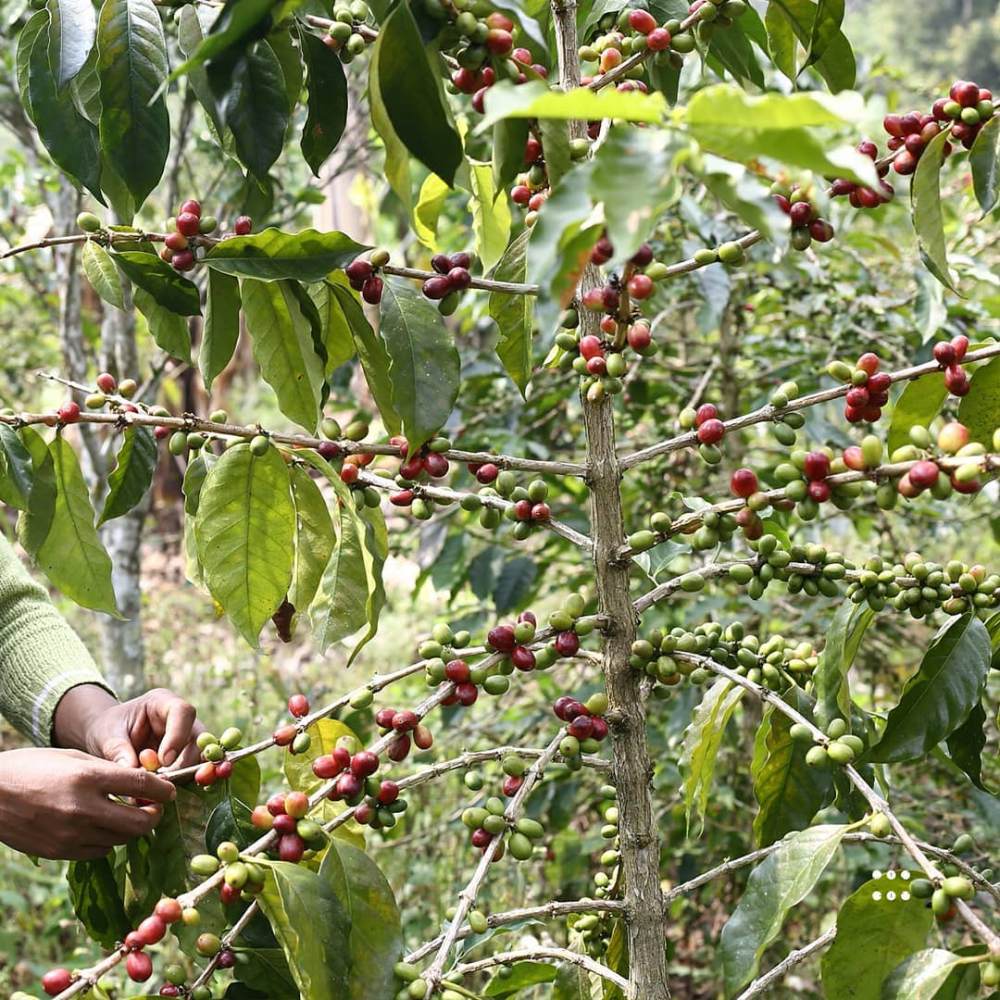
Jamaican Blue Mountain coffee uses only the ancient Typica variety, whose top leaves exhibit a bronze color and whose beans are regularly oval-shaped. Based on the altitude of the growing region, Jamaica classifies coffee grown between 910 and 1,700 meters as “Blue Mountain coffee,” with this zone further divided into key producing areas such as Saint Andrew, Saint Mary, Saint Thomas, and Portland. Only the highest quality coffee produced within this altitude range can be labeled as “Jamaica Blue Mountain Coffee (Jamaica Blue Mountain).” Blue Mountain coffee is further divided into four grades, with Blue Mountain No. 1 being the highest grade. It requires green beans with a size of 17 mesh or above, a defect rate of less than 2%, a moisture content of around 13%, and a uniformly blue-green appearance. These factors collectively contribute to its refined and balanced flavor profile.
Indonesia’s Golden Mandheling primarily uses two varieties: Aeng and TimTim. The former is a hybrid offspring of Catimor and TimTim, while the latter is a natural cross between Typica and Robusta. Both varieties exhibit good resistance to common diseases such as leaf rust and berry disease, ensuring stable yields. Golden Mandheling purchased by a certain coffee brand comes from Lake Tawar in the Gayo Mountains of Sumatra, belonging to a top-tier batch of G1 grade. The green beans are subjected to multiple rounds of manual sorting after purchase to ensure each bean meets high standards with an extremely low defect rate. These carefully selected beans ultimately deliver a flavor profile that is clean, rich, and distinctly sweet.
Flavor Profile: Differences in Dry Aroma, Cupping Notes, and Aftertaste
Blue Mountain No. 1 coffee often exudes roasted peanut, hazelnut, melon, and chocolate aromas in its dry scent, while brewing reveals a complex layering of oolong tea, caramel, honey, chocolate, and almond skin. During cupping, one can perceive delicate acidity and bright floral notes, with cocoa and chocolate aftertastes that linger long on the palate. The overall mouthfeel is rich and smooth, with fruity notes still clearly distinguishable in the finish.
Golden Mandheling, on the other hand, has a dry aroma that carries strong notes of toasted bread, nuts, and spices. When brewed, the caramel and dark chocolate aromas become even more pronounced. Cupping reveals a blend of pine, herbs, and caramel, delivering a bold yet balanced flavor with excellent sweetness. The overall presentation is very clean, and the aftertaste is marked by a lasting caramel sweetness.
Practical Pour Over Comparison Under Identical Parameters
To ensure a fair comparison, we used identical extraction parameters for pour over testing of both coffees: a KONO filter cone, water temperature controlled at 88°C, grind size set to 70% passing through a 20-mesh sieve, a brew ratio of 1:15, and 15 grams of coffee grounds. The pour over process is as follows: first, wet the filter paper to ensure it adheres to the cone, then add the coffee grounds and perform a 30-second bloom with 30 grams of water. Next, pour water in a circular motion centered on the grounds until reaching 125 grams for the first pour. Once the coffee bed has settled to the middle of the cone, pour again up to 225 grams, then wait for the drip-through to finish.
The actual pour over results showed that Blue Mountain No. 1 released a rich caramel sweetness during brewing, with a dominant flavor profile of nuts and chocolate upon tasting. The acidity and sweetness were well-balanced, the mouthfeel was full-bodied, and the aftertaste was long-lasting. Golden Mandheling, on the other hand, exhibited more pronounced spicy and herbal notes, with especially notable chocolate and caramel aftertastes. The overall flavor was rich and bold, making it highly suitable for those who enjoy a heavier body.
The above content is compiled by CoffeeHunters, a coffee news website.


