







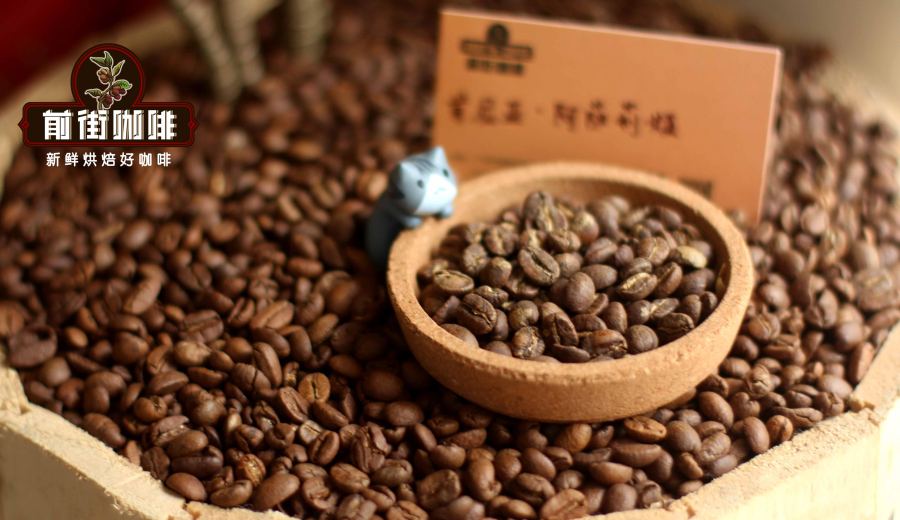
Introduction:Kenyan coffee is renowned for its vibrant acidity and juicy profile, yet it is often underrated. This article delves into the SL28 and SL34 varieties from the well-known Gikanda Factory in Kenya’s Meru region, exploring how their unique 72-hour double-washed processing method creates a bright and clean flavor profile. It also provides practical pour over parameters and roasting recommendations for light to medium roasts, helping you unlock the potential of this high-value specialty bean.
When it comes to fruity and acidic pour over coffees, many people instinctively think of Ethiopia’s Yirgacheffe or Panama’s Geisha, but overlook the fact that Kenyan beans can also deliver layered, high-acidity sweetness and a juice-like vibrancy. In particular, Kenyan AA beans from the Gikanda Factory in the Meru region, thanks to the SL28 and SL34 varieties combined with traditional double-washed processing, achieve a uniquely bright acidity and rich juiciness.
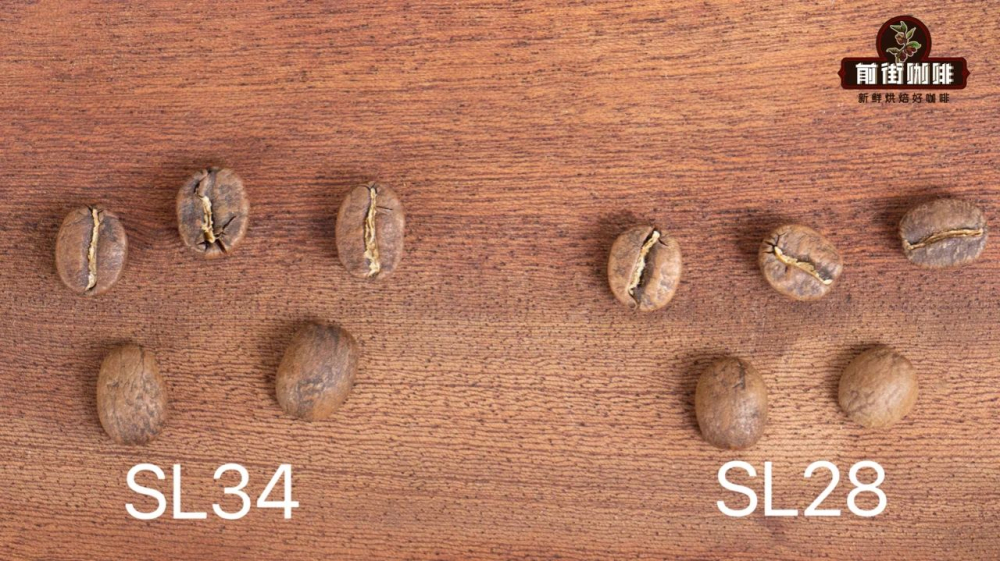
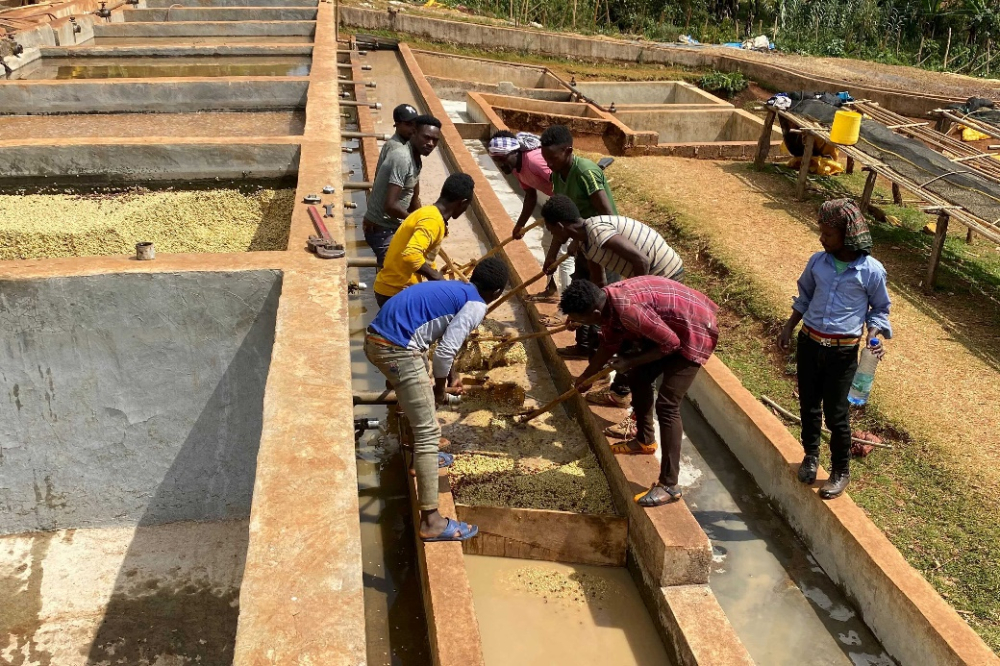
The main varieties of Kenyan coffee are SL28 and SL34—two classic selected cultivars that thrive at high altitudes and preserve more of their native flavors during processing. The locally prevalent "double-washed method" is another key factor. Unlike the common 36-hour fermentation process used in Central and South America, the Kenyan technique involves a 48-hour fermentation to remove the mucilage, followed by 24 hours of soaking in clean water, totaling a 72-hour fermentation cycle. This industry-known "double fermentation" or "double soak" process is what delivers its sharp yet smooth acidity and pronounced sweetness.
The SL28 variety is known for its dark plum and citrus acidity, often accompanied by the rich sweetness of dark stone fruits, resulting in a tightly structured flavor profile reminiscent of fine wine. The SL34, on the other hand, shows a softer acidity with subtle hints of nuts and spices. Notably, Kenya’s volcanic soils are rich in high-phosphate minerals, which further enhance the coffee’s sweetness foundation and flavor complexity—successfully challenging the stereotype that “selectively bred varieties are inferior to wild ones.”
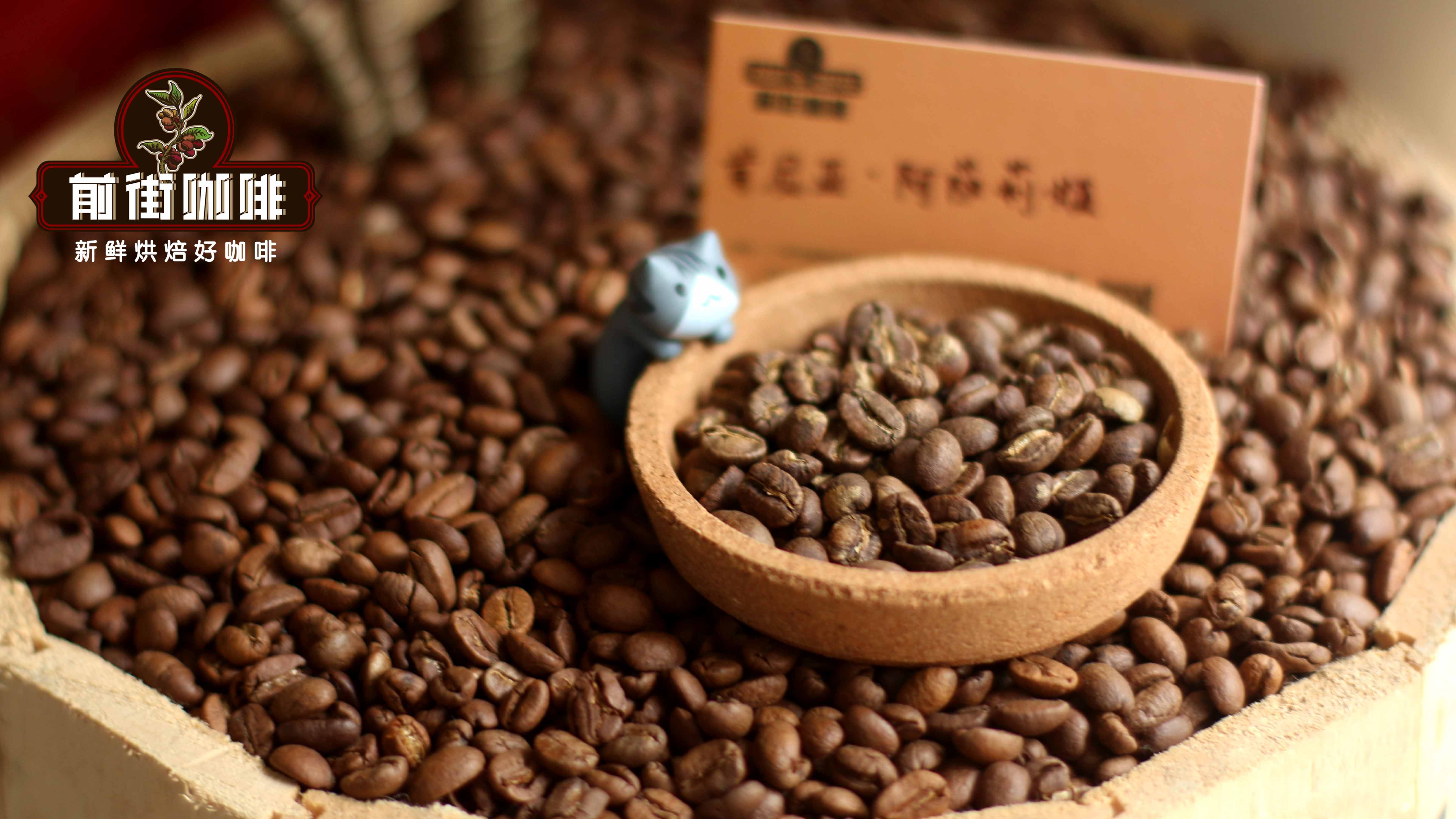
Roast level significantly impacts the flavor of Kenyan coffee: dark roasts can bring out intense body and a steady caramel finish, but they often mask the coffee’s proud bright acidity. Light to light-medium roasts, however, fully release a vibrant mix of black plum, cherry tomato, and floral notes. For pour over brewing, it is recommended to choose light or light-medium roast batches, and pay attention togrind size recommendation: sugar-like fine (approx. BG 6F), water temperature 90–92°C, brew ratio 1:15 to 1:16as baseline parameters. Using a multi-pour method can better highlight its diverse flavor layers.
Taking the commonly available high-altitude beans from the Meru region (elevation 1550–1750 meters) as an example, the typical flavor profile of AA-grade Kenyan coffee from the Ashelya Factory includes black plum, cherry tomato, brown sugar, and black plum elements. These fruit-forward profiles with subtle sweet-salty balance are perfect for pour over enthusiasts seeking a refreshing flavor experience. It is important to note that,no matter how high the quality of the coffee beans, their aroma and vibrancy will noticeably decline after being roasted for more than one month, and some improperly stored batches may even develop woody off-flavors. Therefore, selecting freshly roasted beans (ideally roasted within one week) and ensuring good storage conditions is crucial.
When choosing Kenyan beans for pour over, prioritize suppliers with stable roasting quality control and fast delivery capabilities. Freshly roasted beans not only retain full aromatic compounds but also ensure optimal acidity-sweetness balance and flavor details during brewing. Pay attention to the roast date on the packaging, and aim to use the beans within 1–2 weeks of arrival. Store them properly (e.g., in a single-use valve aluminum foil bag away from light) to fully enjoy the unique fruity acidity and rich layers of Kenyan coffee.
The above content is compiled by CoffeeHunters, a coffee news website.


