







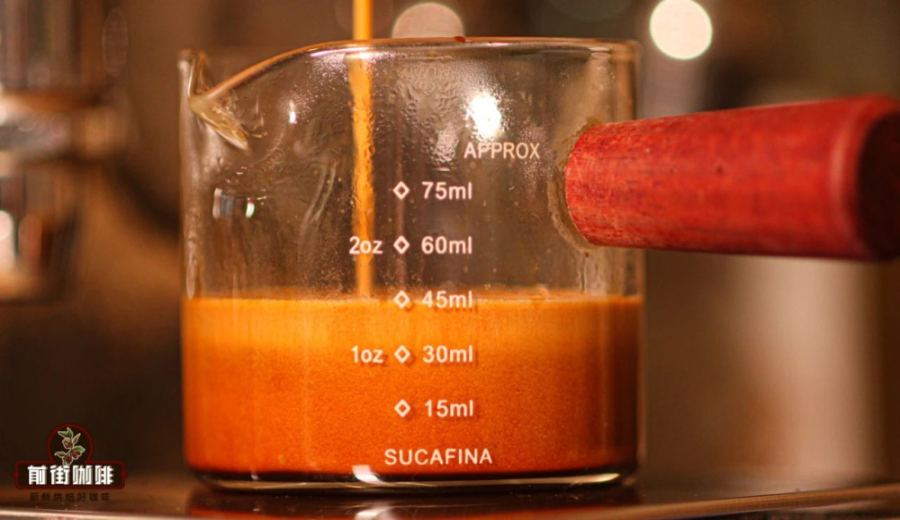
Introduction:Espresso is the base of many classic coffee drinks, but do you know what it’s made of? Where do the crema, sweetness, and bitterness in espresso come from? This article delves into the extraction principles, key components, and standard coffee-to-water ratio and brew time parameters of espresso, helping you understand how to properly enjoy this rich, dark cup.
Espresso is the representative of Italian-style coffee and the soul of classic beverages such as lattes and cappuccinos. Many coffee beginners, when first trying espresso, are often overwhelmed by its intense flavor and thick texture, even wondering, “How am I supposed to drink such a bitter coffee?” In fact, espresso isn’t just a purely bitter drink—it has complex layers and delicate flavors. With the right brewing parameters and tasting approach, you can appreciate its unique charm.
A standard shot of espresso mainly consists of three key parts: first, the layer that floats on top—the crema. This thick, brownish-gold foam forms during high-pressure extraction when carbon dioxide and coffee oils emulsify. This crema not only affects the appearance but also directly impacts the coffee’s mouthfeel and aroma longevity.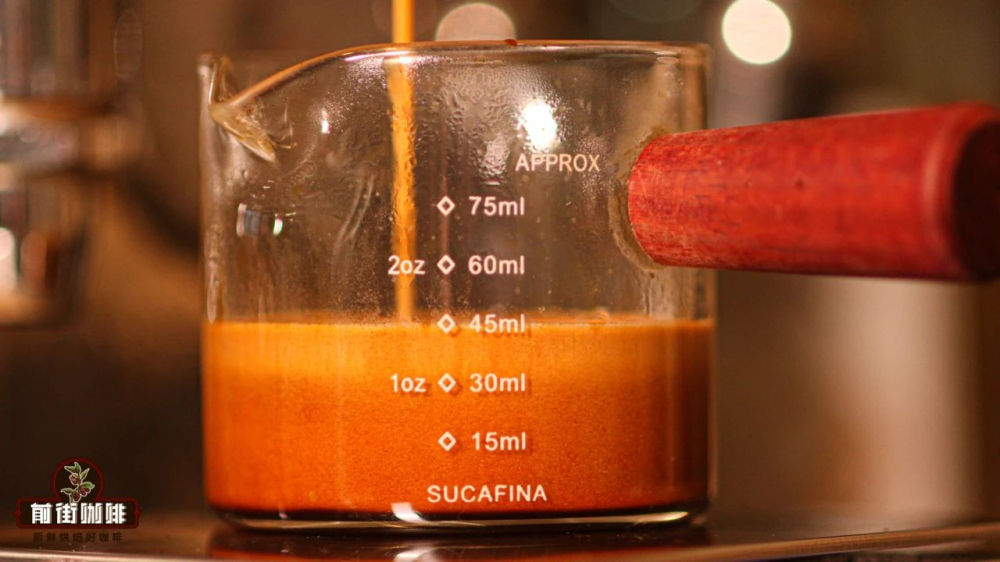
Next is the fine glossy layer floating on the surface of the coffee liquid. This is actually the product of sugar caramelization during the roasting process, showcasing the coffee’s natural sweetness. These tiny droplets are often hidden beneath the crema but add depth to the overall flavor.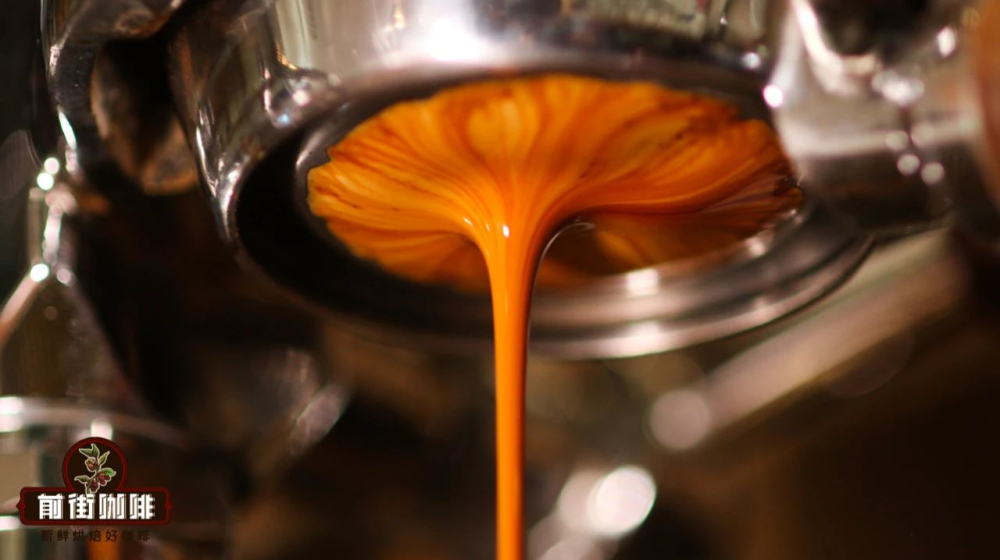
Finally, and most importantly, are the 30% soluble substances in espresso, including acidity, sweetness, and bitterness components. These substances are released under high pressure and appropriate temperature, forming the complex flavor profile of espresso. The typical sequence is acid → sweet → bitter. When extracted correctly, these three elements can achieve an excellent balance.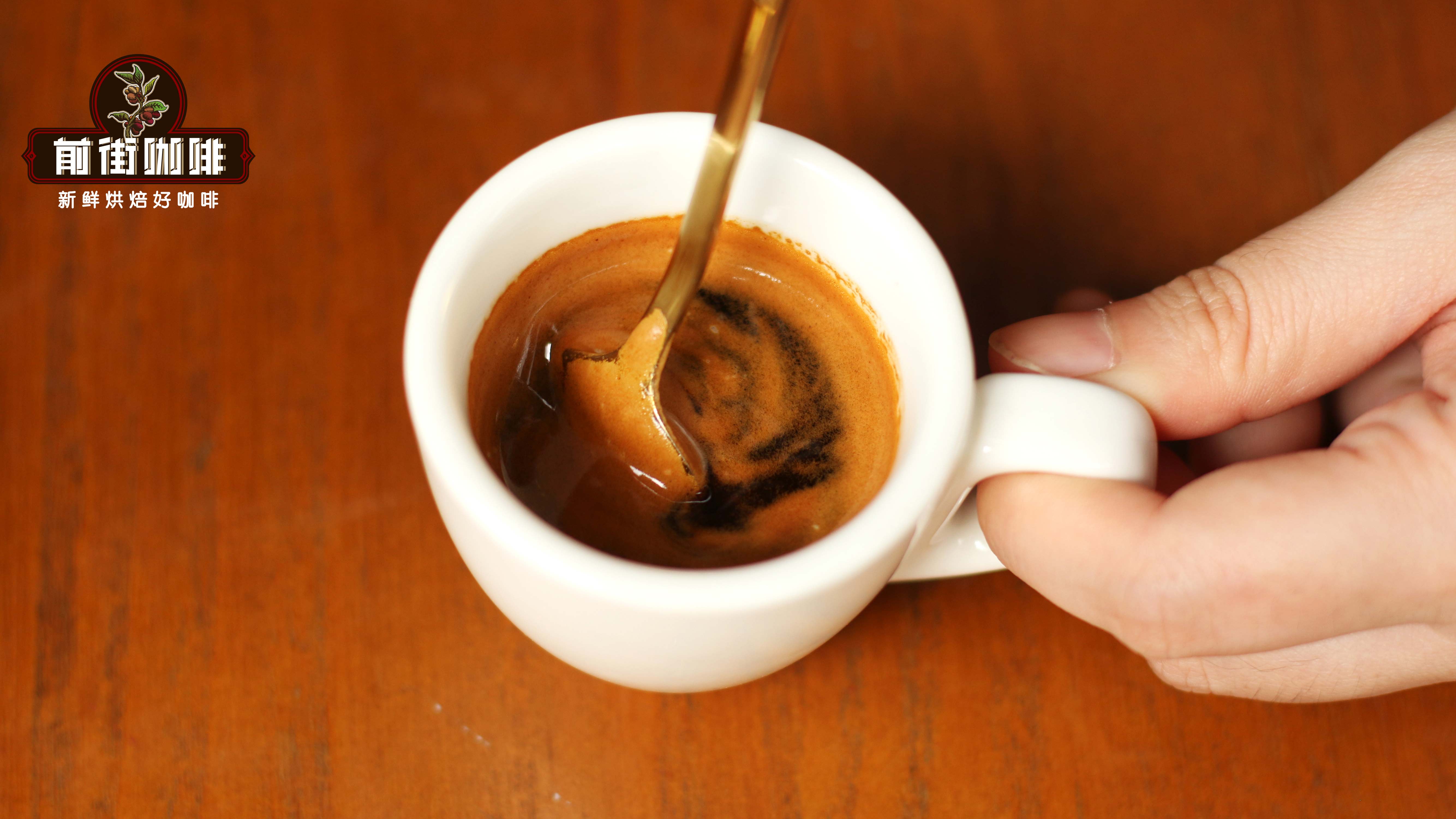
So, what are the standard espresso extraction parameters? Generally speaking, a pressure of 9 bar is used, with water temperature controlled between 90.5–96°C, a brew time of 20–30 seconds, about 20 grams of coffee grounds (for a double shot), and the final extraction yields 40 milliliters of espresso liquid. This ratio and process are widely recognized in the industry as the standard, capable of fully showcasing the coffee’s flavor characteristics while maintaining moderate richness and complexity.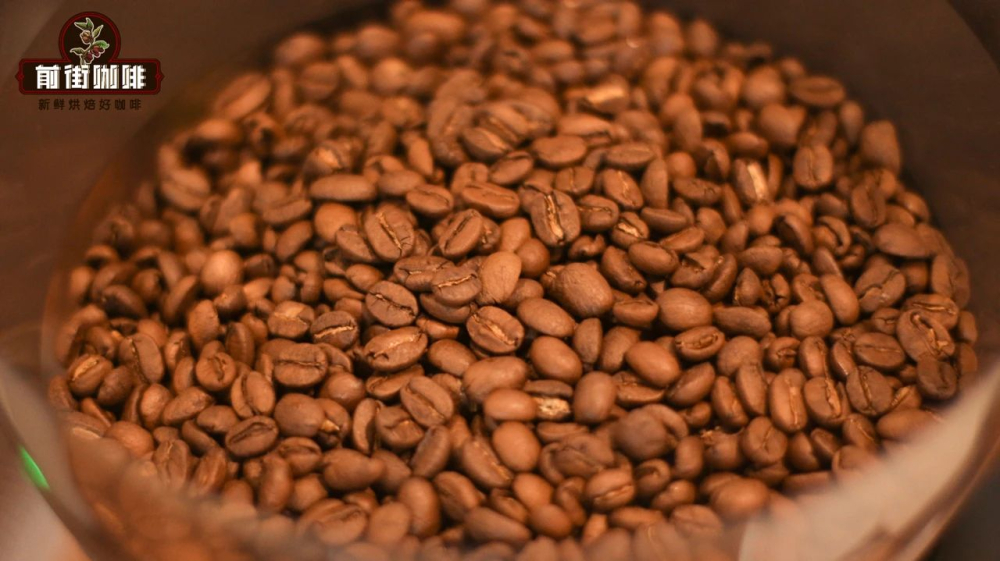
After the espresso is brewed, because the crema and various soluble substances naturally stratify, it’s recommended to gently stir the coffee liquid to remix the different layers of flavor. This brings a more complete and balanced taste experience. Additionally, letting it cool down slightly before sipping can avoid the overly intense bitterness upon the first sip, allowing the acidity, sweetness, and aroma to express themselves better.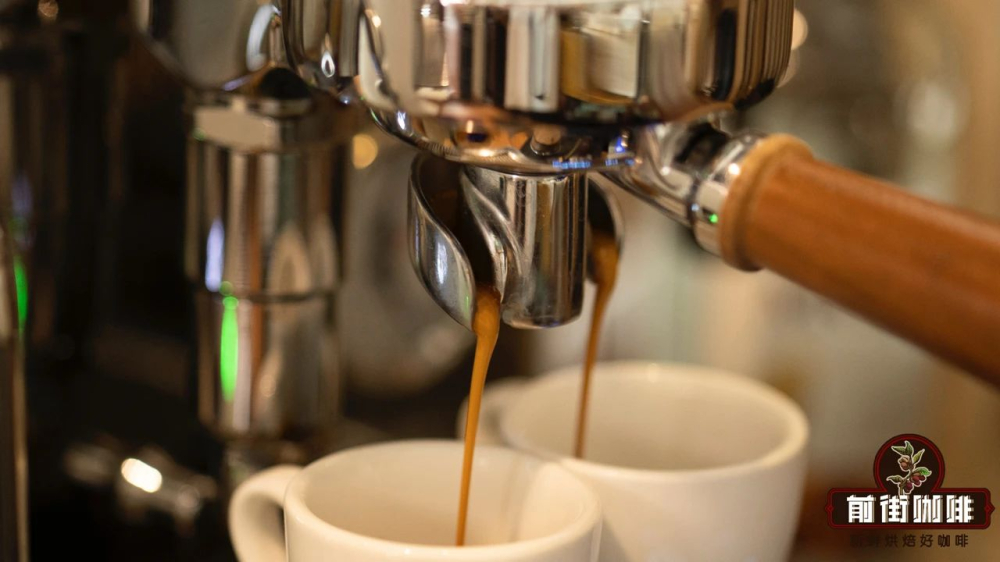
Many people wonder why espresso tastes so intense and concentrated. That’s precisely because it uses a low coffee-to-water ratio and high-pressure extraction to highly concentrate the essence of the coffee. Compared to pour over coffee, the flavors in espresso are more immediate and direct. While it may be harder to discern variations in high, medium, and low notes, its aroma, body, and aftertaste are more vivid and longer-lasting.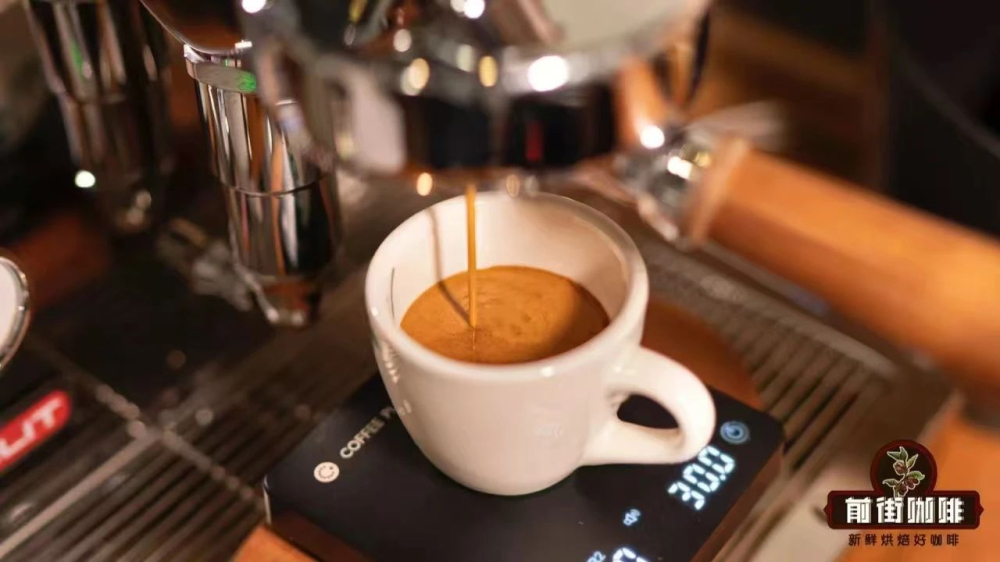
In summary, drinking espresso isn’t just about its strong taste—it’s about experiencing that unique crema, concentrated aroma, and delicate aftertaste. By understanding its composition and standard extraction parameters, you’ll be able to confidently enjoy this classic shot of espresso and even lay a solid foundation for exploring milk-based coffees or other coffee drinks.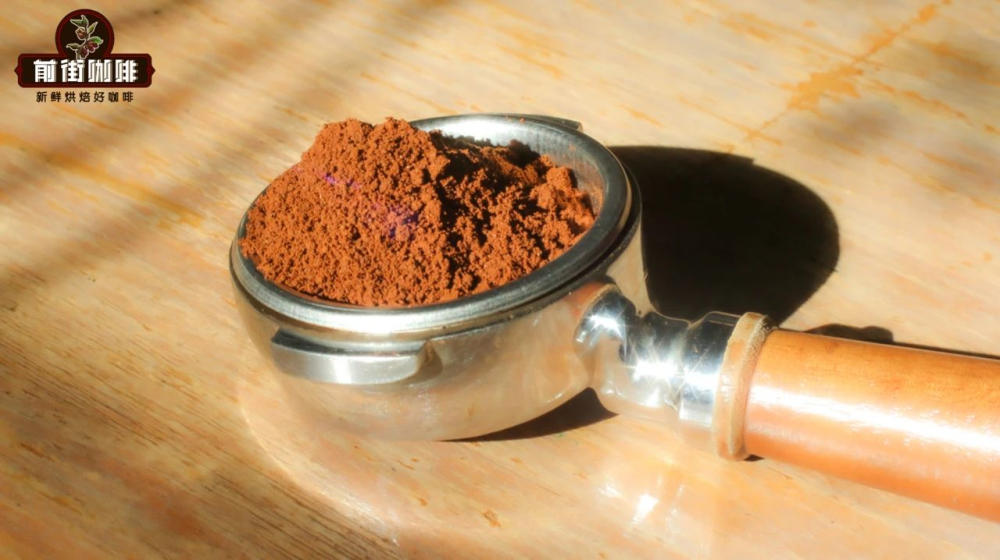
The above content is compiled by CoffeeHunters, a coffee news website.


