








Introduction:An in-depth analysis of Honduras' coffee-growing region classification system, geographical and climatic characteristics, as well as the flavor profile of its key variety, Caturra. This article explores how sherry cask fermentation shapes unique coffee flavors through comprehensive coverage—from the growing environment and processing techniques to practical roasting curves—and provides useful extraction references to help coffee enthusiasts grasp everything from origin knowledge to brewing applications in one go.
As an important specialty coffee-producing country in Central America, Honduras is renowned for its high-altitude hard beans and innovative processing methods, among which the sherry cask fermentation technique has garnered significant attention in recent years. This article will systematically introduce the country’s geographical conditions, coffee classification system, and main cultivated varieties, while providing a detailed analysis of the flavor characteristics of varieties such as Caturra. It also combines actual roasting and cupping case studies to compare how different roasting curves affect the expression of wine-like aromas.
 When it comes to Honduran coffee, many people first think of its iconic sherry-like aroma. This flavor, characterized by vanilla, honey sweetness, and a rich body, originates from special processing techniques and high-altitude cultivation environments. Let’s start with the basics of the producing region and gradually explore the unique charm of Honduran coffee.
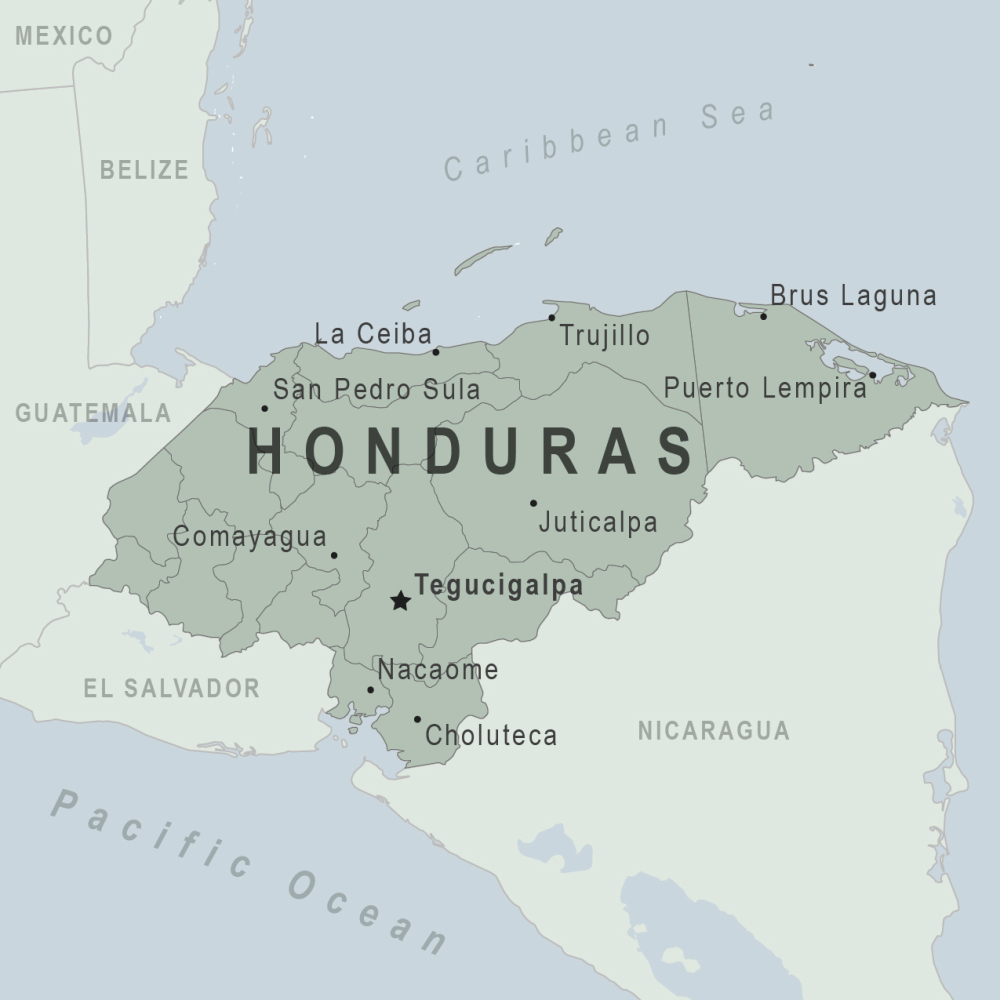
Honduras is located in the northern part of Central America, bordering the Caribbean Sea to the north, the Gulf of Fonseca of the Pacific Ocean to the south, and adjacent to Nicaragua, El Salvador, and Guatemala. The entire territory is dominated by mountainous plateaus, with significant altitude differences—mountainous areas in the northwest reach up to 3,000 meters, and there are also many highlands exceeding 2,400 meters in the south. The complex terrain creates diverse climates, with mountainous regions at altitudes of 1,000 to 2,000 meters being particularly suitable for coffee cultivation, featuring an average annual temperature of 23°C and abundant rainfall during the wet season.
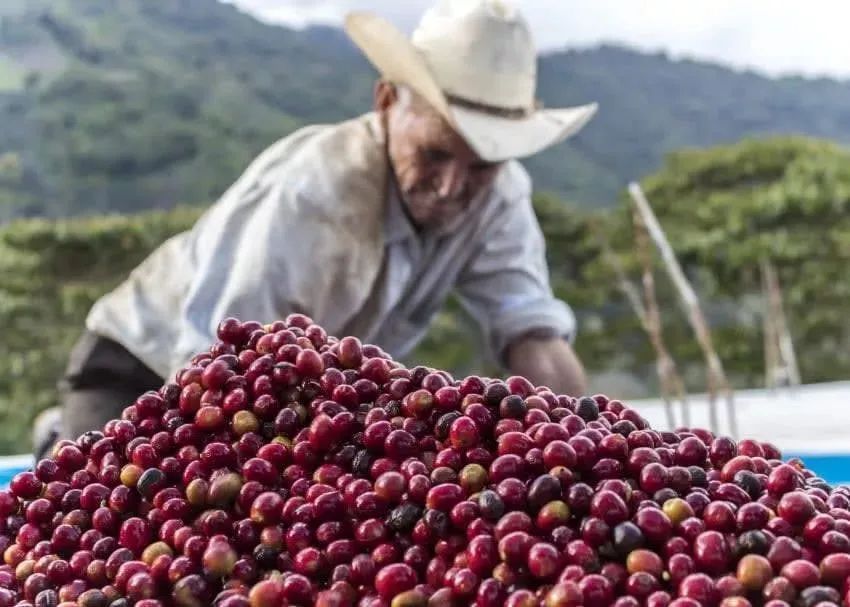
Coffee planting in the country is divided into two primary altitude categories: “Highland Coffee” grown at 1,000–1,500 meters, and “Premium Highland Coffee” (the highest quality grade) grown at 1,500–2,000 meters. Nationwide, approximately 280,000 hectares of coffee farms are mostly smallholder operations, with an average size of less than 3.5 hectares, yet they contribute to 60% of production. Due to the limitations of mountainous terrain, harvesting is entirely manual and requires meticulous processing to ensure quality.
 Honduran coffee beans are characterized by their large size, uniform appearance, and glossy surface. To facilitate harvesting, coffee trees are typically pruned to a height of no more than 150 cm. Because fruit ripening is inconsistent, ripe berries must be hand-selected. It’s worth noting that the full quality of hard beans is best revealed through medium to medium-dark roasts or even just into the beginning of the second crack; in practice, roast curves can be designed ranging from medium to medium-dark to early second crack.
Taking the Yangjia 800N roaster and 550g of green beans as an example, it is recommended to begin with a drum temperature of 200°C and an initial air damper setting of 3. The first stage focuses on controlling dehydration: after 1 minute, reduce the heat to 170°C and maintain until 5’45” when the bean temperature reaches 151.7°C and the beans turn yellow, then adjust the heat to 140°C and open the air damper to 4. When bean surfaces show wrinkles and black spots (around 9 minutes), and the smell transitions from toast to distinct coffee aroma, you’ve entered the pre-first-crack stage. Listen for the start of the first crack (8’23”), complete the roast and drop the beans at 202°C, yielding excellent caramel sweetness and a full body.
Innovative processing is another hallmark of Honduran coffee, with sherry cask fermentation being the most representative. Located in the southwestern Masaguara region, the Mocha Estate cultivates Caturra, Catuai, and Pacas varieties at altitudes of 1,500–1,700 meters. After careful washed processing, the beans are placed in aged sherry casks for low-temperature (15–20°C) fermentation over 30–40 days, followed by shaded drying. This process imparts complex flavors of whiskey, berries, almonds, and dark chocolate, with a maple-sweet finish.
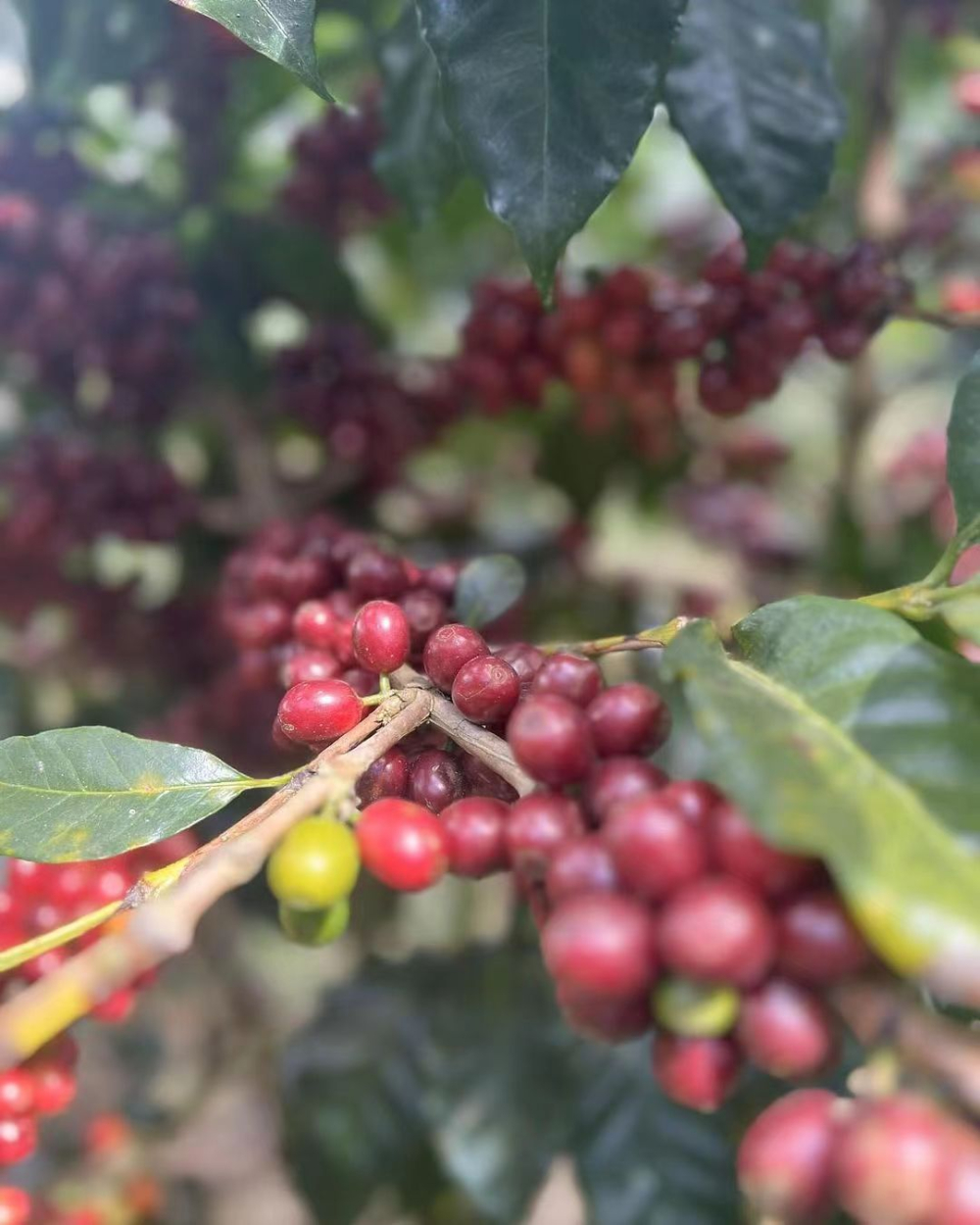 In terms of varieties, Honduras mainly grows Arabica-type cultivars, including Typica, Bourbon, Caturra, Catuai, and Pacas. Among them, Caturra, a Bourbon mutation, features a dwarf plant structure (convenient for dense planting and harvesting), strong resistance to wind and rain, and tightly formed fruit that is less prone to dropping. Catuai is a hybrid of Mundo Novo and Caturra, also offering dwarfing advantages and good stress resistance.
The key to sherry cask flavors lies in the fermentation process: freshly harvested coffee cherries are washed and then placed in oak barrels previously used to store sherry for low-temperature fermentation. During this process, residual whiskey aroma compounds in the barrel walls (such as vanillin and furan compounds) are absorbed by the green beans, creating distinctive wine-like characteristics. Practical roasting requires careful control of development time to fully express the layered flavors of the cask.
Taking the Litchi Orchid variety from the Mocha Estate as an example, its brandy cask fermentation process combined with meticulous washed processing yields a coffee with fermentation notes, gentle wine aroma, and nutty tones. Roasting tests show that extending the development time (e.g., 2’10” of post-first-crack development to 195°C) can more balancedly present the wine aroma and dark chocolate flavors, while also highlighting honey sweetness. Pour-over recommendations: 90°C water temperature, 1:15 coffee-to-water ratio, 80% extraction through a standard Chinese No. 20 mesh grind, using a segmented extraction method to manage flavor expression.
 In summary, the diverse charm of Honduran coffee stems from the combination of its geographical conditions, varietal characteristics, and innovative processing methods. From the rich foundation of high-altitude hard beans, to the wine-like variations brought by sherry cask fermentation, to the flavor shaping through precise roasting curves—each step influences the final cup profile. Understanding these elements helps coffee enthusiasts choose suitable origins and processing methods based on personal preferences, and achieve optimal flavor experiences by adjusting extraction parameters.
The above content is compiled by CoffeeHunters, a coffee news website.


