








Introduction:Tiger Mandheling is a classic coffee bean from Sumatra, Indonesia, renowned for its full-bodied flavor profile achieved through the wet hulling process and medium-to-dark roasting, characterized by notes of cream, nuts, and dark chocolate. This article delves into its origin background, variety composition, and processing techniques, while also analyzing its roasting curve and pour over extraction parameters in depth, helping coffee enthusiasts gain a comprehensive understanding of this richly flavored Mandheling and the unique sources of its distinctive taste.
Tiger Mandheling is a well-known coffee bean originating from Sumatra, Indonesia. The “tiger” in its name comes from the Tiger Estate where it is grown, hence it is also referred to as “Mandheling Tiger” or “Sumatra Tiger Mandheling.” This coffee is primarily cultivated at high altitudes of around 1,500 meters and is processed using the region’s unique wet hulling method. It is medium-to-dark roasted to highlight its rich and layered flavor characteristics, making it particularly suitable for those who enjoy a full-bodied taste with nutty and chocolatey notes.
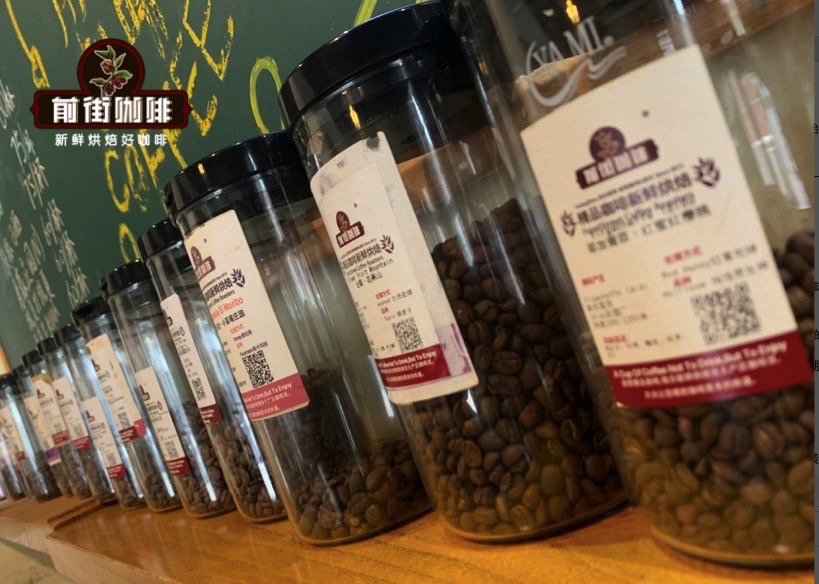
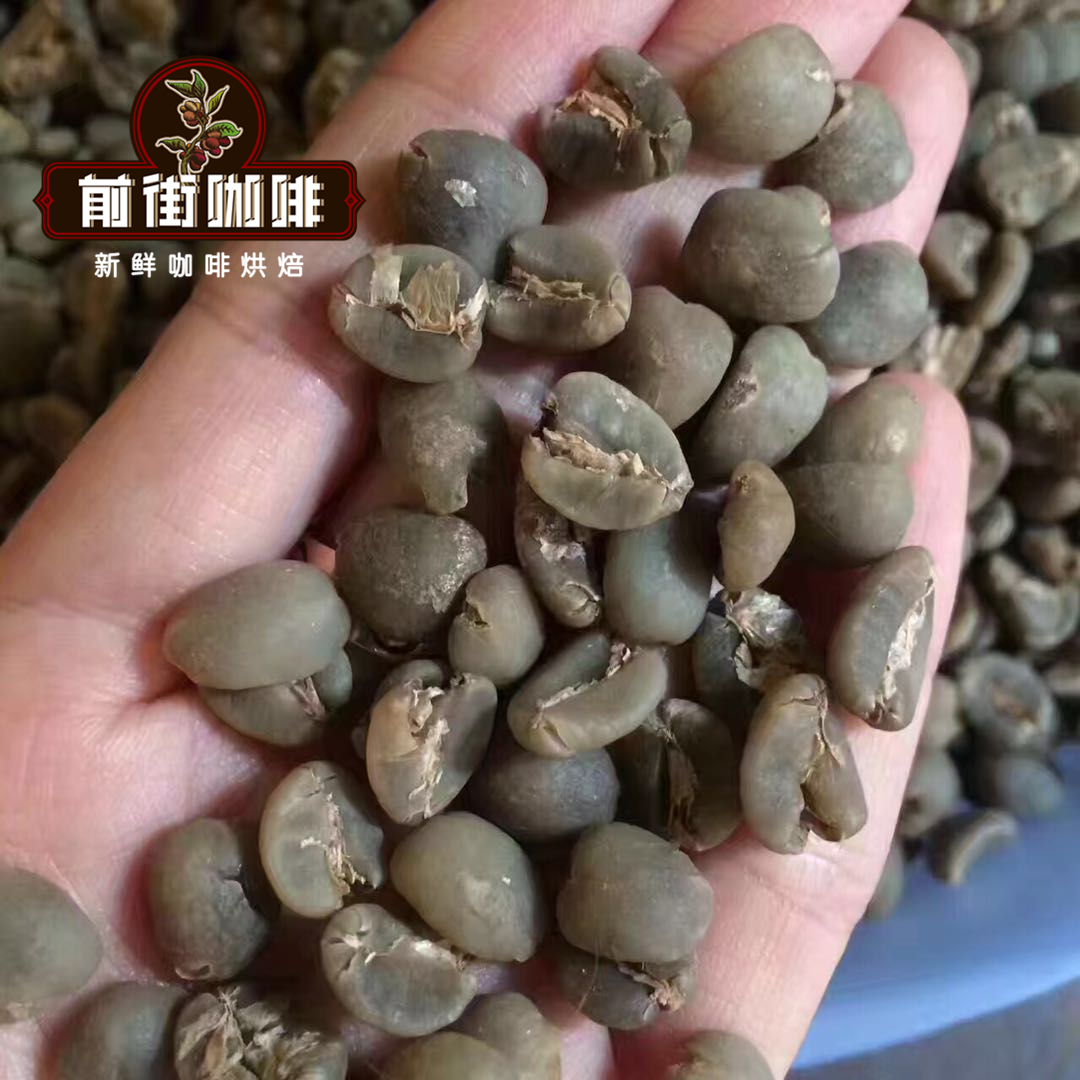
Indonesia is one of the few coffee-growing regions in the world with high humidity, where the annual average humidity reaches 70–90%, and annual rainfall can even exceed 2,000 mm. Coupled with frequent typhoon attacks, local farmers prefer to use the faster wet hulling method. This process is based on the traditional washed method but involves short-term sun drying while the beans are still in their parchment layer. Once the moisture content drops to 20–24%, the parchment is removed and drying continues. Although this method improves processing efficiency, it can easily lead to surface bruises on the green beans, resulting in the so-called “horse hoof beans” or defective beans, while also giving the coffee a bolder and more intense personality.
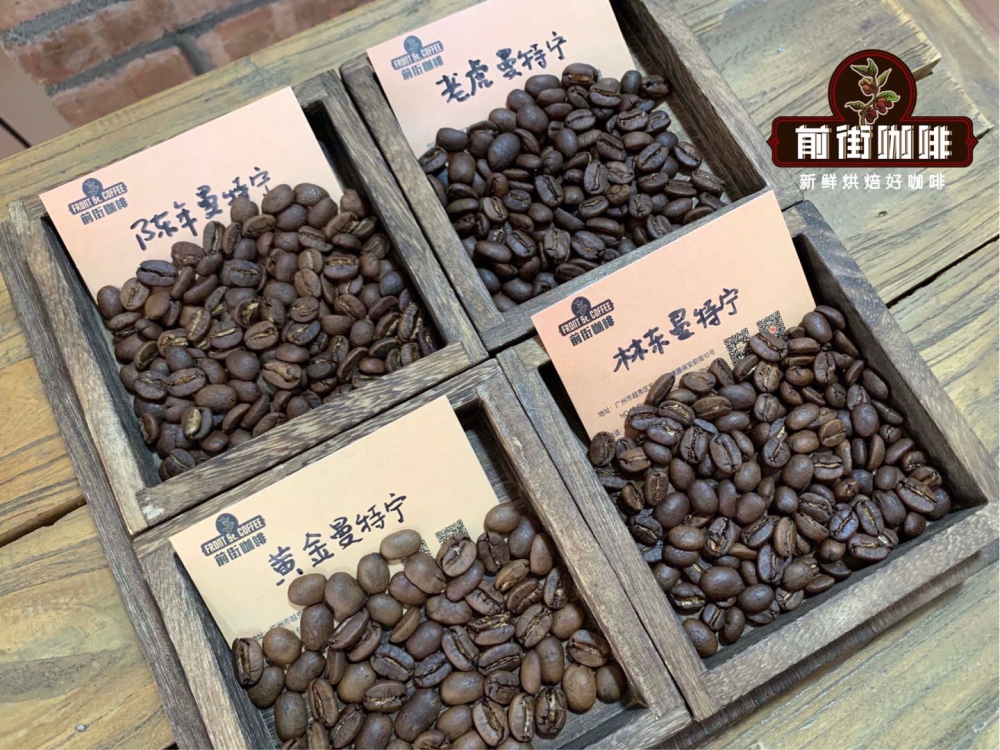
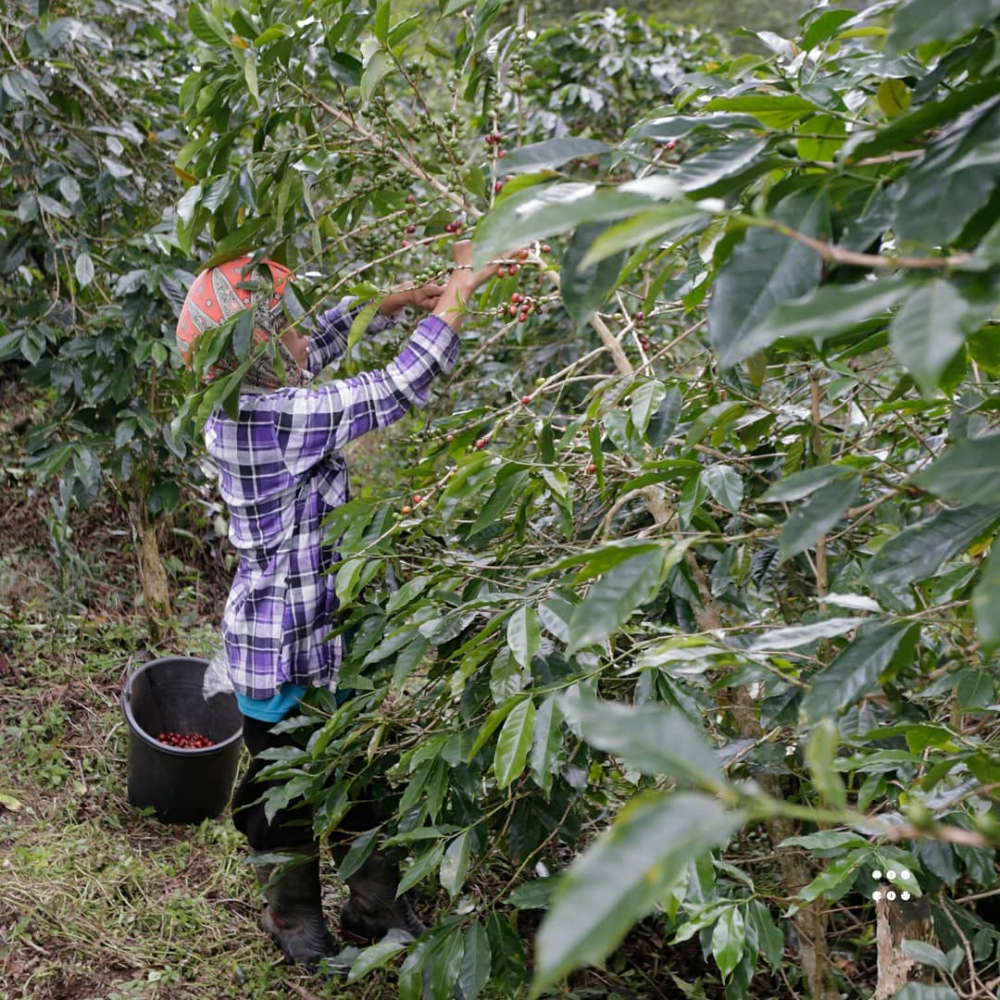
Tiger Mandheling is mainly produced around Lake Tawar in northern Sumatra, an environment near the equator characterized by highland conditions with hot and humid weather and fertile volcanic soil, which is very conducive to coffee cultivation. The varieties grown here include Catucai, Typica, and Sidikalong, each with its own distinctive traits. Catucai has a slight citrus acidity, but its sweetness is greatly influenced by fertilization and cultivation, and the plants are relatively short with limited yield. Typica offers a cleaner acidity and a long sweet aftertaste, but it has weak resistance to diseases and is rare in production. Sidikalong is one of the more distinctive local varieties, balancing stable yield with flavor potential.
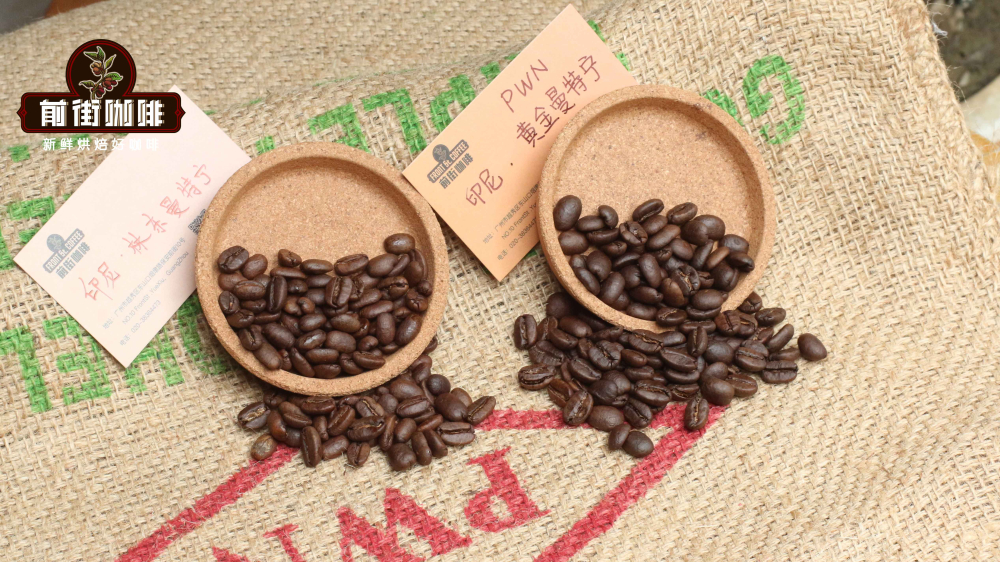
The so-called wet hulling method (Wet Hulling, known in Indonesian as Giling Basah) is a traditional processing method unique to Indonesia. The overall process generally involves: first removing the fruit skin and pulp of the coffee cherry while retaining the parchment and mucilage; then fermenting in water tanks to remove the mucilage; subsequently washing off the mucilage, and then drying the beans with the parchment for 2–3 days until the moisture content is reduced to 20–24%; afterward, the parchment is removed and drying continues until the final moisture content reaches 12–13%. This method, due to its rapid processing, results in a bolder and more distinctive coffee flavor, but it also tends to have a relatively higher defect rate. Usually, two to three rounds of manual sorting are required to improve quality.
The green beans of Tiger Mandheling used by this brand appear yellowish-green with uniformly plump beans. Their initial moisture content is relatively high, so the roasting strategy opts for a medium-to-dark roast to suppress excessive sharp acidity and enhance body and overall flavor balance. In the actual roasting process, a Yangjia 600g semi-direct-fire roaster is used. The initial bean temperature is set at 200°C, and the heat and air damper are adjusted according to the beans’ characteristics. The dehydration phase is extended to avoid sourness and astringency. Roasting continues through the first crack until about 20 seconds into the end of the first crack, with the beans being dropped at approximately 203°C to fully develop caramelization reactions, bringing out sweetness and clarity.
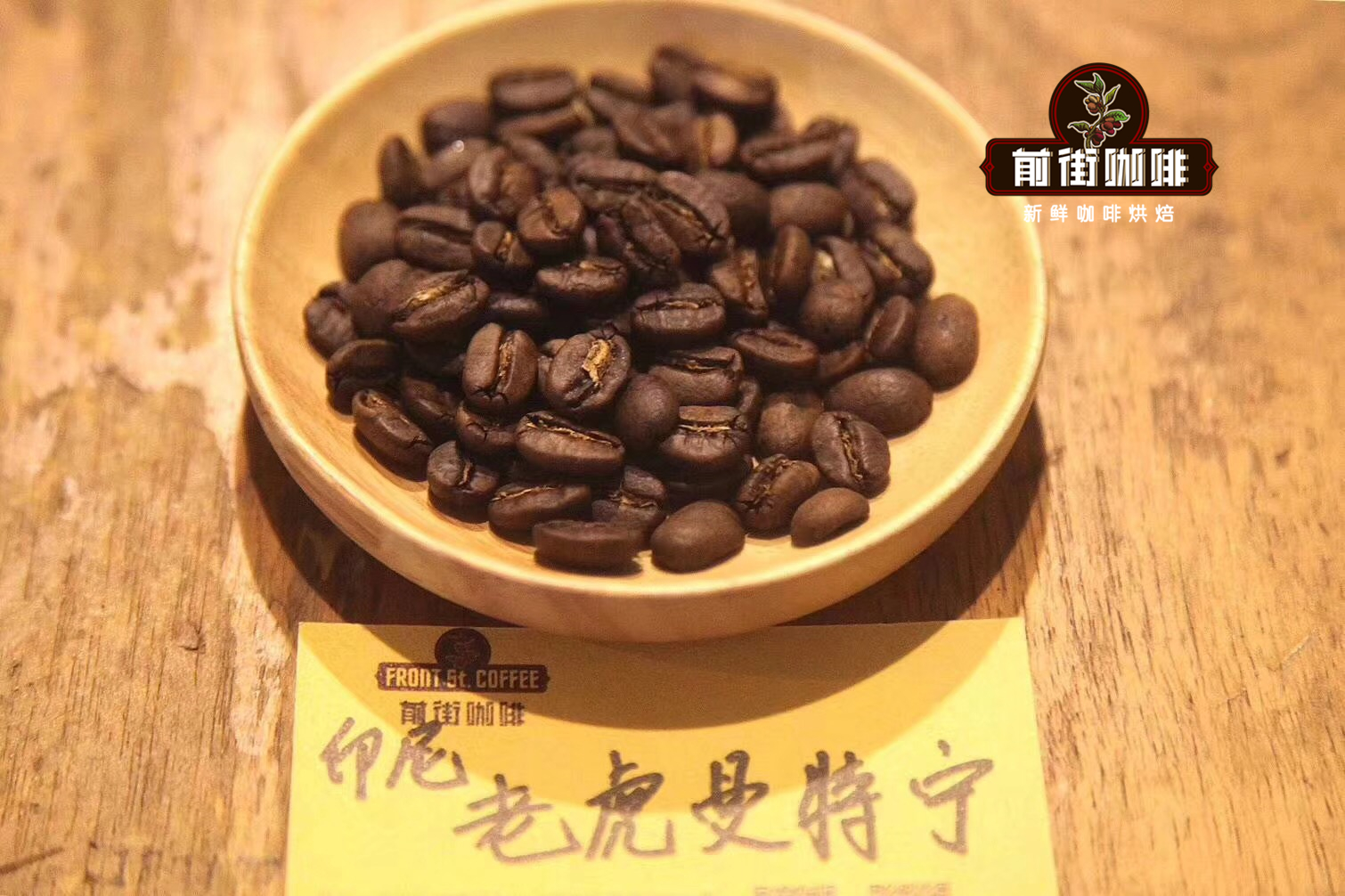
Specific roasting parameters are as follows: bean inlet temperature 200°C, heat 160°C, air damper 3; turnaround point at about 1 minute 45 seconds, air damper remains unchanged; at 5 minutes 18 seconds, the bean surface turns yellow, heat is reduced to 140°C, and air damper is adjusted to 4; at 7 minutes 30 seconds, dehydration is completed, heat remains at 140°C, until 8 minutes 55 seconds when the bean surface shows wrinkles and black speckles, marking the prelude to the first crack, requiring careful identification of the first crack sound; at 9 minutes, the first crack begins, heat is reduced to 110°C, air damper is fully open, and maintained until about 4 minutes after the first crack, when the temperature reaches 203°C, the beans are dropped.
For pour over extraction, it is recommended to use a Kono filter, with a water temperature of 88°C and a coffee-to-water ratio of 1:15 (15 grams of coffee grounds to 225 milliliters of water). The grind size is set to 70–75% passing through a #20 sieve. These parameters are designed to reduce the risk of over-extraction, especially suitable for the intense flavors of medium-to-dark roasted beans. In practice, a three-stage pouring method is suggested: begin with a 30-second bloom using 30 grams of water, followed by the first stage of pouring in small circles to reach 125 grams, then pause; once the liquid level drops, proceed to the second stage of pouring up to 225 grams, with the total extraction time controlled to around 2 minutes.
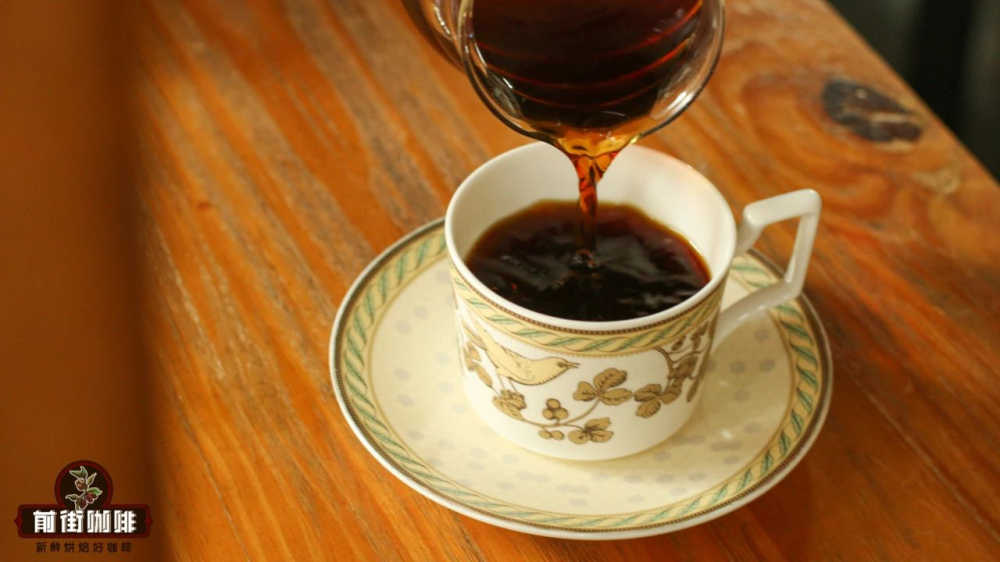
The final brewed Tiger Mandheling exhibits a good balance of flavors, with a creamy smooth mouthfeel as the base, complemented by pronounced notes of dark chocolate and nuts. The aftertaste is long-lasting and layered, making it a classic Sumatran Mandheling ideal for deep appreciation. For coffee enthusiasts looking to explore the unique character of Indonesian coffee, this Tiger Mandheling is an unmissable choice.
The above content is compiled by CoffeeHunters, a coffee news website.


