







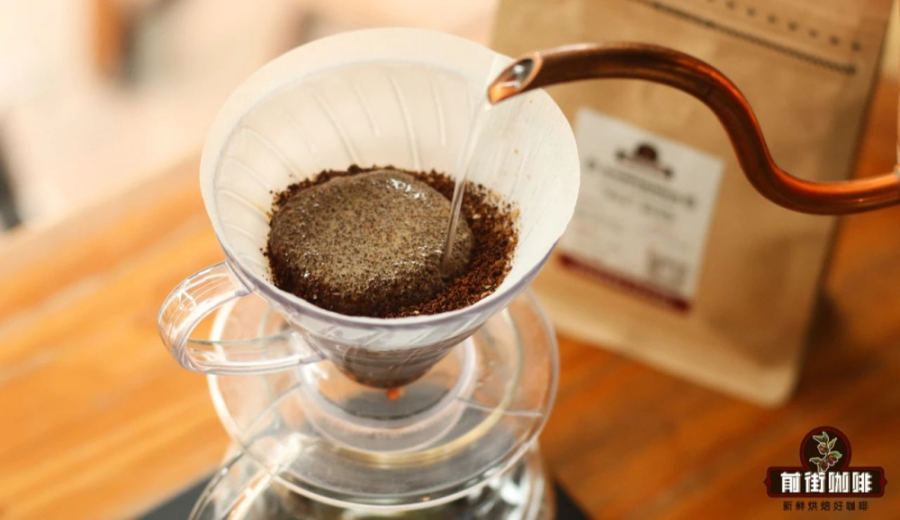
Introduction:If you want to brew a bright, flavorful single-origin coffee at home, pour over is the most beginner-friendly choice. This article delves into the key elements of pour over brewing—from selecting essential equipment and understanding how six major variables (water temperature, grind size, coffee-to-water ratio, etc.) affect flavor, to mastering the practical three-pour technique—to help you establish a stable, repeatable brewing process and elevate your home coffee quality.
Enjoying a professional-grade pour over coffee at home doesn’t require expensive gear. By mastering core parameters and correct techniques, even beginners can consistently extract coffee with clear flavors. This article starts with equipment setup, then progressively analyzes various factors influencing extraction, and—based on practical experience—guides you through the rhythm and details of the three-pour technique.
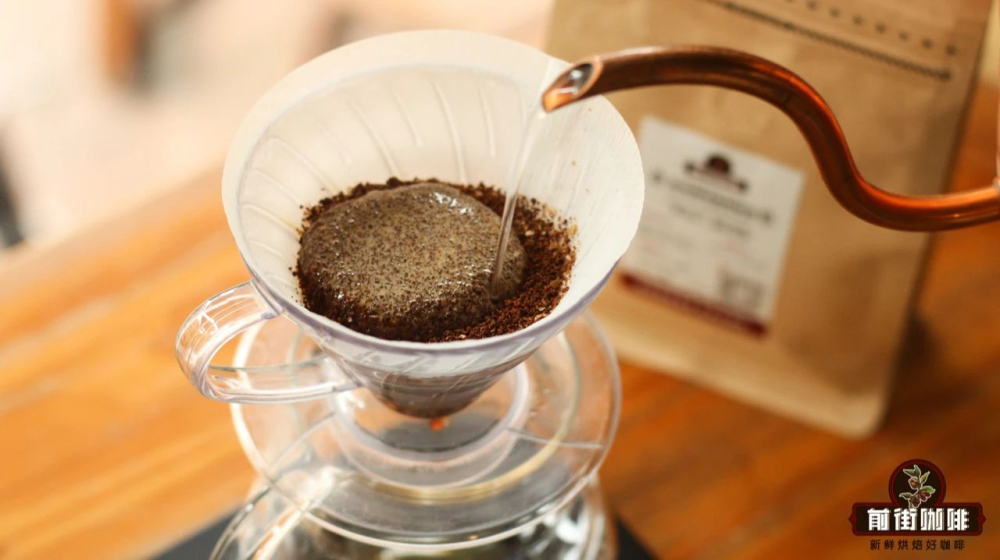
With the rise of specialty coffee trends, more and more coffee enthusiasts are choosing to brew their own coffee. Compared to espresso machines, pour over equipment is not only more compact and affordable, but also has a relatively easier learning curve. By steadily controlling water temperature, grind size, and pouring methods, you can showcase the layered complexity and regional characteristics of the coffee itself.
The following will detail the complete pour over process—from equipment selection to hands-on operation—to help you establish a repeatable brewing system.
I. Basic Equipment Setup for Pour Over Coffee
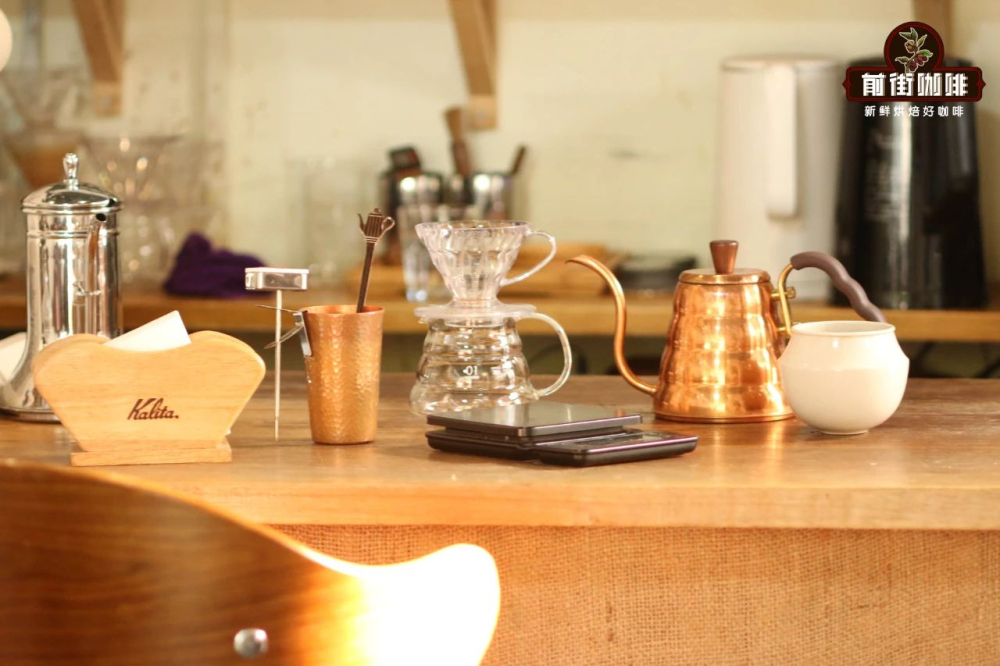
Choosing the right equipment is the first step to stable brewing. Below are several common basic tools used in the pour over process, along with suggestions for selection:
1. Pour Over Kettle
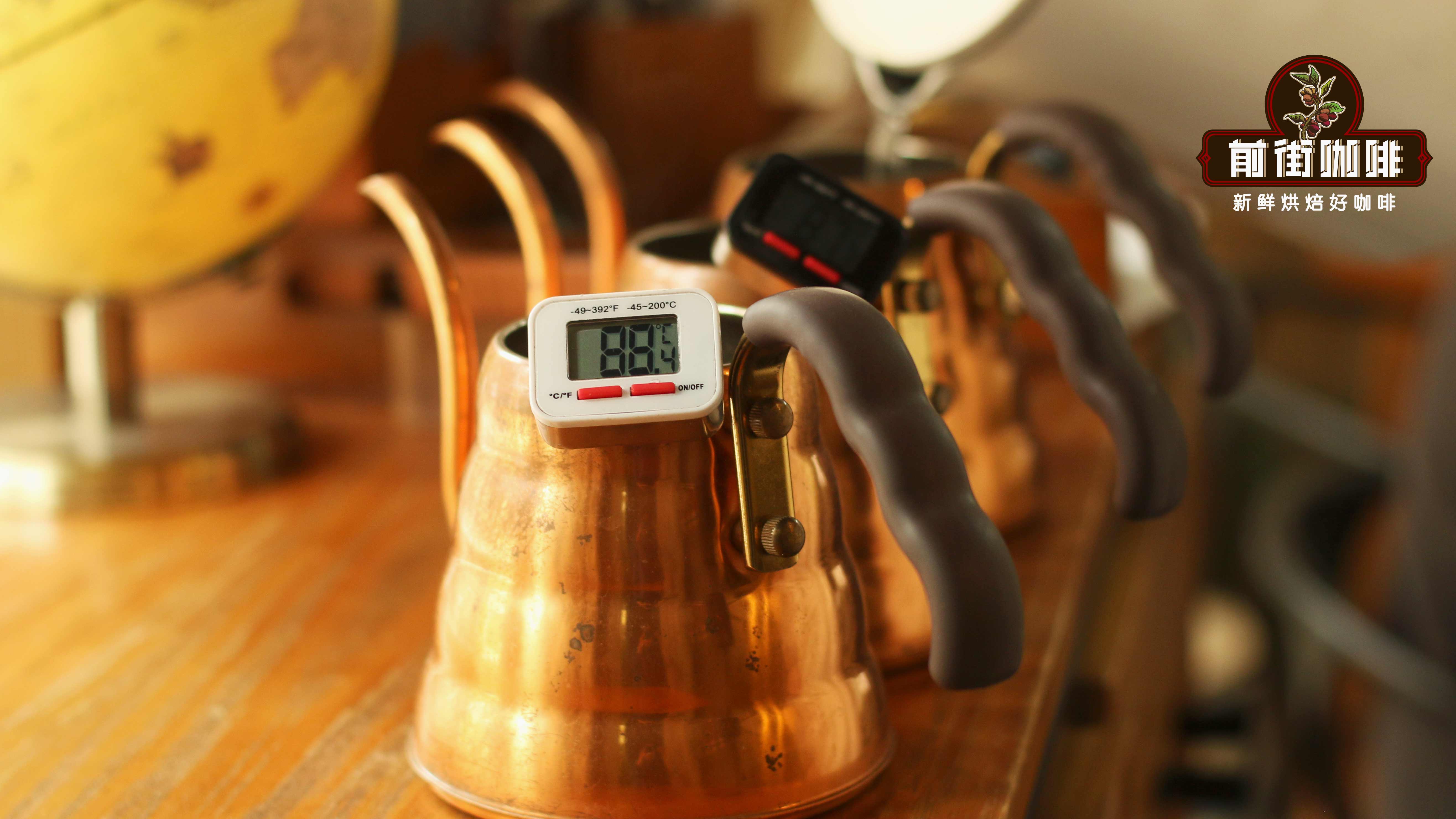
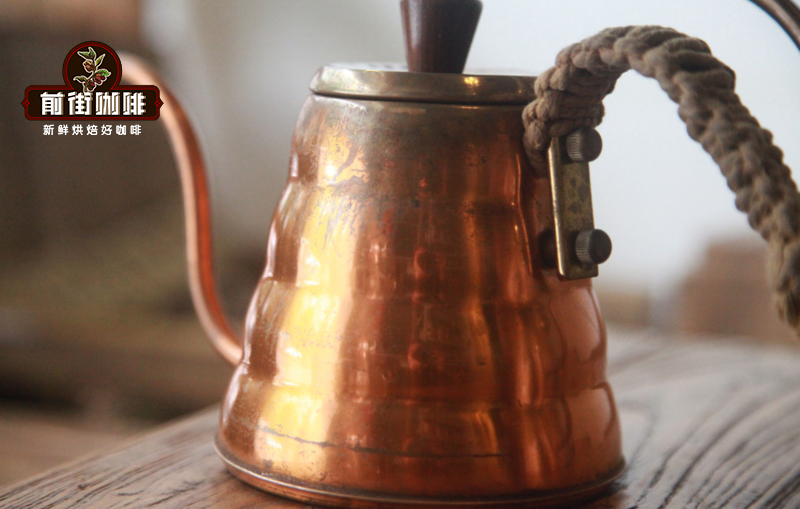
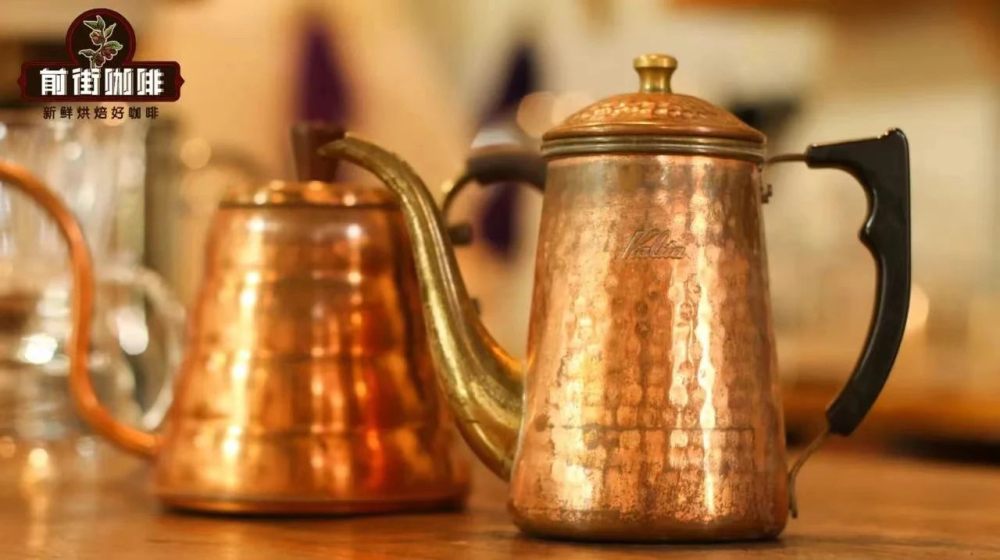
There are many choices when it comes to pour over kettles. For beginners, stable water flow and ease of use are key. The commonly available Hario VKB is not recommended for beginners due to its harder-to-control water stream. The following models are more suitable for entry-level use:
The Takahiro Shizuku is hailed as the “cheater kettle” for its smooth and stable water flow. Although slightly more expensive, it offers excellent quality and user experience, making it suitable for users seeking precise control. It has a built-in capacity of 0.9L and is made of 18-8 stainless steel, but the lid may get too hot, and it cannot accommodate a flow restrictor.
The Bonavita temperature-controlled pour over kettle features the British Strix temperature control system, which can precisely maintain water temperature with an error of just ±1°C. Its professional gooseneck spout design allows for more accurate control of water flow direction and speed. The base also includes temperature adjustment and keep-warm functions, making it a great choice for small coffee shops or advanced users.
The Kalita goose-neck kettle boasts delicate Japanese craftsmanship. Its goose-neck design allows for more flexible pouring angles, making it suitable for advanced users experimenting with different pouring paths. The combination of wooden and stainless-steel aesthetics also adds beauty to the brewing process.
The HARIO Buono kettle uses matte-finish polished stainless steel, which is scratch-resistant and durable, suitable for various brewing methods. Whether for small-stream drip filtration or immersion-style extraction, it performs well.
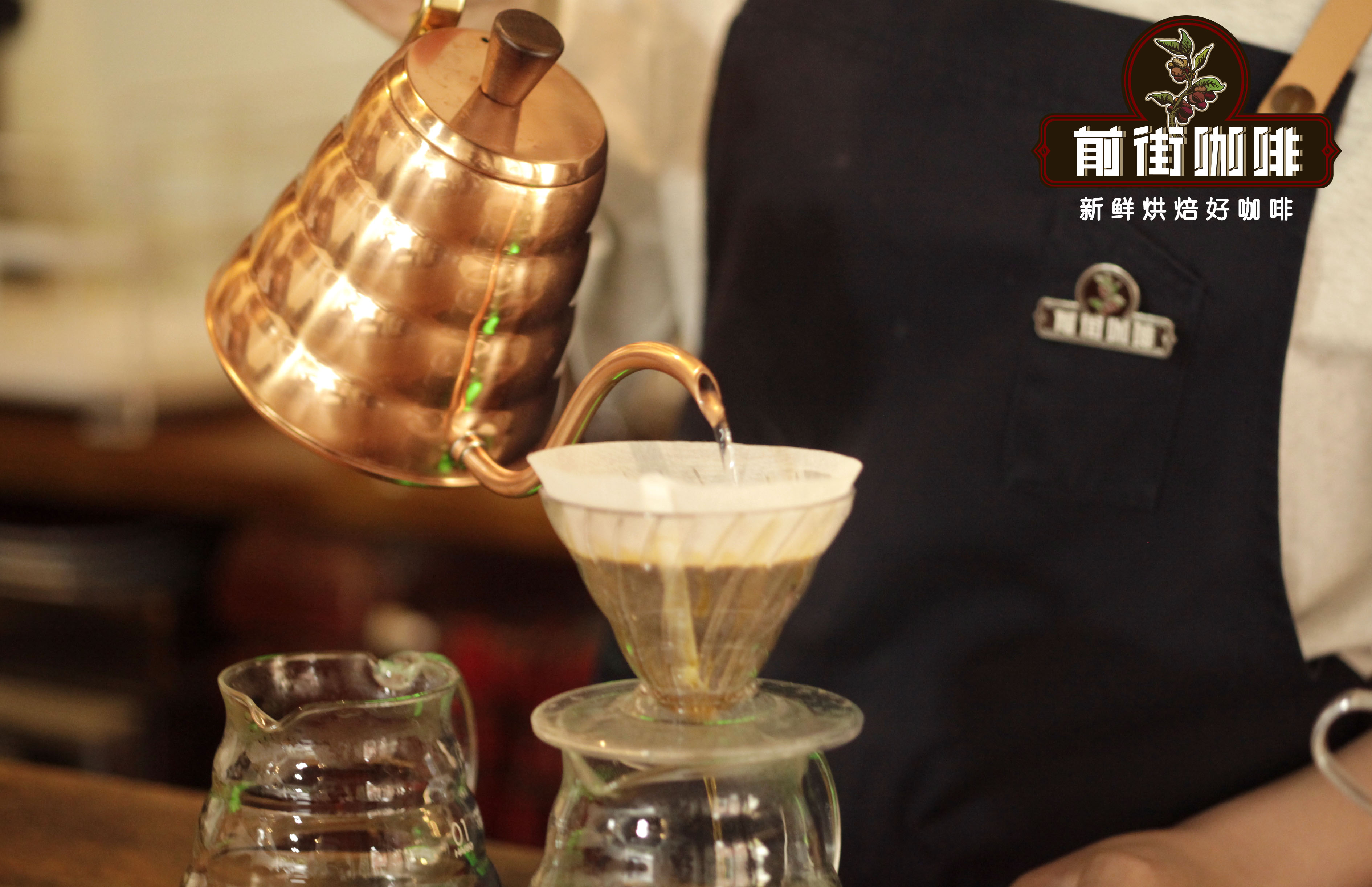
2. Filter Cone
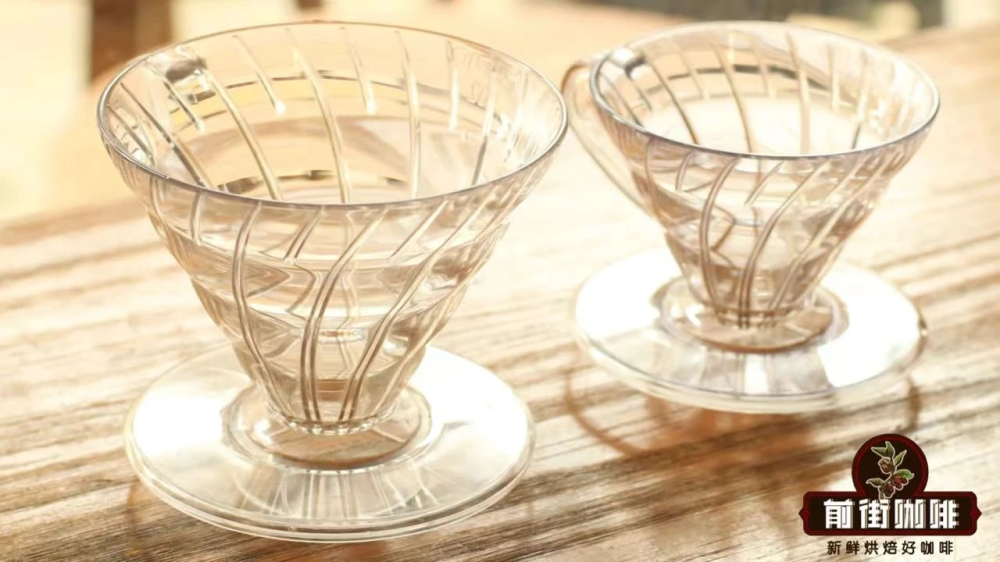
The design of the filter cone affects the water flow speed and the expansion space for coffee grounds. Common styles include:
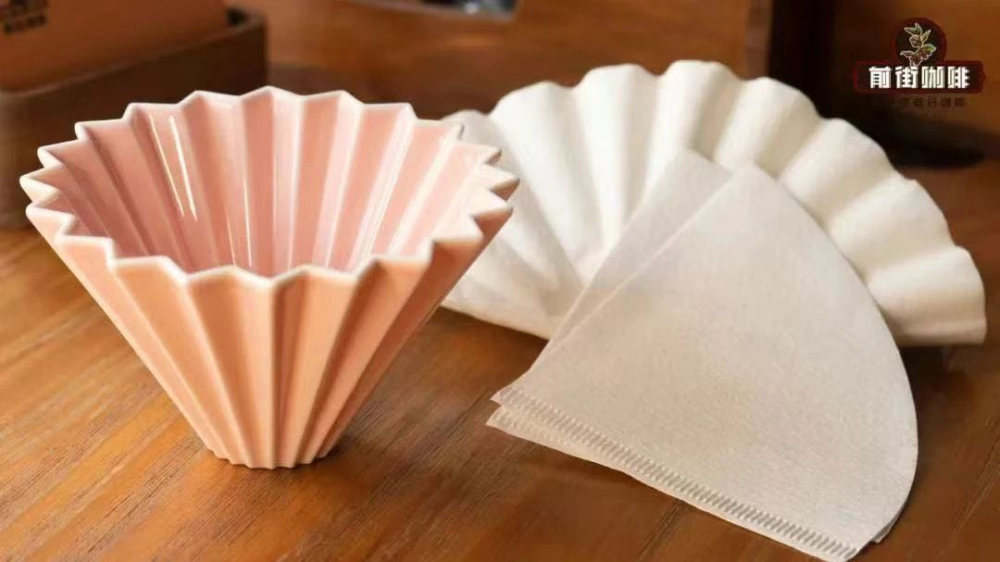
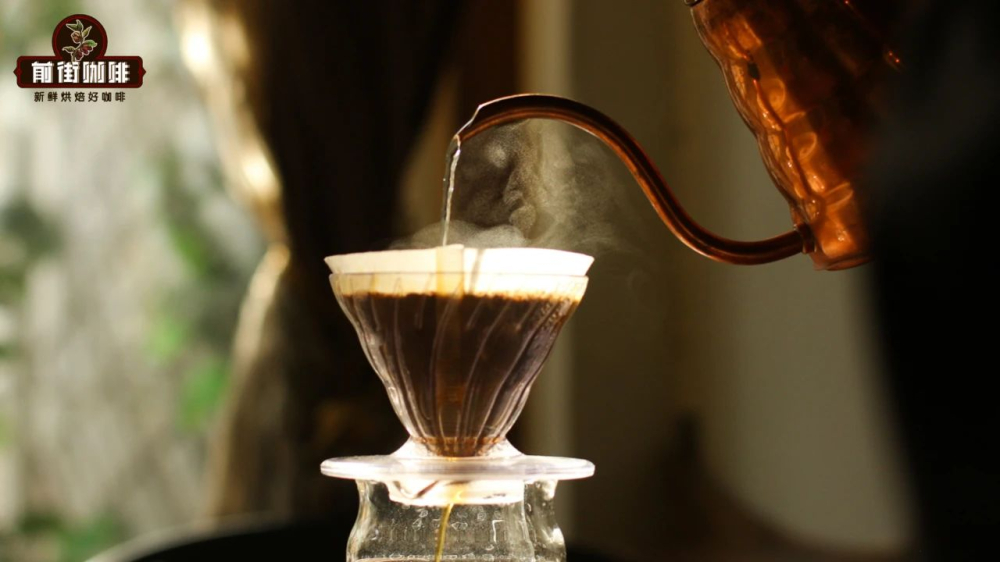
The Hario V60, with its 60-degree cone shape, large holes, and spiral ridges, has become the most widely used filter cone. Its flow rate is controllable and suitable for coffee beans of all roast levels.
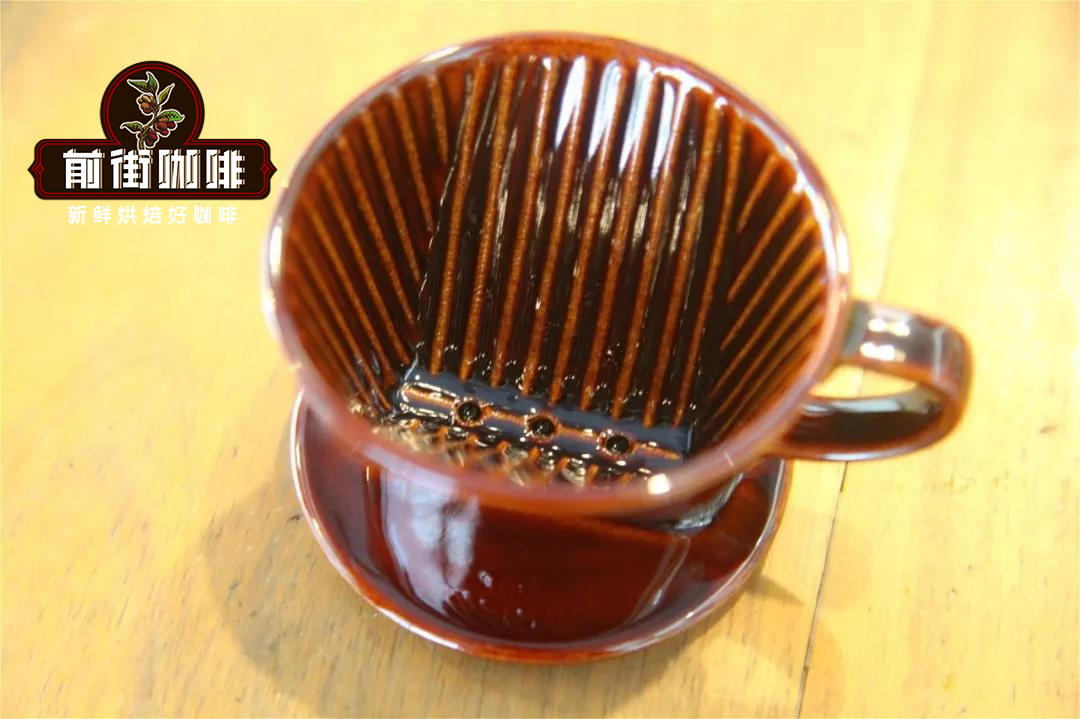
The Kalita filter cone features a three-hole trapezoidal design and ceramic material that provides good heat retention, making it suitable for beans with rich flavors and mild acidity.
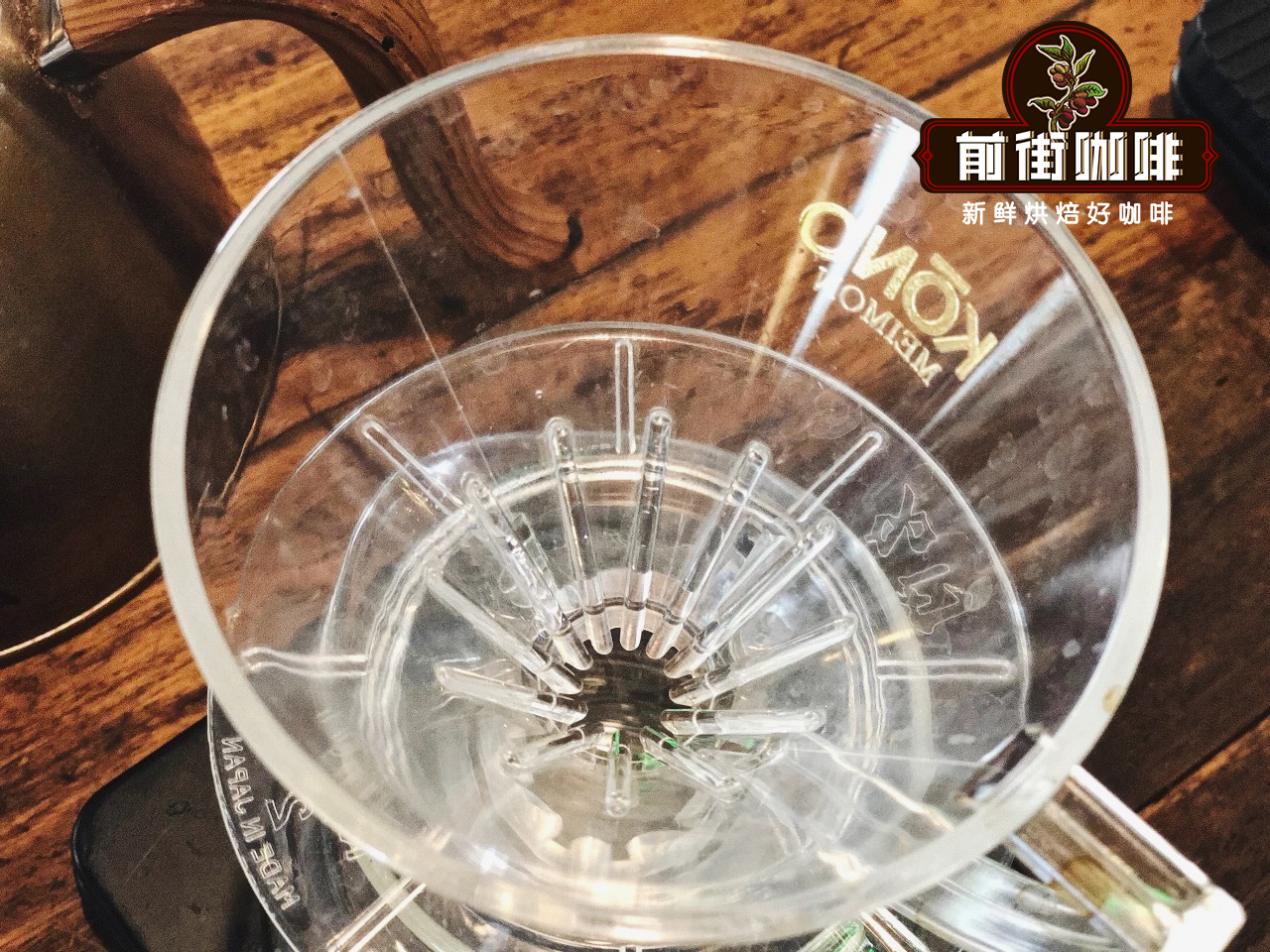
The KONO filter cone has ribs that only extend to the middle section, helping the filter paper adhere to the cup wall and extending the coffee grounds’ absorption time—ideal for users seeking a richer mouthfeel.
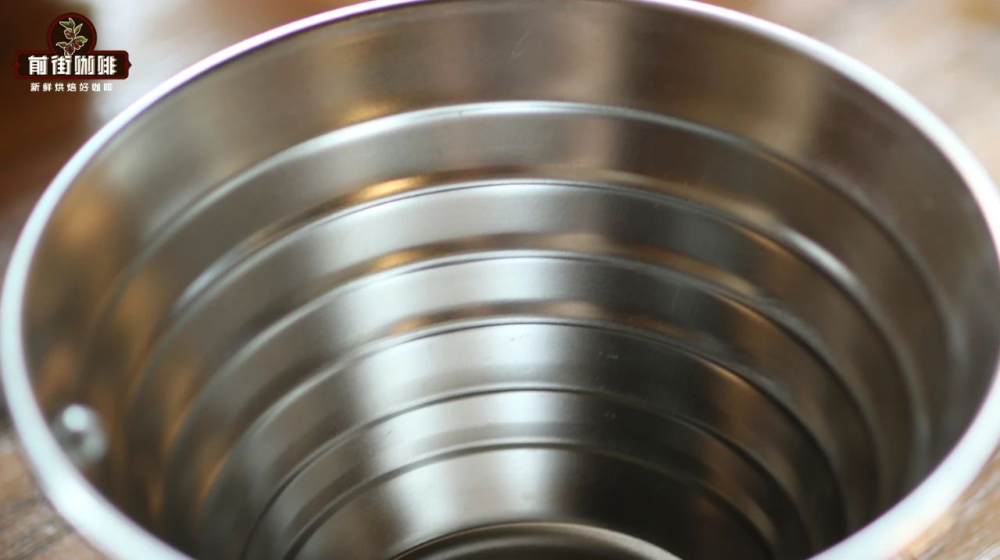
The flat-bottom filter cone has a three-hole design and a slower flow rate, which allows the coffee grounds to be fully immersed, extracting more balanced flavors. Using folded filter paper can further enhance drying efficiency.
3. Grinder
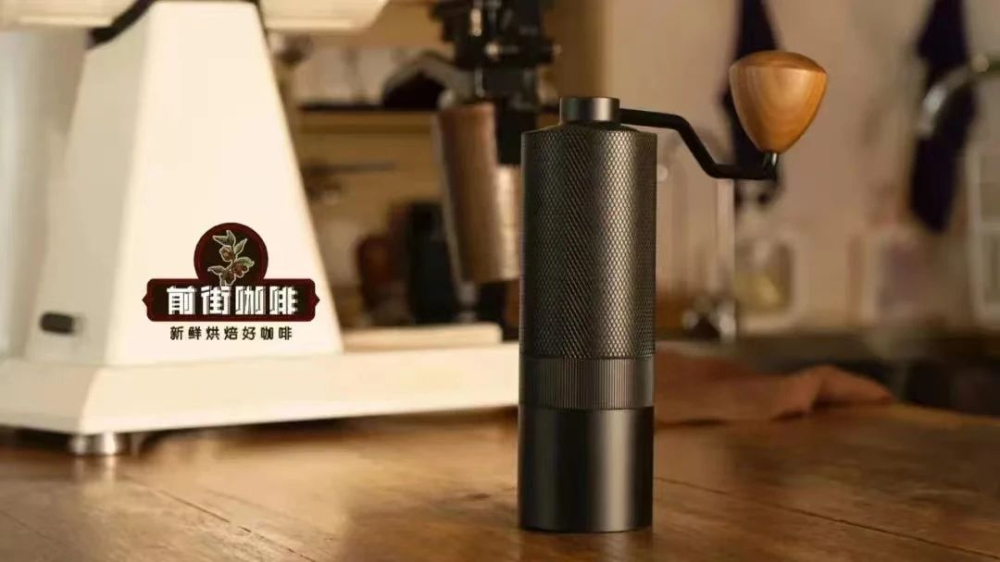
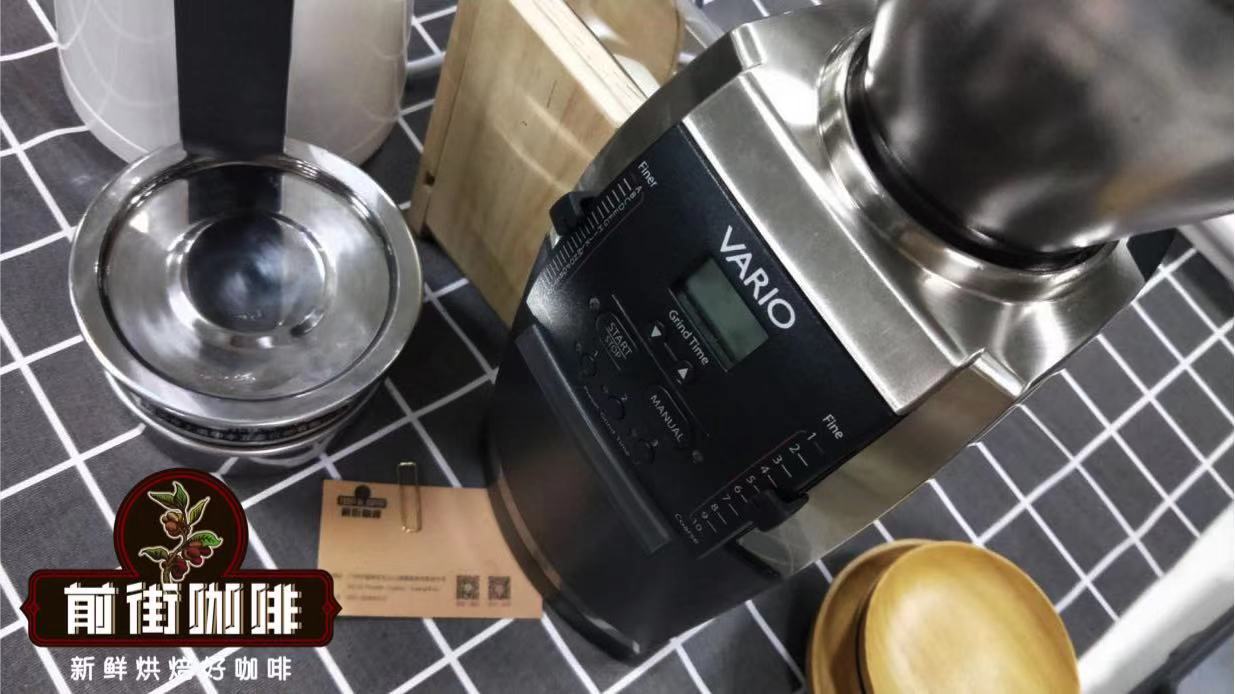
The choice of grinder directly impacts the uniformity of coffee grounds and flavor expression. Common types include burr grinders (flat, conical, and flat-burr hybrids), where flat burrs produce coffee grounds close to circular, offering balanced flavor; flat burrs excel at quickly releasing aroma but can sometimes bring out off-flavors; conical burrs grind into chunky particles, yielding rounder, more complex flavors.
In practice, the Baratza Encore grinder is a popular beginner-friendly choice due to its consistent performance.
4. Other Auxiliary Tools
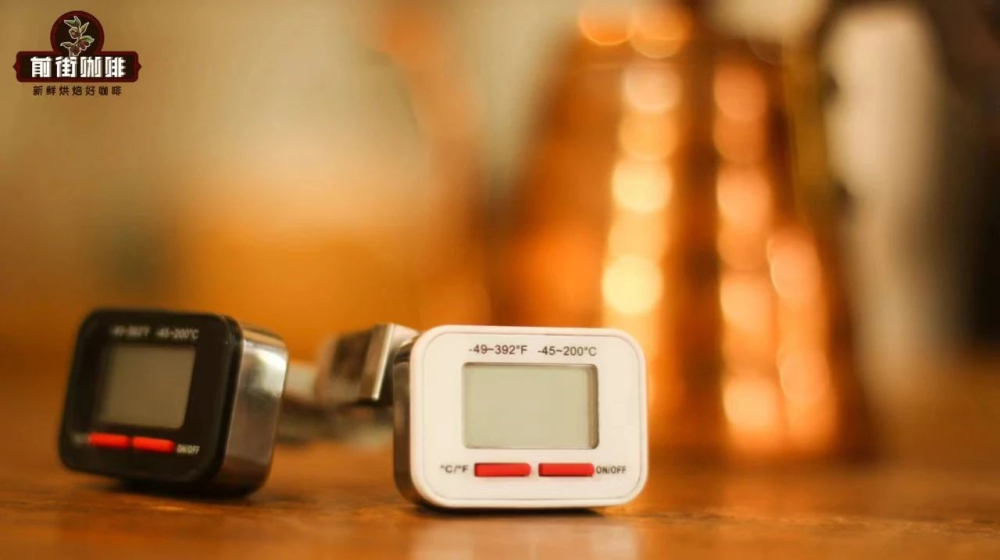
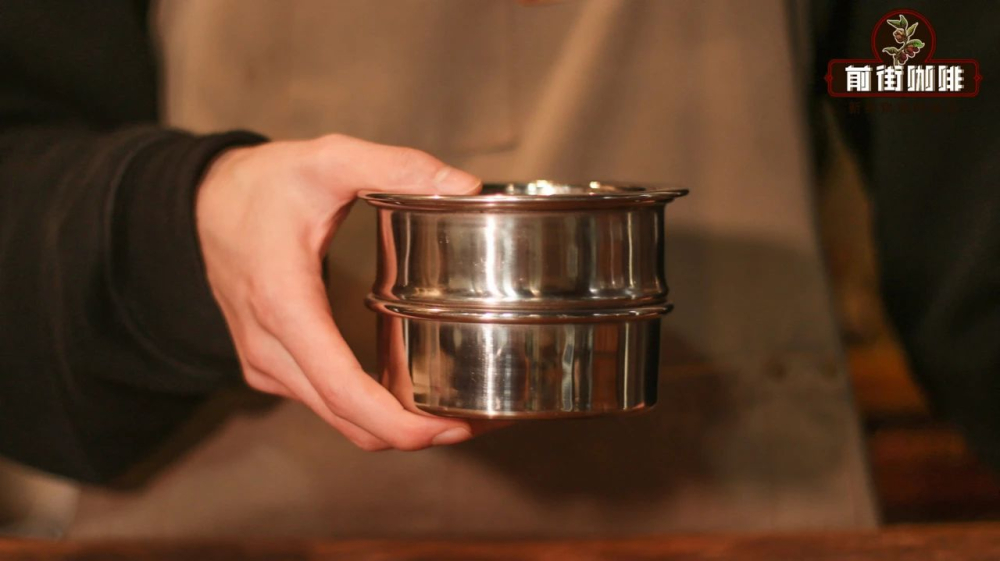
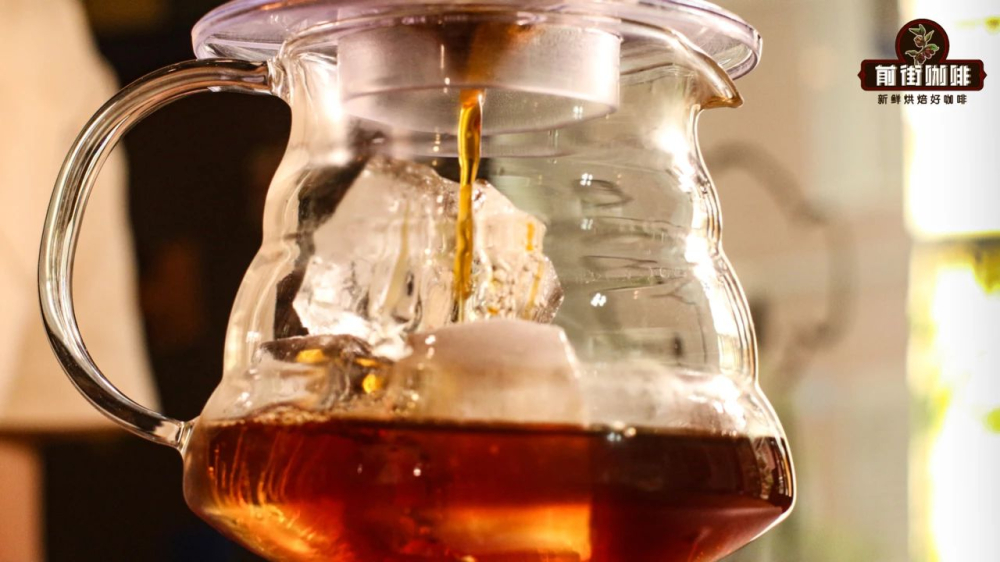
These include a thermometer (such as Tiamo, Hero), an electronic scale (preferably with 0.1g precision), filter paper (available in bleached and unbleached versions, must match the filter cone), a sieve (commonly a No. 20 sieve for testing grind size), and a sharing pitcher (such as the HARIO V60 Cloud Dripper) for multi-cup brewing to observe flow rate and extraction status.
II. The Six Variables of Pour Over Coffee
The key to stable extraction lies in controlling the following six variables: water temperature, grind size, coffee-to-water ratio, water quality, coffee bean freshness, and pouring technique.
1. Water Temperature
Water temperature is critical to coffee extraction efficiency. Generally,light to medium roast beans are recommended to use 90–91°C, while medium to dark roast beans are recommended to use 85–87°C. Higher temperatures lead to more thorough extraction but can also bring out bitterness; too low a temperature may result in under-extraction and overly acidic flavors.
2. Grind Size
Grind size determines the contact area and time between coffee grounds and water. Practical advice suggests usingmedium-fine grind with an 80% passage rate through a Chinese standard No. 20 sieve, similar in coarseness to white sugar. Too fine leads to over-extraction, while too coarse may cause under-extraction.
3. Coffee-to-Water Ratio
Common ratios range from 1:10 to 1:16. A starting point recommended is1:15[ratio unspecified in original text, placeholder maintained], suitable for most coffee beans and taste preferences, adjustable based on personal preference.
4. Water Quality
It’s recommended to use filtered or mineral water to avoid impurities in tap water affecting flavor. Minerals such as calcium and magnesium in water can impact extraction efficiency and flavor expression.
5. Coffee Bean Freshness
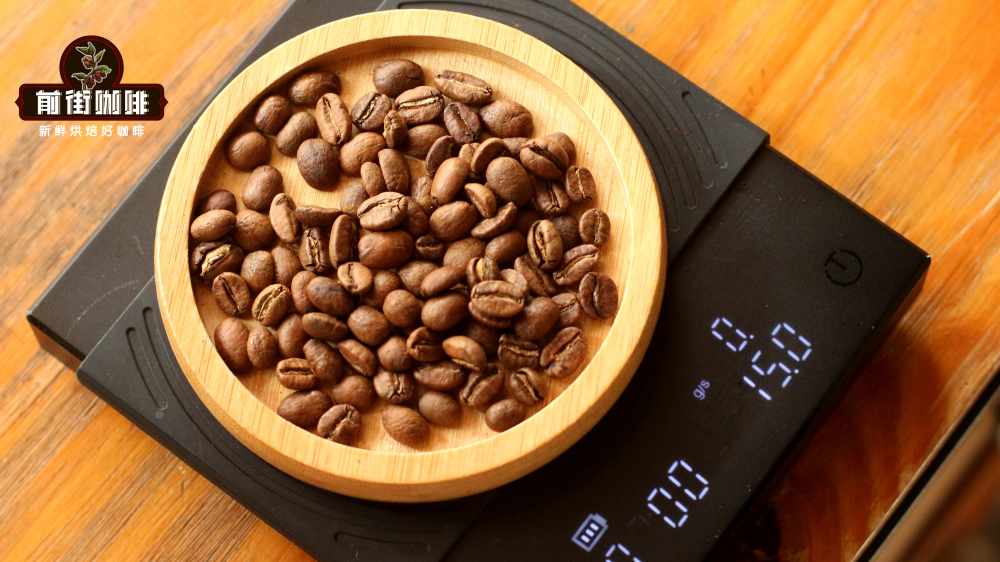
Single-origin beans can more clearly showcase regional characteristics. Choose beans with information on origin, variety, and processing method. Freshly roasted beans need a 4–7 day degassing period for optimal flavor, and are best consumed within a month.
6. Brewing Technique
Common methods include the three-pour, one-pour (single pour), and drip methods. For beginners,the three-pour techniquecan more stably present the coffee’s early, mid, and late-stage flavors.
III. Practical Techniques for the Three-Pour Method
The three-pour method is divided into blooming, the second pour, and the third pour, effectively controlling the extraction rhythm and flavor expression.
1. Blooming: Pour an amount of water equal to twice the coffee grounds weight (e.g., 30g water for 15g coffee), for about 30 seconds, to help the coffee release gases and initiate extraction.
2. Second Pour: Pour in a small, steady stream from the center in a circular motion, keeping the water level within the height of the coffee bed to avoid over- or under-extraction.
3. Third Pour: Observe the water level dropping, then continue pouring in a circular motion until reaching the target total water volume (e.g., 225g). Pay attention to rhythm and flow rate to avoid off-flavors in the final stage.
Practical recommendation: Hario V60 filter cone, 90°C water temperature, 15g coffee, 1:15 coffee-to-water ratio, 20-number sieve 80% grind size, total extraction time around 2 minutes.
The above content is compiled by CoffeeHunters, a coffee news website.


