







Introduction:Pour over and espresso are two of the most popular coffee brewing methods, yet they differ significantly in extraction principles, bean selection, and flavor profiles. This article provides an in-depth comparison of the two in terms of technical details, equipment setups, and suitable scenarios, helping you choose the right brewing method based on your personal taste preferences. It also offers practical parameters and recommended beans to help coffee beginners take their first step.
Among the many coffee brewing methods, pour over and espresso are undoubtedly the two most commonly compared mainstream forms. Whether at home or in professional cafés, both methods have a solid fan base. However, they actually have fundamental differences in extraction principles, parameter settings, and final flavor presentation.
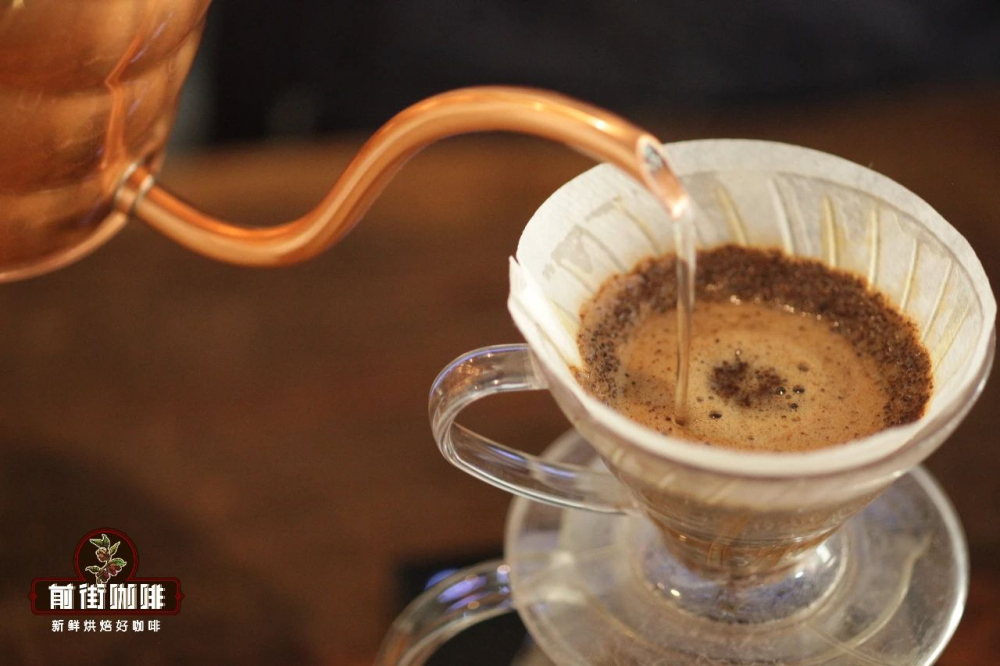
Pour over is a type of ambient pressure drip filtration extraction, relying on hot water slowly saturating the coffee grounds and filtering out the coffee grounds through paper to produce a clear, bright black coffee. This method is similar to brewing tea, emphasizing a slow and steady release of aromatic compounds from the coffee. The overall taste tends to be refreshing, with pronounced fruitiness and clear acidity, making it ideal for appreciating the original layers of coffee.
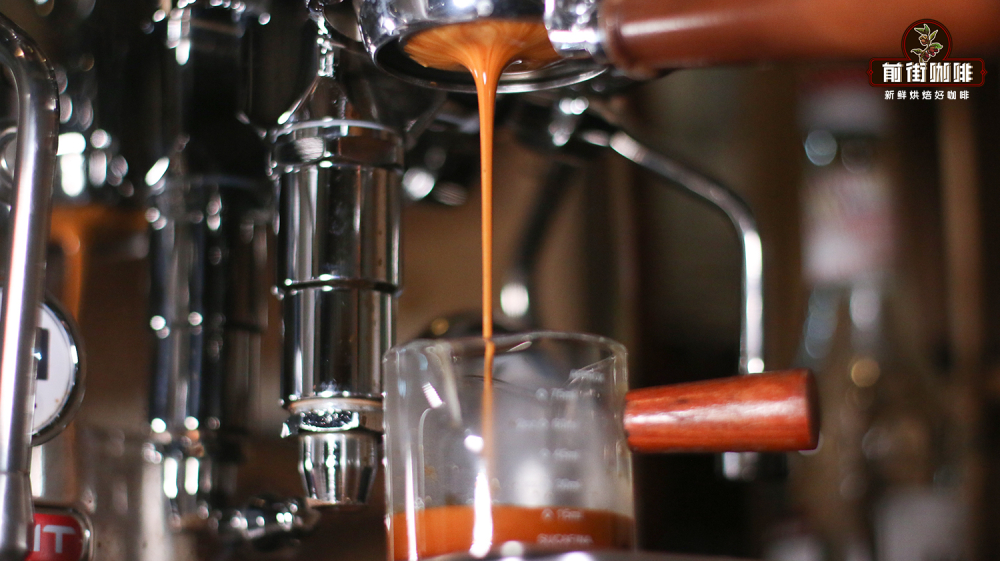
Espresso, on the other hand, is extracted by forcing hot water under high pressure (about 9Bar) through a tightly packed puck of coffee grounds in a very short time (around 25–30 seconds), resulting in a highly concentrated coffee liquid. This method quickly extracts flavor compounds to form a rich, thick coffee with crema. It is often used as the base for milk-based drinks such as lattes and cappuccinos. However, drinking it straight can be overwhelming for beginners due to its intense concentration.
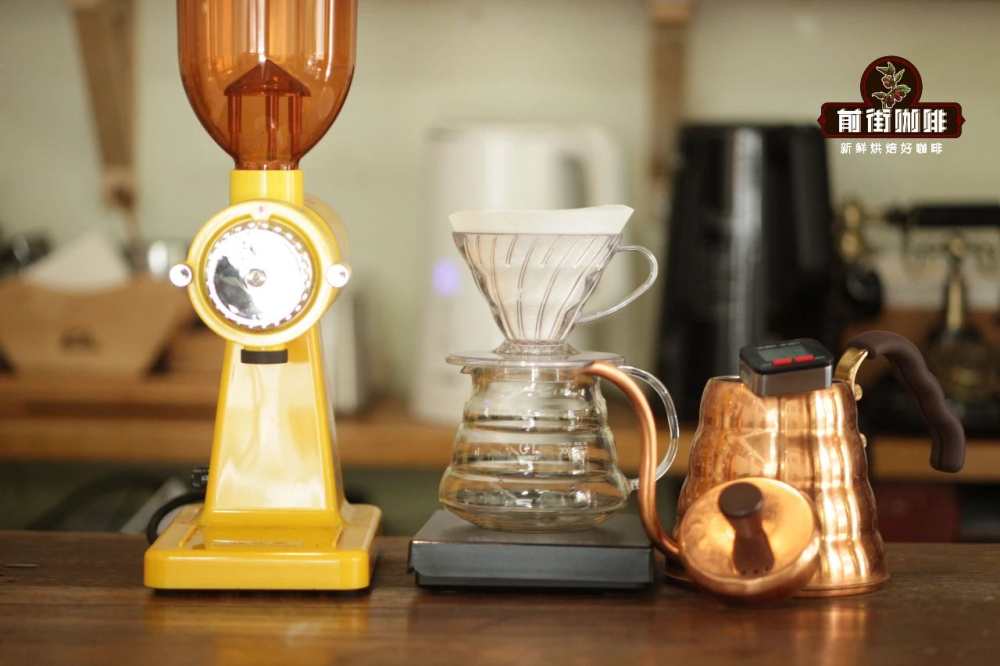
In terms of equipment, although the tools required for pour over may seem simple, each plays an important role. A typical pour over setup includes a pour over kettle, filter cone, paper filter, server, grinder, scale, and thermometer. Among these, the quality of the grinder is particularly crucial — the ability to consistently produce an even grind size is a key foundation for successful pour over. It’s recommended to grind the beans to a medium-coarse to coarse level, with water temperature generally controlled between 90–94°C, and extraction time ranging from 2 to 4 minutes, adjusted slightly based on the bean type and personal preference.
In contrast, espresso brewing has a higher technical barrier. Espresso machines use high-pressure water flow along with extremely fine and uniform grinding to extract water and coffee grounds in a very short time (about 25–30 seconds), producing about 30 milliliters of concentrated coffee. During this process, variables such as coffee dose, tamping pressure, coffee distribution, water temperature, and pressure all directly affect the final flavor. Therefore, if you want to try making espresso at home, besides the machine, stable grind quality and attention to detail are also essential.
In terms of coffee bean selection, there are also clear differences between what’s suitable for pour over and espresso. Pour over favors medium to light roasted beans, which can showcase bright fruit acidity, floral notes, and citrus tones — for example, Ethiopian Yirgacheffe or Guatemalan Huehuetenango. If these beans are used for espresso-style high-pressure extraction, they can easily become over-extracted, releasing excessive bitterness and sharp acidity that disrupts the overall flavor balance.
On the other hand, espresso is better suited to medium-dark or even dark roasted beans. These beans typically have rich caramel, chocolate, and nutty aromas that blend perfectly with the crema produced by high-pressure extraction, resulting in a thick and full-bodied mouthfeel. Many cafés use specialty espresso blends, combining beans from different regions and processing methods to ensure stable and layered flavors.
For beginner coffee enthusiasts, it’s recommended to start with pour over using cost-effective everyday beans for practice. These beans usually come from well-known producing regions, use mature processing methods, have clear flavors, and are affordably priced, making them ideal for getting familiar with the characteristics of different origins. For example, washed beans often exhibit bright acidity and citrus notes, while natural or honey processed beans tend to show sweetness and dried fruit aromas.
If you prefer a rich and thick mouthfeel, espresso is a better choice. Especially when milk is added, it can soften the intense flavors of coffee, creating silky textures like in lattes or creamy ones in cappuccinos. Additionally, espresso is the base for both hot and iced Americanos. A typical hot Americano is made with a 1:6 ratio of espresso to water — for example, 40 grams of espresso with 240 grams of 88°C water. For an iced Americano, part of the water can be replaced with ice, such as adding 120 grams of ice and 120 grams of cold water. This helps maintain a cool drinking experience without masking the coffee’s aroma.
In summary, pour over and espresso each have their own charm and suitable scenarios. Pour over allows you to savor the original flavors of coffee in detail, making it ideal for beginners who enjoy exploration and experimentation. Espresso, on the other hand, excels in richness and layered complexity, suiting those who seek a bold and quick coffee experience. Regardless of which method you choose, understanding its basic extraction principles and parameter settings is key to enhancing your coffee experience.
The above content is compiled by CoffeeHunters, a coffee news website.


