








Introduction:An in-depth analysis of the characteristics and differences among the three grades of Geisha coffee from Panama’s Finca Esmeralda. From the Red Label auction lots to the more accessible Blue Label entry-level options, this guide helps you understand how altitude and processing methods influence flavor. The article details the aromatic profiles of washed and natural processed beans, and offers professional recommendations on light roasting and step-brewing techniques to help you find the Geisha that best suits your taste preferences.
In the specialty coffee market, Jamaican Blue Mountain, Hawaiian Kona, and Panamanian Geisha are hailed as the three top-tier varieties. Among them, Geisha from Panama’s Finca Esmeralda stands out with its rich floral and fruity notes. Based on planting altitude and cupping scores, the estate categorizes its Geisha into three main grades: Red Label, Green Label, and Blue Label. Each grade not only originates from different plots but also features unique processing methods and flavor profiles.
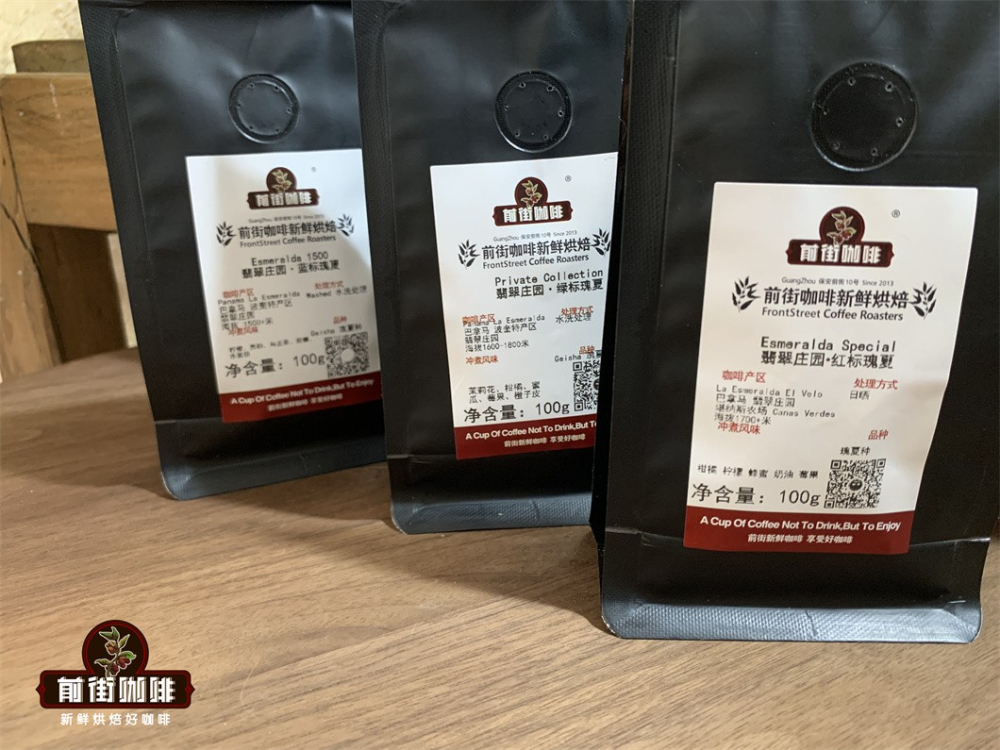
Red Label Geishais the flagship offering of Finca Esmeralda, grown at altitudes between 1600 and 1800 meters. Only beans that score 90 points or higher in rigorous cupping evaluations are selected. These beans come exclusively from the Jaramillo and Canas Verdes blocks. Some Red Label lots participate in international auctions—commonly referred to as Auction Red Label—while those not offered at auction are simply called Red Label. It’s worth noting that there is no fundamental difference in origin or quality between the two, but auction lots are more sought-after due to their limited availability. The Red Label is mostly processed via natural or washed methods, yielding bright flavors often marked by vibrant floral notes and distinct citrus tones, making it ideal for coffee lovers who enjoy pronounced fruity profiles.
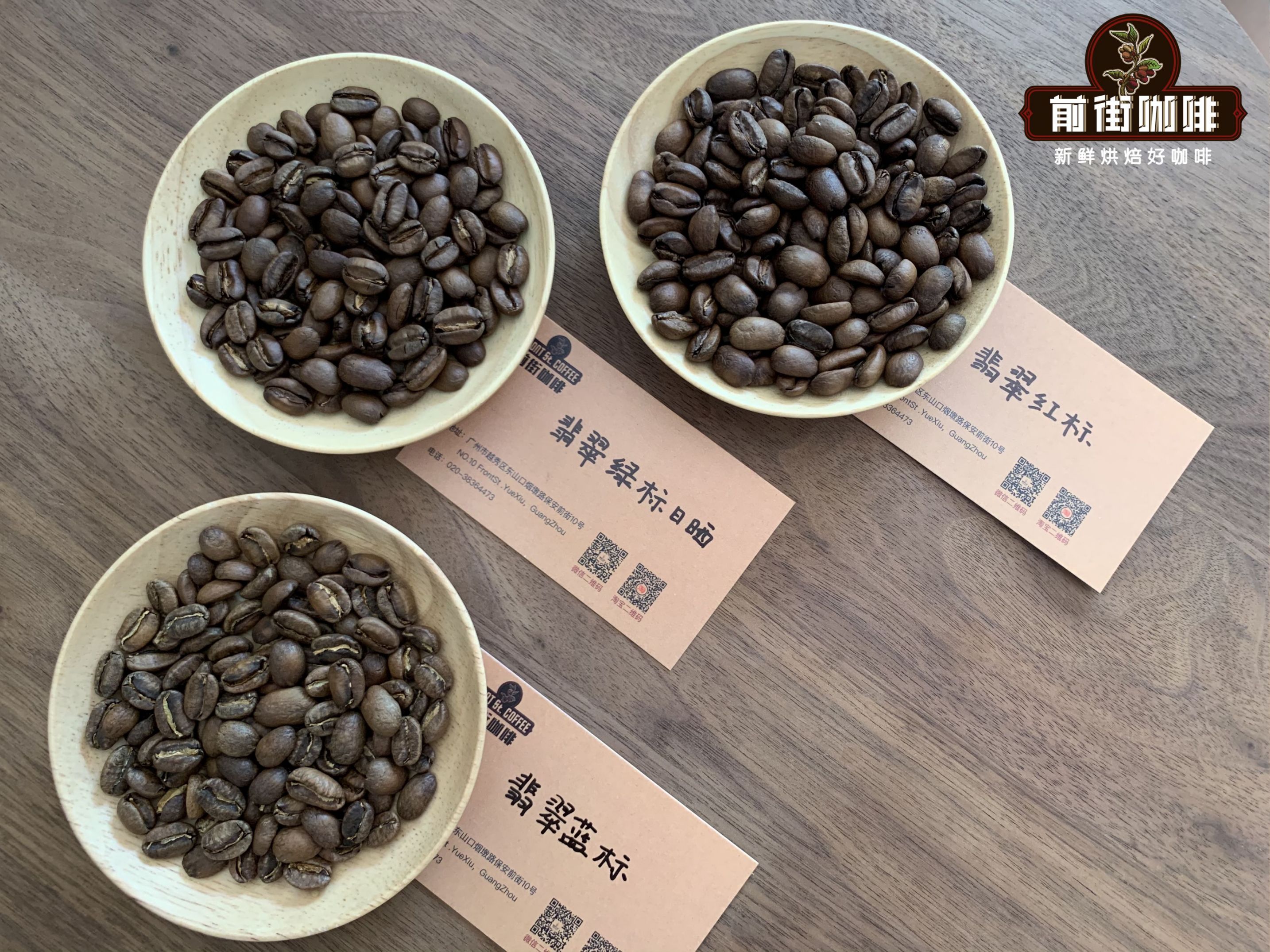
Green Label Geisha, also known as the Private Collection series, shares a similar altitude range with the Red Label (1600–1800+ meters) but does not go through the auction process. Its production spans multiple blocks including Jaramillo and Canas Verdes. The defining feature of this grade is the inability to trace beans back to specific plots, which adds an element of surprise akin to opening a mystery box—some batches may actually come from high-altitude core areas. The Green Label also offers both washed and natural processed options. The washed version is celebrated for its clean profile, featuring prominent jasmine aromas, clear citrus and berry acidity, making it well-suited for those who prefer a refreshing style. Practical testing shows that washed processing better highlights the region’s native flavor characteristics, while natural processing imparts richer aromas and sweetness.
Blue Label Geisha, also known as Geisha 1500, is grown at relatively lower altitudes, between 1400 and 1500 meters, across three areas: Jaramillo, Canas Verdes, and El Velo. Historically, this grade was offered only in washed batches, but in recent years, natural processed options have been introduced. Cupping results show that the natural Blue Label boasts sweet fruity aromas in its dry scent, with a smooth and gentle acidity after brewing, offering an intriguing contrast to the traditional washed version’s combination of lemon, oolong tea, and peach notes. This year, both washed and natural Blue Label batches were released, displaying clear differences in aroma: the natural version carries a wine-like richness, while the washed version highlights citrus, honey, and light fruity notes with brighter acidity and a refreshing mouthfeel.
Many consumers often wonder about the difference between Red Label and Green Label. Simply put, Red Label can be traced to specific plots, whereas Green Label lacks such traceability—but this does not detract from its flavor performance. In fact, some Green Label batches may actually originate from Red Label regions, and this uncertainty adds to the enjoyment of tasting. Regardless of which grade you choose, Finca Esmeralda’s Geisha consistently delivers the classic combination of white floral, fruity sweetness, and citrus acidity, making it a great entry point for getting to know the Geisha variety.
In terms of processing methods, Red Label and Green Label commonly offer both washed and natural versions, while Blue Label has traditionally been primarily washed but has also introduced natural batches this year. Practical cupping shows that the natural Blue Label has a rounder mouthfeel and softer acidity, complementing the crisp structure of the traditional washed version. Regardless of processing method, light roasting remains the key to showcasing the delicate flavors of Finca Esmeralda’s Geisha, fully unlocking its floral-fruity character and layered complexity.
For brewing recommendations, we suggest using lightly roasted beans with a step-brewing method, keeping the water temperature at90°C, and setting the coffee-to-water ratio at1:15. For a single serving, use15 gramsof coffee grounds. The specific steps are as follows: begin with a 30-gram bloom using30 grams of water, then pour in small circular motions until reaching125 gramsfor the first pour. Once the water level drops and the coffee bed is slightly exposed, continue pouring to225 gramsto complete extraction, then remove the filter. This parameter balances acidity, sweetness, and body, and works well for all grades of Geisha.
In terms of actual tasting, the Red Label Geisha showcases bright rose floral notes and intense citrus aromas, with a juicy mouthfeel, distinct layers, and high sweetness. The Green Label is dominated by rich jasmine floral notes, with honey-like sweetness in the mid-palate and a mellow finish of oolong tea and brown sugar, delivering an overall clean and bright cup. No matter which grade you choose, Geisha from Panama’s Finca Esmeralda offers a unique tasting experience. We recommend selecting the one that best matches your personal flavor preferences.
The above content is compiled by CoffeeHunters, a coffee news website.


