







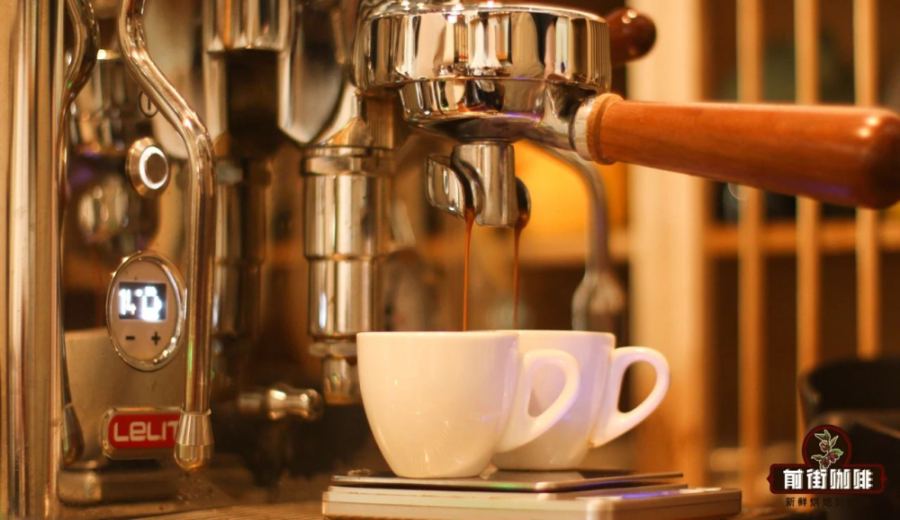
Introduction:Want to enjoy professional-grade coffee at home with ease? Choosing the right coffee beans and mastering the operation process are key. This article is tailored for fully automatic coffee machine users, featuring a selection of recommended coffee beans suitable for various flavor profiles — including bright fruity, rich bold, and classic Italian styles — along with a detailed walkthrough from installation, adjustment, brewing, to cleaning. It helps beginners consistently brew delicious coffee.
Thanks to their simple operation and stable performance, fully automatic coffee machines have become the top choice for many homes and small offices. However, for beginners, selecting the right coffee beans and mastering the correct operation method are often the first challenges. This article will delve into suggestions for choosing coffee beans suitable for fully automatic machines and guide you step-by-step through the complete usage process from preparation to maintenance.
Types of Home Fully Automatic Coffee Machines
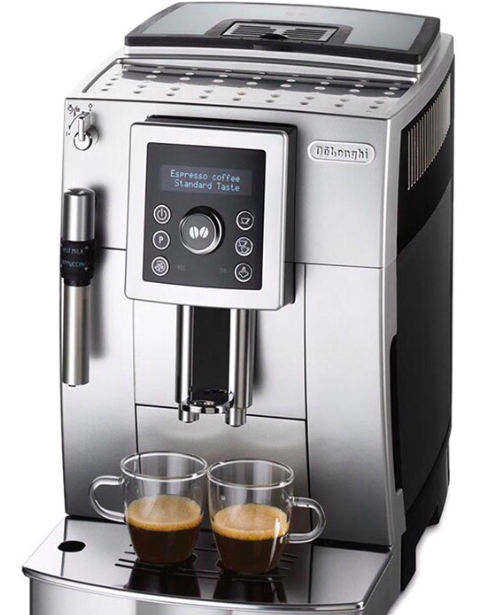
There is a wide variety of fully automatic coffee machines on the market. Some integrate grinding and extraction functions, while others only support coffee powder or capsules. Traditional fully automatic coffee machines use coffee beans as the main ingredient, equipped with built-in grinders, making them ideal for users who seek freshly ground flavors. Capsule and all-in-one machines, though also automated, use pre-packaged coffee capsules or pods, catering to those who prioritize convenience but with less flexibility. If you prefer flexible adjustments and freshly ground coffee, it's recommended to choose a fully automatic model that supports bean input.
How to Choose the Right Coffee Beans?
Different flavor profiles of coffee beans can affect the extraction performance and final taste when using a fully automatic coffee machine. If you enjoy bright acidity and delicate floral notes, you can opt for beans with distinct berry, citrus, and floral characteristics. These beans usually come from high-altitude regions, such as certain areas in Ethiopia, delivering a bright taste and rich layers.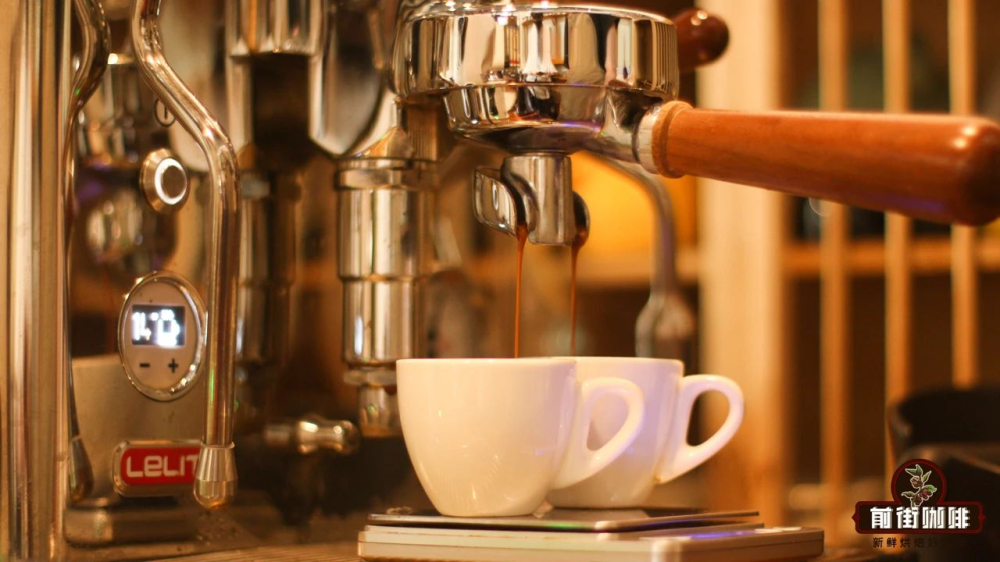
For those who prefer tropical fruits and fermentation aromas, consider blends with berry, raisin, and creamy textures. These beans often exhibit rich sweetness and wine-like notes, making them suitable for espresso or latte bases.
If you lean toward a bold and solid mouthfeel, go for coffee beans with dominant notes of nuts, dark chocolate, and caramel. These beans typically come from Central and South America or Southeast Asia and are suitable for drinking black or with a small amount of milk foam.
If you want a balance between stability and cost-effectiveness, Italian blends are also a great option. These beans are usually a mix of beans from different regions, with clear and consistent flavor profiles. Common flavors include nuts, caramel, and dark chocolate, making them ideal for daily enjoyment.
Startup and Basic Settings
Before first use, make sure the machine is clean and free of foreign objects, and check that the water tank and coffee grounds container are properly installed. Then connect the power supply, press the power button, and wait for the machine to complete its self-check process. Most models offer options like "small cup," "large cup," or "espresso." Some high-end models even support customization of concentration, grind size, and extraction temperature. It’s recommended to start with preset modes upon first use, and adjust gradually as you become more familiar.
Note that some fully automatic models do not come with a separate bean hopper and can only use coffee beans. Check your model’s features before use. If your machine supports customizable parameters, you can adjust grind size (usually medium-fine to medium-coarse), extraction time, and coffee volume based on your personal taste to achieve the desired flavor.
Adding Beans and Water
Open the bean hopper lid and pour freshly roasted coffee beans into the hopper. It is recommended to fill it to about3/4 full(most machines have a bean hopper capacity of about 300–400 grams), to avoid overfilling which may affect grinding efficiency or cause bean jamming. Then open the water tank lid and pour fresh cold water up to the indicated water level line. Typically, it is advised to fill to about3/4 capacityto ensure enough water for one or multiple extractions.
It is recommended to use filtered or soft water to reduce limescale buildup and extend the machine’s lifespan. If the machine will not be used for a long time, empty the water tank and bean hopper to prevent residual moisture or bean spoilage.
Brewing Process and Notes
After setting the parameters and adding coffee beans and water, you can select your desired coffee type, such as Americano, espresso, or latte (some models require an additional milk system). Press the corresponding button, and the machine will automatically perform grinding, tamping, and extraction steps. The entire process usually takes just a few seconds to about a minute.
During brewing, pay attention to the machine’s operating sounds and indicator lights to ensure there are no abnormalities. Once extraction is complete, the machine will usually emit a prompt sound or light up a display light. You can then open the dispensing outlet, pour the coffee into a cup, and add sugar, milk, or spices according to your preference.
Cleaning and Maintenance Tips
To ensure the quality of each brew and the longevity of the machine, regular cleaning is essential. After each use, it’s recommended to wipe the coffee outlet and exterior with a dry cloth to prevent coffee grounds or water stains from remaining. Regularly (ideally weekly or after every 10–15 uses) clean the coffee grounds container, water tank, and filter to prevent odors and bacterial growth.
If your model supports automatic cleaning or descaling functions, follow the manual to perform these tasks regularly. Especially for users in hard water areas, it’s recommended to descale every 1–2 months to maintain unobstructed heating systems and pipelines. If the machine will not be used for an extended period, remove any remaining coffee beans, empty the water tank, and keep the machine body dry.

With the above bean selection and operation techniques mastered, you can easily and consistently brew a cup of café-quality coffee at home. By continuously trying different beans and fine-tuning parameters, you’ll be better able to discover your own preferred coffee flavors.
The above content is compiled by CoffeeHunters, a coffee news website.


