







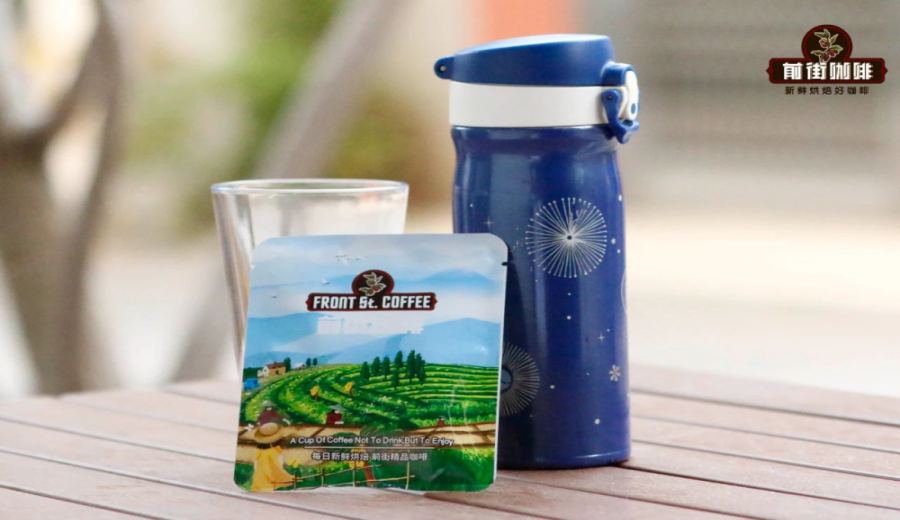
Introduction:Due to their convenience, drip bags have become the go-to choice for many coffee enthusiasts when at the office, at home, or while traveling. But many people wonder: can drip bags be used for a second brew? This article delves into the origins of drip bags, the correct brewing methods, the feasibility and techniques of a second extraction, and recommends types of coffee beans suitable for drip bags—all to help you enhance the flavor profile of every cup.
Thanks to their simple operation and portability, drip bags have become a popular option for many people who enjoy black coffee in the office, at home, or on the go. However, for those new to using drip bags, beyond the basic brewing method, many also want to know if a second brew is possible and how to ensure each cup delivers the best flavor. This article will provide a detailed introduction to the origins of drip bags, the standard brewing process, practical tips, and recommendations for choosing coffee bean varieties, along with specific guidance on the feasibility of a second extraction.
The prototype of drip bags can be traced back to 2001, when Japan’s UCC Ueshima Coffee developed and patented the product, which was later introduced to the market. In Japanese, such products are referred to as “one-cup extraction type coffee.” The design principle is quite straightforward: pre-ground coffee is placed in a filter pouch made of non-woven fabric or paper, with “ears” made of paper attached to both sides. Once unfolded, these ears securely hang over the rim of a cup. Users simply pour hot water, wait for the extraction to complete, then remove the pouch to enjoy a rich cup of black coffee. This design greatly simplifies the pour over process. However, because ground coffee loses its aroma quickly after being ground, it is recommended to choose freshly roasted products with a shorter production time to achieve better flavor.
The term “drip bag” comes from the two paper “ears” that hang over the edge of the cup. Due to its ease of use, lack of need for specialized equipment, and richer taste compared to instant coffee, drip bags quickly gained popularity in the Japanese market and now account for approximately 15% of local coffee consumption. In contrast, the adoption of drip bags in Taiwan and mainland China came later, only becoming more widely known in recent years with the rise of specialty coffee culture, eventually becoming a daily favorite among many office workers and coffee beginners.
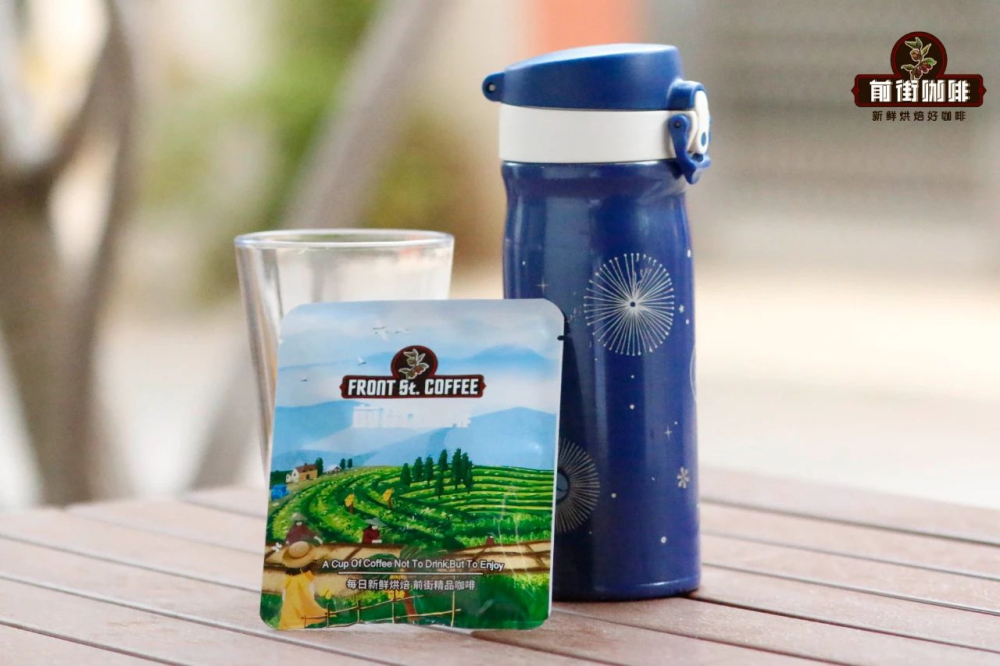
So, what exactly is a drip bag? Simply put, it is a filter pouch that contains pre-ground coffee and is equipped with a built-in filter. The pouch has two “little ears” on either side that can be unfolded, allowing users to hang it over the rim of a cup for brewing. This design enables even those without professional pour over equipment to easily brew a cup of black coffee with a flavor close to that of a pour over—whether at home, in the office, or while traveling. The biggest advantage of drip bags is their convenience. While it is possible to brew them using complex equipment and finely ground coffee, doing so would defeat the purpose of the drip bag design. For most users, drip bags are a practical alternative for enjoying pour over-style coffee in daily life, especially in situations where a grinder, scale, or pour over kettle is not available.
Brewing a drip bag is actually not complicated. First, the amount of coffee powder in a drip bag is usually clearly indicated, typically around 10 grams, so there’s no need for an additional grinder or scale. Next is setting the water volume and temperature. It is recommended to use a coffee-to-water ratio of 1:15 to 1:16, aiming for a final coffee liquid volume of about 140 to 150 milliliters, with water temperature around 90°C being ideal. If you don’t have a thermometer, you can turn off the heat once the water boils, leave the lid off the kettle, and let it sit for about 2 to 3 minutes—the temperature will typically drop to around 90°C (based on a room temperature of 28°C).
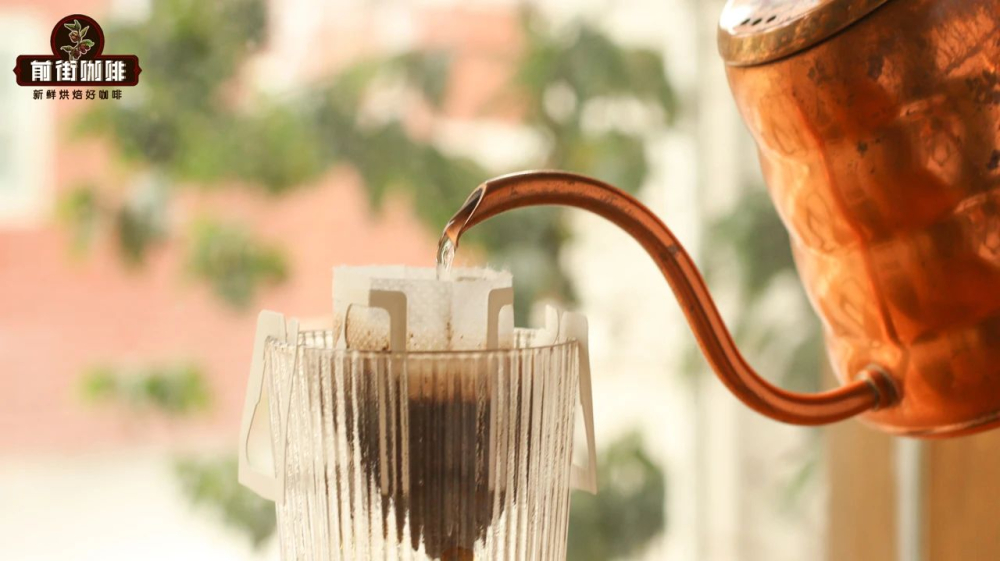
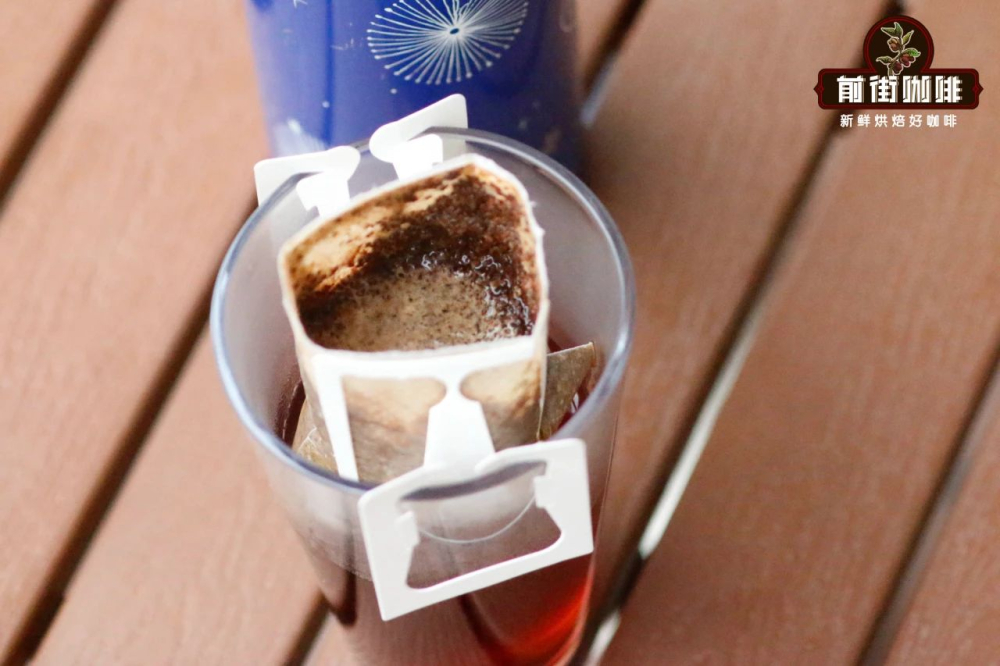
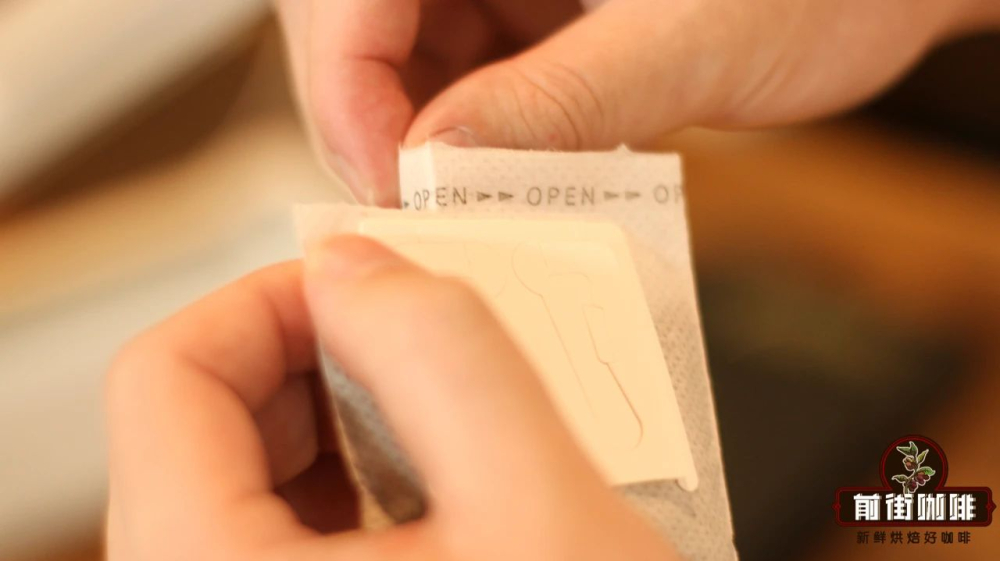
Once you’ve prepared everything, you can start by warming up your brewing cup. Then, tear open the seal of the drip bag, unfold the two “ears,” and hang them securely over the rim of the cup. Gently shake the coffee layer to ensure even extraction. The first step is pre-wetting, also known as blooming. Simply pour a small amount of hot water to fully saturate the coffee grounds, then let it sit for about 30 seconds to help release the coffee’s aroma and flavor. After blooming, you can begin the main pouring. It is recommended to pour in a small, circular motion. Once the coffee layer settles slightly, continue pouring until you reach the target coffee liquid volume, then remove the drip bag and enjoy. If you prefer more precise control over water volume, you can also pre-fill your pouring kettle with about 150 to 160 milliliters of water, pour it all in one go, and wait for the filtration to finish before removing the drip bag—the entire process takes about one minute.
Since drip bags use pre-ground coffee, compared to whole beans, the volatility of aroma and flavor compounds is faster. Therefore, to enjoy the best flavor, it is recommended to brew and consume the coffee as soon as possible. However, many users wonder: can drip bags be brewed a second time? The answer is yes, but the results will be noticeably inferior to the first brew. If you still want to try, it is recommended to use the same or slightly higher water temperature as the first brew, and to extend the interval between each pour. Also note that the total extraction yield may be reduced by half, and the flavor complexity will not be as rich as the first extraction. It is best to approach it with a sense of experimentation.
As for choosing coffee bean varieties, beans from different regions and with different processing methods can deliver vastly different flavor profiles. For example, Brazil’s Red Bourbon variety often exhibits flavors of nuts, peanuts, and cane sugar, with an overall balanced and mild mouthfeel. Meanwhile, Panama’s Geisha (commonly known as “Butterfly Pea”)—which has Geisha lineage—shows a complex flavor profile of citrus, floral notes, honey, and tea-like qualities, with bright acidity and high sweetness. These bean characteristics directly influence the final performance of the drip bag coffee. It is recommended to select beans based on your personal taste preferences, choosing suitable regions and processing methods to achieve the most satisfying drinking experience.
The above content is compiled by CoffeeHunters, a coffee news website.


