







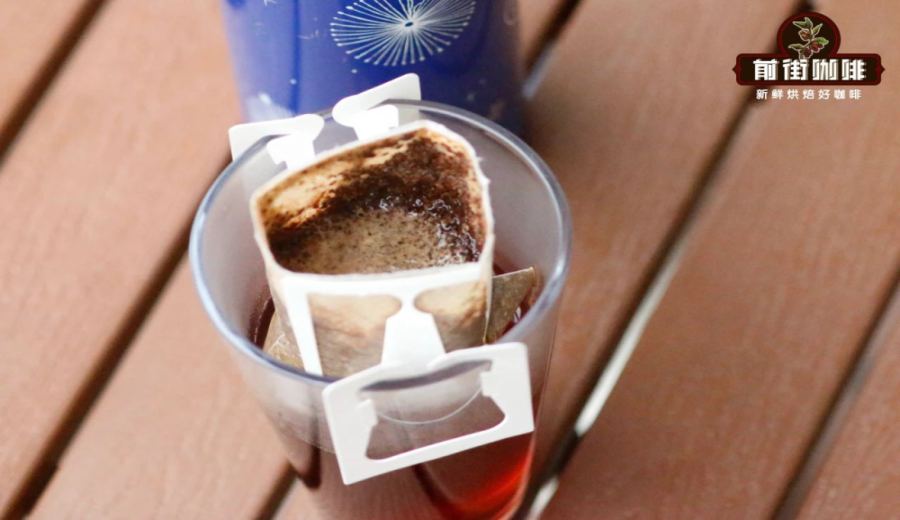
Introduction:Want to easily brew pour over-grade coffee at home? Drip bags are the simplest entry-level choice. This article details the flavor profiles of various Arabica varieties, including mainstream types such as bright acidity, rich body, balanced harmony, and delicate floral notes, and teaches you how to quickly select the right drip bag based on your personal taste. In addition, it provides practical steps for hot brewing and cold brew, precise powder-to-water ratios, and water temperature parameters, so you can master the brewing essentials all at once. Finally, it also explains why drip bags are not recommended for reuse, helping you avoid common mistakes and brew a more delicious cup.
There’s no need to buy an expensive coffee machine. With just one drip bag, you can enjoy a professional-grade pour over coffee experience at home. However, many people still have questions about how to brew drip bags: should you use hot or cold water? How do you avoid over-extraction or under-extraction? More importantly, why is it generally recommended to use a drip bag only once? This article will guide you through the essentials of drip bag brewing in an easy-to-understand way, and analyze the characteristics of different flavor types of Arabica beans, so you can feel confident from bean selection to brewing.
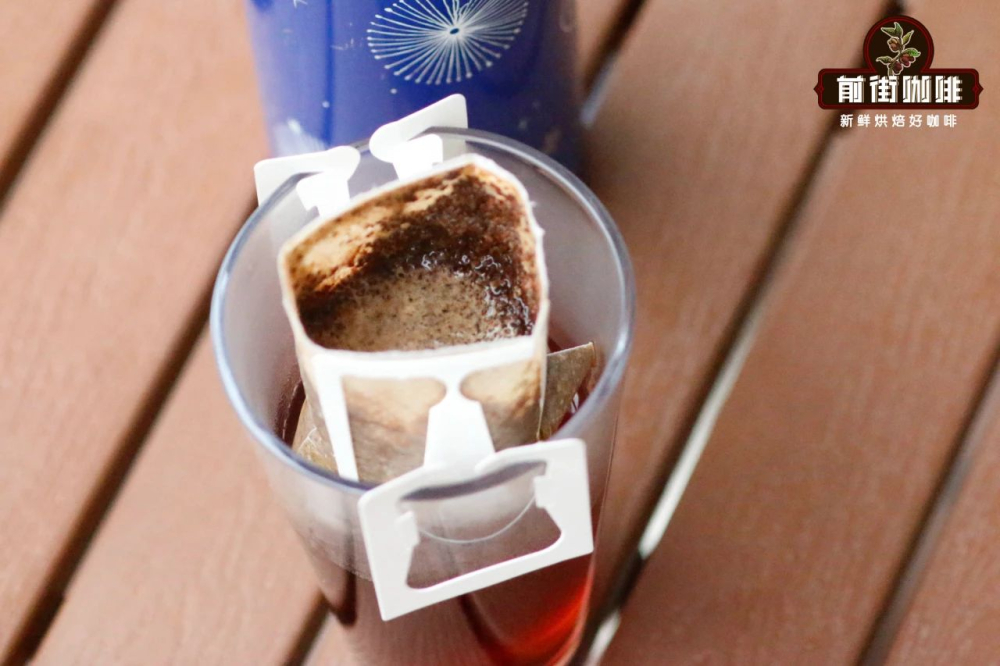
The charm of drip bags lies in their combination of convenience and professional extraction logic. Without complicated equipment, just hot water and patience, you can stably reproduce the original flavors of the coffee beans. Arabica beans from different regions and processing methods offer distinctly different taste experiences. Generally, they can be roughly divided into four main types: prominent acidity, rich body, balanced smoothness, and pleasant floral notes. Understanding these basic flavor profiles can help you quickly find the drip bag that best suits your taste.
[Fruity Acidity Drip Bag] Commonly found in medium to light roasted beans, represented by producing regions such as Ethiopia and Kenya, featuring bright notes of citrus, berries, lemon, or tea-like qualities. The acidity is refreshing, suitable for those who enjoy a lively mouthfeel. Recommended to try flavors from well-known origins such as Yirgacheffe or Kenya’s “little tomatoes.”
[Bold & Rich Drip Bag] Mostly medium-dark to dark roasted, from regions such as Brazil and Indonesia, often with aromas of caramel, chocolate, nuts, and toasted bread. It has a full body, low acidity, and a sweet aftertaste, suitable for drinkers who prefer a strong flavor profile.
[Balanced Drip Bag] Typically medium roasted, such as beans from Colombia, Yunnan, or Ethiopia’s Sidamo region, offering a harmonious balance of sweet, sour, and bitter notes, ideal for those seeking an even taste. Especially the berry-juice flavors from the Sidamo region are a popular starting choice for many beginners.
[Floral Drip Bag] Also leaning toward medium to light roasts, emphasizing fresh floral notes, citrus tones, and subtle fruity acidity, suitable for consumers who dislike excessive bitterness and desire a refreshing experience.
Next, we’ll demonstrate two of the most common brewing methods: hot brewing and cold brew, and provide specific parameters and steps so you can precisely control the flavor of each cup.
For hot brewing drip coffee, it is recommended to use 10 grams of coffee grounds with a 1:15 powder-to-water ratio, for a total water volume of about 150 milliliters, with water temperature controlled between 90°C and 91°C. First, open the outer pouch of the drip bag, tear along the dotted line on the packaging, unfold the two side flaps, and securely place them over the edge of your cup. Then place the whole setup on an electronic scale and tare it to measure accurately. Heat water with a pour over kettle, and it’s recommended to insert a thermometer. Once the water temperature drops to around 91°C, you can begin brewing. The first step is to pour 20 grams of hot water for blooming, for about 20 seconds, to help the coffee grounds release CO₂ and make subsequent extraction more stable. Then, pour 60 grams of water using a thin stream, accumulating to 80 grams, mainly extracting sweet and acidic flavors. Finally, pour another 70 grams of water to reach a total of 150 grams, then wait for the filtration to finish before enjoying. Remember to gently swirl the coffee in the cup after brewing to even out the flavors.
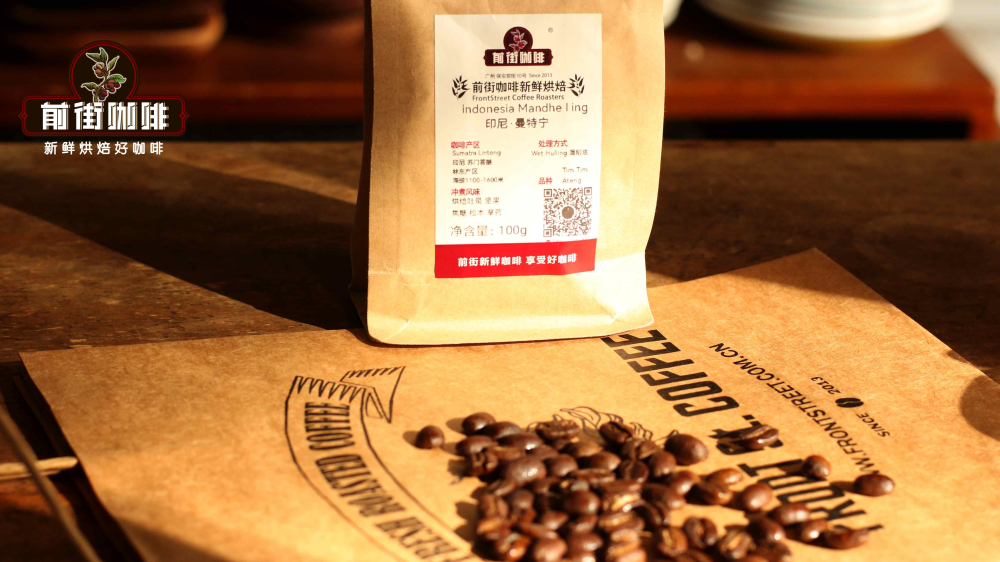
If you want to try cold brew flavor, it is recommended to use the same 10 grams of coffee grounds, but adjust the powder-to-water ratio to 1:10, for a total water volume of about 100 milliliters, with water temperature also maintained between 90°C and 91°C. The operation steps are largely the same as for hot brewing. The first step is also to bloom with 20 grams of water for 20 seconds, then pour 40 grams of water to reach a total of 60 grams, and finally pour the last 40 grams to complete the 100-gram extraction. After the coffee liquid has completely dripped through, mix the coffee with 50 to 70 grams of ice cubes and shake well, then let the ice melt naturally before drinking. The cold brew method often brings out more pronounced fruity acidity and delicate layers, with a honey-like sweetness in the aftertaste, making it suitable for summer or those who prefer a refreshing taste.
It’s worth mentioning that one brand once conducted an actual comparison between hot and cold brew of a Sidamo region drip bag: the hot brew version showcased rich berry juice flavors, with soft acidity and moderate sweetness. In contrast, the cold brew version emphasized a refreshing sweet-and-sour tone, with a distinct honey-like aftertaste. Although the overall body was slightly lighter, the freshness was elevated to a higher level.
Finally, why are most drip bags only recommended for single use? The key lies in the fact that only about 30% of the soluble flavor compounds in coffee beans are extractable, and of that, around 28% can be dissolved under proper brewing conditions, while the remaining 2% is extremely limited. When you brew a second time, these minimal flavors are almost instantly exhausted, leaving mostly woody fibers and impurities, which can easily make the coffee taste bitter or develop off-flavors. Therefore, to ensure the best flavor and drinking experience, it is recommended to brew each drip bag only once.
The above content is compiled by CoffeeHunters, a coffee news website.


