







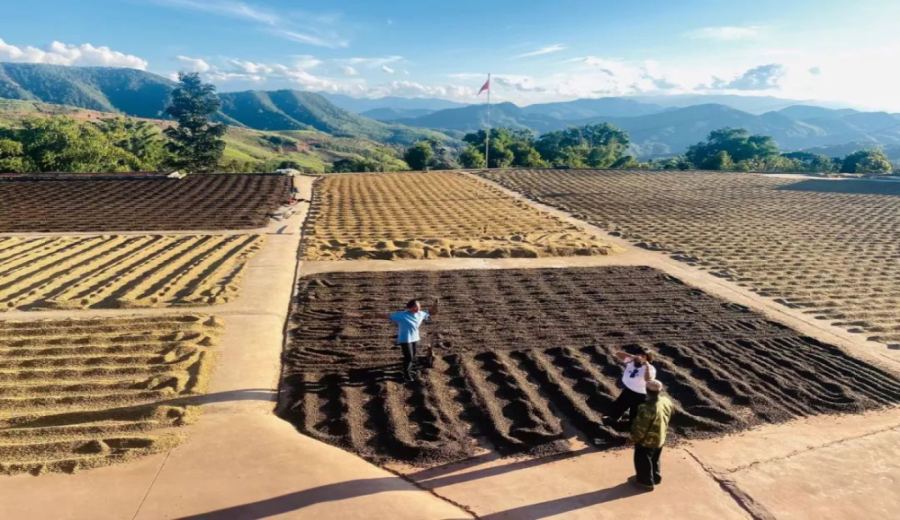
Introduction:Yunnan small-grind coffee, blessed with unique geographical advantages such as low latitude, high altitude, and significant diurnal temperature variations, has become an important domestic producing region for high-quality Arabica beans. This article delves into the potential and characteristics of Yunnan small-grind coffee—from regional ecology and mainstream variety traits to flavor profiles and practical pour over recommendations—while also providing extraction parameter references for different processing methods to help you master the brewing techniques of this emerging Asian coffee bean.
Located in the southern part of Yunnan in southwestern China, the region’s low latitude, elevation between 1,000 and 2,000 meters in dry-hot river valleys, along with distinct day-night temperature differences, create an optimal environment for growing small-grind coffee varieties. The coffee produced here generally exhibits balanced acidity, rich aromatic layers, and a full-bodied mouthfeel, making it a popular entry point for many coffee enthusiasts exploring Asian regional flavors.
Currently, Yunnan’s coffee cultivation is dominated by Catimor (a hybrid of Caturra and Timor), accounting for over 90% of the market. This variety, which incorporates a small amount of Robusta genetics, is known for its high yield, strong disease resistance, and short growth cycle, making it highly suitable for large-scale agricultural cultivation. However, with the rise of the specialty coffee trend, more and more producers are beginning to replant classic Arabica varieties such as Typica. These heirloom coffee varieties better express terroir characteristics and offer more nuanced and diverse flavor profiles.
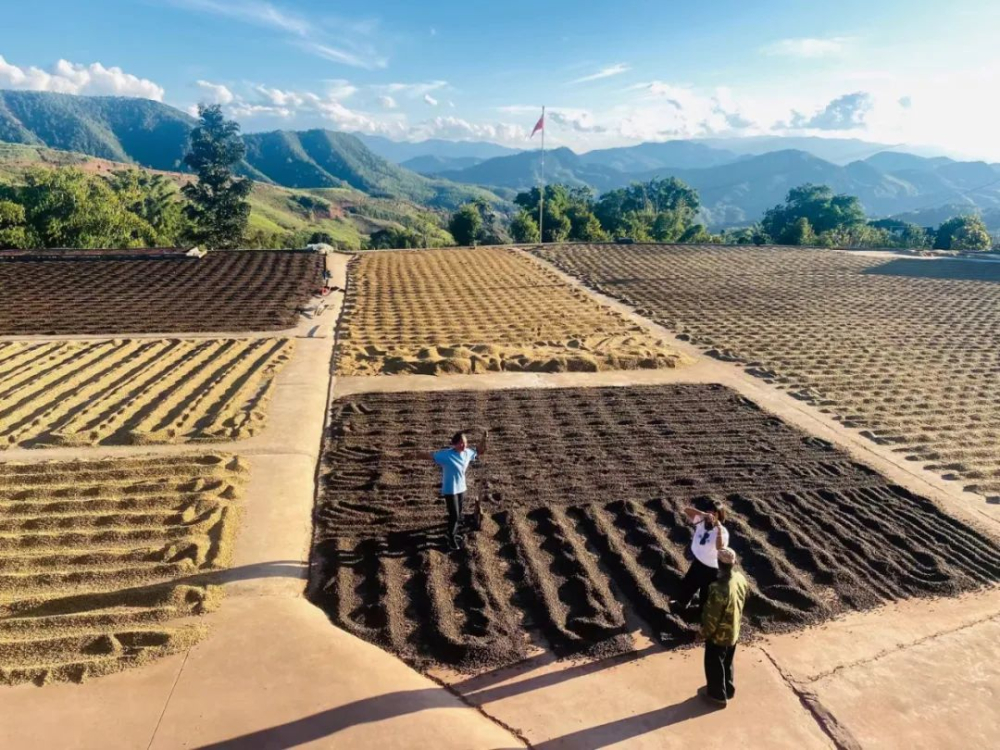
Take Typica as an example. This historically significant variety typically presents a clean and refreshing flavor profile, which varies depending on the microclimate of the producing region and the processing method. For instance, a coffee brand launched a natural sundried Red Cherry Typica in 2013, meticulously processed using the traditional sun-drying method. From seedling cultivation, planting, harvesting, processing to roasting, every step of this coffee was overseen by a single estate, ensuring a high degree of flavor consistency. The slow sun-drying process allowed this Typica coffee to develop a richer and fuller mouthfeel, with a balanced sweet and sour profile highlighted by distinct citrus and berry notes, along with subtle fermented wine-like aromas. The finish lingers with caramel sweetness and a silky creamy texture.
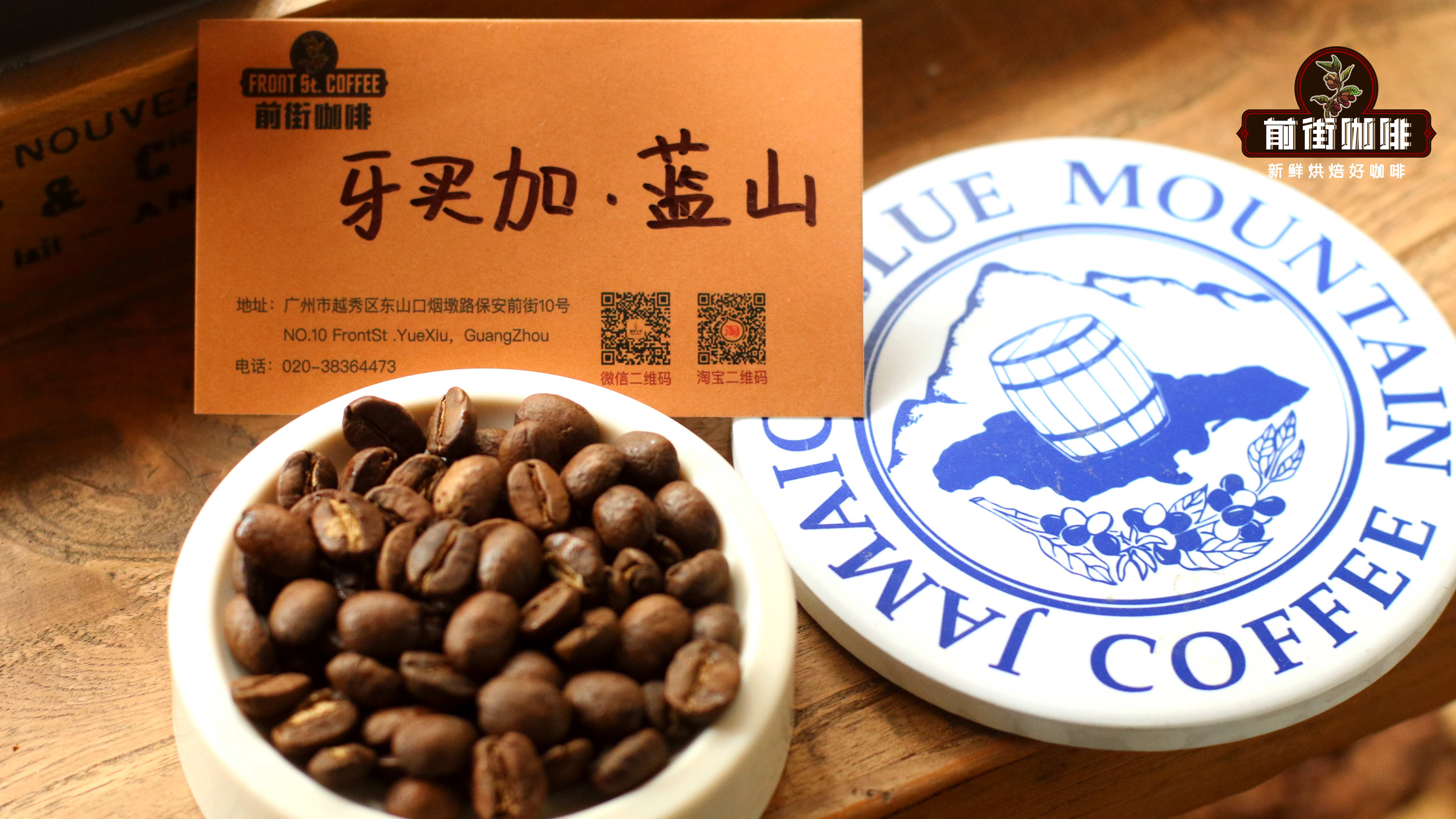
When it comes to "Yunnan small-grind coffee," many may wonder what category it falls under. Simply put, the coffee on the market is mainly divided into two types: Arabica and Robusta. The so-called "small-grind" refers to the Arabica variety, which often features bright fruity acidity with chocolate and nutty undertones, catering to consumers seeking delicate flavors. It is also the dominant cultivar in Yunnan. In contrast, Robusta is a medium-sized bean commonly found in Hainan, with a bold and robust flavor often carrying notes of walnut, woodiness, and herbs. It is primarily used in commercial espresso blends or instant coffee products.
Yunnan’s exceptional geographical environment—including moderate altitude, abundant sunlight, plentiful rainfall, fertile soil, and significant diurnal temperature variations—provides ideal conditions for growing specialty coffee. Thanks to these factors, Yunnan small-grind coffee typically exudes soft nutty, chocolatey, and herbal aromas, with a mild mouthfeel accompanied by subtle brown sugar sweetness and plum-like acidity. The finish often carries a soothing black tea-like tone, resulting in an overall balanced and layered cup.
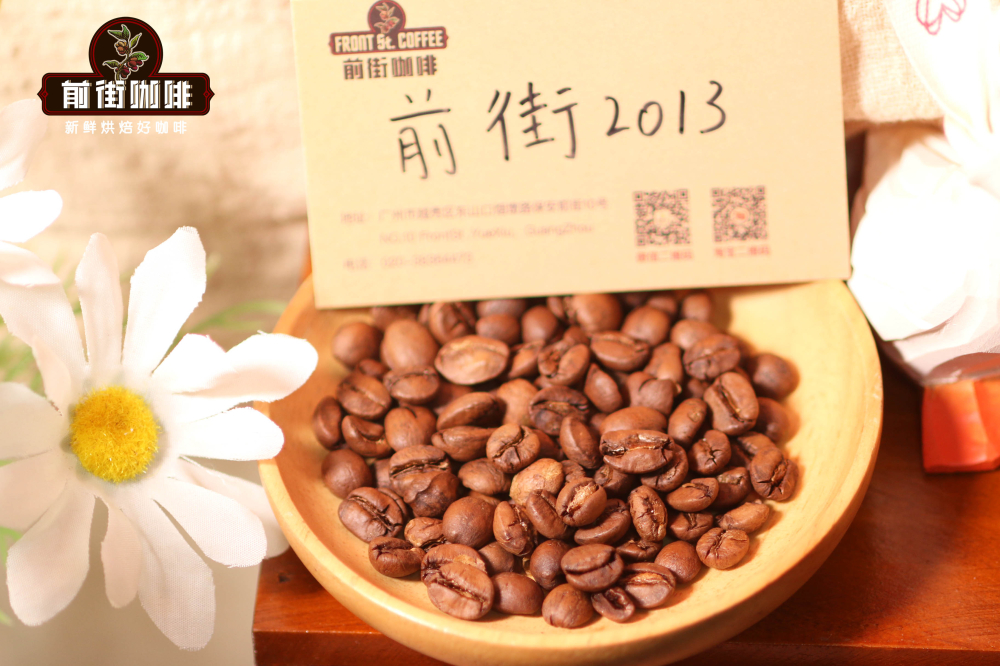
For those new to Yunnan small-grind coffee, it is recommended to start with entry-level medium-roasted beans. This roast level highlights chocolate and nut aromas while preserving moderate fruit acidity, delivering a well-balanced combination of nuts, herbs, brown sugar, and plum acidity in the cup. The mouthfeel structure is well-balanced. Meanwhile, Typica processed via the natural sun-drying method often showcases more expressive flavors such as chocolate, baked bread, tropical fruit fermentation notes, and a black-tea-like aftertaste, making it suitable for coffee lovers who enjoy bold flavor profiles.
Yunnan small-grind coffee, with its inherently soft nutty and dried berry aromas, clear nutty, herbal, chocolatey, and brown sugar flavors, balanced plum acidity, and subtle tea-like finish, is not only suitable for drip coffee but also makes an excellent base bean for espresso blends. If you wish to try an espresso with Yunnan characteristics, consider blending Yunnan small-grind beans with beans from regions like Brazil’s Cerrado, such as the common Black Cocoa blend, which combines Brazilian nutty aromas with Yunnan’s chocolate and citrus notes. Espresso brewed from such blends offers a balanced sweet, sour, and bitter profile with rich nutty and brown sugar sweetness, while used in a latte, it delivers a smooth almond and cream mouthfeel—perfect for beginners to experience the diverse charm of Yunnan flavors.
When brewing Yunnan small-grind coffee using a pour over method, it is recommended to use a medium-fine grind (approximately the size of fine sugar granules) due to its medium-low acidity and full-bodied mouthfeel. The water temperature should be controlled between 90–93°C. For sun-dried Typica, you may slightly increase the temperature to 93°C to enhance sweetness and fruitiness; for washed or neutral-flavored beans with medium roast levels, maintaining a temperature of 90–91°C is advised to balance acidity and body. Extraction parameters can follow a 1:15 to 1:16 coffee-to-water ratio, using a multi-pour method (e.g., 30g of coffee grounds with a total water volume of 225–240ml). After the first pour, let the coffee bloom for 30 seconds to facilitate aroma development, then continue pouring the remaining hot water in stages. The total extraction time should be kept between 2 minutes 30 seconds and 3 minutes to achieve the best flavor expression.
The above content is compiled by CoffeeHunters, a coffee news website.


