








Introduction:Drip bags are a great option for many people to enjoy the flavors of black coffee, but how can you brew them correctly to achieve the best performance? From water temperature control and dosage recommendations, to blooming time and the full brewing process, this article details the complete steps for brewing drip bags, explores whether they can be brewed directly with milk, and examines the flavor profiles of beans from different regions—helping you master this convenient and delicious coffee format more precisely.
Thanks to their convenience and good flavor, drip bags have become the go-to choice for many busy modern individuals who want to enjoy black coffee. Whether you’re in a rush in the morning or working outside, just a few simple steps can yield a rich cup of coffee. However, many still have questions about the brewing conditions for drip bags: What’s the ideal water temperature? How much water should be used? Can you even brew them directly with milk? This article will introduce the brewing method of drip bags in an easy-to-understand way, and also guide you through several representative regional-flavor drip bags.

Drip bags originated in Japan. Amidst Japan’s fast-paced lifestyle, many young office workers loved the flavor of pour over coffee but didn’t have the time to wait for the brewing process. To solve this issue, in 1990, Yamakan Industry Co., Ltd. in Japan first attempted to apply the tea bag concept to coffee, inventing an early version of filter-drip coffee and applying for a patent. However, the design at the time couldn’t support the weight of the coffee liquid and was prone to tipping over during use, so it didn’t succeed commercially. It wasn’t until 1998 when Daiki Shoji improved the design by extending the ear portions outward to enhance stability, that the drip bag form we’re familiar with today was born.
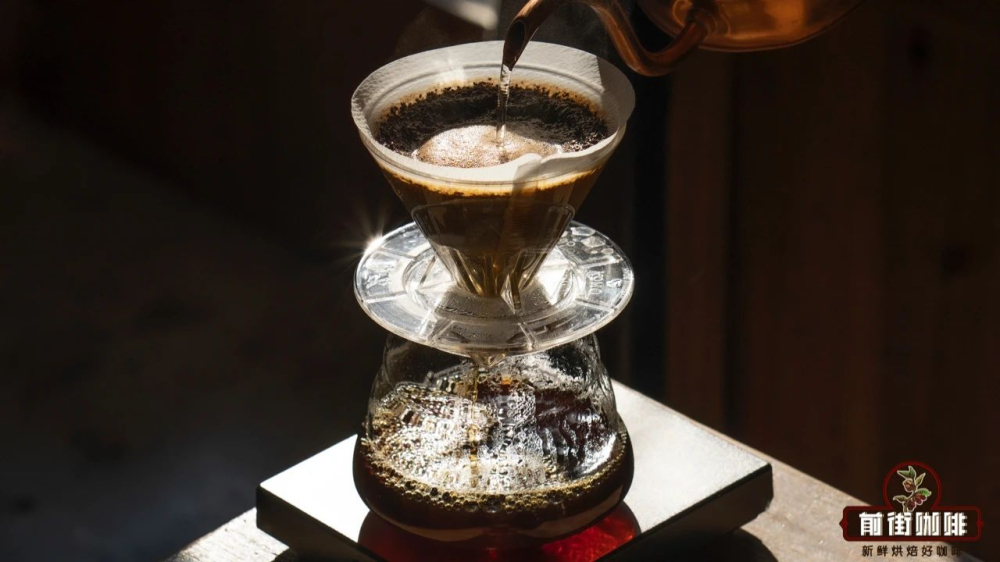
Commonly available drip bags usually use freshly roasted coffee beans that are ground just before packaging, which helps preserve the flavor. While not as optimal as grinding and brewing fresh on the spot, they still deliver stable and decent extraction results. A typical drip bag contains about 8–12 grams of coffee powder, and the amount of water used can be adjusted according to personal taste. If you prefer a stronger flavor, you can go with around 150 ml of water; for standard brewing, 180–200 ml is recommended. Most drip bags on the market (such as 10g packs with medium to medium-dark roasts)recommend using 180 ml of water.The suggested brewing water temperature range is between 85°C and 95°C, and using purified water can better showcase the original flavors of the coffee.
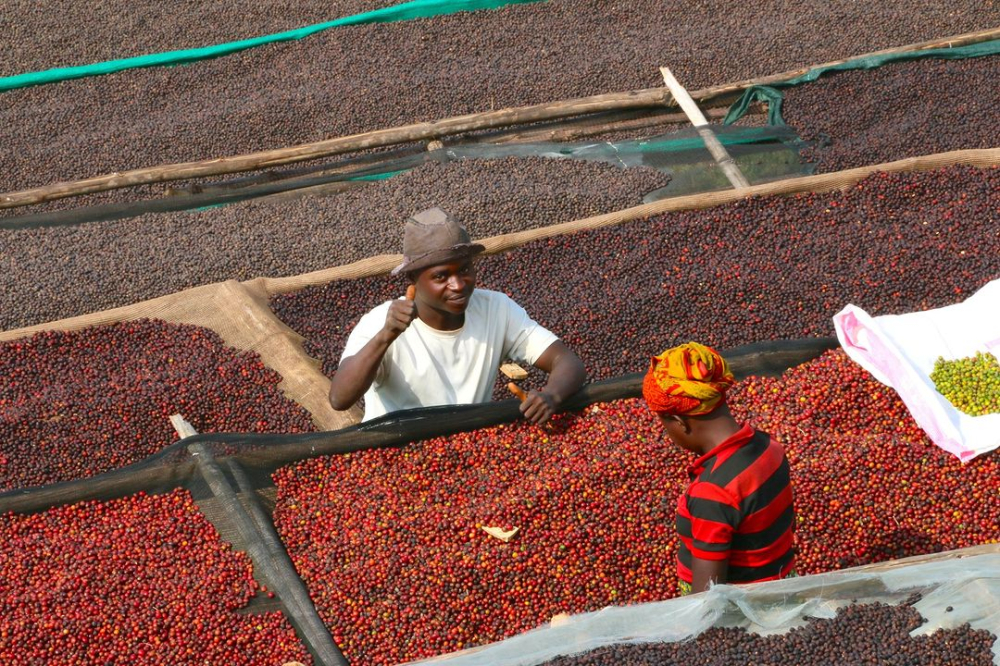
Next, let’s introduce several representative drip bags and the stories behind their origins. First up is the Yirgacheffe Red Cherry Project, initiated by Dutch green bean trader Trabocca, aiming to improve the overall quality of Ethiopian coffee beans. In the past, the inconsistent quality of coffee from the region led to low prices and limited income for farmers. The Red Cherry Project addressed this by offering higher purchase prices for high-quality green beans, encouraging farmers to manage their production more meticulously—from hand-picking ripe fruits—which significantly improved coffee quality. This naturally processed Yirgacheffe features distinct citrus and fruity notes, making it a great entry point for many beginners exploring specialty coffee.
Another classic origin is Brazil. The history of Brazilian coffee dates back to 1720, when a Portuguese officer stationed in Brazil successfully persuaded the governor’s wife to help introduce coffee seeds from French Guiana, eventually establishing coffee cultivation in Brazil. Due to favorable geography and climate, coffee quickly spread from the north to the southeastern state of São Paulo. By 1845, Brazil’s coffee bean production accounted for 45% of the global total, and it remains the world’s largest coffee exporter to this day. Common Brazilian coffee flavors include nuts, caramel, and low acidity, making it suitable for those who prefer balanced taste profiles, and it’s also a key base for many blended coffees.
Honduras Sherry drip coffee is another popular choice that has gained attention in recent years. Honduras is located in Central America, neighboring Nicaragua, Guatemala, and El Salvador. The coffee beans from these countries, due to similar geography and altitude, often exhibit complex layers of spices and tropical fruits. The recently launched sherry-flavored drip coffee comes from the Marcala region, with flavors reminiscent of whisky sherry—offering a rich vanilla creaminess that transitions into a long-lasting nutty and chocolatey profile, winning over consumers who enjoy bold flavors. In contrast, another variety, Lychee Orchid, leans more toward a brandy-like character with slightly simpler layers, but still delivers an equally captivating nutty and chocolatey finish.
If you’d like to experience multiple regional flavors at once, consider trying the “Seasonal Drip Bags.” These typically consist of five randomly selected beans from seven major origins, including Ethiopian Yirgacheffe (citrus & fruit notes), Indonesian Mandheling (herbal & nutty), Brazilian Cerrado (clean & nutty), Colombian Huila (peanut & cream), Costa Rican Tarrazú (nutty & toffee), Yunnan small beans (fruity & tea-like), and Guatemalan Huehuetenango (citrus & smoky). Each pack is like opening a blind box, potentially delivering unexpectedly delightful flavor surprises.
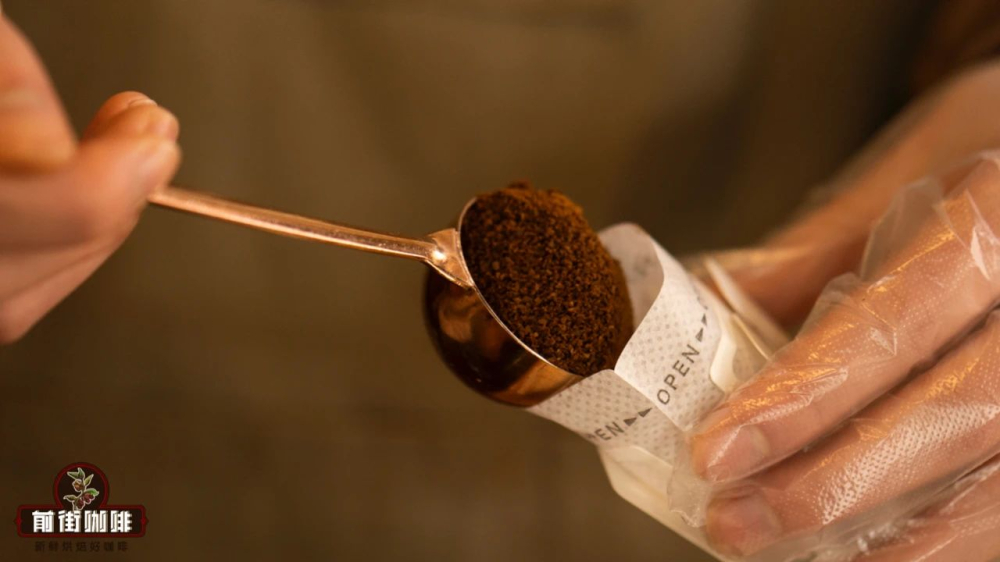
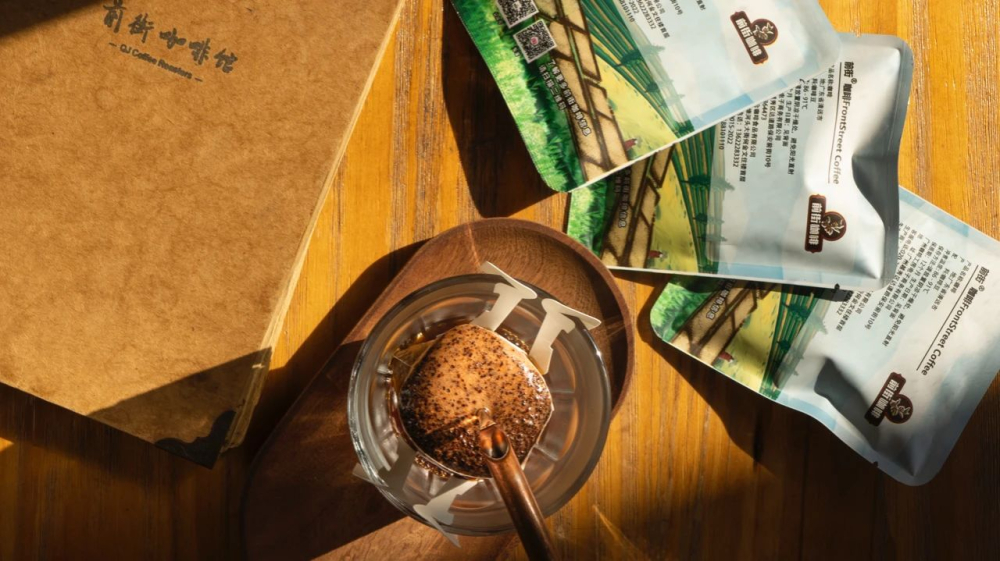
After learning about the background and regional characteristics of drip coffee, let’s move on to the actual brewing steps. First, carefully and evenly open the drip bag along the tear notch indicated on the packaging. After tearing open the inner coffee powder pouch, shake the drip bag flat and securely hang the two sides over the rim of your coffee cup. It’s recommended to use freshly boiled water, letting it sit for about 1 minute to cool down to 85°C~95°C , then steadily pour hot water with a moderate flow rate to ensure even saturation. Begin with a bloom step, keeping the pouring time within 25~30 seconds. This step helps to activate the aroma of the coffee grounds. After blooming, continue pouring in the same manner until the coffee liquid reaches about 7/10 full (approximately 180 ml). Then, remove the drip bag to complete the brewing.
Finally, addressing a common question many have: “Can you brew drip coffee directly with milk?” The answer is: technically possible, but not recommended in practice. Pouring hot milk onto room-temperature coffee grounds causes a rapid temperature drop, which can easily lead to milk skin formation at the filter opening, clogging the pores and affecting normal extraction. Often, you won’t be able to brew the expected amount of coffee before it stops dripping. If you really want to enjoy a latte or coffee with milk, it’s better to brew the black coffee first, then add hot milk separately. This ensures proper coffee extraction and allows you to adjust the concentration and flavor to your liking.
The above content is compiled by CoffeeHunters, a coffee news website.


