








Introduction:Yirgacheffe coffee beans are renowned for their distinctive bright acidity and refreshing fruity aroma, making them a starting point for many pour-over beginners to explore specialty coffee. But when faced with the two major processing methods—washed and natural—how do you choose to find the one that suits your taste best? This article delves into the characteristics of both flavor profiles by exploring the terroir of the producing region, processing techniques, raw and roasted bean features, roasting recommendations, and actual brewing performance, helping you find your favorite Yirgacheffe.
Yirgacheffe is a star-producing region in the world of specialty coffee, known for its bright and clean acidity as well as its crisp and refined mouthfeel, making it especially suitable for those new to pour-over coffee. However, when you’re faced with Yirgacheffe processed by either the washed or natural method, have you ever hesitated about which to choose? This article will comprehensively break down the characteristics of both by examining the regional background, differences in processing methods, appearance of green and roasted beans, roasting profiles, cupping flavors, and practical brewing parameters, to help you select the Yirgacheffe coffee beans that best match your personal taste preferences.

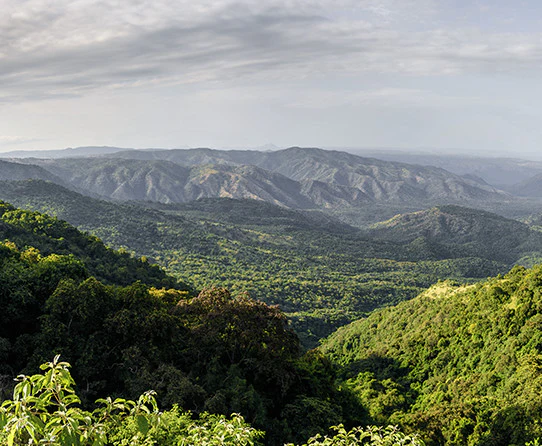
Although Yirgacheffe is often categorized as part of the Sidamo region, its uniquely superior geographical environment and outstanding coffee quality have long established it as an independent specialty coffee-producing area. Located on the eastern edge of the East African Rift Valley, this region sits at an altitude of approximately 1,800 to 2,000 meters, with a cool, foggy climate and spring-like weather year-round, providing ideal growing conditions for coffee trees. Notably, the area is rich in water sources and has been a wetland terrain since ancient times, laying the foundation for the region’s well-developed washed coffee processing techniques.
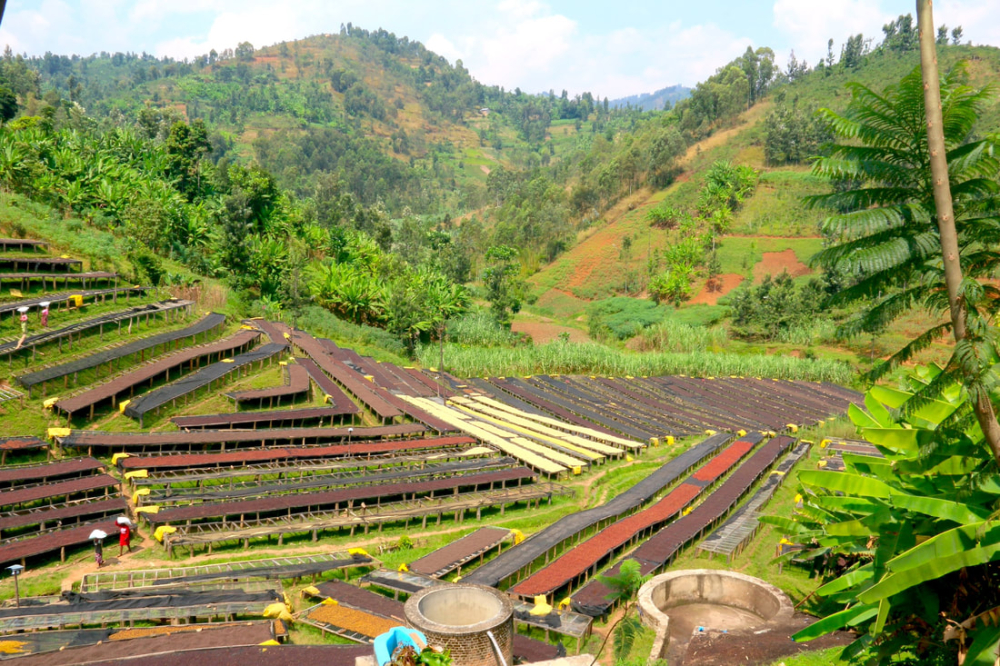
The so-called washed processing method involves a series of rigorous steps—including pulping, fermentation, washing, and drying—after the coffee cherries are harvested, ultimately yielding dried parchment beans. The biggest advantage of this method is its ability to effectively remove impurities and defective beans, resulting in green beans with a neat appearance, high consistency in quality, and typically more pronounced acidity and a cleaner mouthfeel. The process includes: first using a depulper to remove the skin and pulp, then fermenting the mucilage-covered parchment beans in water for about 24 hours, followed by rinsing off the residual mucilage with flowing water, and finally drying the beans to around 12% moisture content before removing the parchment. Although this method involves complex procedures, it effectively enhances the purity and consistency of the coffee, and also makes washed Yirgacheffe flavors crisper and brighter.
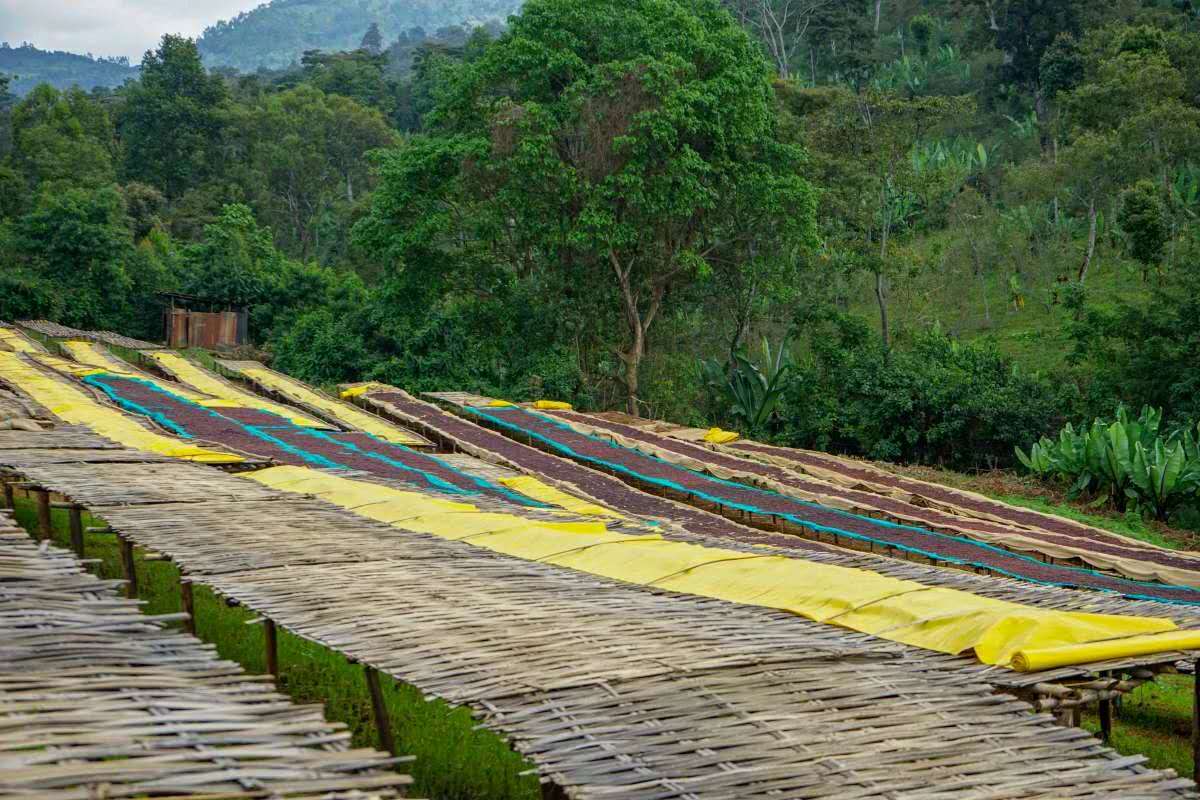
In contrast, the natural processing method can be described as the most traditional and weather-dependent craft. This approach involves directly placing the whole coffee cherry (with pulp and skin intact) under the sun to dry for an extended period until the moisture content drops to a safe level. This method does not require large amounts of water, making it particularly suitable for regions with scarce water resources, and is also the most common processing method in many parts of Ethiopia, accounting for about 70% of local production. Natural beans usually have lower acidity, with a more prominent sweetness, and because the pulp and mucilage interact with the seeds for a long time, they often exhibit richer and more complex fruit and berry notes, along with a fuller, rounder mouthfeel. Yirgacheffe naturals are particularly meticulous in processing, typically placing the coffee fruit on raised beds to avoid contact with ground impurities, ensuring the purity of the flavor. After more than two weeks of sun exposure, the coffee beans gradually turn dark brown, eventually releasing intense fruity sweetness.
To truly experience the difference between the two processing methods, you can start with two representative Yirgacheffe coffee beans on the market: one is the classic washed “Gutiti,” and the other is the richly flavored natural “Red Cherry.” A well-known coffee shop’s Yirgacheffe Gutiti comes from the Gutiti Cooperative, a community that was originally part of the Worka Cooperative but later, with the help of international coffee buyers, established its own washed processing station and independently launched its brand. These beans are grown at an altitude of 2,000–2,100 meters and are cultivated from local heirloom varieties. Through refined washed processing, they showcase the typical Yirgacheffe flavor profile—bright citrus acidity, vibrant berry aromas, and a honey and green tea finish. The overall profile is clean and refreshing, making it a favorite among many pour-over enthusiasts.
Another popular offering from a well-known coffee shop, the Yirgacheffe natural Red Cherry, comes from the Aricha Estate, grown at an altitude of 1,700–2,200 meters, also using heirloom beans, but processed through the natural method to impart richer fruitiness and sweetness. These beans are part of the renowned “Red Cherry Project,” which aims to elevate the overall quality of natural coffees. By carefully selecting fruits and employing precise raised-bed drying, the coffee is allowed to fully develop intense tropical fruit notes—such as strawberry, mango, and apricot jam—during the drying process. Upon tasting, the sweetness is evident, the flavor layers are rich, and it is an unmissable choice for coffee lovers who enjoy juice-like sweetness and aromatic profiles.
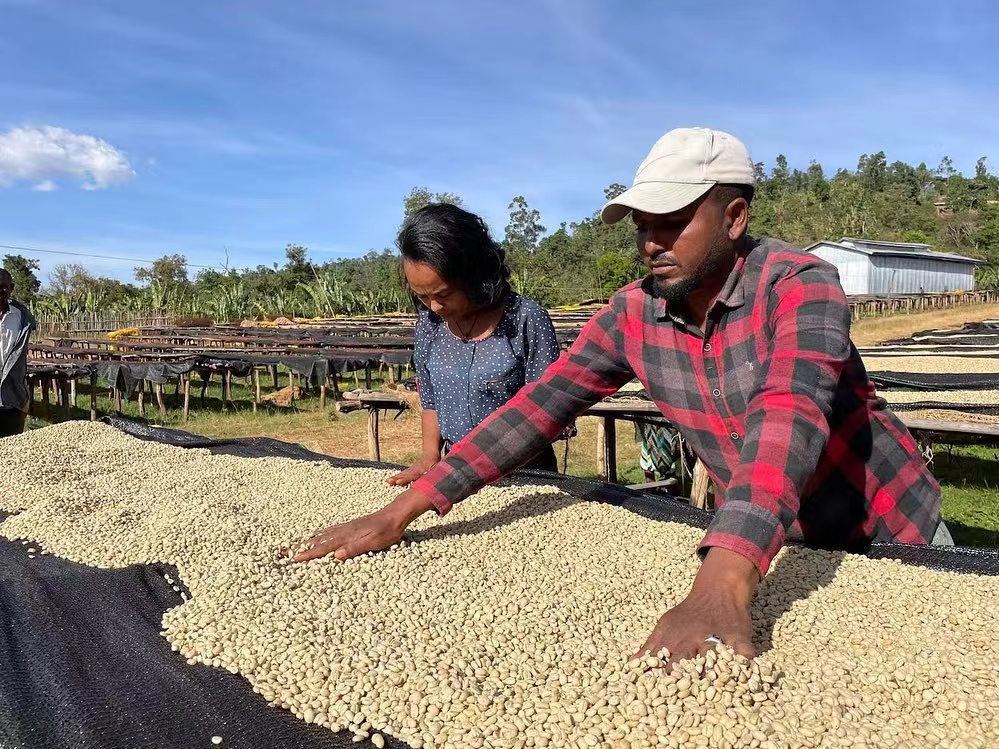
Upon closer inspection, the green beans of washed and natural Yirgacheffe also show clear differences. Washed beans, having undergone water processing to remove excess mucilage and silverskin, usually exhibit a vivid bluish-green color, with minimal silverskin residue, more uniform bean size, and a clean, neat appearance. In contrast, natural beans, due to the prolonged attachment of pulp and mucilage, often retain more silverskin and are less likely to have all of it removed, typically appearing yellowish-green with more surface silverskin. The inconsistent bean size also reflects the diversity of Ethiopia’s heirloom varieties, serving as evidence of the country’s rich coffee genetics.
The appearance of roasted beans also reflects differences in processing methods. Washed beans often retain some silverskin due to the difficulty of completely removing the center-cut silverskin after roasting, whereas natural beans have more tightly bound outer silverskin, which tends to come off more cleanly during the roasting process, resulting in a neater look. While these details do not affect flavor, they serve as important clues for enthusiasts familiar with coffee processing to identify the processing method and regional characteristics.
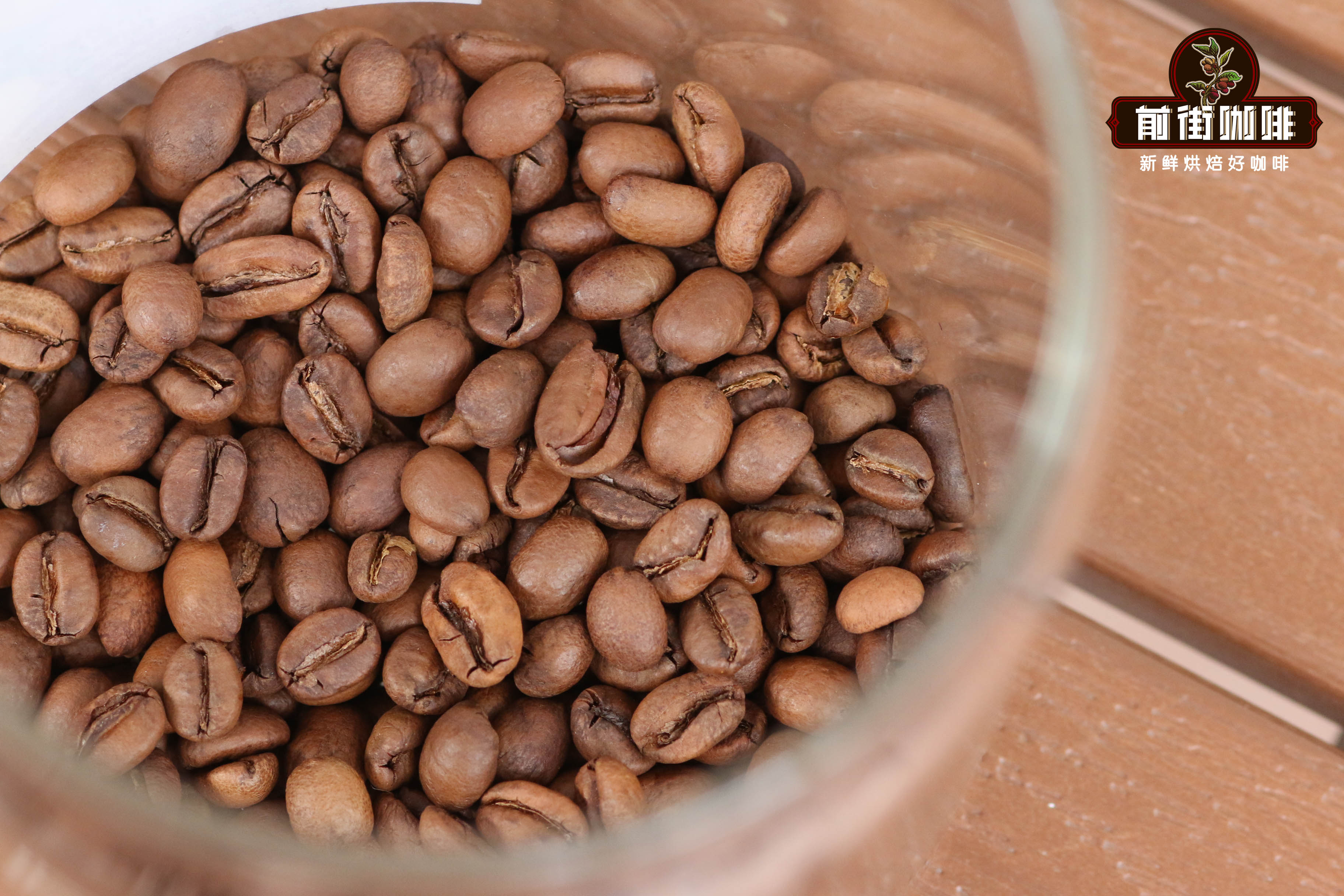
In terms of roasting recommendations, there are slight differences between washed and natural Yirgacheffe. Taking the Yangjia 800N hot-air roaster as an example, washed Gutiti is suited to a slightly lower charge temperature (175°C) to emphasize preserving acidity and delicate flavors. Development time after first crack is about 1 minute and 30 seconds, with a drop temperature of around 193.5°C, bringing out a balanced profile of citrus, berries, and tea notes. For natural Red Cherry, a higher charge temperature (200°C) is recommended to promote the development of fruitiness and sweetness. After the start of first crack, careful control of heat is needed, with a final drop temperature of about 194°C to highlight its rich fruit character and sweet, lingering finish.
During cupping, washed Gutiti displays bright aromas of passionfruit, citrus, and berry acidity. The acidity is vibrant on the palate, accompanied by tea-like and almond aftertastes, with an overall clean and refreshing mouthfeel. On the other hand, natural Red Cherry features intense dried fruit and syrupy sweetness as its main profile. The cup feels rich and full-bodied, akin to fruit-infused black tea, with high sweetness and a caramel and creamy aftertaste, offering a more layered flavor complexity.
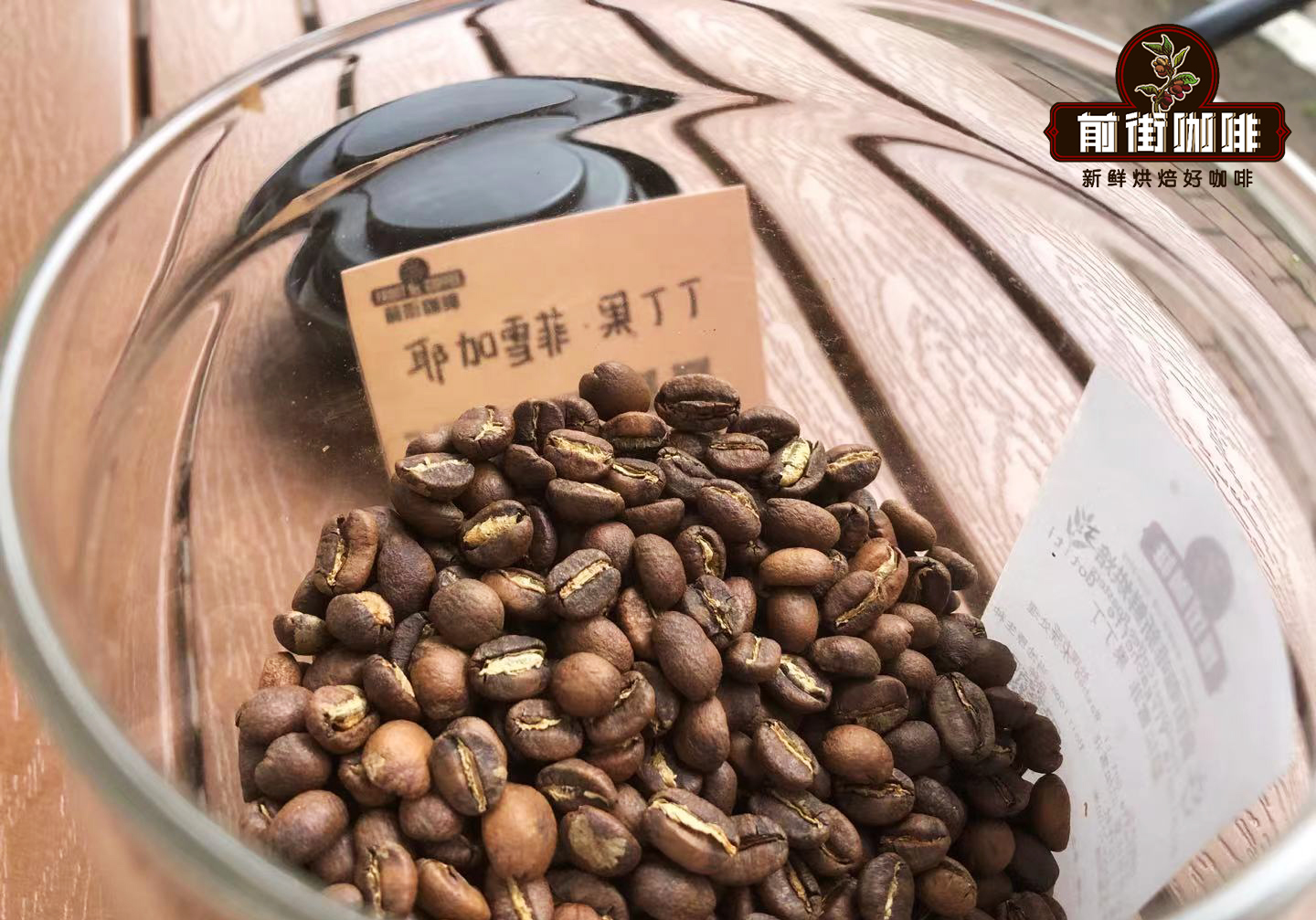
For actual pour-over brewing, it is recommended to use a V60 #01 filter, with water temperature controlled at 91–93°C, a brew ratio of 1:15, and a grind size of fine pour-over (80% through a #20 sieve). The brewing technique involves pouring 30 grams of water for a 30-second bloom, followed by 95 grams of water, and then adding the final 100 grams of water when the water level drops to two-thirds of the coffee bed. The total extraction time is about 2 minutes. These parameters are suitable for both beans, but can be slightly adjusted based on flavor preference: for a brighter acidity, reduce the water temperature to 91°C; for more sweetness and body, increase the temperature slightly to 93°C.
In summary, the washed and natural processing methods of Yirgacheffe each have their unique strengths—the former excels in bright acidity and a clean mouthfeel, while the latter shines with rich fruitiness and a sweet, lingering finish. Whether you’re a beginner just starting out with pour-over or a seasoned coffee enthusiast seeking new inspiration, understanding these differences will help you more precisely choose the Yirgacheffe coffee beans that suit you best.
The above content is compiled by CoffeeHunters, a coffee news website.


