








Introduction:Delve into the diverse world of black coffee — from classic Americano to richly milky latte — and explore the key differences and extraction details of various brewing methods. This article will analyze how the roast level of coffee beans affects flavor balance, share professional-grade brewing ratios, and reveal the actual benefits of moderate black coffee consumption on metabolism and digestion. It also helps readers find the coffee option that best suits their taste preferences.
The so-called black coffee refers to pure coffee beverages without added sugar, milk, or other flavorings, encompassing various forms such as pour over, cold drip, and Americano. Among these, Americano is made by diluting espresso with hot water, placing higher demands on both the quality of the coffee beans and the brewing technique. This article will provide a detailed comparison of the characteristics of Americano and latte, professional brewing parameters used by expert shops, and guidance on selecting coffee beans based on roast levels to adjust acidity and bitterness. It also explains the benefits of moderate black coffee consumption in aiding digestion, reducing bloating, and boosting metabolism. Additionally, it reminds readers that adding syrups or creamers will increase calorie intake, and suggests a daily limit of three cups.
Plain coffee, commonly known as black coffee, is referred to in English as "Black Coffee" and contains only pure coffee, with no addition of milk, sugar, or flavored syrup. In Cantonese-speaking regions, it is called "齋啡," while in old Shanghai, it was referred to as "清咖." Though the names vary, they all refer to the same thing. In the past, due to generally darker roasts, the flavor of black coffee without milk or sugar was too intense, so it was typically served with sugar and milk for customers to adjust to their taste. With improvements in green coffee bean quality and advancements in extraction techniques, today’s black coffee not only offers better flavor but also comes in a wider variety of styles, with pour over, cold drip, and Americano being particularly popular choices.

Americano is arguably one of the most beloved members of the black coffee family. Well-known shops prepare Americano by mixing freshly extracted espresso with hot water at a specific ratio to create hot Americano; if ice water is used instead, the result is a refreshing iced Americano. Since its recipe includes only water and espresso, with no milk or sugar, it presents the flavors directly and without any masking, thus placing considerable demands on both the quality of the coffee beans and the barista's extraction skills.
Speaking of Americano, one cannot overlook espresso. Using an espresso machine, finely ground coffee is tightly packed into the portafilter and extracted under high-temperature water flow and approximately nine atmospheres of pressure for a short duration. The resulting liquid, rich in crema and aromatic oils, is espresso. Many common café drinks, including Americano, latte, mocha, and flat white, are all based on espresso.
While some shop menus may not offer many milk coffee options, latte remains immensely popular. Blending fresh milk with espresso not only softens the intense bitterness of the shot but also allows drinkers to enjoy both the aroma of the coffee and the sweetness of the milk. For beginners or those who prefer a milder taste, the gentle profile of a latte is usually more approachable than pure black coffee.
Professional shops often use specific blends when making espresso. For example, one well-known shop uses a blend consisting of Ethiopian sun-dried red cherry beans and Honduran Sherry coffee beans. During preparation, about 20 grams of coffee grounds are used to extract 40 grams of espresso, which is then diluted with around 240 grams of hot water at a ratio of approximately 1:6. As for iced Americano, 180 grams of ice and 100 grams of room-temperature water are first placed in a pre-chilled cup, followed by the espresso shot, adjusted to a ratio of 1:7. The resulting drink has a crisper taste compared to hot Americano, often highlighting notes of whiskey, vanilla, and fruity acidity.

When preparing a hot latte, the same 1:6 ratio is used. In a preheated cup, 40 grams of espresso are added, and then the milk is steamed using the steam wand of an espresso machine to a temperature controlled between 55 to 65 degrees Celsius, forming a dense yet moderately thick microfoam. This foam is then thoroughly mixed with the espresso to produce a rich, velvety, chocolate-like mouthfeel. Making an iced latte is relatively simpler — just replace the water in the iced Americano with milk to create a chilled latte.
The composition of Americano is simply espresso diluted with water, which helps preserve the original flavor characteristics of the coffee beans to the greatest extent. If you wish to reduce bitterness, the first consideration should be choosing coffee beans with a lighter roast. However, the lighter the roast, the higher the inherent quality requirement of the beans. Without the roasty aroma provided by longer roasting to mask flaws, any imperfections in the beans become more noticeable. This also explains why dark roasting was the mainstream in the past — when most coffee beans were of limited quality, the burnt bitterness brought by dark roasting was needed to cover up deficiencies.
Overall, coffee bean selection can be adjusted according to needs: if you want a hot Americano with minimal bitterness and non-prominent acidity, you may choose beans with a medium-to-dark roast, such as those from Brazil, which have lower acidity and are cost-effective (assuming market prices are stable). Such Americano will not have strong bitterness and pairs well with milk. If you prefer a more balanced flavor, you might also opt for professionally blended beans, such as medium-roast blends, which offer a well-rounded balance of acidity, sweetness, and bitterness with distinct layers, making them equally suitable for various milk-based coffee drinks.
If you hope for your Americano to have a mild bitterness and a richer acidic-sweet flavor profile, it is recommended to choose medium-light to medium-roast coffee beans from regions such as Ethiopia, Panama, and Colombia. These beans often feature bright floral and fruity aromas, though they may be relatively more expensive.
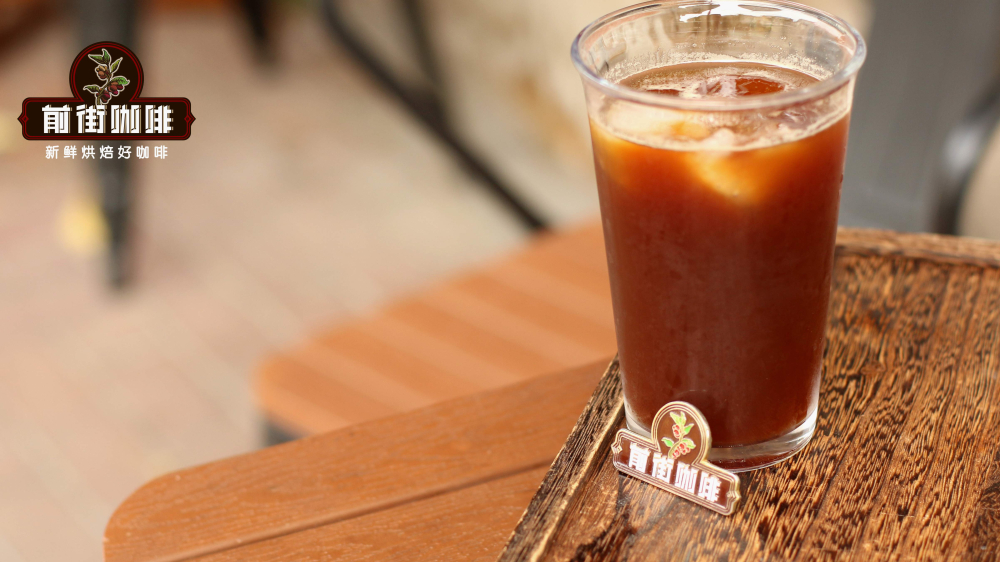
The reason Americano is widely loved is not only because of its moderate strength and approachable taste, but also because drinking a cup in moderation each day can aid digestion, reduce post-meal greasiness, and help alleviate bodily bloating. Moreover, it is very low in calories and can boost metabolism. Drinking it an hour before exercise can even assist in fat burning, making it an ideal beverage for many fitness enthusiasts. However, it is important to note that only pure Americano offers these health benefits. Once syrups, condensed milk, or creamers are added, the calorie count increases significantly, and long-term consumption may have adverse effects on health.
The healthiness of Americano has long been a hot topic of global discussion. The current medical consensus is that moderate consumption of Americano has no adverse effects on health, does not increase the risk of certain cancers, and may even offer some health benefits. It is recommended to limit daily intake to no more than three cups of Americano (or other types of black coffee), which is considered safe and beneficial for most people. However, individual intake should still be adjusted based on personal constitution. If you experience symptoms such as insomnia or stomach discomfort after consumption, you should reduce your caffeine intake.
The above content is compiled by CoffeeHunters, a coffee news website.


