







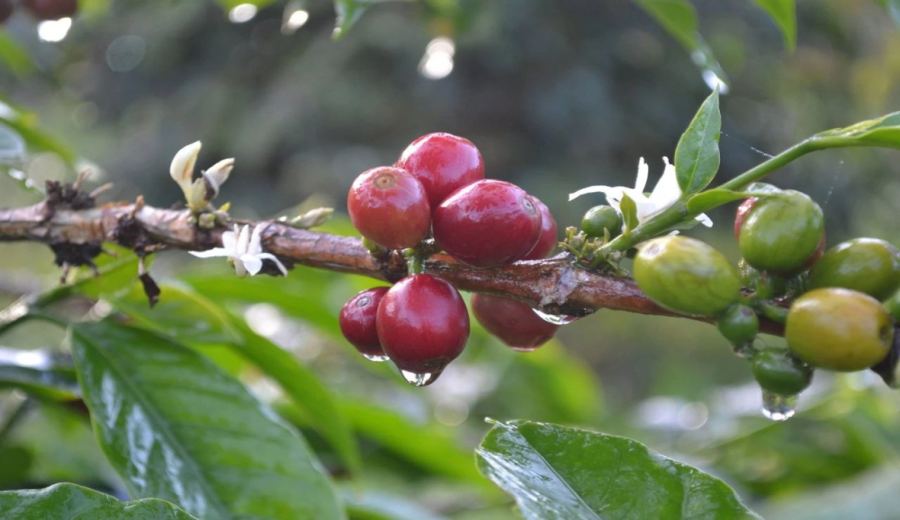
Introduction:Sumatran Mandheling coffee is renowned for its rich woody aroma and low-acid, full-bodied flavor. Its unique wet-hulling processing method and the island’s exceptional volcanic soil conditions create an extraordinary flavor profile. This article delves into the geographical characteristics of Sumatra’s two major producing regions—Lake Toba and Lake Tawar—and takes you through the entire journey of Mandheling coffee from cultivation and harvesting, wet-hulling processing to cupping evaluation. It also provides professional pour-over recommendations and extraction parameters to help you fully grasp the charm of this classic Southeast Asian coffee.
Sumatran coffee originates from this Indonesian island surrounded by volcanoes. Its bold, full-bodied character and distinctive regional flavors hold an important place in the hearts of coffee enthusiasts. Compared to many other regions’ bright and clean profiles, Sumatran coffee is heavier, with pronounced bitterness yet layered complexity. The aftertaste often carries complex notes of spices, herbs, and woodiness—all closely tied to the local wet-hulling process. By understanding its regional background, processing techniques, and cupping performance, you can more accurately appreciate and choose the Mandheling coffee that suits you.
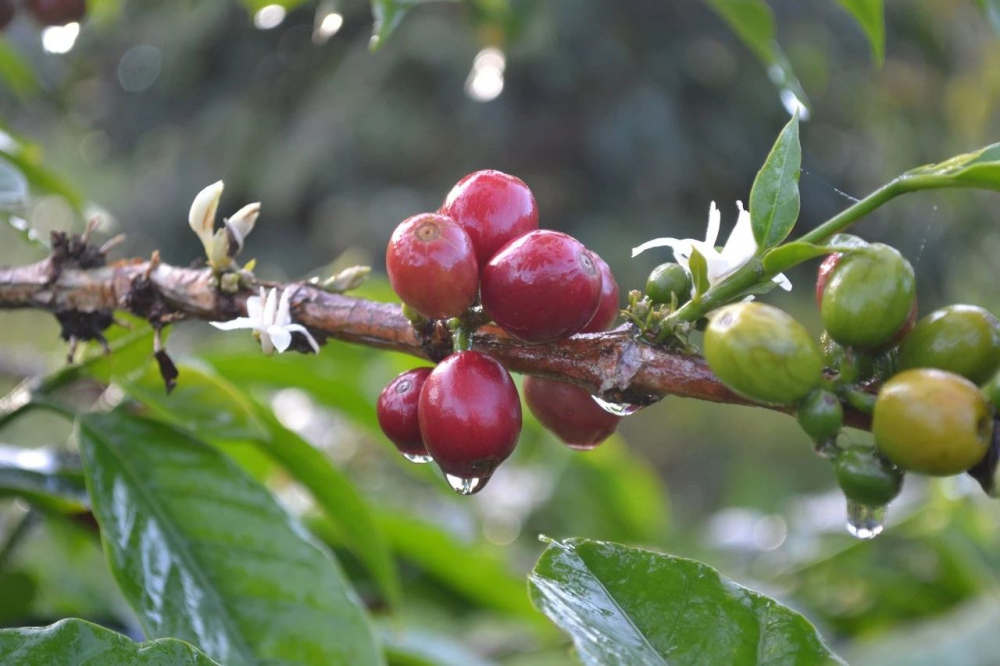
As Indonesia’s largest island, Sumatra lies right on the equator and within the Pacific Ring of Fire. The entire island is dotted with volcanoes, blessed with fertile, mineral-rich soils. The cool climate of its high-altitude mountainous regions, often shrouded in clouds, combined with abundant rainfall and well-drained volcanic soils, creates an ideal environment for growing Arabica coffee. As early as the late 18th century, Dutch colonists introduced the Typica variety. Although the leaf rust epidemic later devastated Typica plantations, disease-resistant Robusta and hybrid varieties such as Ateng and Tim Tim were subsequently introduced and became dominant, eventually giving rise to the now world-famous Mandheling.
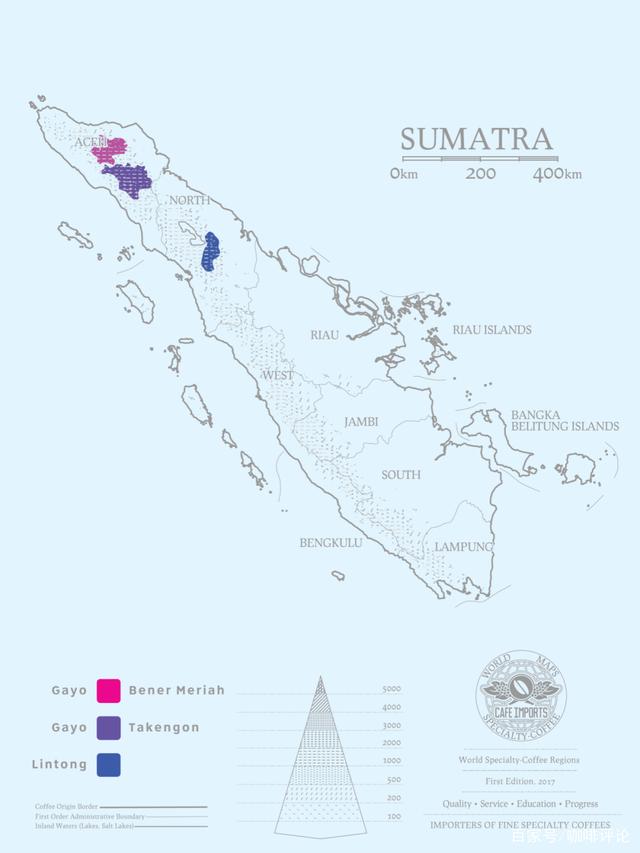
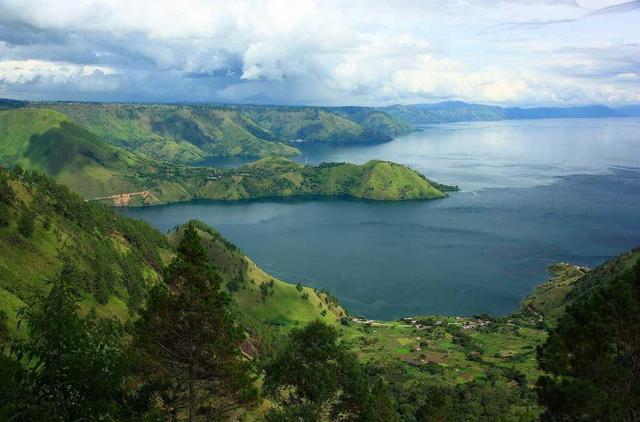
When it comes to Mandheling, one must discuss its primary producing regions—Lake Toba and Lake Tawar. Lake Toba, the world’s largest volcanic lake, sits at an elevation of about 1,400 meters and features a tropical rainforest climate with abundant annual rainfall and significant day-night temperature variations. Overcast weather is common here, so coffee is mostly grown on slopes that enjoy natural shade without the need for additional cover. The area thrives with spices and palm trees and also produces uniquely flavored coffee. Lake Tawar, located in the Gayo Mountains of northern Sumatra at elevations of 1,200–1,800 meters, boasts clear lake waters and a beautiful environment. Coffee is cultivated in high-altitude foggy zones, where the large day-night temperature difference further enhances flavor concentration. The region is also known for its organic farming practices. Managed primarily by the Gayo ethnic group of farmers, the coffee here is of stable quality and serves as a key source of premium Mandheling.
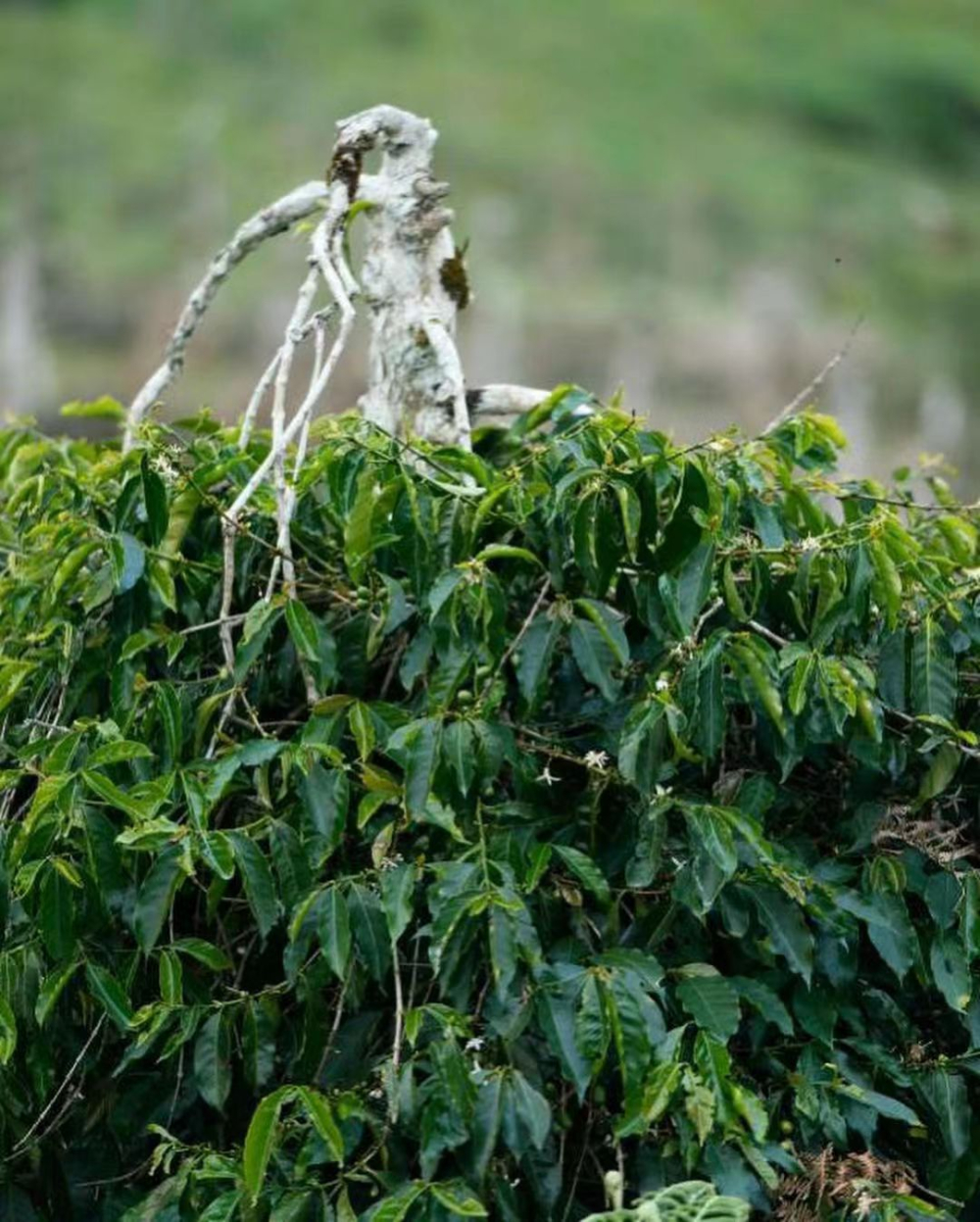
One of the most distinctive features of Sumatran coffee is its unique “wet-hulling” (Wet Hulling) processing method. Due to the region’s consistently high humidity (70–90%) and frequent rainfall, traditional sun-drying or washed processing methods are difficult to carry out effectively. As a result, Indonesia developed this semi-washed process suited to its climate. The general workflow is as follows: first, the coffee fruit’s skin and pulp are removed, and the beans—still coated with some mucilage—are briefly fermented for several hours before being brushed clean. They are then partially dried until the moisture content drops to just 30–40%, which usually takes about 2–3 days, after which they are sent to collection stations. At the stations, specialized machines remove the parchment layer. Due to the high friction involved at this stage, the green beans are often damaged, resulting in the so-called “machine oil marks.” The beans turn grayish-green and emit a strong moist aroma. Eventually, these beans, carrying unique earthy and spicy notes, are properly dried to become the Mandheling coffee we are familiar with.
Among the many Sumatran coffees, the Golden Mandheling produced by a well-known exporter is regarded as a premium representative. Founded by ethnic Chinese entrepreneurs, this company has been engaged in coffee export trade since 1957 and has long supplied the Japanese market, renowned for its high quality. The brand is extremely strict in its coffee selection—undergoing machine sorting and three rounds of hand-picking with an exceptionally low defect rate. Only green beans larger than 18–19 mesh are chosen, with fewer than 3 defective beans in a 300g sample, achieving G1 grade. The beans are dark green and uniformly sized. A certain coffee shop conducted a cupping session on it, revealing aromas of dark chocolate, nuts, and caramel, along with herbal and pine notes. The taste was full-bodied with a long-lasting aftertaste, high cleanliness, and even a gentle fruity acidity detectable as the temperature dropped—demonstrating the pinnacle of premium Mandheling.
To fully experience the complex flavors of Golden Mandheling, it is recommended to use freshly roasted beans, with the optimal tasting period being 4–7 days post-roast. After about six weeks, the aroma may gradually diminish. A certain coffee shop suggests using a Kono filter for pour-over brewing, as its design reduces airflow and extends the contact time between water and coffee grounds, extracting a fuller body. Since Mandheling is typically dark roasted, it is advised to use a coarser grind (approximately 70% passing through a 20-mesh sieve in China), and to control the water temperature at 87–88°C to avoid over-extraction and bitterness. A three-stage pouring method is recommended: the first stage involves a 30ml bloom to awaken the coffee grounds; the second stage adds 100ml to bring out golden crema and aroma; and the final stage gently pours 95ml to stabilize extraction and enhance sweetness. The overall coffee-to-water ratio is suggested at 1:15, using about 15 grams of coffee grounds, which will fully showcase its layers of spice, chocolate, and nutty notes.
In summary, Sumatran Mandheling holds a distinguished place in the global specialty coffee scene thanks to its unique wet-hulling process and intense regional character. From Lake Toba to Lake Tawar, varying microclimates and altitude conditions shape distinct coffee flavors. After careful selection by professional suppliers such as PWN, the result is a premium coffee experience that is full-bodied, low-acid, and long in aftertaste. Whether enjoyed as a single origin or as an introduction to Southeast Asian coffee processing culture, Sumatran Mandheling is an essential classic not to be missed.
The above content is compiled by CoffeeHunters, a coffee news website.


