







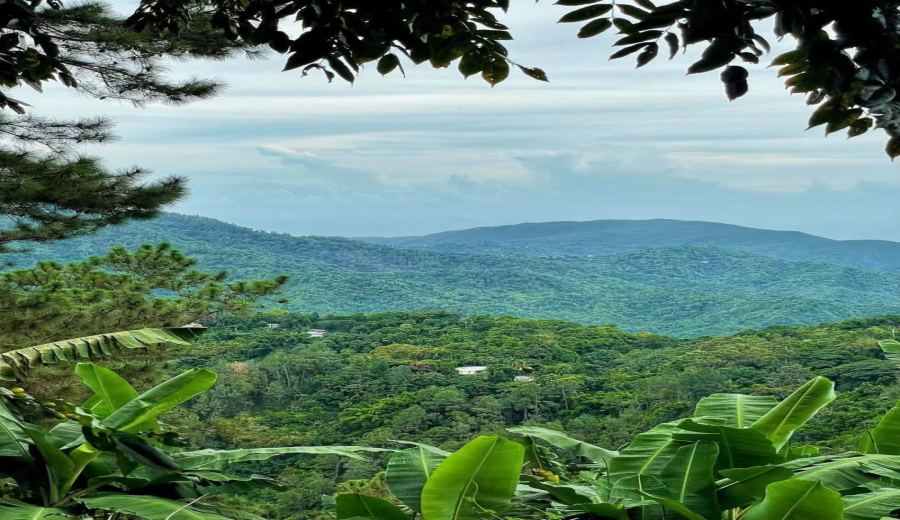
Introduction:Jamaican Blue Mountain coffee is hailed as one of the world’s top-tier coffees, grown in the unique microclimate of the Blue Mountains. It is renowned for its balanced acidity and sweetness, as well as its pure aroma. This article delves into the growing region, grading system, cultivation and processing methods of Blue Mountain coffee, and provides professional pour over parameters along with flavor evaluations to help you fully understand this highly acclaimed specialty coffee.
Blue Mountain coffee is regarded as the pinnacle of the coffee world, originating from the Blue Mountains in the eastern part of Jamaica, a Caribbean island nation. The region boasts fertile volcanic soil, high altitudes, and a foggy, rainy climate, all of which contribute to its exceptional flavor profile that balances acidity, bitterness, sweetness, and body. Among the various grades of Blue Mountain, “Blue Mountain No. 1” is considered the highest quality representation—not only suitable for multiple brewing methods, but also the benchmark sought after by coffee enthusiasts.
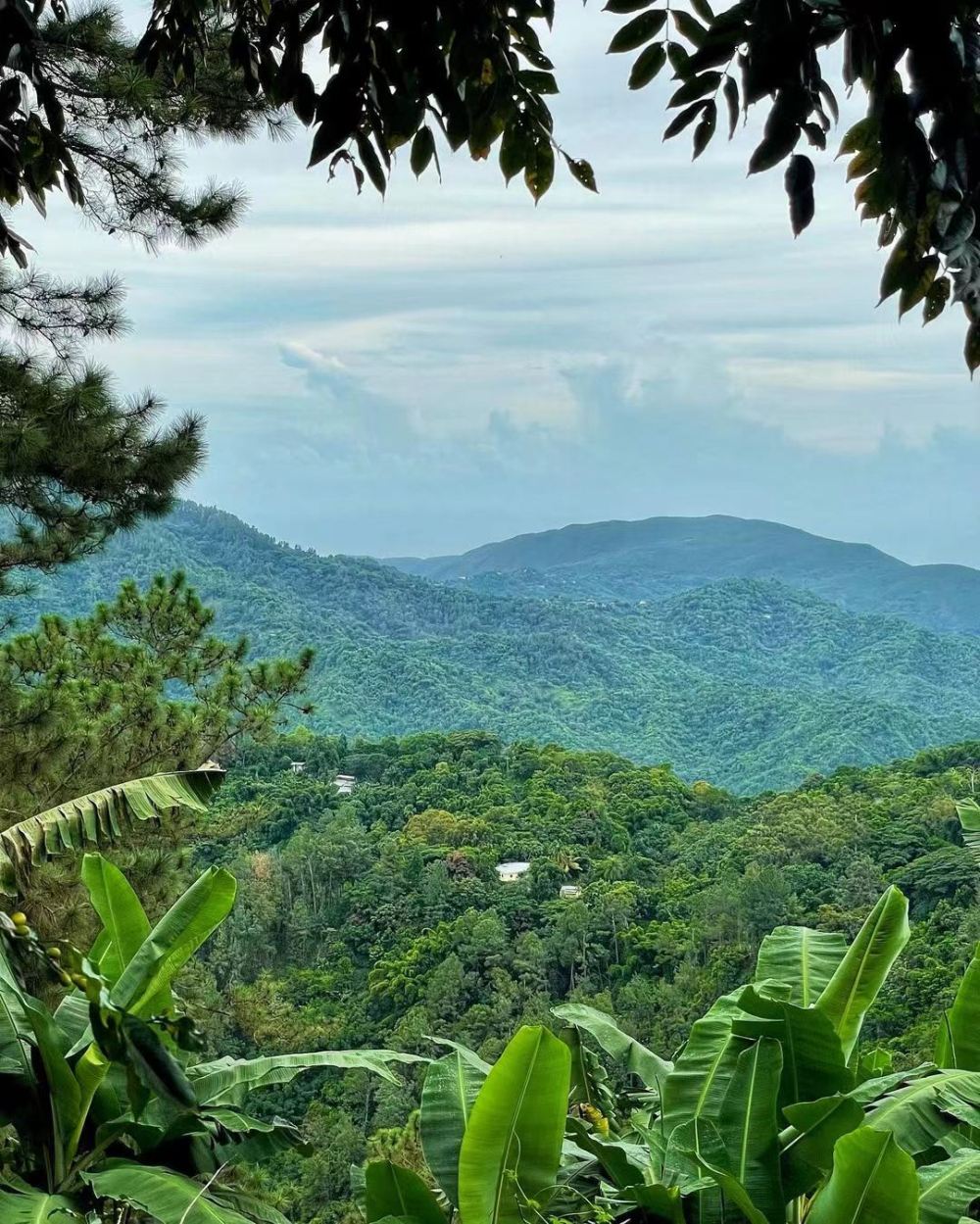 The Blue Mountains are located in the eastern part of Jamaica, with the main peak reaching an elevation of 2,256 meters, making it the highest point in the Caribbean and a popular tourist destination. The area falls within a microclimate zone ideal for coffee cultivation, characterized by year-round fog, an average annual rainfall of about 1,980 mm, and a stable temperature of around 27°C. These unique geographical and climatic conditions endow Blue Mountain coffee with globally recognized supreme quality, making it one of the most expensive coffees in the world.
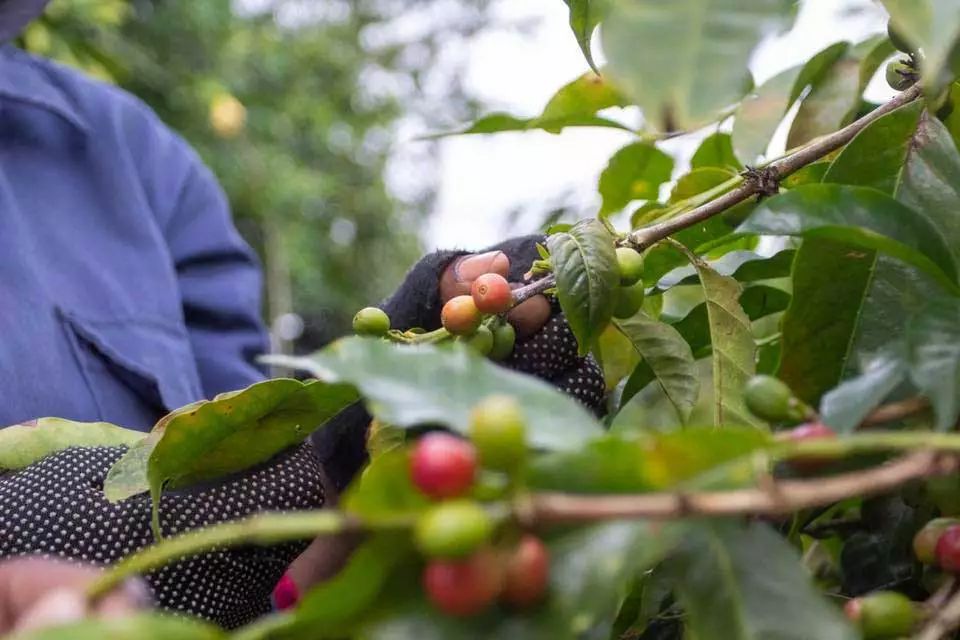
The reason why Blue Mountain coffee has such a pure flavor lies in its extremely meticulous cultivation and processing procedures. All coffee trees are planted on steep slopes, and harvesting can only be carried out by skilled female workers. They must precisely select coffee cherries at optimal ripeness, as overripe or underripe fruits can affect the final quality. After harvest, the beans are immediately depulped, then undergo 12 to 18 hours of fermentation, followed by washing, sorting, and drying on concrete floors or thick mats until the moisture content reaches 12% to 14%. These stringent steps are indispensable, ensuring the purity and stability of the final coffee flavor.
 The history of Blue Mountain coffee dates back to the early 18th century. In 1717, King Louis XV of France ordered the cultivation of coffee in Jamaica, and by the 1720s, then-Jamaican Governor Sir Nicholas Lawes introduced Arabica seeds from Martinique, promoting their cultivation in the Saint Andrew area. Today, Saint Andrew, along with Portland and Saint Thomas, are recognized as the three core producing regions of Blue Mountain coffee.
In 1950, the Jamaican government established the “Jamaica Coffee Industry Board (JCIB),” responsible for setting coffee quality standards and regulatory systems. It is one of the few countries in the world with a national-level coffee management body. The JCIB also grants official certification to exported green and roasted beans to ensure product origin and quality. Currently, there are six insignia that represent the authentic origin of Blue Mountain coffee, including the Mavis Bank Central Factory and the Blue Mountain Coffee Cooperative Factory.
The reason Blue Mountain coffee is hailed as one of the world’s finest is inseparable from Jamaica’s unique terrain, climate, and farming practices. With elevations exceeding 2,100 meters, the cool and foggy climate of the Blue Mountains is perfect for coffee growth. The region commonly employs mixed planting, where coffee trees coexist with crops like bananas and avocados on terraces. Notably, even when planted under similar conditions, Blue Mountain coffee trees transplanted to places like Hawaii or Kenya fail to replicate its distinctive flavor. Moreover, the Jamaican coffee industry faces challenges such as hurricanes, high labor costs, and the difficulty of mechanizing terraced farms, so most plantations remain small-scale family operations.
Due to long-term Japanese investment in the Jamaican coffee industry, approximately 90% of the world’s Blue Mountain coffee is purchased by the Japanese market, with the remaining 10% allocated to other countries. As a result, Blue Mountain coffee remains in constant undersupply globally. Its high price also leads to a proliferation of counterfeit products, so consumers need to be particularly cautious when purchasing.
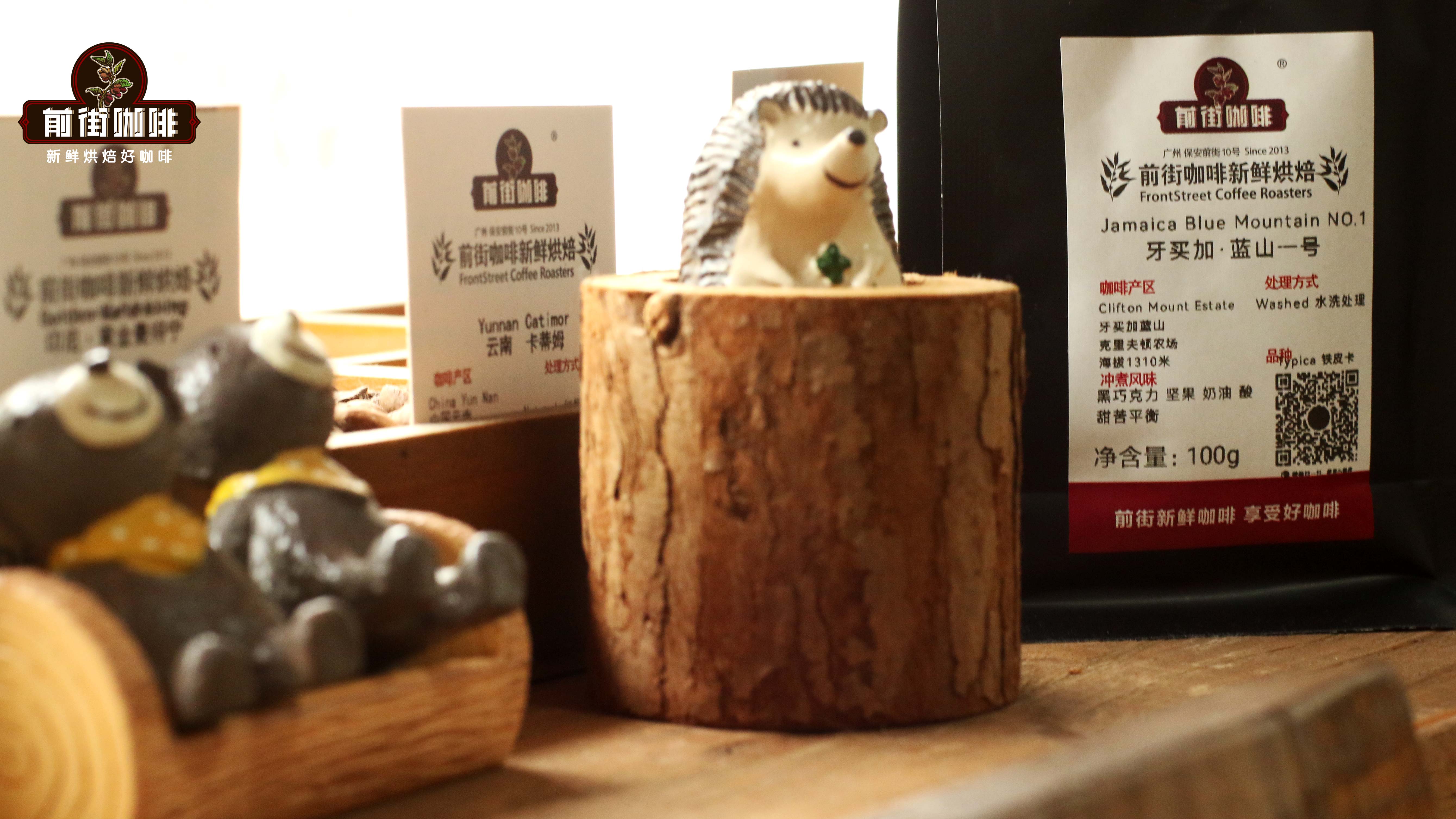
 According to Jamaica’s grading system, Blue Mountain coffee is divided into three main categories: Blue Mountain, High Mountain, and Jamaican Coffee, each further subdivided into two grades. Among them, Blue Mountain No. 1 is the highest grade, followed by Blue Mountain No. 2, High Mountain No. 1 and No. 2, and regular Jamaican Coffee. Blue Mountain No. 1 is known for its balanced and rich flavor, moderate acidity, and complex layers. It is best processed using medium roast to preserve its natural fruity notes and full-bodied taste.
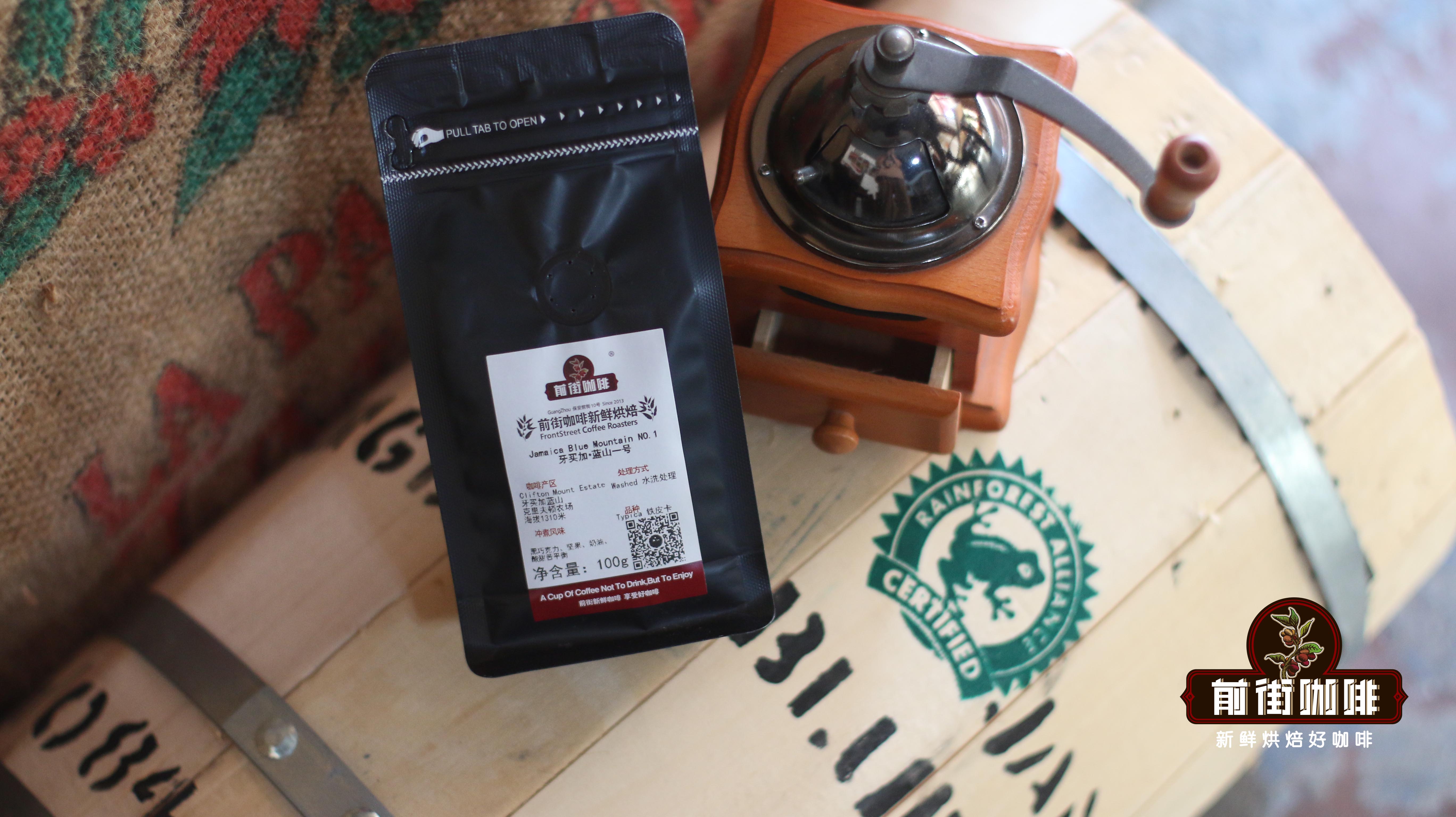
The harvesting season for Blue Mountain coffee runs from June to November each year, with the entire process carried out manually. It undergoes rigorous procedures such as washed processing, fermentation, drying, hulling, and roasting. Each step is monitored by specialists to ensure uncompromised quality. The Jamaican government also uses a unique wooden barrel packaging—each barrel holds 70 kg, unlike the standard 60 kg jute bags used for regular coffee—demonstrating an utmost commitment to product protection. All exported Blue Mountain coffee must pass the JCIB’s strict quality inspections, including sampling, roasting, grinding, and cupping, to ensure every batch meets the standards.
The production of Blue Mountain coffee is extremely limited, yielding only about 40,000 to 60,000 bags per year (each bag weighing 60 kg). Compared to Brazil’s annual output of over 30 million bags, its rarity is even more pronounced. Many coffees on the market that claim to have a “Blue Mountain flavor” actually contain only a small amount—or none at all—of genuine Blue Mountain beans. For example, so-called “Jamaican Blend Blue Mountain” contains only 30% Blue Mountain beans and 70% High Mountain coffee. Therefore, consumers should pay close attention to certified origins and official insignia when making purchases.
For roasting, a medium-dark level is recommended for Blue Mountain coffee to fully bring out its sweetness and body. During the roasting process, caramelization is a critical factor influencing flavor. Proper temperature control and timing release hundreds of aromatic compounds, such as citric acid, malic acid, and caffeine, creating the distinctive rich aroma of Blue Mountain coffee.
Regarding brewing, the professional recommendation from the shop is to enjoy Blue Mountain No. 1 via pour over to best present its delicate layers. Suggested parameters are as follows: use a KONO filter, control water temperature at 88°C, set the coffee-to-water ratio at 1:15 (i.e., 15 grams of coffee grounds to 225 ml of water), and aim for a grind size equivalent to EK43s setting 10.5 (approximately 75% passing through a 20-mesh sieve). Specifically, start with 30 grams of hot water for a 30-second bloom, then slowly pour water in a circular motion from the center. Reach 125 grams in the first pour and pause for a break, then continue pouring up to 225 grams after the coffee bed settles, and wait for the dripping to finish before enjoying.
Once brewed via pour over, Blue Mountain No. 1 reveals a rich and dense aroma. On the palate, it offers a full-bodied sensation of nuts and chocolate, with well-balanced acidity and sweetness, and a clean, lingering aftertaste. Whether you’re a coffee novice or a connoisseur, you can experience the unique charm of Blue Mountain coffee as the “King of Coffees.”
The above content is compiled by CoffeeHunters, a coffee news website.


