








Introduction:When faced with numerous coffee bean options on the market, especially when using an espresso machine, choosing the right beans is crucial. This article delves into the essential differences between single-origin and blended coffees, explores the formulation logic, flavor profiles, and practical application scenarios of different blend types, and provides a detailed analysis of the characteristics of five representative espresso blends. It aims to help you select the most suitable coffee beans based on brewing method, taste preference, and usage scenario.
Among the wide array of coffee bean products, finding one that truly suits your personal taste and brewing needs is no easy task for many coffee enthusiasts. Especially when using an espresso machine with pressure, improper bean selection can easily lead to uneven extraction, resulting in over-extraction or under-extraction, causing the espresso to taste overly sharp or bland. This article will guide you through the key factors in selecting coffee beans from three perspectives: brand background, freshness, and personal taste preference, and further analyze five common espresso blends. From recipe design and flavor performance to practical application scenarios, it offers practical reference material.
First, when selecting coffee beans, it is recommended to prioritize brands with a good market reputation and professional roasting expertise. It is worth noting that high-quality roasters usually clearly indicate the roast date on the packaging, rather than just printing an expiration or best-before date. Such brands typically focus on fresh roasting, preserving the original flavors and aromas of the coffee beans to the greatest extent. For example, some suppliers that primarily offer in-house roasted beans not only provide a variety of beans from different regions but also cover diverse options ranging from entry-level everyday beans to high-end espresso blends, allowing consumers to experience the charm of various flavors at reasonable prices.
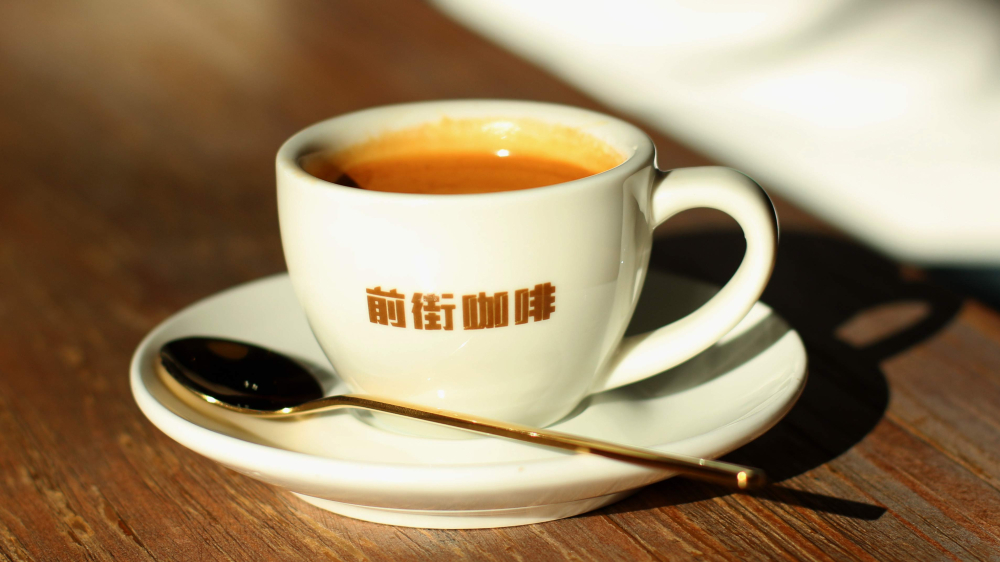
The freshness of coffee beans has a significant impact on the final brewing performance. Over time, the volatile aromatic compounds in the beans gradually dissipate, and even under ideal storage conditions, those delicate aromas and layers of flavor will slowly diminish. Especially when using an espresso machine with high-pressure extraction, the freshness of the beans directly determines the intensity and complexity of the espresso's flavors. Therefore, it is important to choose beans that are shipped shortly after roasting. Some brands guarantee that the beans are roasted no more than five days before shipping, ensuring that customers receive them while they are still at the peak of their flavor.
Additionally, it should be noted that once coffee beans are ground into powder, their surface area exposed to air increases significantly. Not only do aromatic compounds evaporate faster, but the internal carbon dioxide is also rapidly released, leading to insufficient crema formation during extraction and a significant reduction in flavor. Therefore, if you wish to brew high-quality espresso, it is recommended to purchase whole beans and grind them just before brewing to maintain optimal flavor.
For consumers with different taste preferences, there are various design directions for espresso blends on the market. For example, if you prefer a rich and full-bodied taste, you might consider blends containing Robusta beans. These recipes often combine Indonesian Mandheling and Brazilian beans with an appropriate amount of Robusta to enhance the body and richness of the coffee, making the espresso more full on the palate—especially suitable for latte art in milk-based coffee drinks.
If you prefer flavors with pronounced fruitiness, then you can opt for blends based on medium roast. These beans often feature honey-processed or sun-dried beans from Central and South America as the main component, complemented by beans from African regions, bringing out bright acidity and sweet notes reminiscent of red berries or gummy candy. These blends not only have lower intensity but also produce fine-textured crema, making them suitable for users who enjoy refreshing fruity notes.
For enthusiasts who love nutty and chocolatey flavors, blends combining beans from Brazil and Colombia are often a great choice. The nutty aroma and balanced taste from Brazilian beans, paired with the distinctive chocolatey character of Colombian beans, can deliver a complex flavor profile of butter cookies, cocoa, and roasted nuts after extraction, suitable for users who prefer a steady and mellow taste.
If the goal is to replicate café-style milk coffee, medium-dark roasted commercial blends usually meet the need. These blends often combine beans from Brazil, Colombia, and Vietnam, enhancing caramel and toasted aromas through a darker roast level. The resulting crema is rich, whether making Americano or latte, both smooth and with a long-lasting finish. Moreover, these blends offer excellent cost-performance, making them highly suitable for daily home use.
For beginners or users with budget constraints, you can also choose basic blends that emphasize balanced taste and affordability. These beans typically have gentle fruit acidity, natural caramel sweetness, and moderate nutty and dark chocolate undertones. Their flavors are approachable and smooth on the palate, making them perfect for everyday drinking, while also satisfying the dual considerations of cost and flavor for general households or small cafés.
The above content is compiled by CoffeeHunters, a coffee news website.


