







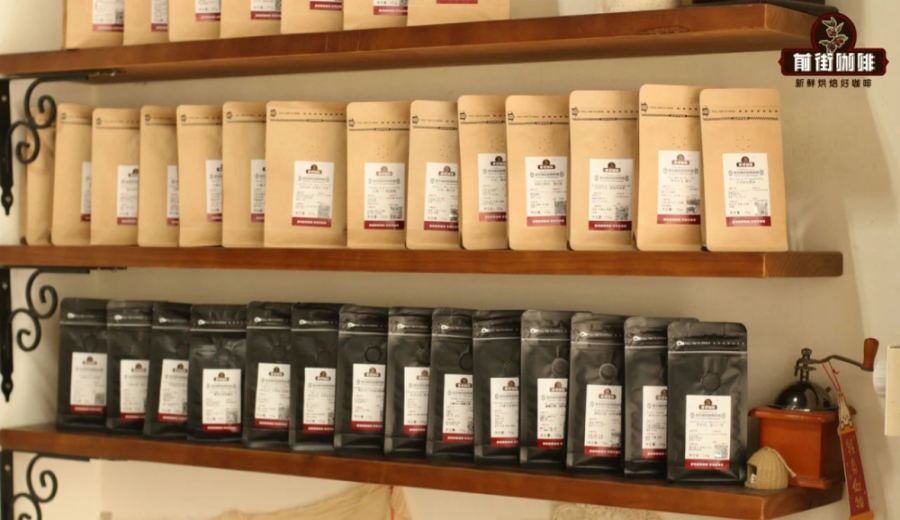
Introduction:The various region names on specialty coffee shop menus are often reflections of single-origin coffee beans. These beans, sourced from different origins, each carry the unique terroir of their regions—from the floral and fruity aromas of Ethiopia to the rich herbal notes of Indonesia’s Mandheling—each with its own charm. This article delves into the origin background, flavor characteristics, and suitable roast levels of common single-origin coffee beans, and provides pairing suggestions and brewing references. Whether you prefer pour over, cold brew, or milk-based drinks, you can find the coffee bean that best suits your taste.
When you walk into a specialty coffee shop, you might see names like Ethiopia, Colombia, and Mandheling on the menu. For those new to the world of coffee, these names represent the world of single-origin coffee beans. Single-origin coffee beans are those sourced from a single origin, with distinct regional characteristics, much like a solo singer showcasing the unique terroir and personality of their locality. These beans, through different roast levels, can release a variety of aromas and flavors, making them ideal for brewing methods like pour over and cold brew, fully showcasing their original character.
The charm of single-origin coffee lies in its “regional” and “unique” qualities. From high mountains to valleys, from dry to humid, the microclimate, soil, and cultivation methods of each producing area influence the final flavor of the coffee. For example, coffee from high-altitude regions often features bright acidity and layered complexity, while beans from lower altitudes may present a richer, fuller body. Understanding these differences helps in selecting the coffee beans that best suit your personal taste.
Ethiopia is known as the birthplace of coffee and boasts rich coffee genetic diversity. Among them, the washed Yirgacheffe is one of the most representative single-origin beans. Its flavor is dominated by the bright acidity of citrus and lemon, complemented by tea-like notes and delicate floral aromas. The overall profile is light and lively, like a ray of warm sunshine in winter, making it suitable for drinkers who enjoy a refreshing taste. This bean is recommended to belightly roasted, which preserves its natural fruit acidity and aroma to the greatest extent. It is ideal for pour over brewing and pairs well with fruit pies or fruity desserts to enhance its layered flavors.
Honduras produces coffee mostly at high altitudes between 1,000 and 1,900 meters. The rugged terrain and fertile soil nurture coffee beans with rich flavors and cocoa notes. A well-known coffee brand’s washed Catuai is one such representative. Its flavor showcases a steady cocoa profile, suitable formedium roastingto bring out its sweet and mellow qualities. This bean pairs wonderfully with brownies, chocolate, and other desserts, creating a rich flavor contrast and making it an ideal choice for those who enjoy bold flavors.
Peru’s coffee farms are mostly located in the Amazon rainforest region, at altitudes between 1,000 and 2,000 meters. The unique environment has made it a frequent contender in international coffee competitions. The coffee here features subtle acidity of peach and oak-like aromas, with a molasses-like sweet finish in the aftertaste. The overall profile is smooth with a pronounced sweetness. It is recommended to usemedium roasting, which balances its acidic and sweet layers. It is suitable for pour over or cold brew, and pairing with cream puffs or shortbread can further elevate the drinking experience.
Guatemala’s coffee benefits from its numerous mountains and diverse microclimates. In recent years, coffee quality has significantly improved under government promotion. The eco-friendly green coffee from the Huehuetenango region is known for its caramel, cocoa, and woody aromas, with rich sweetness and a steady character. This bean is recommended to bemedium-dark roastedto bring out its deep aromas and full-bodied taste, making it suitable for pairing with macarons and other desserts to highlight its layered flavor contrast.
Nicaragua’s coffee is mostly produced in the northern mountainous areas of the Jinotega region, where farmers have long practiced shade-grown cultivation in harmony with the natural ecosystem. The coffee here features bright citrus aromas with a sweet and smooth finish. It is suitable formedium roasting, which fully highlights its fresh characteristics. Paired with cheesecake and similar desserts, it creates a mild and layered taste experience.
Colombia is a globally renowned coffee-producing region. Its high-altitude coffee is known for its walnut-like aromas and stable balance of acidity and sweetness. A well-known coffee brand’s Huila coffee is one such representative. Its flavor profile is diverse, ranging from the slight acidity of apple to the sweetness of peach, and the nutty finish. The overall profile is lively and smooth. This bean is recommended to bemedium-dark roasted, suitable for various brewing methods including pour over, moka pot, and espresso machines. Pairing with chestnut cake can highlight its rich and mellow qualities.

Indonesia’s Gayo Mountain Mandheling comes from the Gayo Mountains of Sumatra, where the soil is fertile and the altitude is moderate. The coffee produced here is known for its rich and full-bodied taste. A well-known coffee brand’s Mandheling features layers of spices and chocolate, with a slight bitterness balanced by elegant fragrance and a long, mellow aftertaste. This bean is recommended to bedark roasted, which enhances its herbal and chocolate notes. It pairs well with savory snacks like beef cheeseburgers, showcasing the depth and contrast of its flavors.
As the world’s largest coffee producer, Brazil’s specialty coffee is known for being smooth, sweet, and having gentle acidity. A well-known coffee brand’s Dark Cocoa Base Blend combines Yunnan small beans with Brazilian Red Bourbon, showcasing a balanced profile of nuts, chocolate, and plum acidity. It is suitable for beginners. This bean is recommended to bemedium-dark roasted, and whether enjoyed alone or as a blend base, it delivers a stable and full-bodied taste. Pairing with strawberry cake creates a warm and sweet drinking experience.
Costa Rica’s volcanic terrain and fertile volcanic ash soil contribute to its excellent coffee quality. The coffee here is known for its balanced acidity and aroma. Mozart Coffee is one such representative, featuring bright fruit acidity reminiscent of red wine, a smooth mouthfeel, and a rich, sweet finish at the cup bottom. It is recommended to bemedium roasted, suitable for pairing with light desserts like pancakes, highlighting its smooth and layered taste profile.
Each single-origin coffee bean represents the unique terroir and story of its producing region. Whether you prefer bright acidity, rich aromas, or mellow aftertastes, you can find your perfect cup of coffee among them. By understanding the origin, flavor characteristics, and suitable roast levels, you can explore the diverse charm of coffee more deeply—whether through pour over, cold brew, or milk-based brewing.
The above content is compiled by CoffeeHunters, a coffee news website.


