







Introduction:To truly understand American-style black coffee, start by distinguishing it from Americano and Long Black. This article provides an in-depth analysis of the steps and flavor profiles of three popular brewing methods, and introduces common espresso blend recipes and roasting characteristics, including practical examples such as Sunflower Warmth, Black Cocoa, Commercial Blend, and more. From bean selection to extraction ratios, master the key elements to crafting great-tasting American coffee in one go.
Many coffee enthusiasts often equate American black coffee with regular American coffee, but there are actually subtle differences in brewing methods and flavor expression. This article starts with the aroma sources of American coffee, detailing the brewing processes of Americano and Long Black, the retention of crema, and how espresso extraction methods alter taste. It further explores several espresso blends commonly used by certain cafés, such as the Sunflower Warmth Blend, Black Cocoa Blend, Premium Blend, and Commercial Blend. By examining recipe ratios, roast levels, and suitable scenarios, it helps you understand the bean logic and extraction details behind an ideal cup of American coffee.
What does your American coffee taste like? The answer often lies in the coffee beans used. American coffee is relatively easy to make, emphasizing convenience, speed, and spontaneity. Compared to espresso, its taste is usually crisper and cleaner, showcasing the bean’s original flavors more directly—making it a staple in almost every café. However, even among American coffees, some shops produce sweet and smooth cups, while others yield bitter and unpleasant ones. The key differences usually stem from two factors: the quality of the coffee beans and the espresso extraction technique.
American coffee is made by diluting espresso with hot water, commonly referred to as "斋啡" (plain coffee) in Guangdong. Water itself is colorless and tasteless, serving only as a diluent, so the overall performance of the drink largely depends on the quality of the espresso. And the flavor of the espresso is directly influenced by the beans themselves and the extraction conditions. Ideally, an American coffee made from a well-brewed espresso should have a balanced, rich body—free from issues like excessive wateriness, burnt bitterness, or overly sharp acidity.
If your American coffee tastes bitter, it may be over-extracted espresso; if it's sour, it might be under-extracted; if it feels watery, too much water was likely added. Grasping these basic judgments can help you fine-tune the flavor to your liking more accurately.
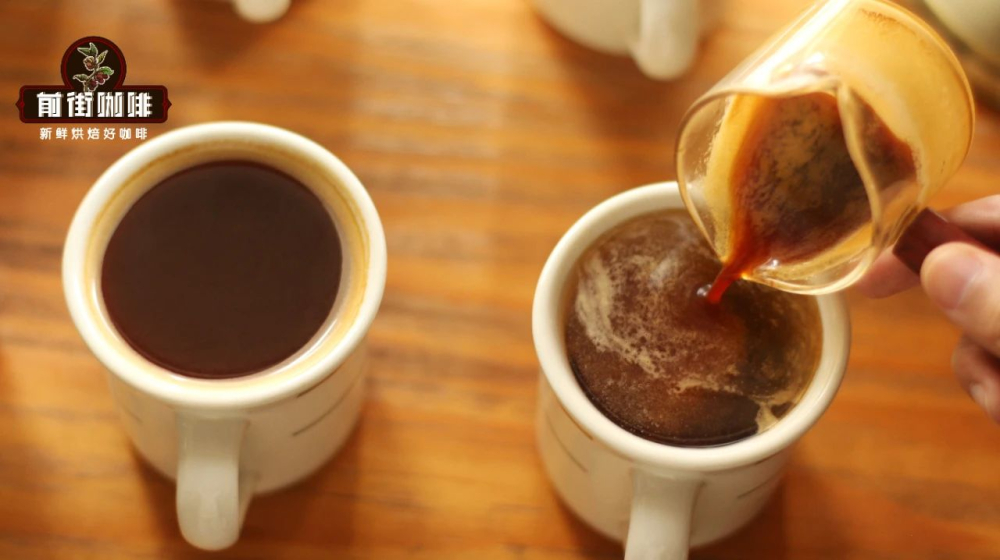
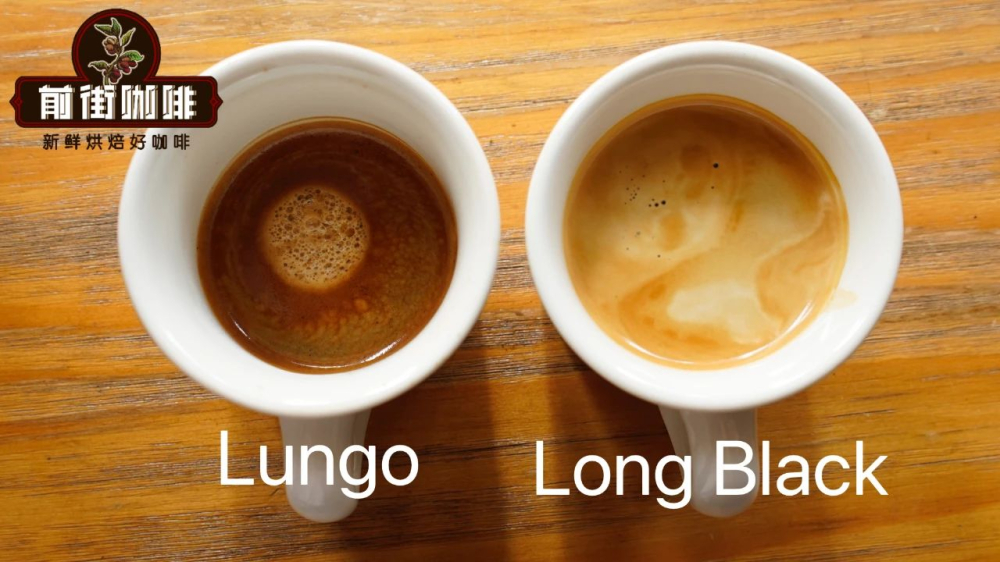
The preparation of American coffee is actually not complicated and can be mainly divided into two types: one where espresso is extracted first and then hot water is added—commonly known as Americano; the other involves pouring hot water first, followed by the espresso shot, called Long Black. Although both use only espresso and water, the different brewing sequences lead to noticeable variations in crema retention, flavor release, and overall mouthfeel.
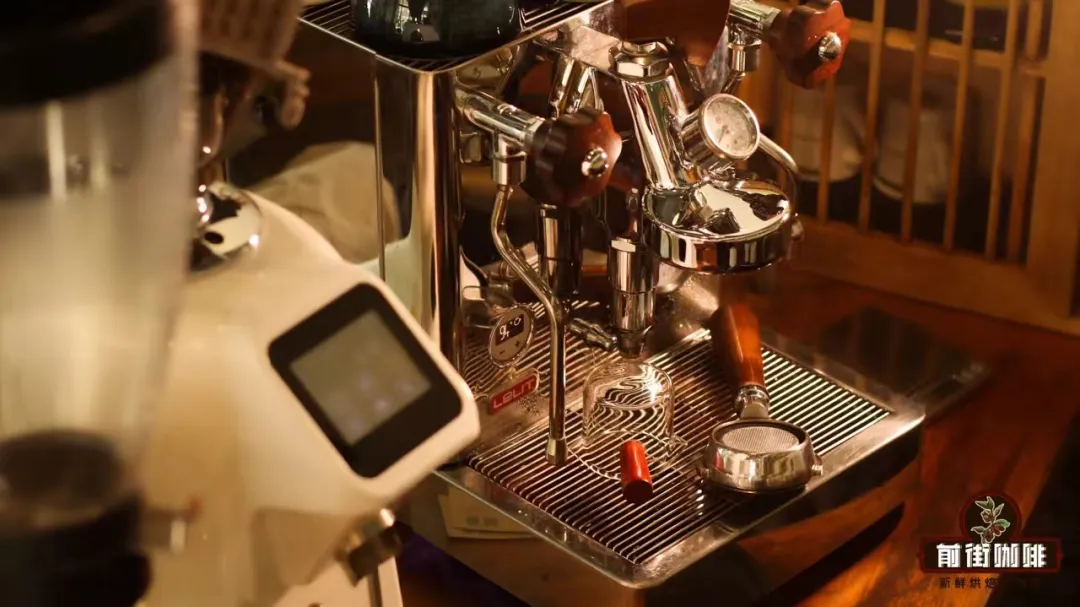
The standard method for making an Americano is to brew a shot of espresso first, then add hot water. The typical ratio of espresso to water falls between 1:5 and 1:8. Since the espresso is added to water, the crema (coffee oils) on the surface of the espresso gets dispersed by the water, resulting in a consistent strength from start to finish without significant shifts in intensity.
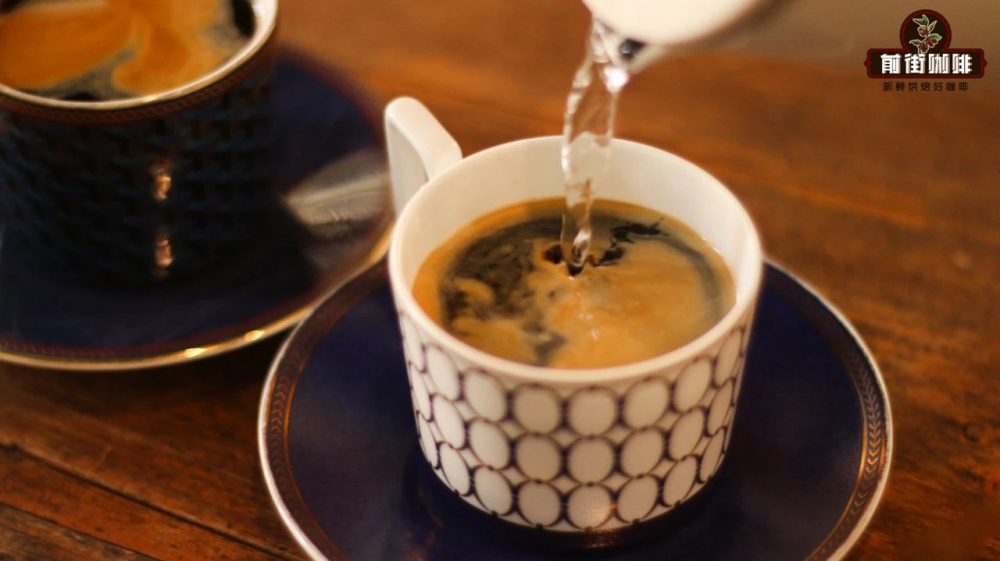
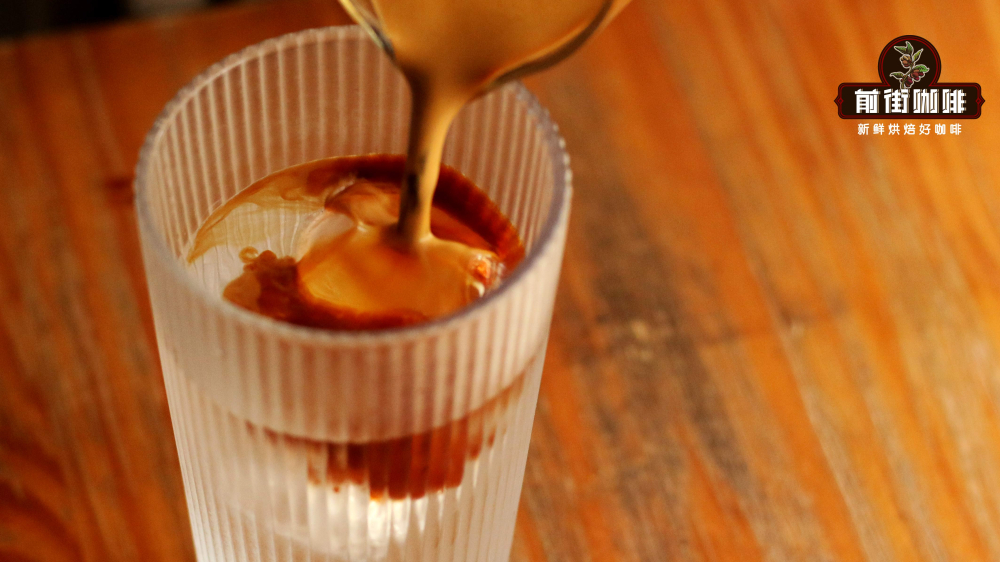
In contrast, a Long Black is made by pouring hot water into the cup first, then slowly adding the brewed espresso. This method preserves the crema on the espresso’s surface, and the usual espresso-to-water ratio is about 1:3. Due to the differing densities of water and espresso, if left unstirred, you’ll experience a layered progression from strong to mild as you drink—starting with the richest and smoothest mouthfeel, enhanced by the silky texture of the crema, and ending with a cleaner, crisper finish.
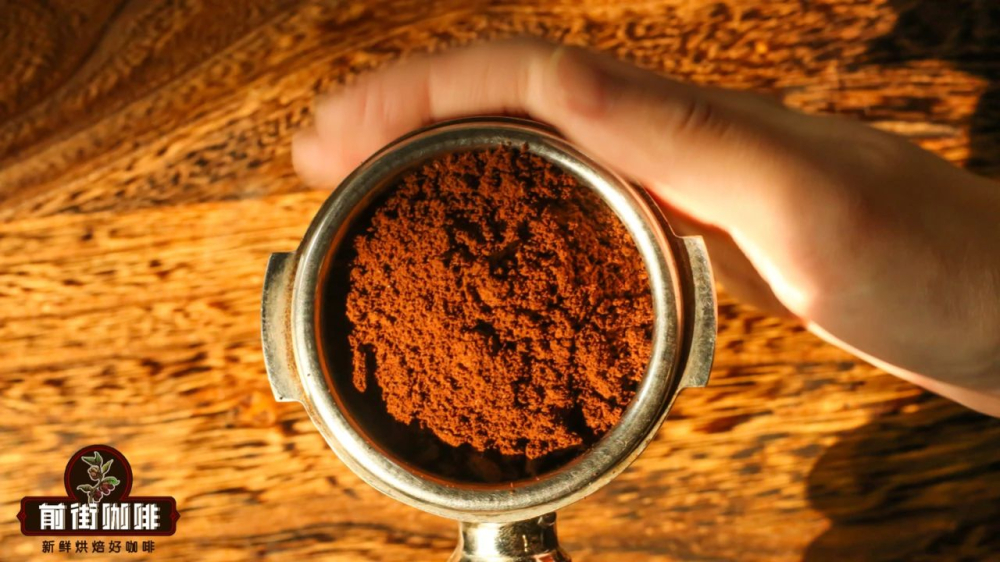
A certain café commonly uses its own Sunflower Warmth Blend when brewing espresso. They use 20 grams of coffee grounds to extract 40 grams of espresso in approximately 28 seconds. This blend offers flavors of sherry wine, soft berry acidity, vanilla cream texture, and a finish of hazelnut and chocolate notes. When brewed as a hot American at a 1:6 ratio, the sherry aroma becomes notably vibrant, the berry acidity less prominent, and the finish carries a mellow hazelnut and vanilla-chocolate aftertaste.
When made into a Long Black at a 1:3 ratio, the cup immediately delivers a smooth sensation from the rich crema, with the sherry aroma becoming more intense. Caramel and chocolate aftertastes carry on clearly, with the front-end flavors concentrated and the back-end transitioning to a clean and refreshing profile.
Espresso blends are created by mixing single-origin beans from different regions and flavor profiles in specific proportions, aiming to combine the strengths of each bean to produce a more balanced or layered taste. For instance, if a bean has a smooth mouthfeel but lacks aroma, adding a high-aroma bean can compensate and create a richer, more nuanced overall expression.
A certain coffee brand currently offers several popular espresso blends, including the Sunflower Warmth Blend, Black Cocoa Blend, Premium Blend, and Commercial Blend. Each has a unique formula and roast level tailored for various usage scenarios, performing well in everything from lattes to Americanos.
The base blend formula consists of 60% Brazilian beans and 40% Yunnan beans, offering a cost-effective option. Medium-dark roasted to bring out nutty and subtle chocolatey tones, it’s suitable as a latte base or everyday American coffee. With medium body and mild flavors, it’s palatable for both beginners and seasoned coffee drinkers.
The Commercial Blend uses 60% Brazilian, 30% Colombian, and 10% Robusta beans. Its flavor profile features rich crema, caramel sweetness, and nutty notes. A small amount of Robusta boosts crema without compromising overall flavor balance, making it ideal for commercial cafés making Americanos or milk-based coffees. It’s affordable, stable, and reliable.
Another standout blend is the Sunflower Warmth Blend, made with Honduran sherry wine barrel-fermented beans and sun-dried Yirgacheffe. Medium-dark roasted to highlight distinct wine-like aromas and berry acidity, it suits consumers who enjoy complex and layered flavors. It once replaced the brand’s original Premium Blend to become their featured recommendation.
The Premium Blend uses a formula of 70% Brazilian and 30% Colombian beans, with medium-dark roasting to enhance nutty and sweet notes. It’s suitable for customers seeking stability without overwhelming intensity and is also one of the brand’s long-standing mainstay blends.
Understanding the origins of American coffee helps grasp its fundamental spirit. During WWII, American soldiers, unaccustomed to Europe’s very strong espresso, began diluting it with water themselves—forming the earliest version of American coffee. Later, as Italian coffee culture spread to the U.S., it evolved into today’s variety of American styles based on espresso, with the order of adding water or espresso varying by preference. Whether espresso is added first or water is added first, the key lies in how to preserve or adjust the crema and flavor expression.
The above content is compiled by CoffeeHunters, a coffee news website.


