








Introduction:Selecting coffee beans suitable for daily consumption is an important task for every coffee beginner. This article provides an in-depth analysis of classic coffee beans from six major producing regions—Ethiopia, Colombia, Costa Rica, Yunnan (China), Indonesia, and Brazil—covering aspects such as altitude, climate, processing methods, and flavor profiles. It helps you understand the unique characteristics of each bean and offers pour over recommendations, building a systematic understanding of global coffee flavors.
For those just starting to explore specialty coffee, choosing a reasonably priced, quality-stable everyday coffee not only lowers the entry barrier but also helps you gradually develop an understanding of the flavors from different producing regions. This article features six representative coffee-growing regions worldwide, including Ethiopia, Colombia, Costa Rica, Yunnan (China), Indonesia, and Brazil. It analyzes the climate conditions, common processing techniques, and flavor profiles of each area, helping you easily find the daily coffee that best suits your taste.
The term “everyday coffee” refers to beans that are affordable, consistent in quality, and suitable for frequent daily consumption. For beginners, these beans are not only easy to obtain but also allow you to explore the diverse flavors brought by different origins and processing methods while staying within budget.
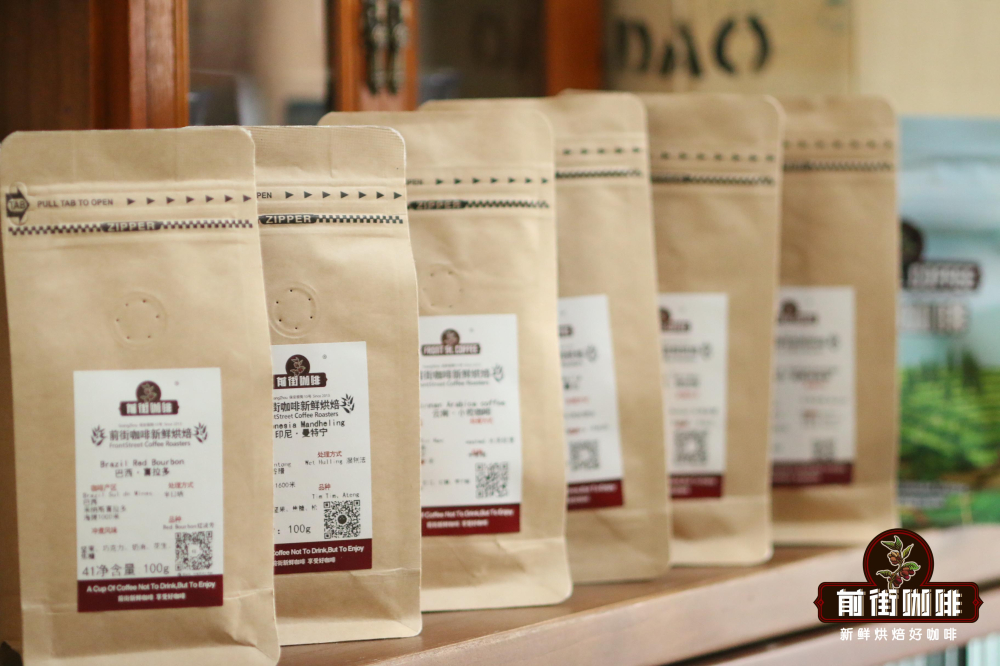
< The six coffee beans introduced in this article are all available in 100g small packages, allowing newcomers to experience flavor differences from around the world at a relatively low cost. From the floral and fruity notes of Ethiopian Yirgacheffe to the herbal and woody tones of Indonesian Mandheling, and the black tea-like sweetness of Yunnan Catimor, each bean showcases the unique terroir of its origin. Next, we’ll take an in-depth look at the classic coffee beans from these six major regions, analyzing everything from regional environments and processing techniques to flavor profiles.
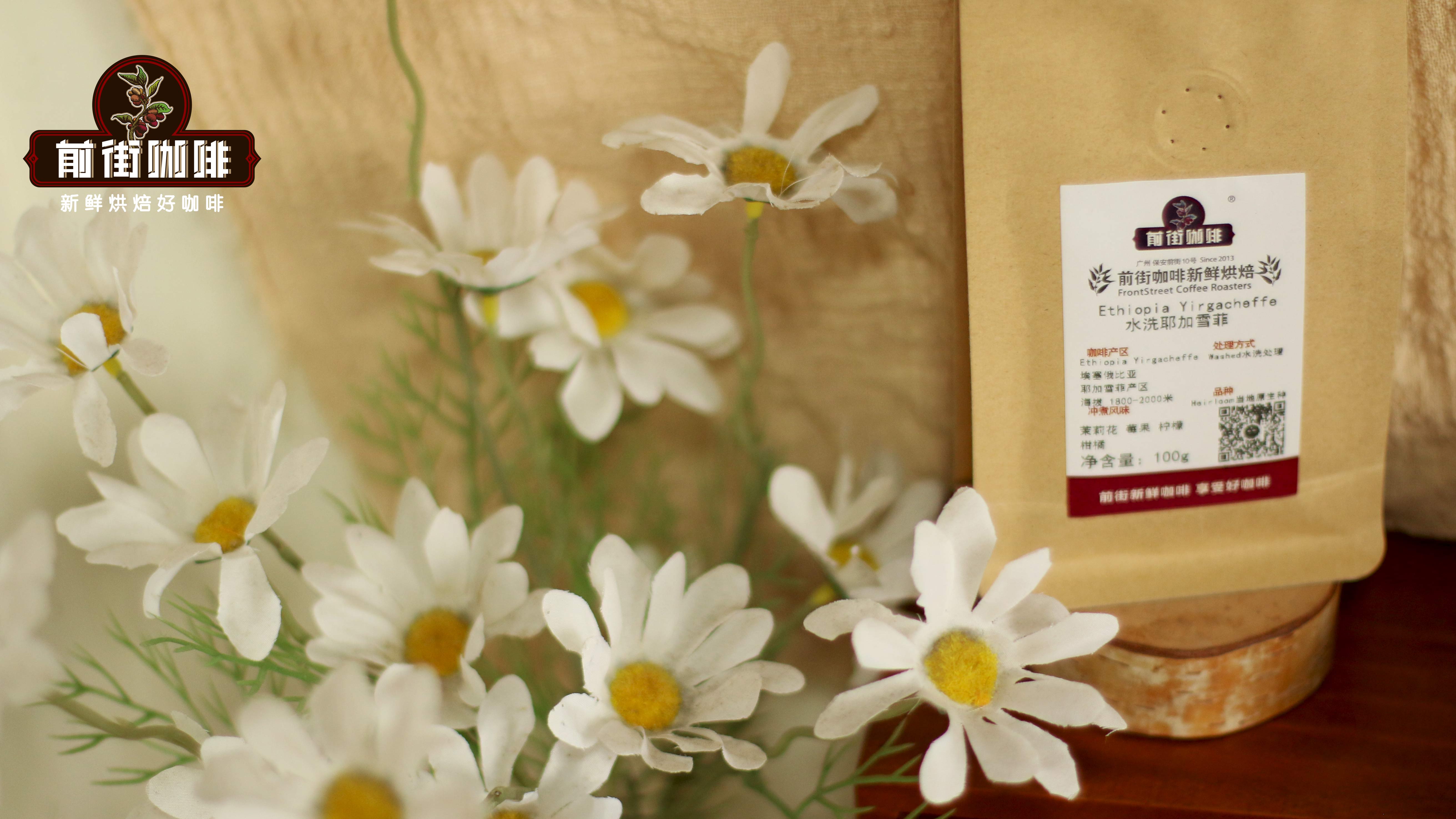
Ethiopia Yirgacheffe (Washed)
Growing Altitude: 1800–2000 meters
Variety: Local landrace
Processing Method: Washed
Flavor Profile: Jasmine, lemon, citrus, berries
Yirgacheffe is located on the eastern side of the East African Rift Valley. Originally a small area within the Sidamo region, it was later designated as a separate producing region due to its unique coffee flavors. The altitude here ranges between 1700 and 2100 meters, making it one of the highest coffee-growing areas in the world. Most farmers grow coffee trees in their own fields or intercropped with other crops. Though yields are small, the environment is ideal—with constant mist and a mild climate—contributing to Yirgacheffe’s distinctive floral aromas and bright acidity.
The washed processing method results in a clean cup with bright acidity, featuring prominent citrus and lemon notes, complemented by tea-like qualities and berry aromas. Yirgacheffe is not only highly regarded in the international coffee scene but is also often considered the best starting point for exploring floral and fruity coffees. It’s worth noting that traditional Yirgacheffe also used the natural (sun-dried) process, but due to the risk of off-flavors during processing, it wasn’t until the introduction of washed processing in 1972 that the region’s citrus and floral notes became more clearly expressed.
< If you’re new to pour over, we recommend using a medium-fine grind, a water temperature of 90–92°C, and a brew time of around 2–3 minutes to better highlight its refreshing acidity and layered complexity.
Colombia Huila
Growing Altitude: 1500–1800 meters
Variety: Caturra
Processing Method: Washed
Flavor Profile: Nuts, dark chocolate, caramel, mild fruit acidity
Colombia is the world’s third-largest coffee exporter and is renowned for its high-quality Arabica beans. The Huila region is located on the slopes of the Andes Mountains, where the steep terrain protects the coffee plants from cold winds. The cool climate and abundant rainfall provide an ideal growing environment. Most coffee is hand-picked to ensure only the ripest cherries are selected.
This washed coffee from Huila has a balanced flavor profile, featuring gentle fruit acidity, nutty tones, and a sweet caramel finish. It’s a great choice for coffee lovers who enjoy chocolatey and nutty notes. Its plump bean shape and uniform appearance also reflect the region’s rigorous cultivation and processing standards.
For pour over, we suggest using a medium-coarse grind, a water temperature of around 90°C, and a brew time of 2.5–3 minutes to balance acidity, sweetness, and body.
Costa Rica Tarrazú
Growing Altitude: 1500 meters
Variety: Caturra, Catuai
Processing Method: Washed
Flavor Profile: Sweet orange, honey, toffee, nuts
Thanks to its microclimates and fertile volcanic soil, Costa Rica has become a coffee powerhouse in Central America. The Tarrazú region, located near the capital San José, is known for producing coffee with a balanced flavor, smooth mouthfeel, and pronounced chocolate notes. The region has consistently performed well in the COE (Cup of Excellence) competitions, reflecting the superior quality of its beans.
Coffee from Tarrazú often features sweet orange, honey, and nut tones, with a round mouthfeel and prominent sweetness—making it well-suited for those who prefer medium-to-dark roast flavor profiles. Its washed processing ensures a clean cup and stable flavor expression.
For pour over, we recommend a medium-fine grind, a water temperature of 90–91°C, and a brew time of about 2.5 minutes to fully bring out its sweetness and nutty finish.
< p>Yunnan Baoshan (Washed Catimor), China
Growing Altitude: 1200 meters
Variety: Catimor
Processing Method: Washed
Flavor Profile: Melon-like sweetness, black tea notes, plum acidity, brown sugar
Yunnan has been cultivating coffee since 1892, primarily in areas like Baoshan and Pu’er. Due to local growing conditions and climate, Catimor has become the dominant variety. Although Catimor has some Robusta lineage, when grown at high altitudes with careful cultivation, it can still deliver rich sweetness and a black tea-like full-bodied flavor.
This washed Yunnan Catimor features plum acidity, brown sugar sweetness, and melon-like aromas, with a black tea-like finish. Its overall profile is mild yet layered, making it a great choice for coffee lovers interested in the unique characteristics of Asian-origin coffees.
For pour over, we suggest using a medium-coarse grind, a water temperature of 88–90°C, and a brew time of about 3 minutes to highlight its sweetness and soft acidity.
Indonesia Sumatra Lintong (Wet-Hulled Mandheling)
Growing Altitude: 750–1500 meters
Variety: Typica, Caturra
Processing Method: Wet-hulled
Flavor Profile: Toasted bread, nuts, caramel, pine, herbs
The name “Mandheling” originated from a beautiful misunderstanding and has since become synonymous with premium Indonesian coffee. The Lintong region in Sumatra has a humid climate, and the traditional wet-hulled processing method gives this coffee low acidity, a full body, and unique woody and herbal notes.
Wet-hulling involves removing the parchment layer before the beans are fully dry, resulting in a richer, more intense flavor with woody undertones. This Mandheling often exhibits aromas of nuts, toast, and caramel, making it ideal for those who prefer a heavy body and low-acidity cup.
For pour over, we recommend a medium-coarse grind, a water temperature of 88–90°C, and a slightly longer brew time of 3–3.5 minutes to better showcase its full body and layered herbal notes.
Brazil South Minas (Pulped Natural Red Bourbon)
Growing Altitude: 1000 meters
Variety: Red Bourbon
Processing Method: Pulped natural
Flavor Profile: Nuts, chocolate, cream, peanuts, caramel
Brazil is the world’s largest coffee producer, and the South Minas region benefits from high altitude and significant day-night temperature variation, producing elegant Red Bourbon beans. In the past, Brazilian beans were often criticized for earthy flavors due to sun-dried processing, but the pulped natural method introduced in the 1990s greatly improved this issue.
This pulped natural Red Bourbon has a mild profile with sweet notes of nuts, chocolate, and caramel, and a soft, layered finish. It’s an ideal choice for coffee lovers who enjoy a rounded, full-bodied cup.
For pour over, we suggest using a medium-coarse grind, a water temperature of 89–91°C, and a brew time of about 2.5–3 minutes to balance its sweetness and nutty tones.
The above content is compiled by CoffeeHunters, a coffee news website.


