







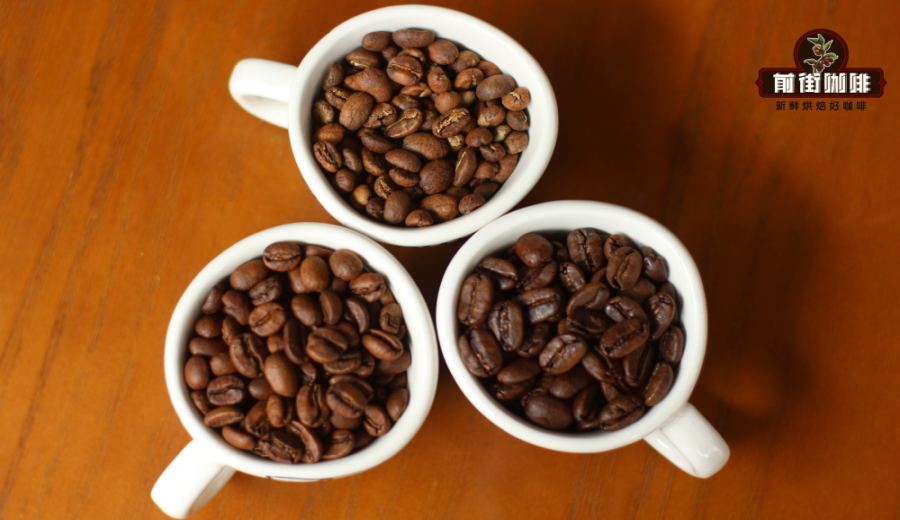
Introduction:Coffee roasting is the crucial process that transforms green beans into flavorful roasted beans. Different roast levels result in significant variations in acidity, sweetness, bitterness, aroma, and mouthfeel. This article provides a detailed introduction to eight common roast levels, outlining their characteristics and flavor profiles from light to dark roasts, as well as analyzing the principles of three major types of roasters: hot-air, direct-fire, and semi-hot-air. It also explores in depth how the Maillard reaction and caramelization affect coffee aroma, and compiles practical roasting operation and curve management tips to help coffee enthusiasts and beginner roasters build a comprehensive theoretical and practical knowledge base.
In the world of coffee, roasting is the step that most determines the final flavor of a cup. From delicate fruity acidity to rich caramel sweetness, even deep chocolate and smoky finishes, all stem from the control of temperature, time, and heat during the roasting process. This article will take you on an in-depth journey through the eight common coffee roast levels—from light to dark—and analyze the unique flavor characteristics, suitable brewing methods, and typical usage scenarios of each.
At the same time, we will also introduce three commonly seen types of coffee roasters on the market—hot-air, direct-fire, and semi-direct-fire semi-hot-air—and explain their operating principles, pros and cons, and impact on the final flavor of coffee. We will also provide an easy-to-understand analysis of the two key chemical reactions in the roasting process—the Maillard reaction and caramelization—and how they work together to shape the aroma, color, and complexity of coffee.
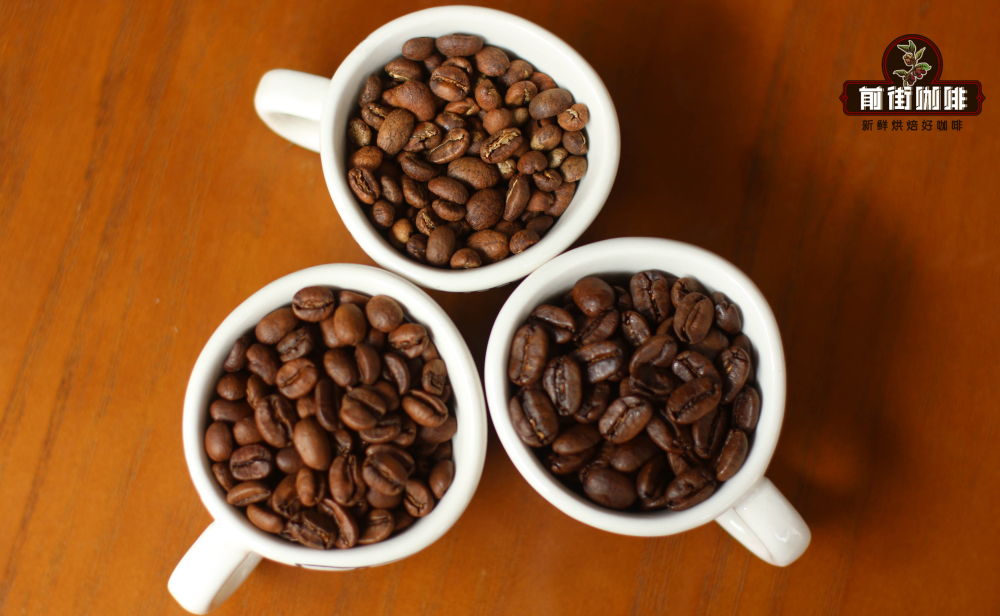
The eight common coffee roast levels can generally be divided into four main categories: light roast, medium roast, medium-dark roast, and dark roast, each with its own unique flavor profile and suitable scenarios. Light roast (such as City or Cinnamon Roast) typically retains more of the bean’s original characteristics and bright fruity acidity, making it ideal for coffee lovers who prefer a fresh taste, often used for pour over or drip coffee. Medium roast (such as Full City or Breakfast Roast) offers a balanced acidity and sweetness with soft aromas, and is a classic roast choice for many single-origin beans such as Blue Mountain and Colombian, suitable for pairing with milk or as everyday drinking beans. Medium-dark roast brings out more caramel and nutty notes, suitable for both solo sipping and showcasing layered flavors. As for dark roast (such as Italian or French Roast), with its pronounced bitterness and shiny appearance, it is the preferred choice for espresso, emphasizing a bold, full-bodied mouthfeel and long-lasting aftertaste.
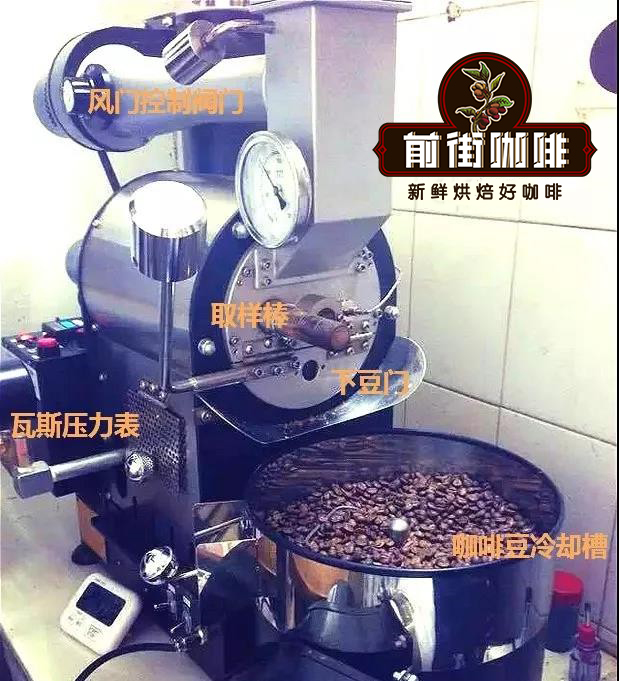
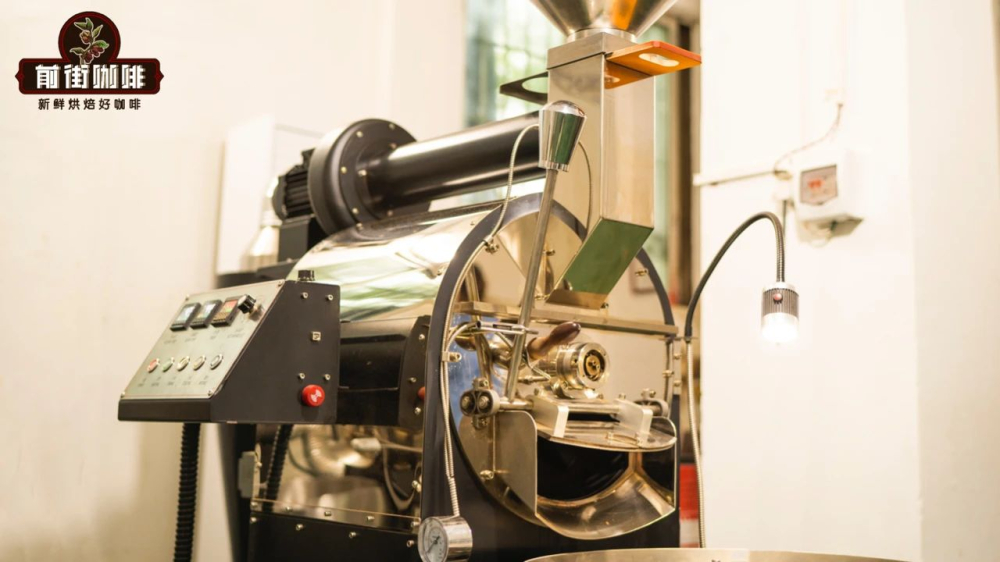
In terms of roasting equipment, hot-air roasters use highly efficient hot-air circulation heating, rapidly and evenly increasing temperature, which helps preserve clear acidity and clean flavors, but requires careful temperature control to avoid underdevelopment. Direct-fire roasters heat beans directly with flames, which can easily produce rich caramelization and layered flavors, but improper heat control may lead to scorching or uneven roasting. Semi-direct-fire semi-hot-air roasters are currently the most mainstream commercial equipment, combining the advantages of both methods. By adjusting the air damper and hot-air volume, they allow flexible control of the roasting curve, suitable for diverse bean varieties and flavor needs.
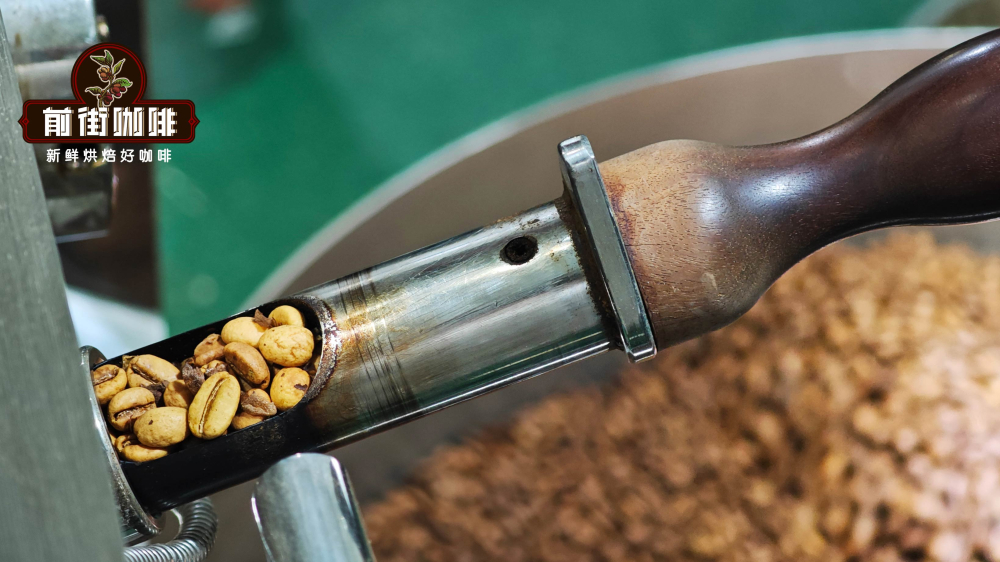
The Maillard reaction and caramelization are two key chemical changes that influence coffee aroma and flavor complexity. The Maillard reaction combines amino acids and reducing sugars during heating to produce hundreds of volatile compounds, giving coffee a rich aroma, complexity, and color. This reaction is typically most active during the stage when beans turn from yellow to brown and has a decisive impact on the overall flavor profile of the coffee. Caramelization, on the other hand, occurs at high temperatures around 170–200°C, breaking down and recombining sugars to produce caramel, buttery, and malty aromas. However, if not controlled properly, it can lead to carbonization and bitterness.
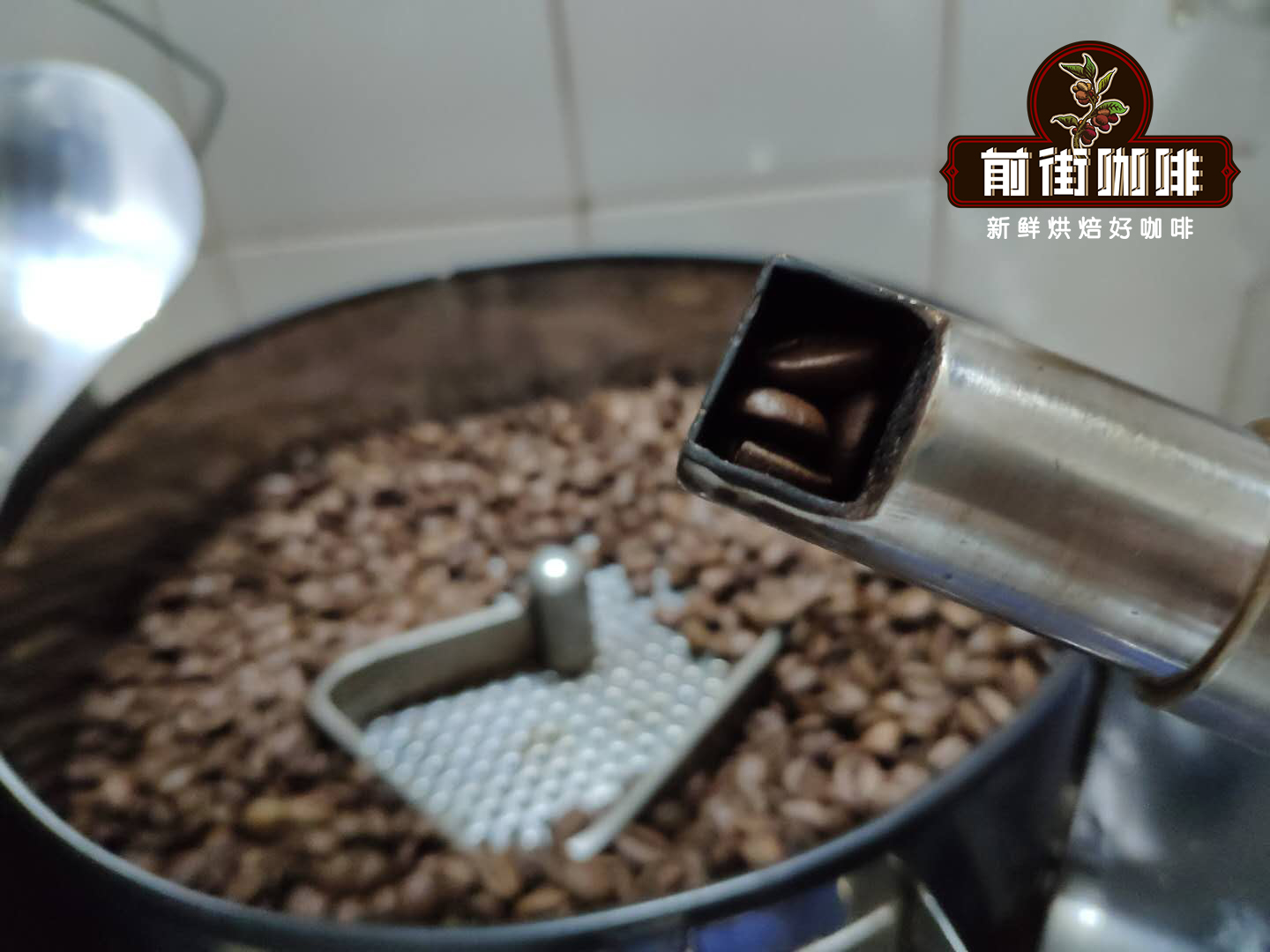
In actual roasting operations, from loading green beans, steaming, drying, first crack to dropping the beans, each stage requires strict monitoring of temperature, time, and air damper settings. For example, when using a semi-direct-fire drum-style home roaster, it is necessary to preheat the machine to the appropriate temperature first, then rotate the drum at a consistent speed to ensure even heating. Observing changes in bean color, aroma, and sound—such as chaff shedding, white smoke production, and the sound of first crack—are all key indicators for judging the roasting progress. Generally, the start of the first crack is the ideal drop time for light to medium roasts, while continuing to the second crack enters the domain of dark roasts.
Recording and analyzing the roasting curve is an important tool for maintaining quality and reproducing flavors. Documenting data such as charge temperature, turnaround point, yellowing point, first crack time, drop temperature, and time helps roasters understand the reaction characteristics of different bean varieties and adjust heat and time based on cupping results. For instance, East African beans like Yirgacheffe are usually suited to higher-temperature, faster roasting to preserve bright citrus and floral notes, while medium-dark roast beans like Brazilian or Sumatran can develop nutty and chocolatey tones through extended development time.
Additionally, common issues during roasting include insufficient preheating leading to uneven heating, excessive heat causing burnt exteriors and raw interiors, or overly long roasting times resulting in aroma loss. To avoid these problems, it is essential to ensure stable green bean quality with moderate moisture content (around 11–13%) and to complete machine cleaning and preheating procedures before roasting. Removing defective beans, controlling charge amount, and ensuring proper internal hot-air circulation are also key factors affecting the final flavor.
For coffee roasting enthusiasts looking to further refine their skills, it is recommended to start with light roasts, gradually familiarizing oneself with the various stages of bean transformation and aroma development, and using cupping records to gather flavor feedback, continuously adjusting and optimizing the roasting curve. An excellent roaster, in addition to technical proficiency, must also possess the ability to identify green beans, knowledge of roasting equipment operation, and cupping evaluation skills to consistently bring out the best flavor potential of each bean variety.
The above content is compiled by CoffeeHunters, a coffee news website.


