








Introduction:Delve into the characteristics, flavor profiles, and brewing methods of the world’s three major coffee species—Arabica, Robusta, and Liberica. This article breaks down the plant traits, processing differences, and highlights the unique expressions of popular subspecies such as Typica, Bourbon, and Geisha, offering practical guidance for beginners in bean selection and flavor evaluation.
The three most common species in the coffee market are Arabica, Robusta, and Liberica, each showcasing distinct flavor characteristics and suitable use cases. Arabica dominates the specialty coffee scene with its high quality and delicate taste, Robusta is known for its bold, rich flavor and high caffeine content, often used in espresso blends or instant coffee, while Liberica, due to its rarity and unique aroma, is a more niche offering. Understanding the basic differences among these three categories is foundational to further exploring the world of coffee.
Arabica is the most widely grown coffee species globally, accounting for about 75% of total production. Its beans are typically oval-shaped with an S-shaped, slender center cut. It offers a complex flavor profile, bright acidity, and relatively low caffeine content, ranging between 0.8% and 1.5%. This species is more demanding in terms of growing conditions, preferring high altitudes and cool climates, and is mainly cultivated in mountainous regions of Central and South America, Africa, and Asia. In terms of variety evolution, many well-known subspecies stem from the ancient Typica and Bourbon, which later underwent regional mutations or selective breeding to form today’s diverse lineages.
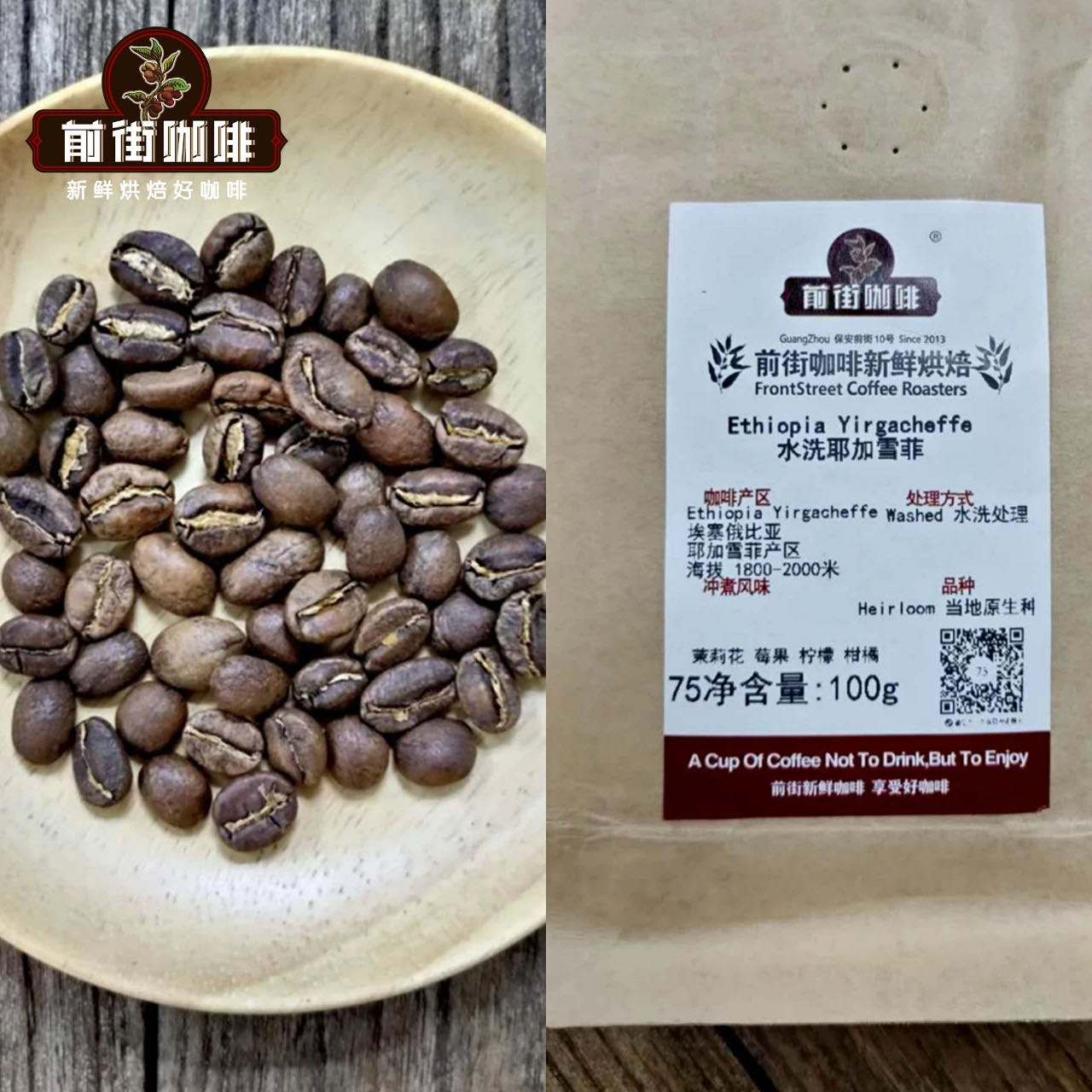
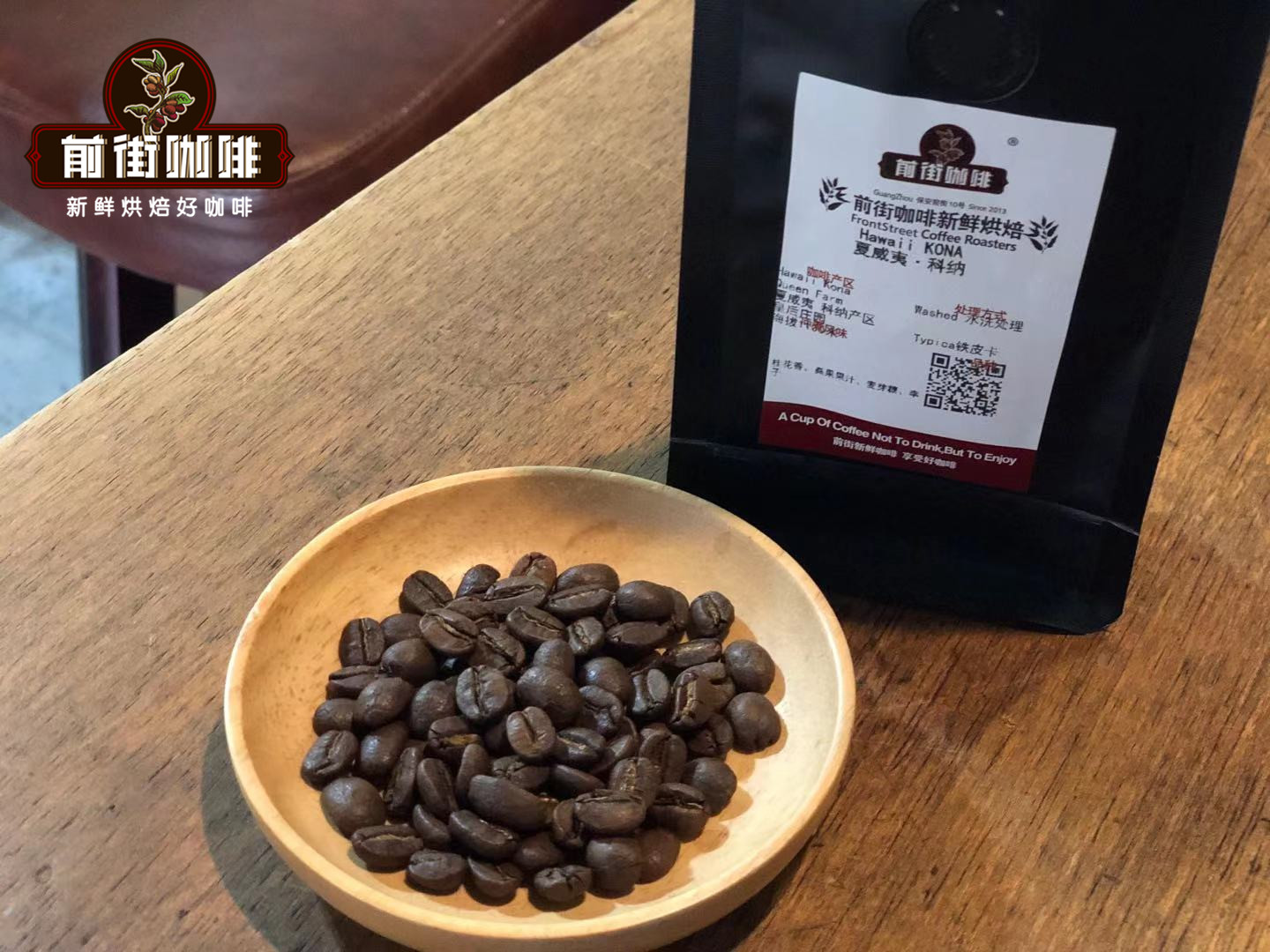
Typica is one of the oldest varieties in the Arabica family, originating from Ethiopia. It features bronze-tipped leaves and slender beans. This variety produces an elegant flavor but is relatively fragile, with poor disease resistance and limited yield. Renowned coffees such as Jamaican Blue Mountain, Hawaiian Kona, and Sumatra Mandheling all belong to the Typica lineage. Among them, Jamaican Blue Mountain, grown at high altitudes and processed via the washed method, exhibits notes of dark chocolate, nuts, and cream, with balanced sweetness, acidity, and bitterness, making it a classic representative in the premium market.
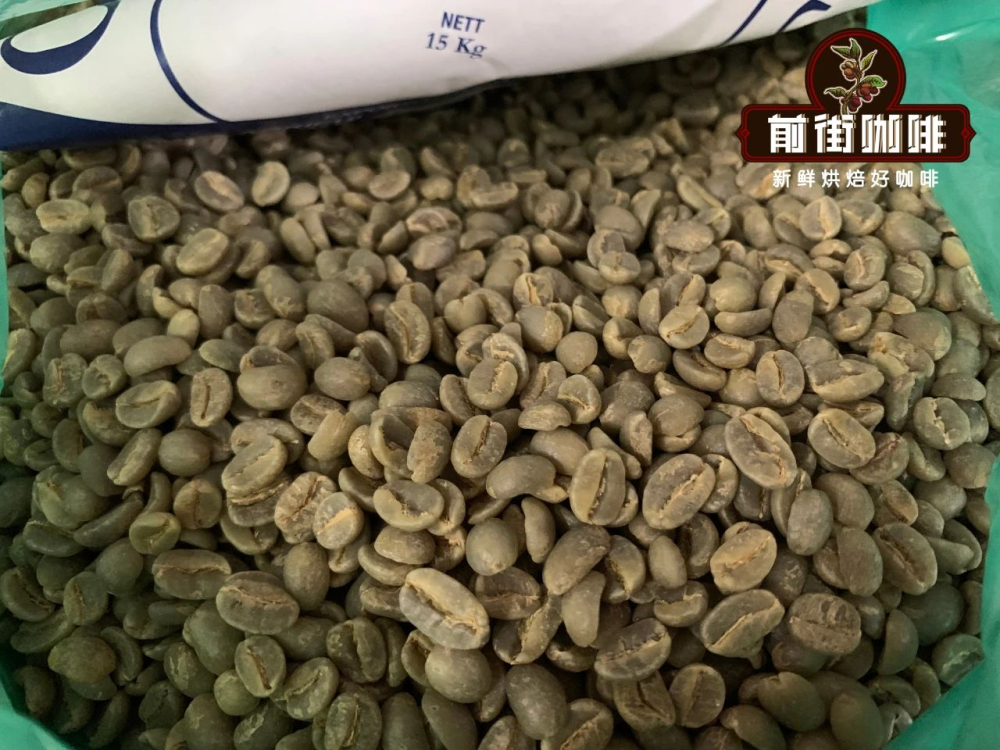
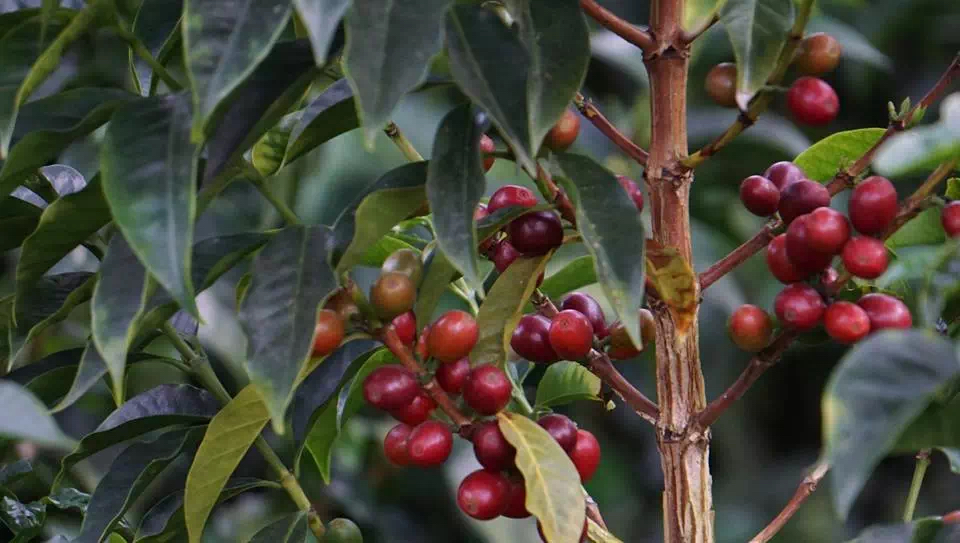
Bourbon evolved from a mutation of Typica in Yemen, with beans transitioning from slender to rounder in shape. Its flavor profile is generally sweeter with brighter acidity. Depending on the fruit’s ripening color, it can be classified into Red Bourbon, Yellow Bourbon, and the rare Pink Bourbon. Red Bourbon typically offers tropical fruit aromas and soft acidity, while Yellow Bourbon, when grown at high altitudes, displays intense nutty notes and low acidity. Pink Bourbon, distinguished by its rare pink-hued coffee cherries, has a complex aroma with berry and honey undertones, though it is extremely rare in production.
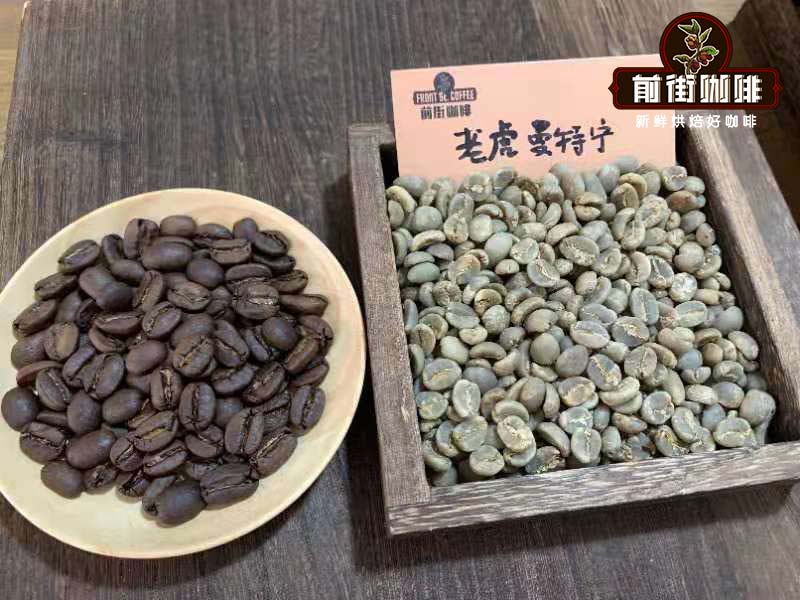
Geisha, originally from Ethiopia’s Gesha region, gained international acclaim particularly in Panama, especially at estates like La Esmeralda and Elida in the Boquete region, where it consistently scores exceptionally well in cupping evaluations. This variety is known for its pronounced floral and citrus notes, tea-like aftertaste, and delicate, layered acidity. The Red Label Geisha is especially sought after for its rich flavor and outstanding sweetness. Although it has been planted in various regions worldwide, Panamanian productions are widely regarded as the most exceptional.
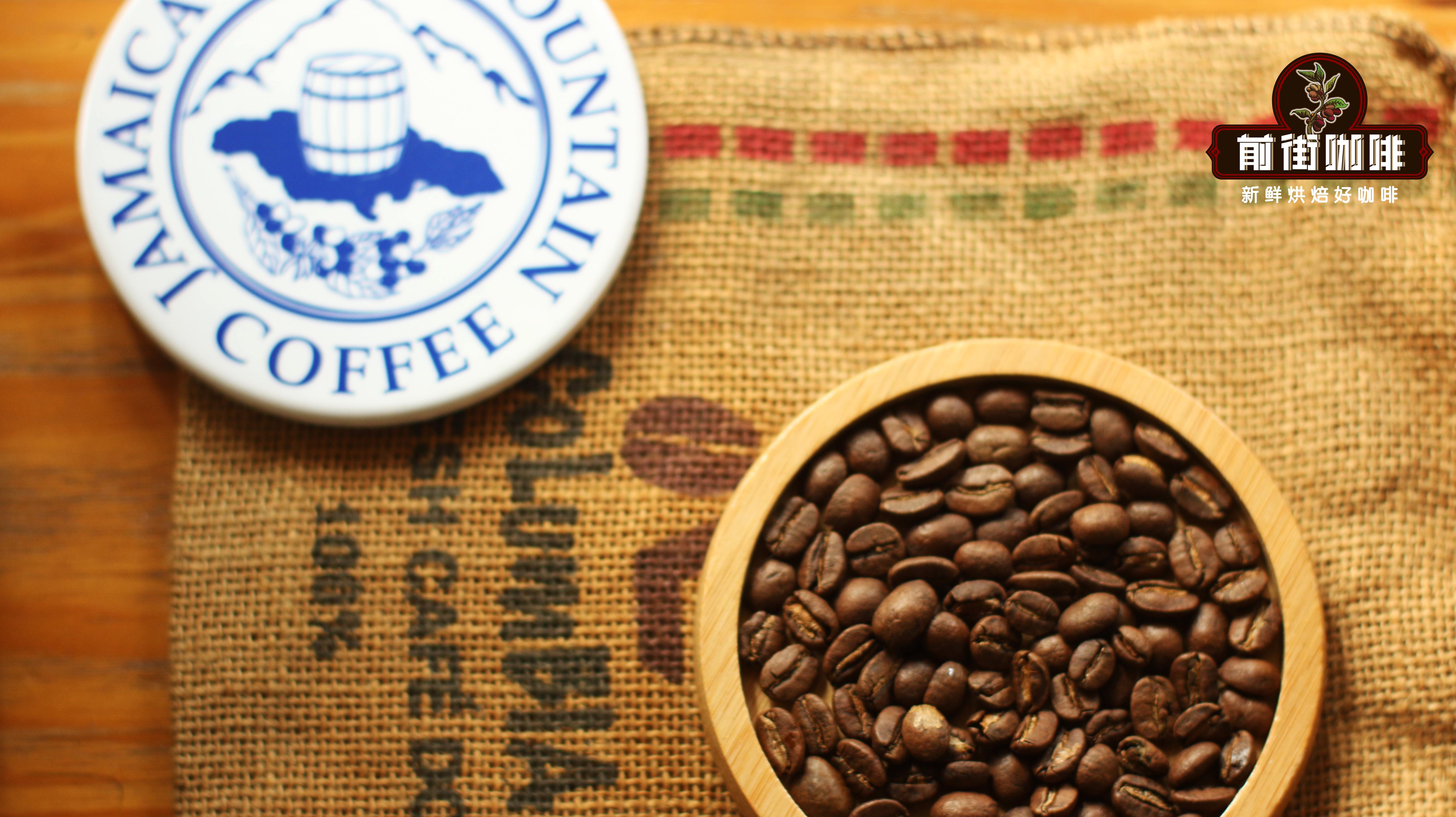
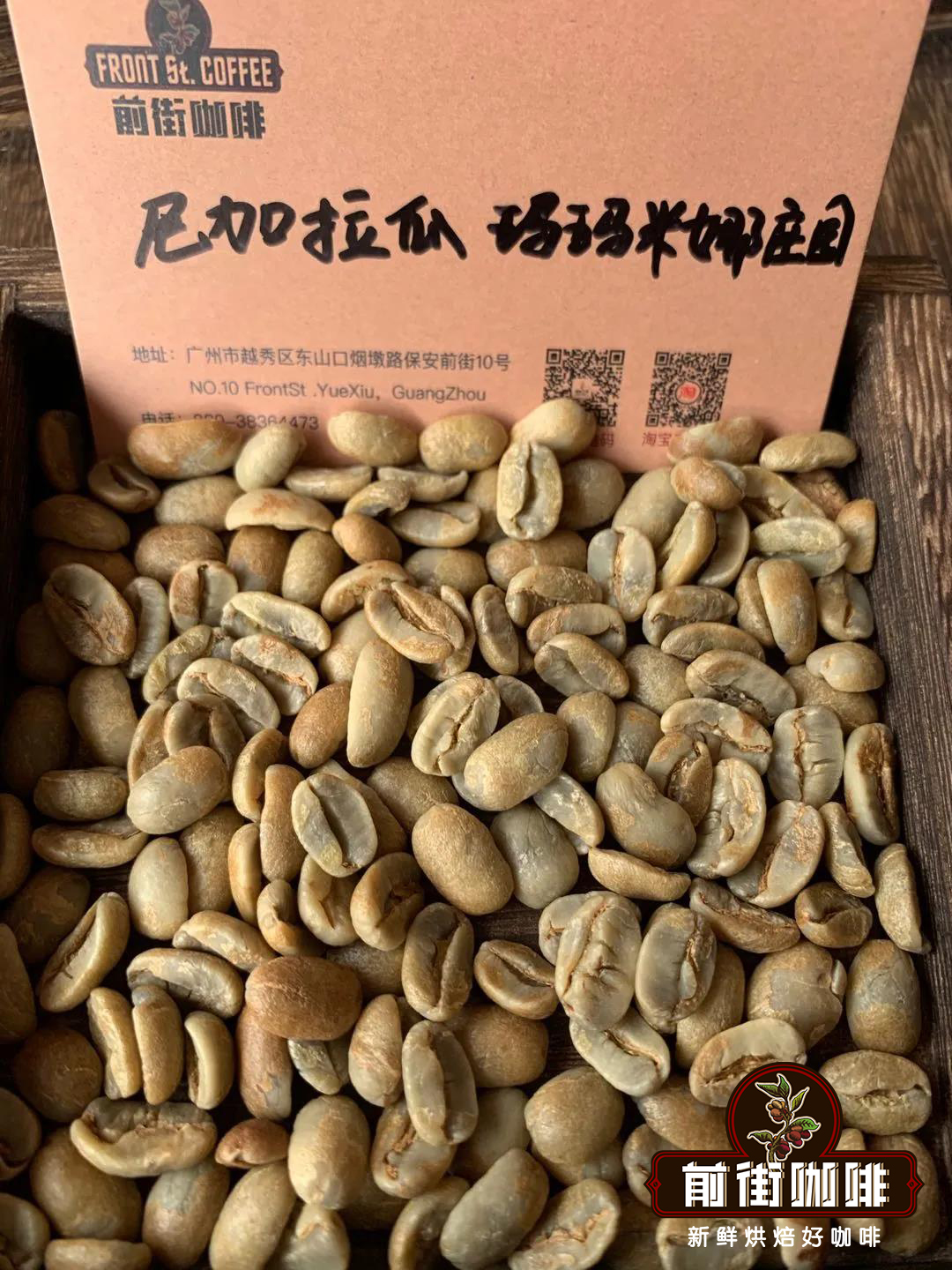
Robusta belongs to the Canephora species and is the only commercially successful variety within this group, accounting for approximately 20% of global production. These coffee beans usually have one seed per fruit, are more rounded in shape, and feature a straight “1”-shaped center cut. The raw beans appear yellowish-brown. Robusta is highly adaptable to various environments, capable of thriving in low-altitude and hot regions, with high yields and strong resistance to pests and diseases. Its caffeine content ranges from 2.7% to 4%, more than double that of Arabica. However, its flavor is often described as strong, harsh, and earthy, with notes of nuts, peanuts, or cereal, and some batches even exhibit a muddy taste. As a result, it is rarely used alone in specialty coffee but is commonly found in espresso blends to enhance body and crema.
Liberica is much rarer compared to the other two, making up only about 2% of global production, and is primarily grown in Asia and some Pacific islands. Its beans are distinctly long-oval or asymmetrical in shape, and its flavor is unique, often featuring woody, smoky, and faint floral notes. However, it enjoys relatively low overall acceptance, with limited market circulation, mostly serving as a niche collectible or regional specialty.
Among the many Arabica subspecies, there are also classic cultivars such as SL28 and SL34, jointly developed by the Kenyan government and Scott Labs. These varieties are renowned for their intense acidity, complex flavors, and high sweetness, making them particularly appealing to coffee enthusiasts who enjoy deep, bold profiles. Additionally, cultivars like Caturra, Catuai, and Pacas are widely planted in Central and South America due to their adaptability, stable yields, and solid flavor performance, forming the foundation for many micro-lots and refined processing methods.

In summary, understanding the three major coffee species and their representative subspecies not only helps consumers make more informed purchasing decisions but also enables them to better discern flavor cues during tasting. Whether you prefer the bright fruit acidity of Arabica, the bold intensity of Robusta, or want to explore the unique character of Liberica, you can find your own flavor experience in the diverse world of coffee.
The above content is compiled by CoffeeHunters, a coffee news website.


