







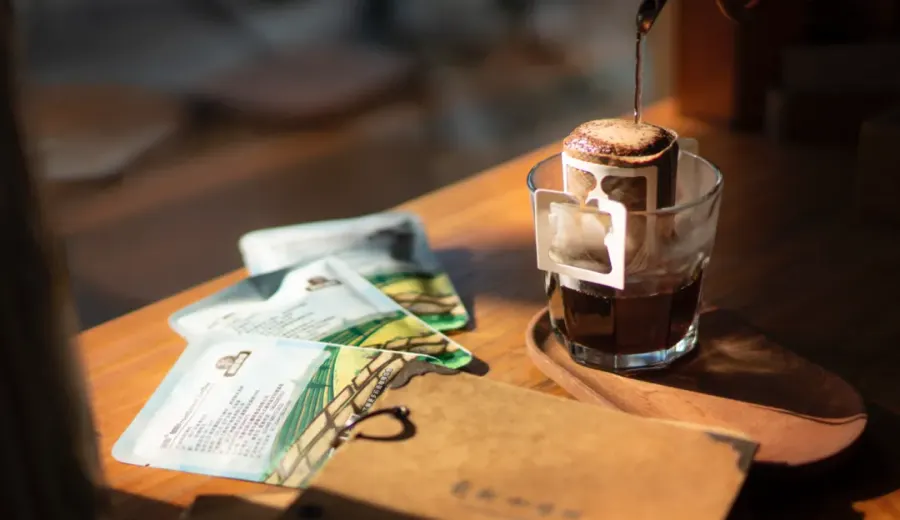
Introduction:Want to brew professional-grade drip bags at home? Grind size is the key. This article provides detailed grind settings for the EK43s and C40 grinders tailored to three major types of coffee beans—light to medium roast, medium to dark roast, and espresso blends. With data on sieve percentages and actual flavor profiles, it offers a complete guide from bean selection and grinding to making your own drip bags. Whether you're a pour over beginner or an advanced enthusiast, you'll master the tricks to stable extraction.
The extraction quality of drip coffee hinges on precise control of grind size. Coffee beans with different roast levels vary significantly in density and hardness, requiring appropriate grind adjustments to achieve ideal flow rate and flavor expression. Based on actual test data, this article compiles professional parameters for light to medium roast, medium to dark roast, and espresso blend beans, along with sieve percentage indicators, to help you adjust to the most suitable grind settings.
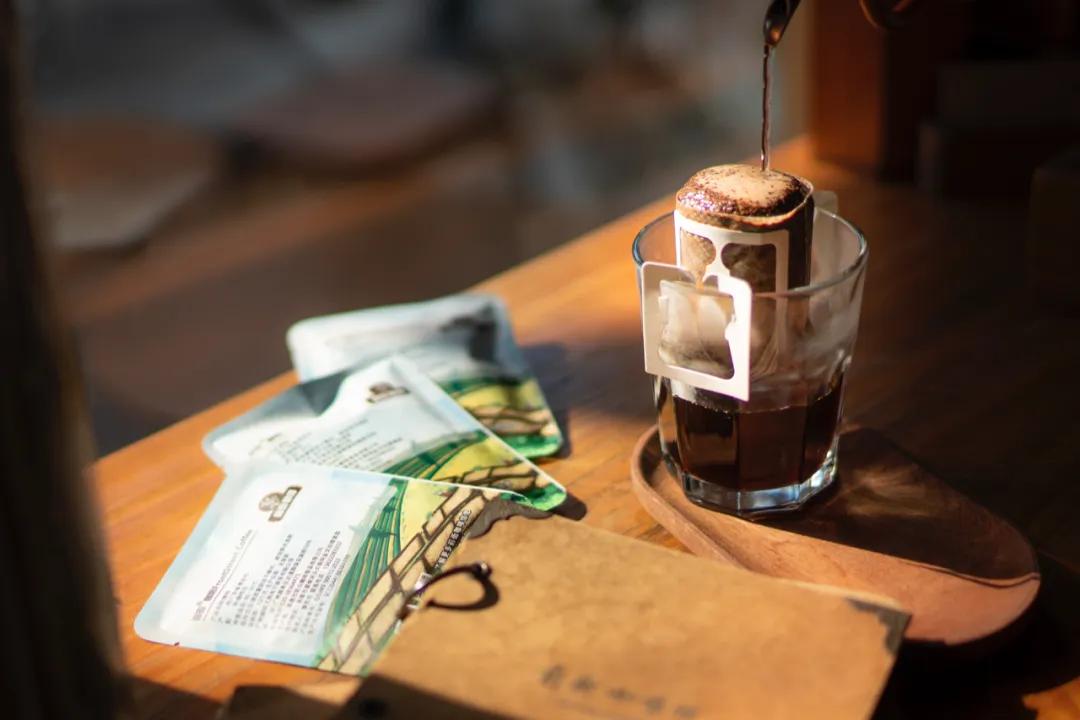
The equipment needed for making drip bags at home is minimal—just a grinder, drip filter bags, a digital scale, a sealer, and optionally a small spoon for scooping coffee powder. The first step is to choose your preferred coffee bean variety and set the grinder to the pour over grind range. It’s important to note that grind size directly affects water penetration speed—too fine may lead to over-extraction and bitterness, while too coarse may cause under-extraction and weak flavors.
For light to medium roasted coffee beans (such as renowned Yirgacheffe or sun-dried Huigui from famous regions), their flavor profiles often showcase bright citrus notes, honey layers, or a light tea-like character. It’s recommended to grind them to a consistency similar to fine sugar. When measured with a Chinese No. 20 standard sieve, the sieve percentage should be maintained at80%approximately. For specific mainstream machine settings: the electric EK43s should be set to10 notches, while the hand-cranked C40 should be adjusted to20 notches. This grind range balances extraction efficiency and flavor detail.
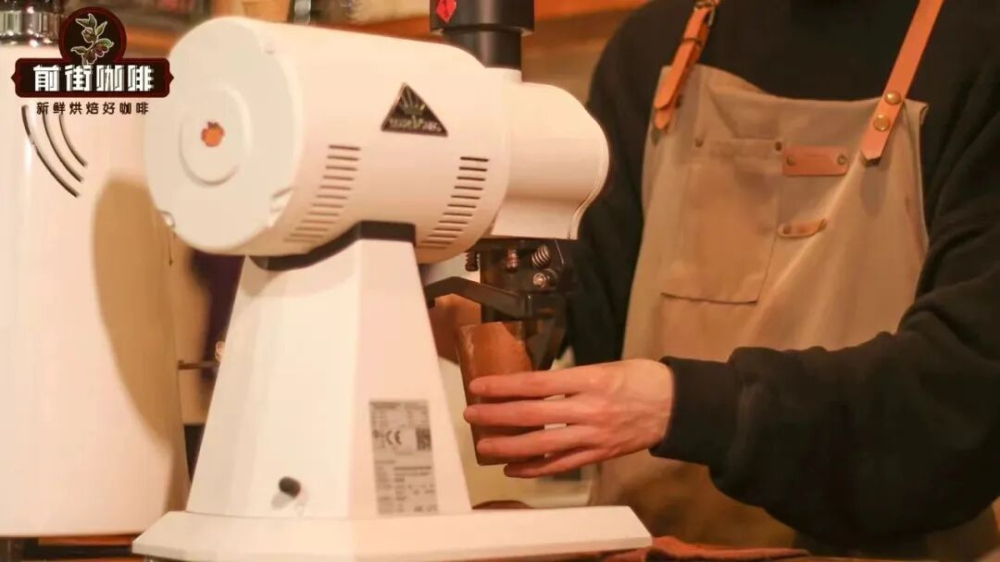
When selecting medium to slightly dark roasted beans (such as classic Mandheling or Brazilian Cerrado), their flavor characteristics shift toward nuttiness, caramel sweetness, and a rich chocolatey finish. In this case, the grind should be slightly coarser. Using the same No. 20 sieve for testing, the target sieve percentage is adjusted to75%. In practice, EK43s users should set the grind to10.5 notches, while the C40 hand-cranked grinder corresponds to24 notches. A moderate grind size helps bring out deep-roasted aromas while avoiding smoky off-flavors from over-extraction.
If you’re working with dark roasted espresso blends (check if the beans have an oily sheen), such as classic recipes that emphasize a bold body, a coarser grinding strategy must be employed.The sieve percentage is recommended to be lowered to 70%to prevent excessive release under high temperature and pressure. Reference machine settings: the EK43s should be set to11 notches, and the C40 to28 notches. The flavor focus of these beans lies in a deep cocoa base and layers of roasted spices, and a coarser grind effectively slows down the release rate.
A practical demonstration using the popular sun-dried Yirgacheffe Red Cherry: through a meticulous sun-drying process, this bean variety exhibits a rich berry-like sour-sweet texture. As the brewing water temperature changes, you can gradually capture everything from bright berry acidity and mature fruit fermentation aromas to a honeyed sweetness and smooth black tea-like body in the aftertaste. Practical tests show that a fine sugar-like granularity (EK43s10 notches) perfectly highlights its multi-layered flavor structure.
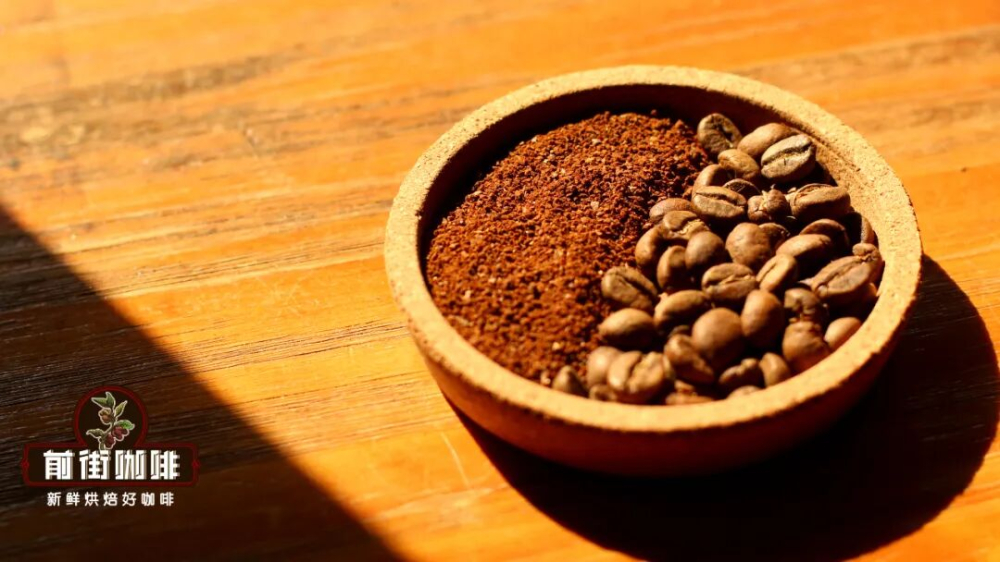
Moving on to the homemade drip bag process: first, weigh the ground coffee on a precision digital scale (a standard single serving is recommended to be10 grams), then open the drip filter bag to form a neat square opening. Use the dedicated small spoon to scoop the coffee powder steadily, ensuring even distribution to avoid channeling. After filling, seal the top edge of the filter bag with an electric sealer—be sure to control the temperature carefully, starting from a low setting and gradually increasing to prevent damaging the non-woven fabric structure with excessive heat.
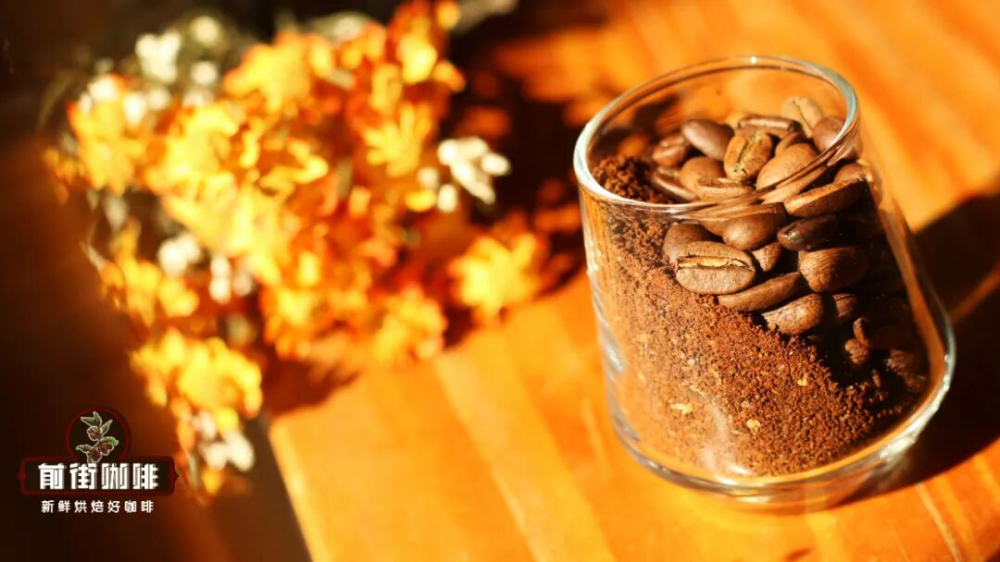
Regarding storage, it is recommended to keep the finished drip bags in an airtight aluminum foil composite bag, stored in a light-free and temperature-stable environment. Depending on the roast level, the optimal flavor shelf life varies: light roast varieties can maintain2 to 3 weeksof freshness, medium roast is best consumed within about2 weeks, and dark roast products are advised to be consumed within2 weeks. The key is to minimize air exposure and humidity fluctuations to lock in the refined aromatic essence of the coffee.
The above content is compiled by CoffeeHunters, a coffee news website.


