







Introduction:Want to enjoy a refreshing iced coffee on a hot summer day? This article provides an in-depth breakdown of the preparation processes and key differences among three popular cold brew methods — ice drip, cold brew, and cold extraction (cold drip). It offers professional-grade parameters such as coffee-to-water ratio, grind size, and extraction time, and recommends suitable coffee bean types based on different flavor preferences to help you easily recreate café-quality iced coffee at home.
On a sweltering summer day, a chilled iced coffee is often the go-to choice for many to beat the heat. While commonly available options like ice drip, cold brew, and cold extraction coffee all use low-temperature brewing methods, they differ significantly in terms of brewing process, flavor characteristics, and best-use scenarios. This article will guide you through the detailed preparation steps of these three cold brewing methods and analyze their unique flavor profiles, helping you find the one that best suits your personal taste.
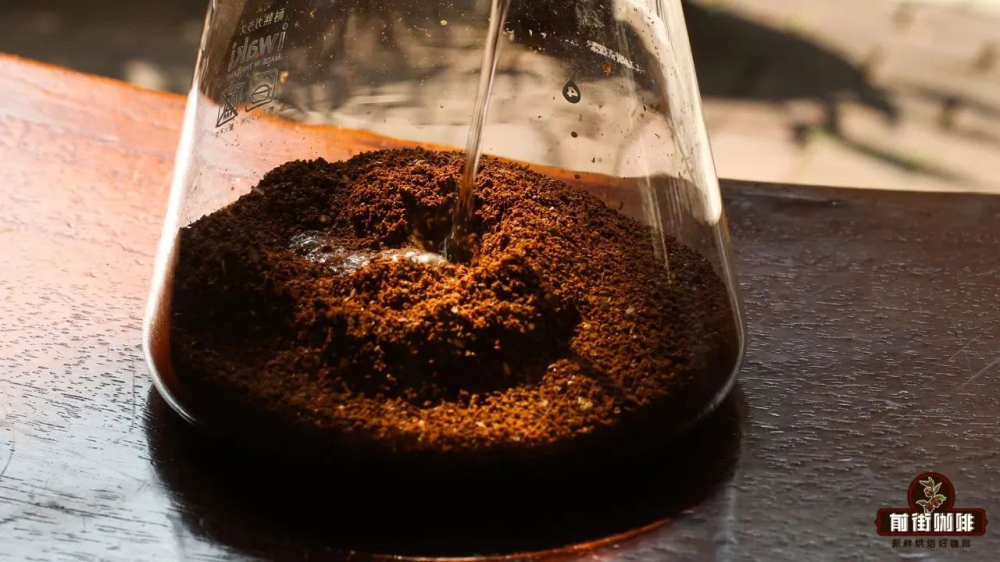
First, let’s focus on ice drip coffee — a relatively intricate brewing method that yields a richly layered flavor. This extraction technique involves using specialized equipment to allow melted ice water to slowly drip through a bed of coffee grounds over several hours, gradually extracting the essence of the coffee.It is recommended to use 60 grams of medium-roast coffee beans, with a grind size controlled to approximately 85% passing through a Chinese standard No. 20 sieve. The coffee-to-water ratio should be set at 1:10.The overall extraction time ranges between 6 to 8 hours. A special tip: after laying out the coffee grounds, you can cover them with a round filter paper to prevent localized over-extraction caused by the impact of dripping water, ensuring each coffee particle is evenly exposed to the water droplets for a more balanced extraction.
Regarding equipment setup, a typical ice drip system mainly consists of five components: a water reservoir, a flow control valve, a coffee powder chamber, a serpentine tube, and a coffee collection bottle. During operation, first place ice cubes and room temperature water in the upper water tank, and precisely adjust the drip rate to one drop every 3 seconds. This slow and steady extraction method effectively suppresses the release of overly bitter substances while promoting the concentration of fruity acidity and floral aromas. Notably, some professional shops will refrigerate the brewed coffee liquid for an additional 12 hours after filtration to allow further flavor integration and fermentation.
If you find ice drip equipment too specialized, you might prefer the simpler method of making cold brew coffee. All you need is a sealable glass jar or a dedicated cold brew bottle.Similarly, use 60 grams of coffee grounds with a 1:10 coffee-to-water ratio, maintaining a fine-medium grind with about 85% passing rate.After thoroughly mixing the coffee grounds with room temperature water, place the mixture in the refrigerator to steep for 8 to 12 hours to complete the extraction. The biggest advantage of this method is its low barrier to entry, making it suitable for everyday home use, and it preserves more sweetness and citrusy notes.
When comparing the flavor profiles of the three cold brewing methods in depth, cold brew coffee, which uses low-temperature water throughout the entire process, effectively suppresses the release of tannins and large-molecule bitter substances. It generally presents pronounced berry-like acidity, honey-like sweetness, and a tea-like aftertaste.It is recommended to prioritize medium-light roasted coffee beans, especially those from regions known for bright acidity and fruity-floral profiles.For example, African-origin beans or those processed with special methods can highlight the flavor advantages of cold brew techniques.
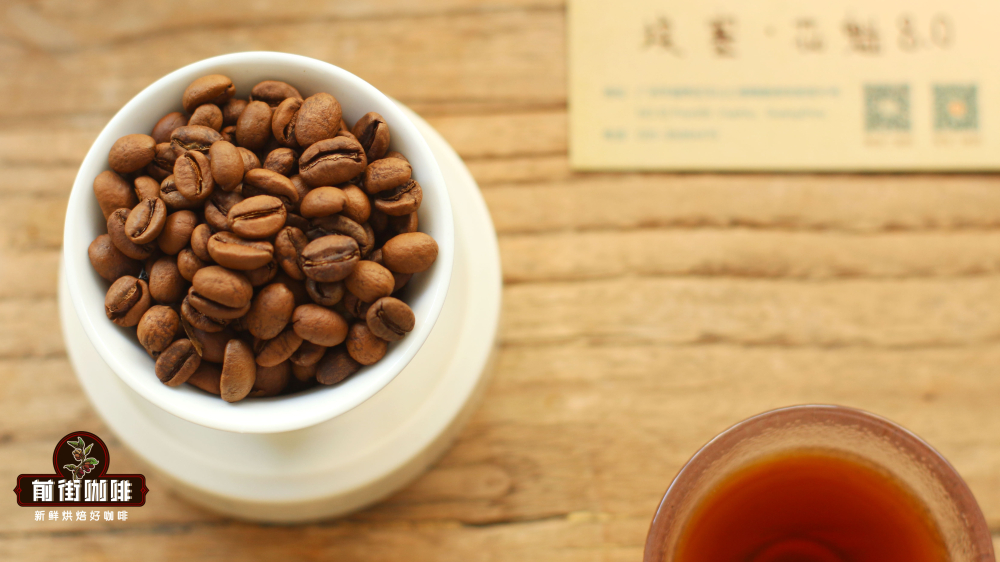
In terms of coffee bean selection, it is particularly recommended to try two specialty beans: Kenya AA Assaliya and Honduras Sherry. The former, processed via the K72 washed method, often exhibits a vibrant tomato-like acidity with a sweet finish and a red wine-like trailing note, making it especially suitable for ice drip brewing; the latter undergoes a 30 to 40-day low-temperature fermentation in sherry whiskey barrels, with strict light-control during the drying process, resulting in a rich aroma of vanilla cream and dark cocoa. When cold brewed, it delivers a whisky-like full-bodied texture and smooth mouthfeel, beloved by coffee aficionados.
Several key details deserve special attention during the brewing process: regardless of which cold brew method you choose, it is advised to use freshly roasted coffee beans (the ideal period being 7–21 days post-roast), and to begin extraction as soon as possible after grinding to avoid aroma loss; the refrigeration environment should remain consistently cool (around 4°C is recommended) to prevent the growth of microbes that could affect flavor; during the filtering stage, you can use filter cloth, filter paper, or a fine mesh strainer to ensure all coffee grounds are completely separated. In addition, it is recommended to let the finished coffee liquid sit in the refrigerator for 12 hours before drinking, allowing the flavor compounds to fully integrate and reach optimal balance.

In summary, ice drip coffee is ideal for coffee enthusiasts who pursue extreme flavor complexity and a sense of ritual, as its slow dripping process fully showcases the coffee’s delicate aromas and complex acidity; cold brew coffee excels in ease of preparation, making it suitable for daily bulk production while retaining rich sweetness; and traditional cold extraction, with its low-temperature brewing characteristic, highlights fruity and floral notes while suppressing bitterness. Depending on your personal flavor preferences and equipment conditions, choosing the most suitable cold brew method allows you to enjoy café-grade iced coffee even in the hot season.
The above content is compiled by CoffeeHunters, a coffee news website.


