







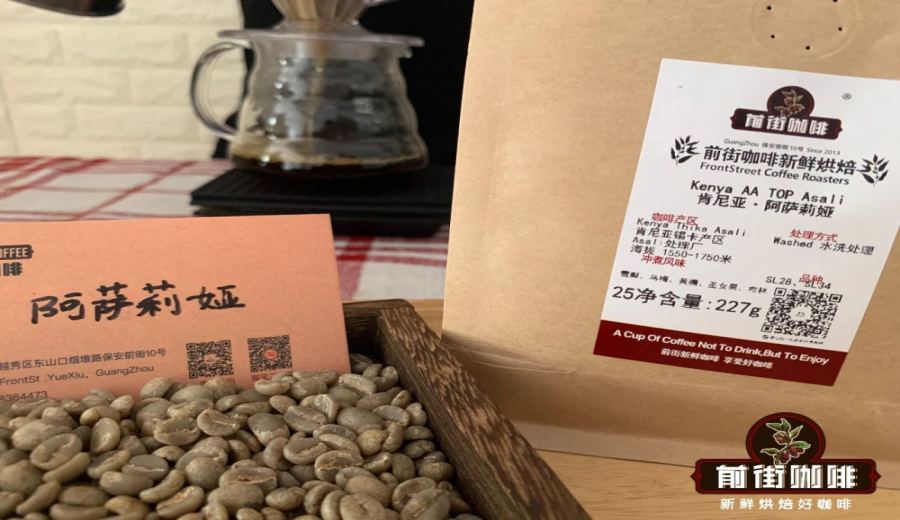
Introduction:Kenyan coffee is renowned for its bright acidity and complex layers, with grades such as AA and PB being top choices for many coffee enthusiasts. But what do these letters actually mean? And how do their flavors differ? This article delves into the official Kenyan coffee bean grading system, explaining each level from E to T in detail, and focuses on the PB peaberry from the Ichamama washing station in the Nyeri region. It also provides practical roasting and pour over parameters to help you grasp the refined flavor profile of Kenyan coffee.
Kenyan coffee holds a unique position in the global specialty coffee market, particularly known for its clear grading system and high-quality green beans. Many consumers often see labels like ‘AA’ or ‘PB’ when shopping, yet have only a vague understanding of their definitions and differences. This article will systematically introduce the Kenyan coffee bean grading system and, through real-world examples, compare the characteristics of the two premium grades — AA and PB — while also offering practical advice on roasting and pour over brewing.
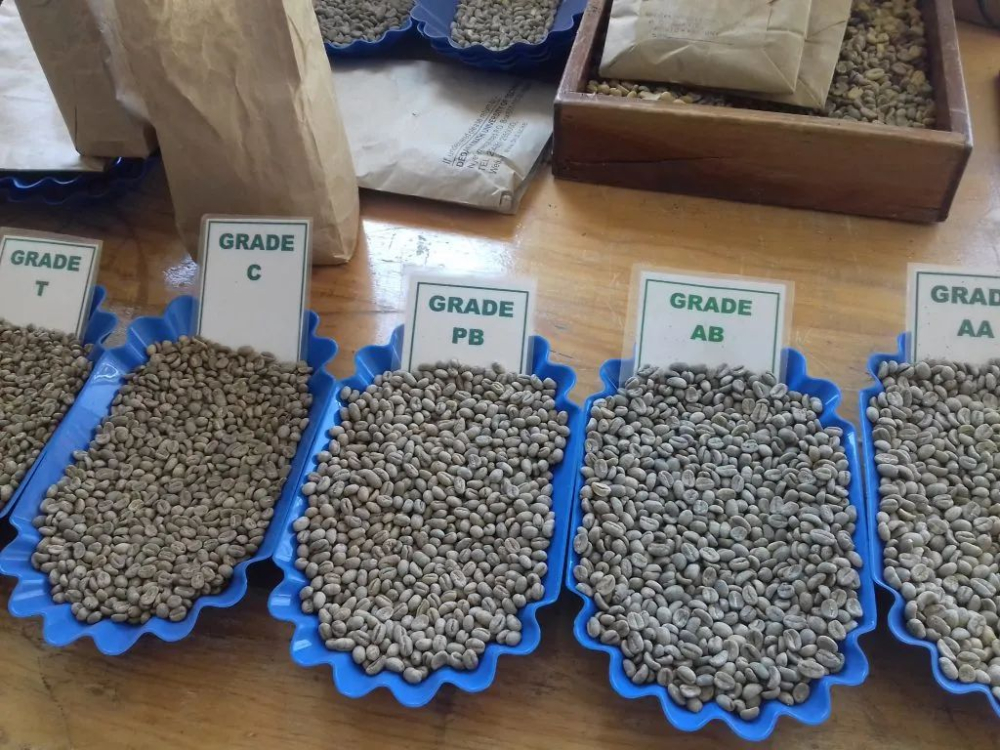
The grading of Kenyan coffee is primarily based on bean size and density, aiming to ensure even heat distribution during roasting and thus bring out the best flavors. Common grades include E, PB, AA, AB, C, TT, T, as well as MH/ML. Among them, Grade E refers to the largest beans, known as ‘elephant beans,’ while PB (Peaberry) refers to the rare occurrence—about 5%—where only one round coffee bean develops inside the coffee cherry instead of the usual two. In contrast, Grade AA beans have a diameter of 18 mesh, typically grown at altitudes above 1,700 meters, and are considered the highest quality representation of Kenyan coffee.
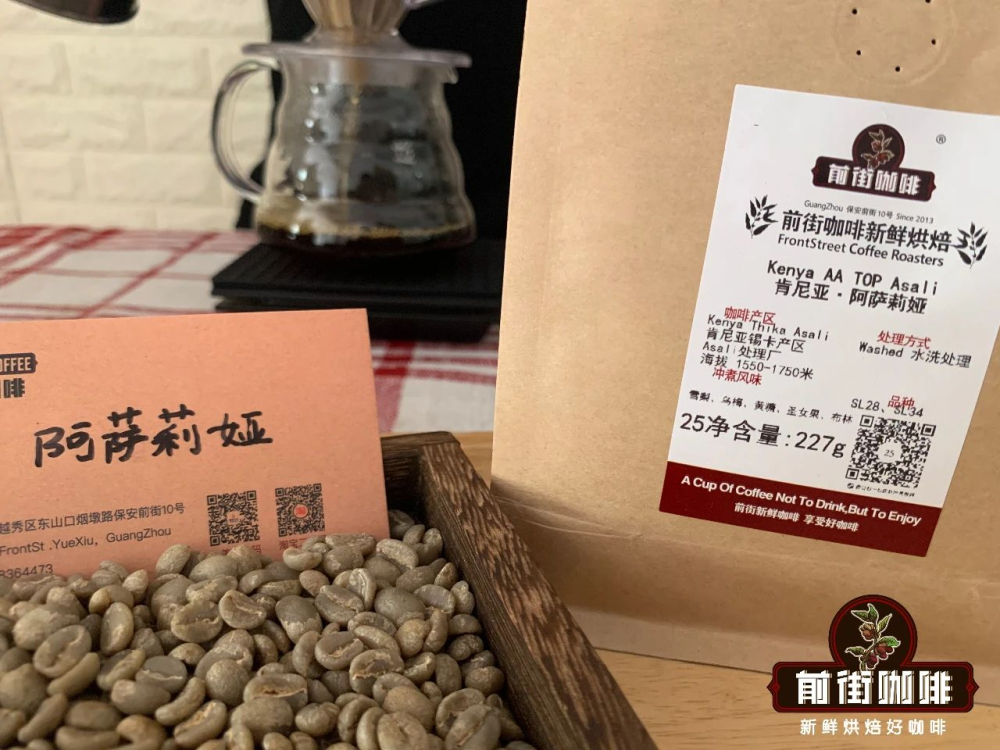
Beyond AA and PB, Kenyan coffee includes several other important grades. Grade AB is a blend of A (16 mesh, 6.8 mm sieve) and B (16 mesh, 6.2 mm sieve), representing the next tier of high-quality beans; Grade C has a size of about 15 mesh and is slightly lower in quality than AB; Grade TT consists of low-density beans separated from Grades AA, AB, and E, often affected by insufficient density that impacts roasting consistency; Grade T includes broken beans or those with obvious defects; and Grades MH/ML refer to underripe beans, which often exhibit relatively bland flavor profiles. Understanding these grades helps consumers make more accurate purchasing decisions.
Taking a real-world example, a PB peaberry from the Ichamama washing station in Kenya’s Nyeri region showcases the unique charm of this special grade. The beans come from the Othaya Farmers' Cooperative Society and are grown at altitudes between 1,700 and 1,750 meters, with the classic SL28 and SL34 varieties. The mineral-rich volcanic soil, along with the high-altitude climate, causes the coffee cherries to ripen slowly, aiding in the accumulation of flavor compounds. The processing method includes water sorting, washed processing, and drying on African raised beds, resulting in overall stable and promising quality.
A coffee team designed multiple roasting profiles for this PB peaberry to fully unlock its potential flavors. Since peaberries heat evenly but have lower heat penetration in the roaster, special attention must be paid to transferring heat to the bean core. The team tried four methods: FSSF (fast in, slow out), enhancing Maillard reactions by increasing heat at the yellowing stage, boosting caramelization by adding heat at the browning stage, and SSFF (slow in, fast out). Ultimately, they found that moderately extending the drying time and increasing heat at the browning stage and just before first crack significantly enhanced berry flavors, while bringing out a steady wine-like acidity and a rich mouthfeel.
For further comparison, the team also brewed a cup of Kenyan AA-grade coffee using the same parameters. These beans come from the Ndima-ini washing station in Nyeri, also using the SL28 and SL34 varieties and undergoing 80 hours of K72 washed processing, highlighting an even brighter acidity. It is recommended to use a V60 dripper, water temperature at 90°C, a 1:15 powder-to-water ratio, grind size at around 77% passing rate through a standard 20-mesh sieve, and a step extraction method: start with a 30-second bloom using 30 grams of water, then pour in small streams up to 125 grams for the first pour, and finally continue pouring to 225 grams to complete the extraction, with a total brew time of about 2 minutes. These parameters fully showcase the distinctive bright acidity and dark berry flavors of Kenyan AA beans, which shift to grape and plum-like acidity when served cooler, delivering a layered taste with a long-lasting finish.
Overall, Kenyan PB peaberries and AA-grade beans each have their own unique characteristics. PB peaberries offer a relatively softer profile, with distinct berry tones and more restrained acidity, making them ideal for those who prefer a smoother mouthfeel. In contrast, AA-grade beans are known for their vibrant acidity and complex berry aromas, presenting a more intense expression. Regardless of which grade you choose, understanding its grading background, processing features, and suitable brewing methods can help coffee enthusiasts more deeply experience the refined flavors of Kenyan coffee.
The above content is compiled by CoffeeHunters, a coffee news website.


