







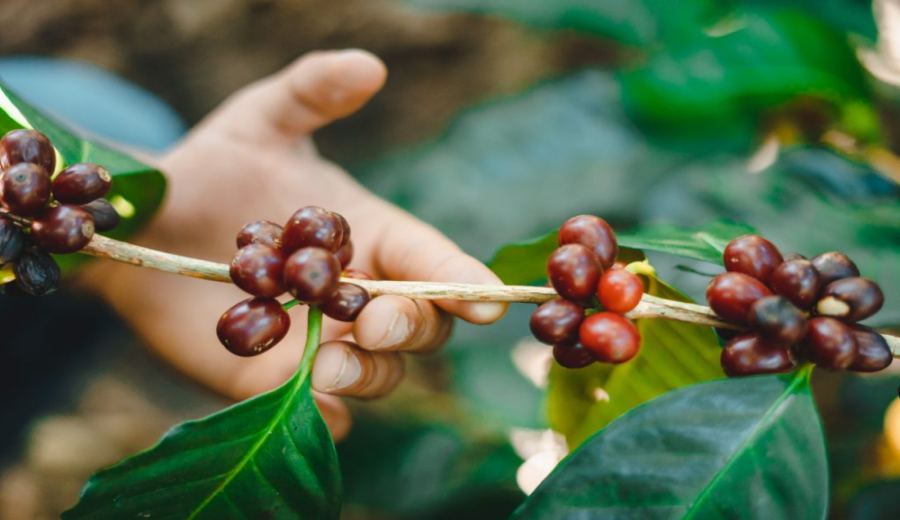
Introduction:This article provides an in-depth analysis of the characteristics of the two major coffee species—Arabica and Robusta (Canephora)—from their botanical origins to the distribution of varieties in major global producing regions, the influence of altitude, and differences in processing methods. It also introduces the flavor profiles and representative varieties of Brazil, Colombia, Ethiopia, Kenya, Panama, Guatemala, Costa Rica, Jamaica, Indonesia, and other regions, helping coffee beginners build a systematic understanding from variety to origin and grasp the key elements of selection and appreciation.
For those new to the world of coffee, one of the most common questions is: What exactly is the difference between Arabica and Robusta (i.e., Canephora)? What roles do they each play in terms of flavor, quality, and suitability? Starting from botanical classification, this article comprehensively outlines the global distribution, production share, disease resistance, and flavor profiles of these two mainstream coffee varieties, and takes readers deep into representative producing regions such as Brazil, Colombia, Ethiopia, Kenya, Panama, Guatemala, Costa Rica, Jamaica, and Indonesia to analyze the composition of local main varieties and their unique flavor directions.
At the same time, the article retains actual parameter descriptions and flavor characteristics of representative everyday beans from each producing region, helping readers establish a complete cognitive framework from variety genetics to regional terroir. Whether choosing your first pour over bean or exploring the depth of specialty coffee, you’ll have a solid reference.
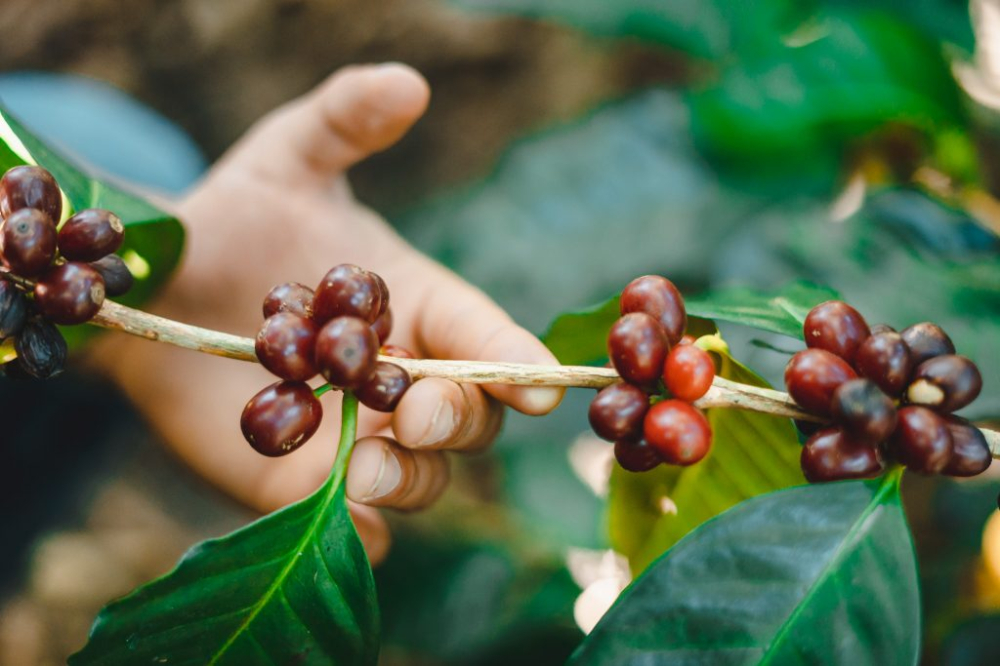
The Definition and Status of Arabica Coffee
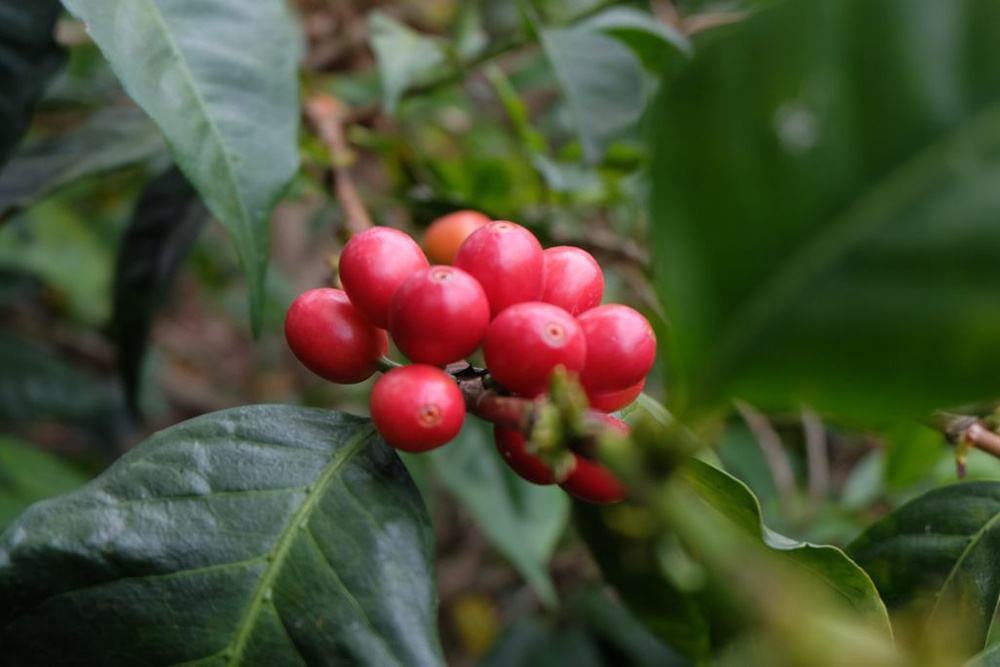
From a botanical classification perspective, there are approximately 80 confirmed species within the genus Coffea, among which three are primarily cultivated for drinking: Arabica, Robusta (i.e., Canephora), and Liberica. In the daily market, Arabica is mostly used to produce single-origin or specialty coffee, while Robusta is commonly found in instant coffee or commercial blends. Although Arabica is generally considered a higher-grade coffee and Robusta a lower-tier one, the actual choice should depend on individual taste preferences.
For example, consumers in the United States and Japan prefer the light flavors produced by Arabica brewing, while Europe often blends Arabica with Robusta to make espresso. Arabica is native to Ethiopia and is now grown in many countries in southern Africa, Africa, and Asia, accounting for about 70% to 75% of global coffee production. It has relatively weak resistance to pests and diseases, so it is suitable for high-altitude cultivation (especially above 1500 meters), and the cost is relatively higher.
Arabica’s flavors and aromas are balanced and elegant. Three well-known bean varieties—Hawaiian Kona, Jamaican Blue Mountain, and Yemeni Mocha—all belong to this species. Its sub-variety “Typica” possesses premium acidity and, as the oldest variety, exhibits outstanding genetic performance. In addition, Arabica has derived numerous sub-varieties through natural mutation or hybridization, such as Typica, Bourbon, and Geisha, offering a high degree of diversity in quality and flavor.
Global Representative Arabica Producing Regions and Flavor Characteristics

Brazil: A Major Arabica Producer with Stable Supply
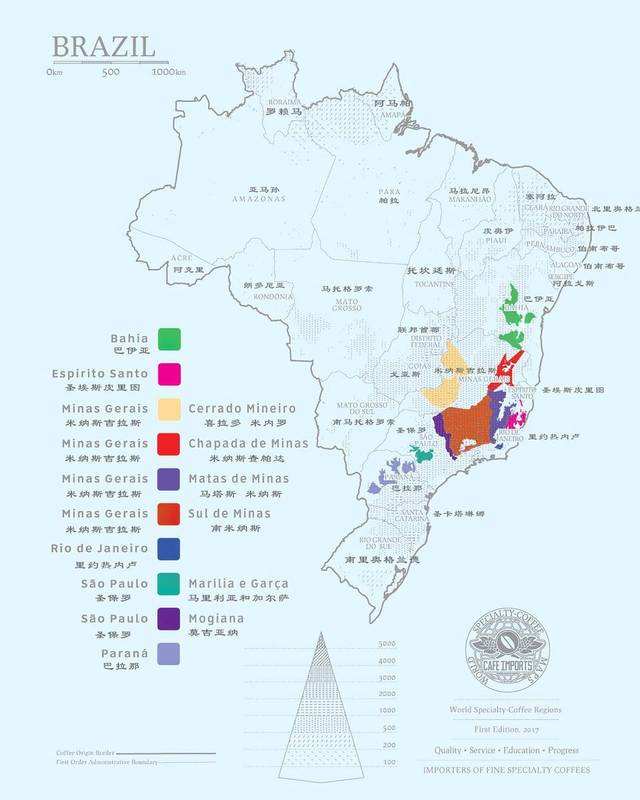
Brazil is the world’s largest producer of Arabica beans, accounting for about one-third of global production and having a significant impact on international coffee market prices. The main producing regions are concentrated in Minas Gerais, São Paulo, and Paraná states. In recent years, due to frost damage in the south, planting areas have gradually shifted northward, with the introduction of irrigation and mechanized equipment. The region mainly grows the ancient variety Bourbon (especially Red Bourbon), along with disease-resistant varieties such as Mundo Novo and Catuai.
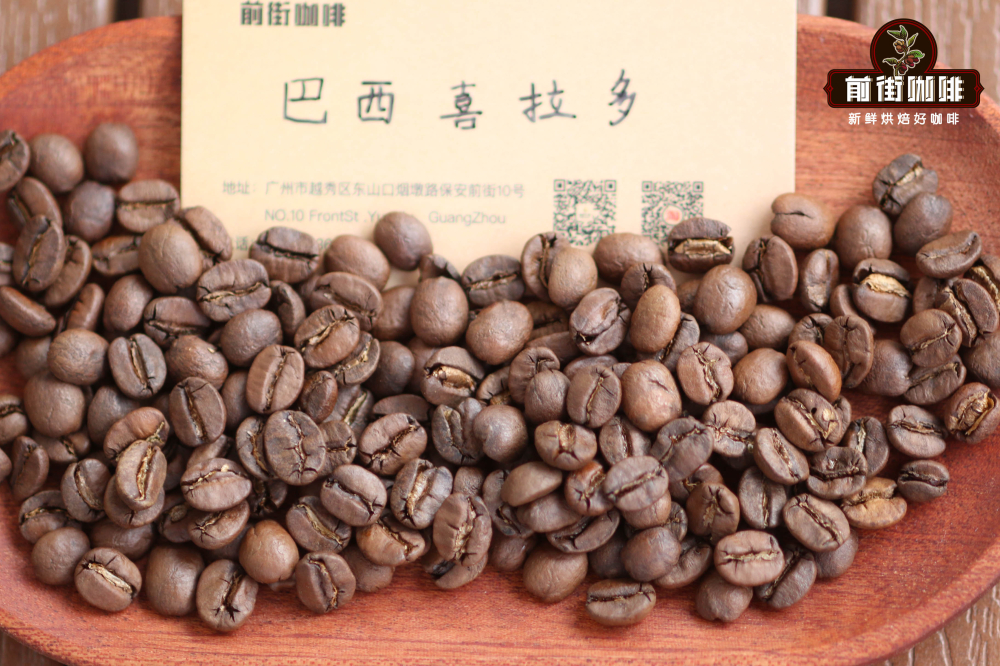
Brazilian coffee typically features low acidity, a smooth and full body, and a comfortable aftertaste. The Red Bourbon from the Cerrado region (at an altitude of 1000 meters), processed via pulped natural (semi-washed), showcases notes of nuts, chocolate, cream, and caramel, making it a classic choice for beginners to understand Brazilian flavors.
Colombia: High Altitude Diversity with Year-Round Harvests
Colombian coffee is grown in the Andes Mountains (average altitude of 3660 meters), mostly distributed on slopes at 1300 meters, with diverse terroirs enabling year-round harvests. The local official organization FNC actively promotes specialty coffee, using shade trees, hand-picking, and water-saving equipment. The main variety, Caturra (a natural mutation of Bourbon), is high-yielding and adaptable, with better flavors at higher altitudes.
The washed Caturra from the Huila region (at an altitude of 1500–1800 meters), a representative producing area, presents notes of nuts, dark chocolate, and soft fruit acidity, with a clean and full-bodied taste, exemplifying the typical flavor of Colombian specialty beans.
Ethiopia: The Birthplace of Coffee and a Treasure Trove of Native Varieties
As the birthplace of coffee, Ethiopia boasts an extremely rich variety of resources. However, since most are grown by smallholders and processed in blends, export beans are usually collectively referred to as “Heirloom native varieties.” The region generally exceeds an altitude of 1800 meters, with Yirgacheffe (at 1800–2000 meters) being particularly famous. Its washed processing method delivers bright citrus, lemon acidity, and jasmine floral notes, with a uniquely refreshing and refined flavor.
A well-known coffee brand’s representative everyday bean, washed Yirgacheffe, showcases a floral and fruity tea-like profile when lightly roasted, making it an ideal entry point for understanding Ethiopian flavors.
Kenya: High Acidity with Bright Berry Notes
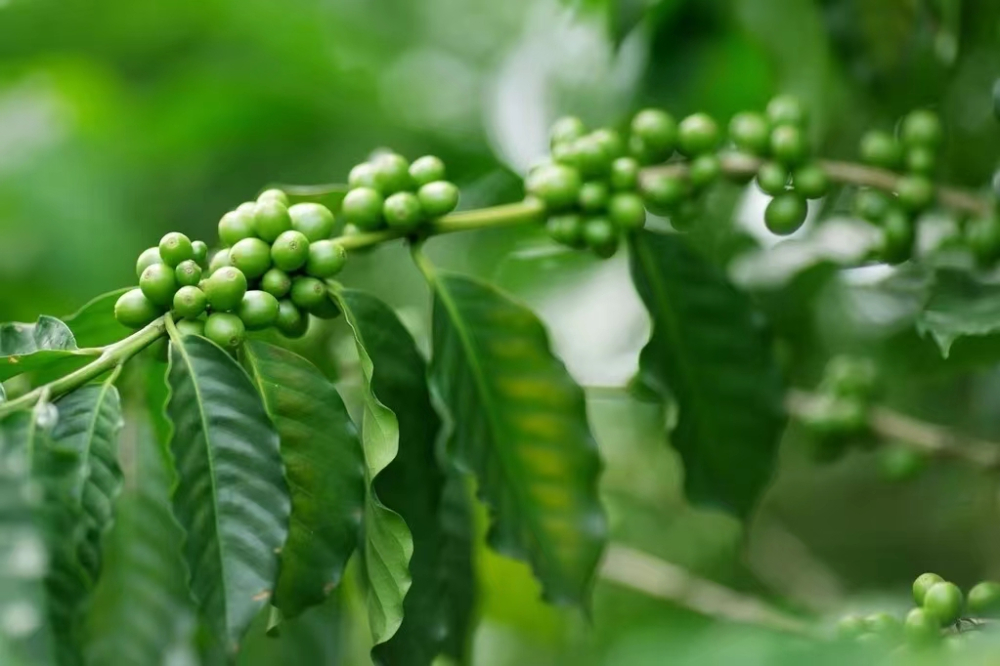
Kenyan coffee is renowned for its two major varieties, SL28 and SL34, which feature a flavor foundation of high acidity and rich juiciness, making them suitable for summer iced drinks. SL28 originates from Bourbon, Typica, and Mocha, adapting well to medium-to-high altitudes, while SL34 offers complex acidity and high sweetness. The washed beans from the Kirinyaga region (at an altitude of 1550–1750 meters) exhibit unique flavors such as pears, black plums, plums, and cherry tomatoes.
Panama: The Flavor Legend of Geisha
Panama is globally renowned for the Geisha variety, which originated in the Gesha Forest of Ethiopia in 1931 and was introduced to Panama in the 1970s. It requires high altitudes and a cloudy environment. The Red Label Geisha from Hacienda La Esmeralda (processed via natural drying, at an altitude of 1700+ meters) showcases notes of lemon, honey, berries, and citrus, with a long-lasting aftertaste, making it a classic representative in the specialty coffee world.
A Quick Look at Other Representative Producing Regions
Guatemala (Huehuetenango region, at an altitude of 1500–2000 meters) mainly grows varieties such as Bourbon and Catuai, with washed processing bringing out flavors of citrus, lemon peel, and nuts; Costa Rica (Tarrazú region, at an altitude of 1500 meters) prohibits the planting of Robusta, with Caturra and Catuai yielding flavors of honey, toffee, and nuts; Jamaica Blue Mountain (at an altitude of 1310 meters) is famous for Typica, with washed processing delivering a balanced flavor of citrus, nuts, and dark cocoa; Indonesia (Sumatra Lintong region, at an altitude of 1100–1600 meters) mainly produces Robusta (accounting for 90%), with a minority of Arabica varieties such as Ateng TimTim showcasing low acidity and high body through the wet-hulled method.
The above content is compiled by CoffeeHunters, a coffee news website.


