








Introduction:An in-depth exploration of the Red Cherry Project, initiated by a Dutch green coffee importer, and how its high-standard procurement mechanism enhances the quality of Ethiopian coffee. This article spotlights two Yirgacheffe Red Cherry beans from a certain coffee brand—natural and red honey processed—analyzing their unique flavor profiles, and practically testing both the one-pour and three-pour brewing methods to help you master the key knowledge of specialty coffee, from regional terroir to extraction details.
As a global golden region for specialty coffee, Ethiopia’s Yirgacheffe is renowned for its unique high-altitude terroir that produces captivating flavors blending citrus and floral notes. The small coffee town within this region benefits from a consistently warm and humid environment provided by Lake Turkana and surrounding water systems, as well as fog regulation characteristic of the rift valley, creating optimal conditions for coffee tree growth. This article will focus on the Red Cherry Project launched by a Dutch green coffee importer, analyzing how it promotes coffee farmers to improve processing quality through carefully selecting ripe fruits and offering higher purchase prices. At the same time, it compares two Yirgacheffe Red Cherry beans from a certain coffee brand—using different processing methods (natural and red honey)—and explores the subtle differences in their flavor expression and pour-over brewing.
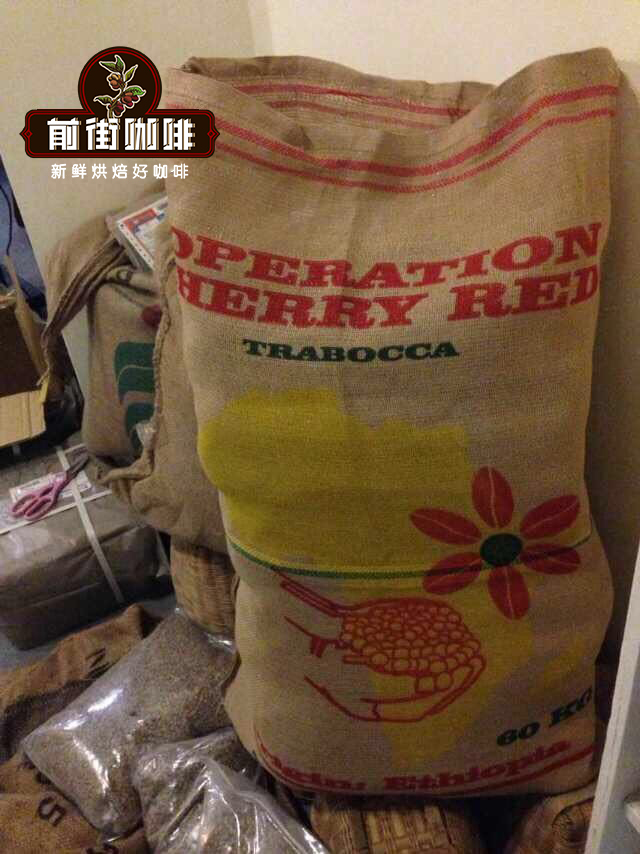
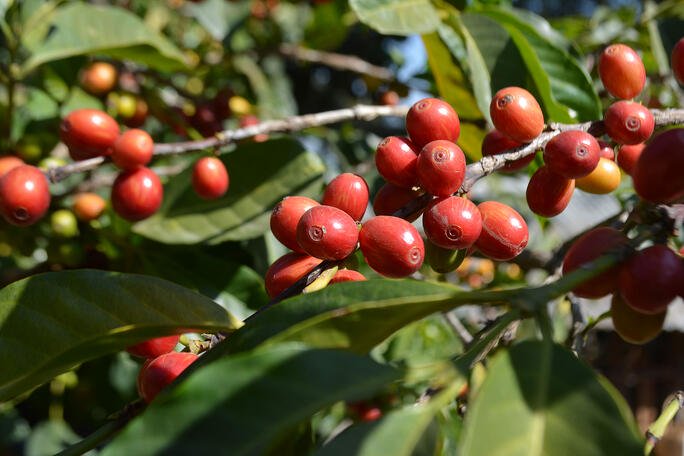
Many consumers, when tasting the Yirgacheffe Red Cherry series from a certain coffee brand, often wonder, “Does Red Cherry refer to a specific cooperative?” In fact, this is not a place name, but rather a quality improvement program initiated by a Dutch green coffee importer in the early 2010s. The core of the project lies in directly collaborating with high-quality coffee farmers across Ethiopia, committing to purchasing strictly selected green coffee beans at prices above the market average—especially emphasizing the manual harvesting of ripe red cherries and regulating detailed standards for processing procedures. This source-intervention model not only stabilizes farmers’ income but also ensures that the coffee beans entering the international market maintain a consistently high standard of flavor.
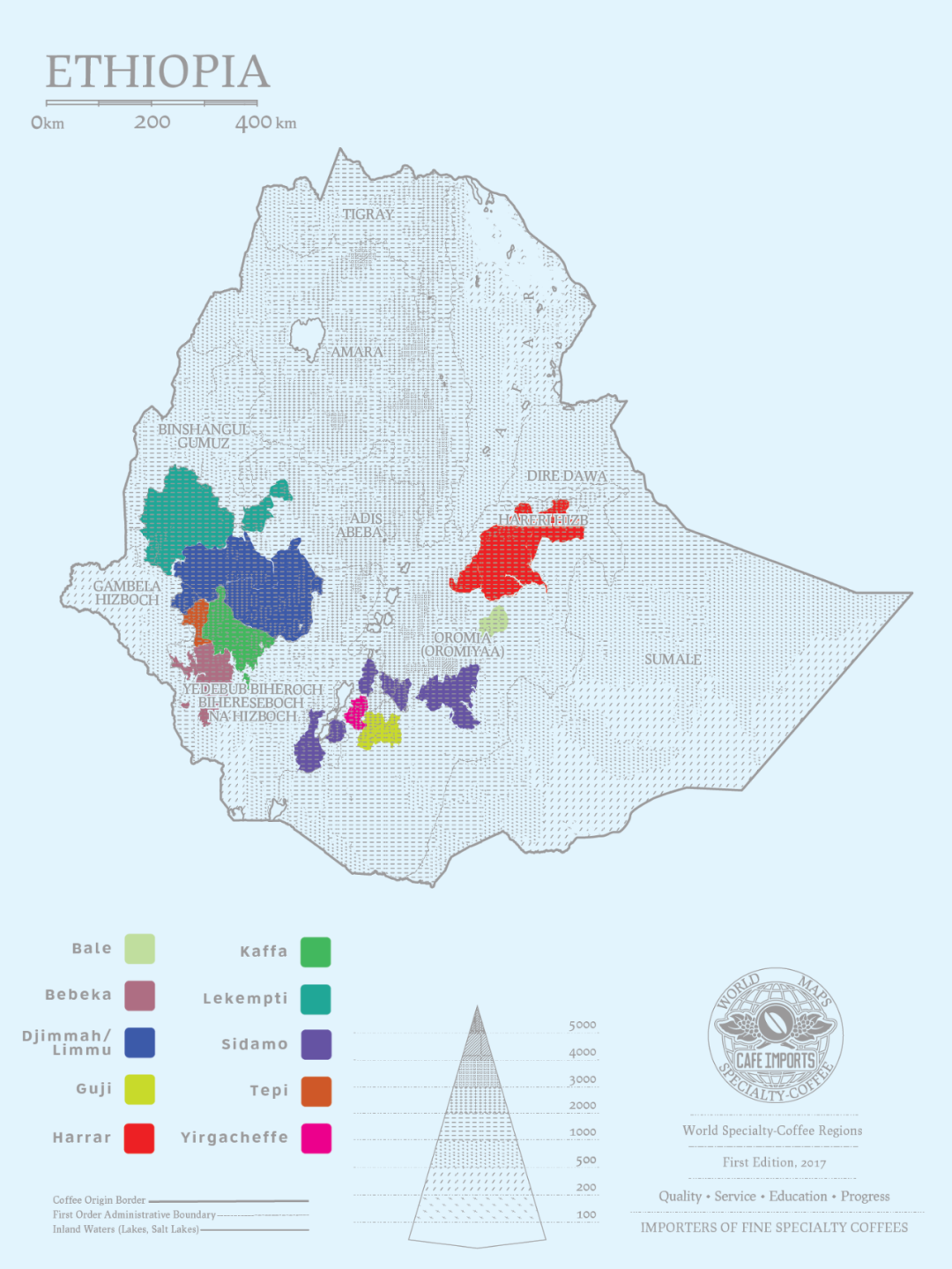
The Yirgacheffe region is located in southern Ethiopia, with altitudes generally ranging between 1,700 and 2,100 meters, and some micro-regions even exceeding 2,200 meters, making it one of the highest-altitude coffee-growing belts in the world. This area not only enjoys abundant moisture from Lake Turkana, Lake Abaya, and Lake Chew Bahir, but the unique spring-like climate of the fog valley—cool breezes and constant humidity—also allows thousands of native coffee trees to thrive in mineral-rich volcanic soil. Notably, local coffee farmers traditionally practice forest intercropping or home-garden cultivation, where coffee trees coexist with other crops. This natural environment gives rise to coffees that often exhibit pronounced floral aromas, fruity acidity, and a balanced sweetness.
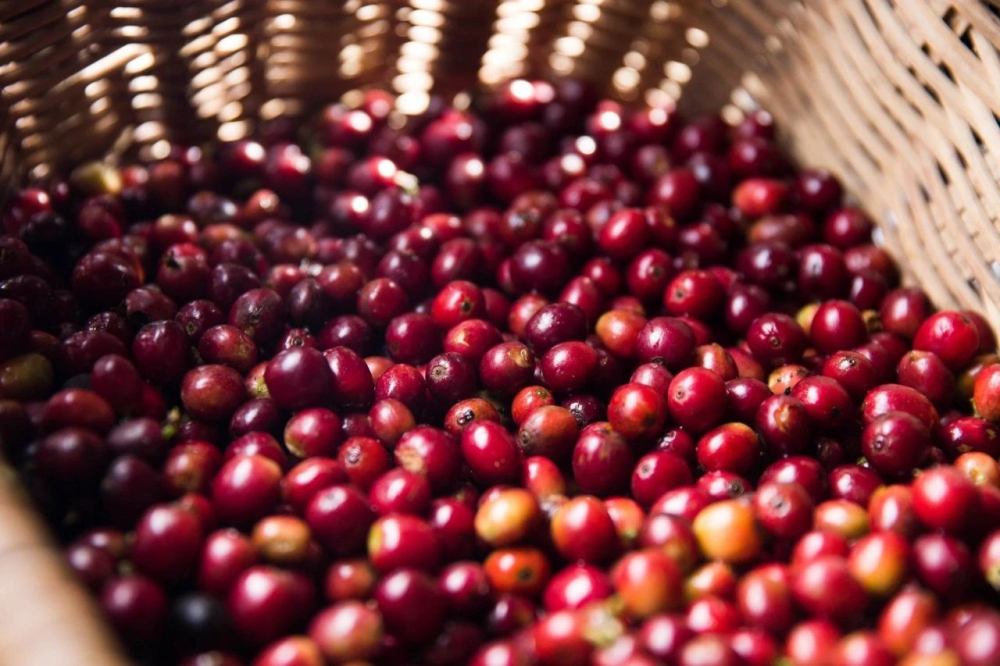
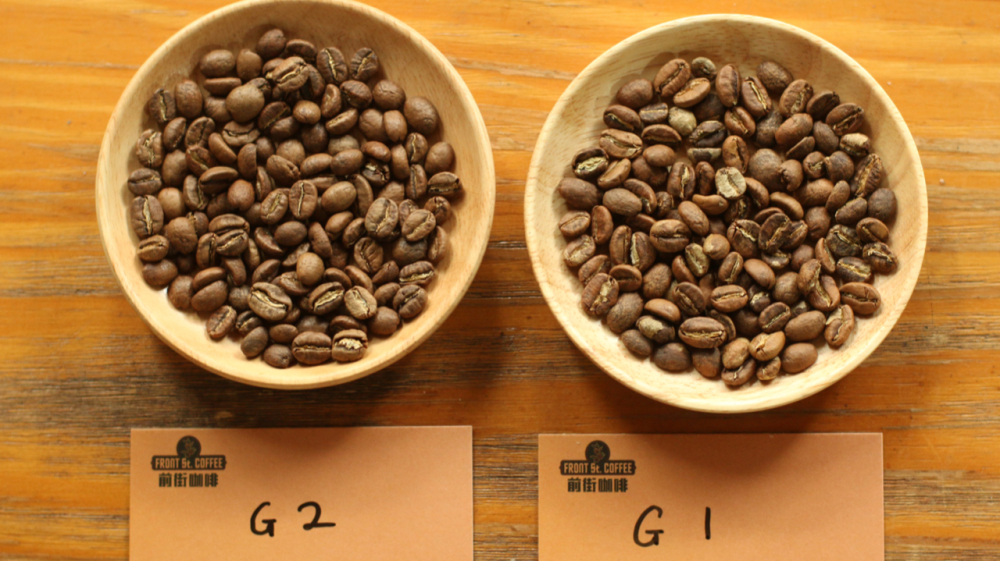
The impetus for the Red Cherry Project stems from Trabocca observing that while Ethiopian coffee has great potential, inconsistent quality and varying processing standards have led to persistently low international market prices. The project collaborates with coffee farmers in renowned micro-regions such as Yirgacheffe, Sidamo, and the Pungor Forest, requiring that only fully ripe red cherries be harvested and that defective beans be manually sorted out. Farms participating in the project must invest more effort in the processing stage—for example, controlling fermentation time and strictly managing drying environments. These additional efforts are ultimately reflected in the complexity and consistency of the coffee’s flavor. Currently, the regions covered by the project primarily produce high-quality G1 or G2 grade green beans, with G1 beans having a defect rate of less than 3 per 300 grams, which is a benchmark grade in the international specialty coffee market.
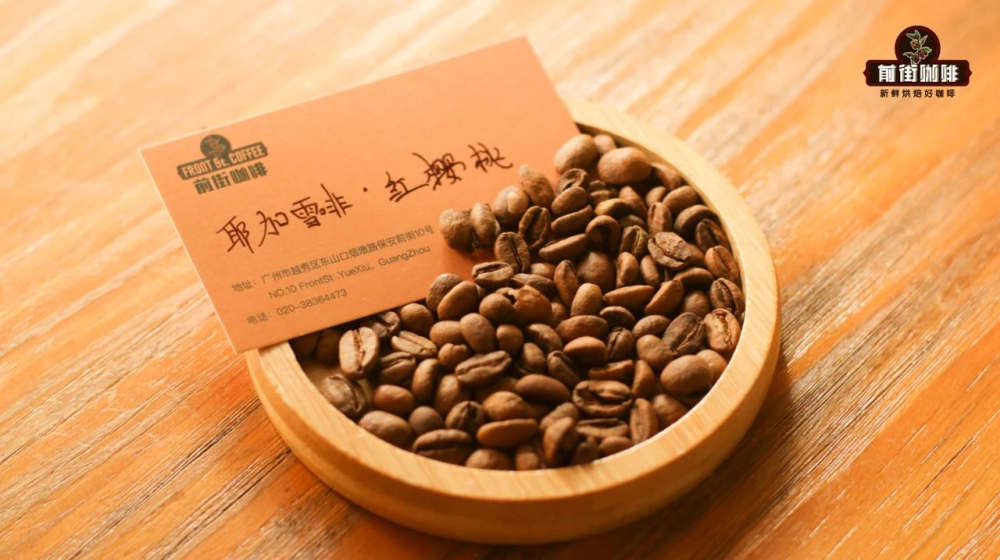
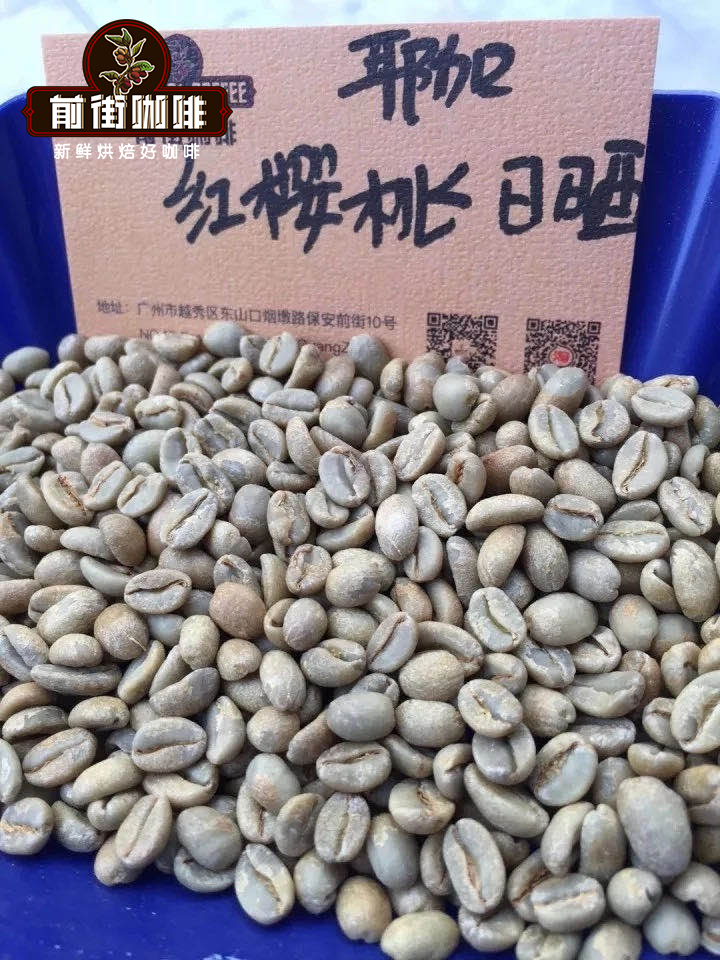
The two Yirgacheffe Red Cherry beans currently supplied by a certain coffee brand are both processed using natural and red honey methods, and both have achieved ECX-certified G1 grade. The natural version comes from the Aletaran washing station, which is composed of hundreds of smallholder farmers with an average farming area of about 0.6 hectares and planting altitudes close to 2,000 meters. In the processing procedure, the coffee cherries are manually selected and then left with their flesh and skin intact to dry on raised beds, avoiding contact with the ground to prevent off-flavors. After more than two weeks of slow drying, the sugar in the fruit flesh transforms during the process, accumulating rich fruity aromas and sweetness, ultimately presenting distinct berry and lemon notes along with fermented wine-like scents.
The red honey version originates from the Idido cooperative, which is part of the Yirgacheffe Coffee Farmers Cooperative Union (YCFCU). This union includes 24 primary cooperatives and approximately 50,000 coffee farmers. The cooperative is located in a high-altitude valley at 2,000–2,200 meters, with annual rainfall reaching 1,400–1,800 millimeters. The cool climate slows the ripening of coffee fruits, which is beneficial for the accumulation of flavor compounds. The key to red honey processing is retaining some of the mucilage—yellow honey retains about 60%, while red honey retains 75%. This viscous, gel-like substance is rich in sugars and nutrients needed for fermentation. During sun drying, it interacts with the coffee beans to produce a rounder sweetness and complex aromas such as citrus and almond.
In terms of roasting strategy, a certain coffee brand adopts a light roast for both beans but fine-tunes parameters according to the processing method. The natural beans, due to their higher fruit sugar content, require attention to controlling the intensity of the Maillard reaction during roasting to preserve bright acidity; the red honey beans, with more retained mucilage, need a slightly extended development time to balance sweetness and body. Practical tests show that the optimal extraction temperature range for both beans is 91–92°C, and the grind size is recommended to be 80% passing through a Chinese standard No. 20 sieve (approximately the coarseness of granulated sugar), which can highlight the bright acidity and floral-fruit characteristics unique to Yirgacheffe.
For the pour-over test, the author used a V60 dripper with 15 grams of coffee and a 1:15 coffee-to-water ratio, testing both the one-pour and three-pour methods. Base parameters were uniformly set to a water temperature of 90–92°C and a grind size of granulated sugar (80% passing through a No. 20 sieve), with a 30-second bloom using 30 grams of water. The one-pour method involves pouring directly to a total of 225 grams of water after the bloom, with a total extraction time of about 2 minutes. This method has a higher extraction efficiency and highlights the coffee’s nutty tones and overall balance. The three-pour method involves pouring to 125 grams after the bloom, then continuing to 225 grams, controlling the extraction rhythm in segments to make the flavor layers more distinct, especially suitable for showcasing the floral and citrus nuances of the red honey beans.
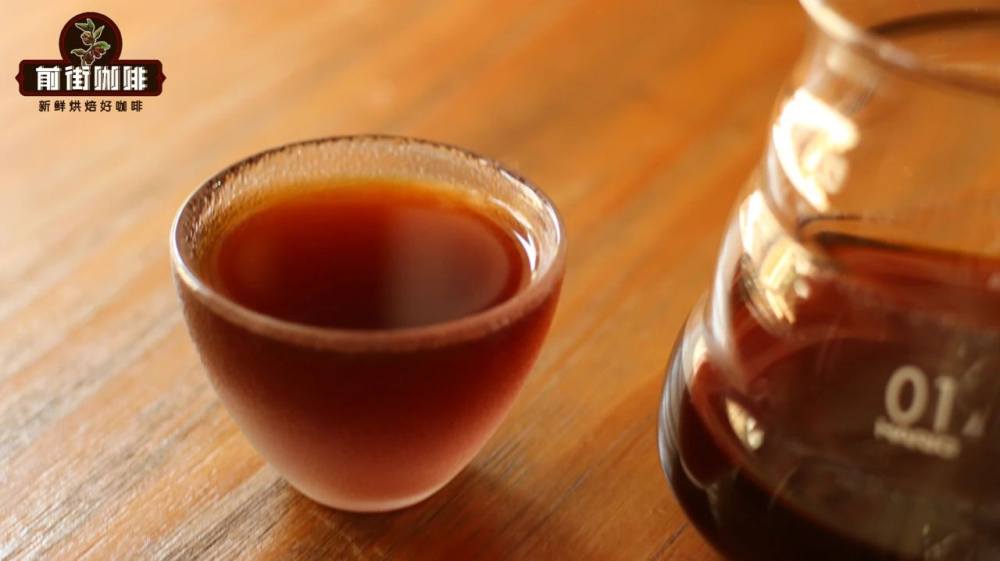
In terms of flavor profile, the natural Red Cherry bean features a bright lemony acidity upfront, accompanied by a complex layering of berry and fermented wine notes, with a long-lasting finish of lingering sweetness and caramel notes. The red honey Red Cherry bean, on the other hand, centers around a mellow tone of citrus and almond, complemented by delicate expressions of cherry and floral notes, with a relatively lighter body but richer layers. When tasting, freshness is key—it is recommended to let the beans degas for 3 days before brewing to ensure adequate release of CO₂ and to avoid sharp acidity due to uneven extraction.
Comparing the two pour-over methods comprehensively, the one-pour method, with its continuous pouring and resulting water agitation, can more quickly extract acidic compounds and nutty notes from the coffee, making it suitable for those who prefer a refreshing taste. The three-pour method, through segmented control, reduces over-extraction in any single phase, resulting in a more linear progression of flavor layers, particularly effective at highlighting the floral and fruity details of the red honey beans. Regardless of the method chosen, it is recommended to fine-tune grind size and water temperature according to personal taste preferences to find your own optimal balance in extraction.
The above content is compiled by CoffeeHunters, a coffee news website.


