








Introduction:Jamaican Blue Mountain coffee is hailed as one of the world’s top-tier coffees, but the market is rife with counterfeits. How can you tell what’s real? This article delves into the unique terroir of Blue Mountain, traces the evolution of the Typica variety, compares two renowned sources—Starbucks Reserve and the Clifton Estate—and explores how washed and natural processing methods influence flavor. It also offers expert advice on roasting and pour over brewing, helping you master every step from selection to brewing.
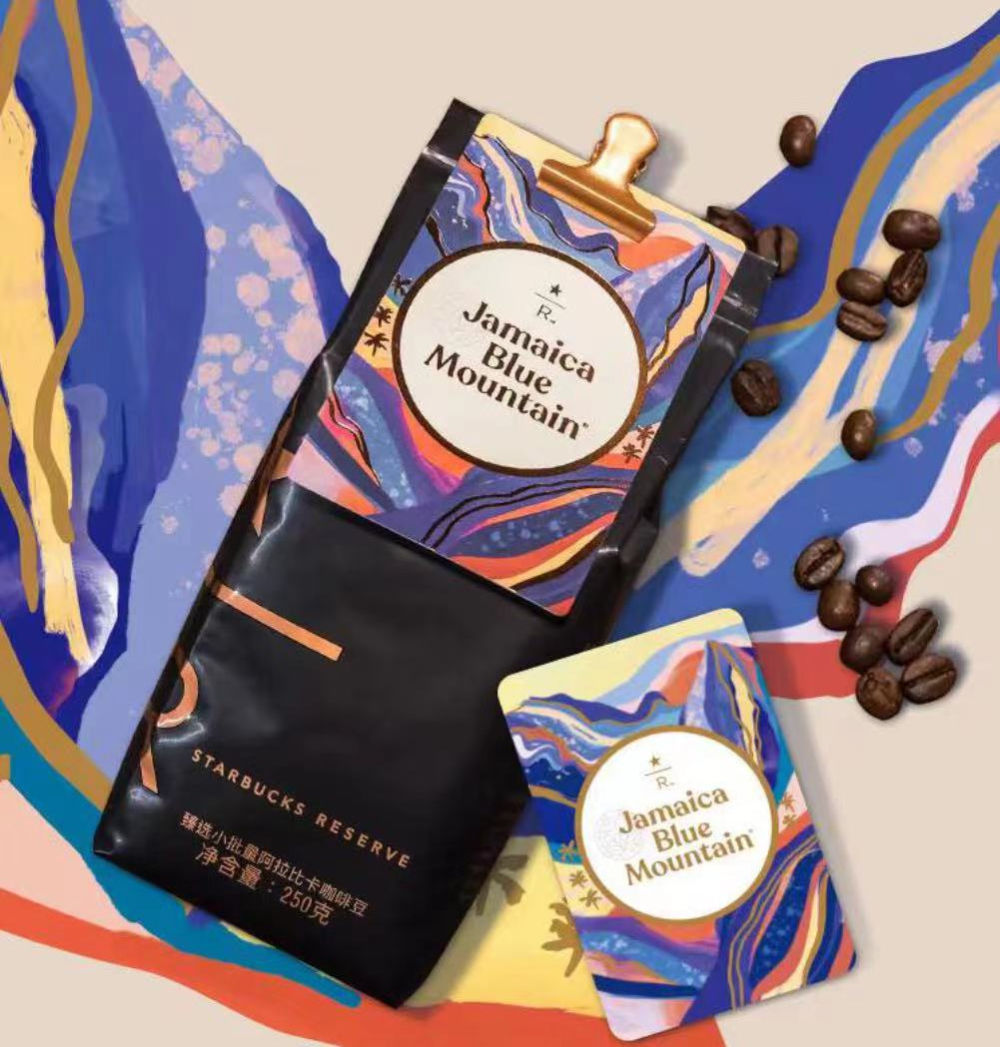
Jamaican Blue Mountain coffee beans have long been a dream item for coffee lovers worldwide. A limited-edition release by a well-known brand, available only once every two years and sourced from the famed Wallenford Estate, comes in 250g packs priced at around 398 RMB, with a national supply of only about 3,500 packs—making it extremely rare. Another notable source is the Blue Mountain No. 1 from the Clifton Estate, sold by a certain coffee shop at about 158 RMB for 100g. The Clifton Estate is the only coffee farm in Jamaica certified by the Rainforest Alliance, combining quality with sustainability.
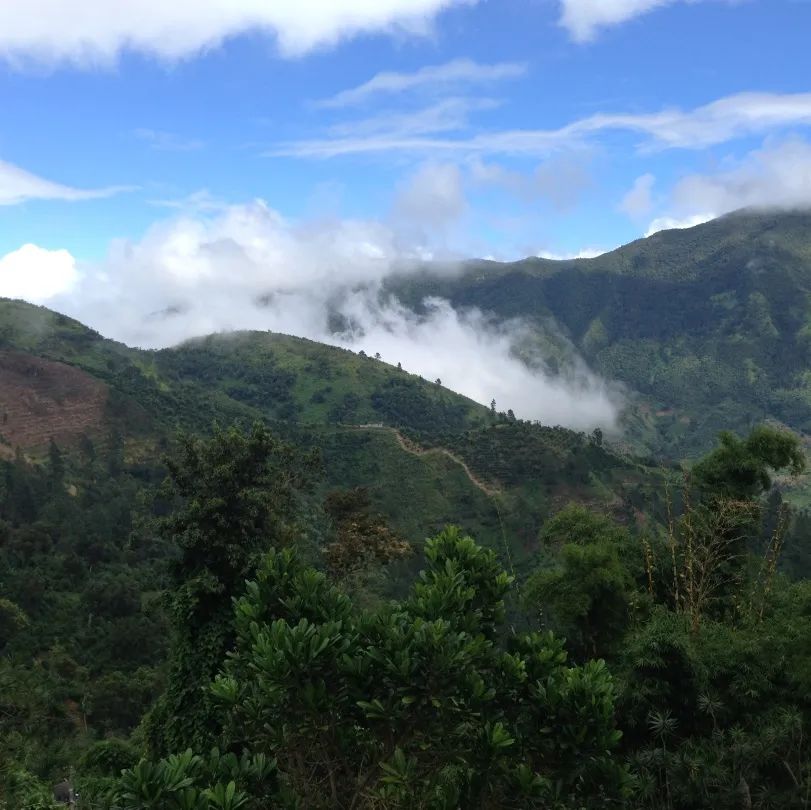
The Unique Geography of Blue Mountain CoffeeGives rise to its unparalleled flavor profile. This coffee is grown in the Blue Mountains of Jamaica, an island nation in the Caribbean, where altitudes reach up to 2,000 meters and the region is surrounded by crystal-clear seas. When sunlight shines on the blue waters, the mountaintops reflect a faint blue hue, hence the name “Blue Mountain.” The area boasts fertile volcanic soil, coupled with fresh air, consistent high rainfall, significant diurnal temperature variations, and frequent mountain-top cloud cover in the afternoons—all of which provide ideal growing conditions for coffee trees, nurturing the Typica variety with its richly layered flavors and balanced acidity and sweetness.

The Typica variety used in Blue Mountain coffee can be traced back to the 1720s. At that time, a French naval officer daringly brought Typica seedlings to Martinique in the Caribbean. In 1725, the British governor of Jamaica imported 7,000 seedlings from that island to the Blue Mountain region. Over more than two hundred years of evolution, this Typica not only adapted to the high-altitude environment but also developed strong resistance to diseases such as coffee berry disease, becoming a premium cultivar unique to the Blue Mountains. It’s worth noting that even within the Typica variety, cultivation in other regions or at lower altitudes often fails to replicate the delicate and balanced flavor profile characteristic of Blue Mountain coffee.
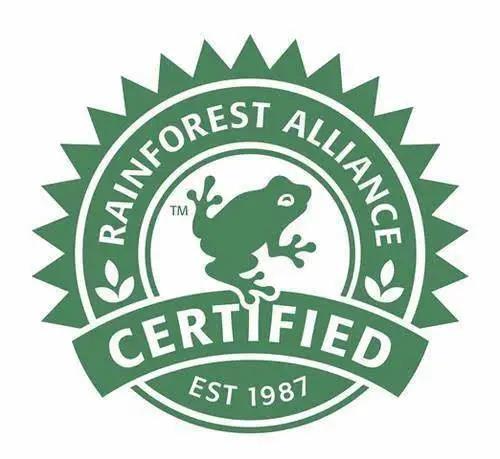
As one of the key origins of Blue Mountain coffee, the history of the Clifton Estate dates back to the mid-18th century (around 1750). The estate sits at an average altitude of approximately 1,310.64 meters. Afternoon cloud cover provides natural shade, while mild sunlight and mineral-rich soil not only slow the ripening of coffee cherries but also allow the beans to accumulate richer flavor compounds. This estate is also the oldest still-operating coffee-growing region in Jamaica and is currently theonly coffee estate in Jamaica certified by the Rainforest Alliance, signifying that it meets international standards in ecological conservation, sustainable management, and coffee quality control.
How can you ensure you’re buying authentic Blue Mountain No. 1? The key lies in recognizing certain certifications and packaging features. Jamaica is the only coffee-producing region in the world that still useswooden barrels for green coffee beans. Each barrel of Blue Mountain coffee comes with an official certification issued by the Jamaica Coffee Industry Board, and the barrels also feature a prominent green frog emblem. These are important markers for identifying genuine products. No matter where you purchase from, it’s advisable to carefully check these certification labels.
In terms of processing methods, 2020 marked a turning point for Blue Mountain coffee. Prior to that, the Blue Mountain No. 1 from the Clifton Estate was traditionally processed using the washed method—removing the skin, pulp, and mucilage before drying—which resulted in a cleaner, brighter, and more layered flavor. However, starting in 2020, the estate also introduced a natural (sun-dried) process version, where coffee cherries with mucilage are directly sun-dried, imparting a richer fermented aroma and distinct berry-like acidity. Currently, both washed and natural versions of Blue Mountain coffee are available on the market, each with its own unique flavor direction, allowing consumers to choose based on personal taste preferences.
Generally speaking, washed Blue Mountain coffee, due to its cleaner processing, typically exhibits a clearer profile dominated by dark chocolate and nutty notes, with a smooth mouthfeel and balanced acidity, sweetness, and bitterness. The natural version, on the other hand, gains additional layers of berry, wine-like aromas, and fermentation complexity due to mucilage fermentation, resulting in brighter acidity and a richer, more varied overall flavor.
If you choose to brew Blue Mountain coffee at home, it’s recommended to use freshly roasted beans and let them rest for 5 to 6 days after arrival to allow the flavors to fully develop before extraction. Blue Mountain beans roasted to a medium-dark level can better showcase their full-bodied and robust texture. For actual pour over brewing, you can use a Kono filter, with a water temperature of 88°C, a 1:15 coffee-to-water ratio (e.g., 15g of coffee grounds to 225ml of water), and a grind size set to about 70-75% passing through a standard #20 sieve—this effectively highlights the delicate aroma and rich body of Blue Mountain coffee.
For specific brewing techniques, a three-stage pouring method is recommended: first, pour 30g of water for a 30-second bloom to activate the release of coffee aromas; then pour to about 125g in the second stage, and when the coffee liquid level drops halfway, proceed to the third stage and pour up to a total of 225g. The entire extraction time should be controlled to around 2 minutes and 10 seconds to achieve a balanced and multi-dimensional extraction result.
Overall, whether you prefer the light and delicate profile of washed Blue Mountain with its black chocolate and nutty notes, or the bold fermentation character and berry acidity of the natural version, mastering the right selection and brewing techniques will allow you to experience the unique charm of this world-class coffee. From terroir and varietal evolution to processing methods and brewing tips, understanding these details will make your Blue Mountain coffee experience more complete and profound.
The above content is compiled by CoffeeHunters, a coffee news website.


