








Introduction:Many coffee enthusiasts purchase a moka pot hoping to brew rich espresso-style coffee at home, which can then be transformed into a delicious latte with the addition of milk. However, after trying it out, many find that the coffee made with a moka pot, when mixed with milk, lacks the intensity found in café lattes and can even taste diluted. This article will delve into the differences between a moka pot and an espresso machine, providing practical brewing parameters and techniques. You’ll learn how to adjust grind size, water amount, and heat to produce a high-concentration coffee suitable for pairing with milk, allowing you to enjoy a satisfying latte at home.
“It can serve as an espresso machine alternative” — this is one of the main reasons many people choose to buy a moka pot. Like an espresso machine, the moka pot extracts coffee under pressure, enabling it to produce a more concentrated coffee liquid compared to typical drip or filter methods. This makes it a popular tool for those wanting to make milk-based coffees like lattes at home.

However, many are left disappointed after actual use — the flavor of coffee brewed with a moka pot, once mixed with milk, is far from the lattes served in cafés. Not only is the aroma lacking, but the mouthfeel also feels diluted, as if it’s coffee-flavored milk that’s been over-diluted with water.

There are two key reasons behind this gap. First, although the moka pot uses pressure to brew, the internal pressure typically only reaches 1–2 bar, much lower than the 9 bar of an espresso machine. As a result, it cannot fully replicate the extreme concentration and crema layer of true espresso. Second, and more commonly overlooked: many users directly apply the standard black coffee parameters recommended by manufacturers or online guides. These settings are suitable for brewing standalone black coffee, but when used for milk-based drinks, the concentration is often insufficient. This causes the milk flavor to overpower the coffee, resulting in a thin-tasting beverage.
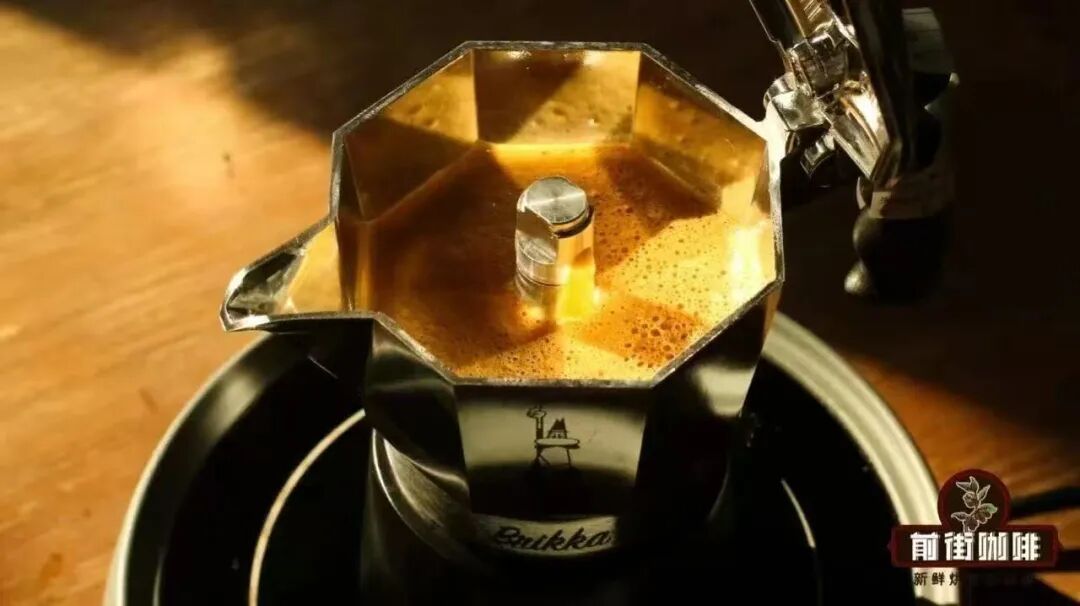
So, how can you adjust your technique to brew a strong enough coffee with a moka pot for pairing with milk? Below, we’ll break down the essential elements and practical tips for making a latte with a moka pot, step by step.
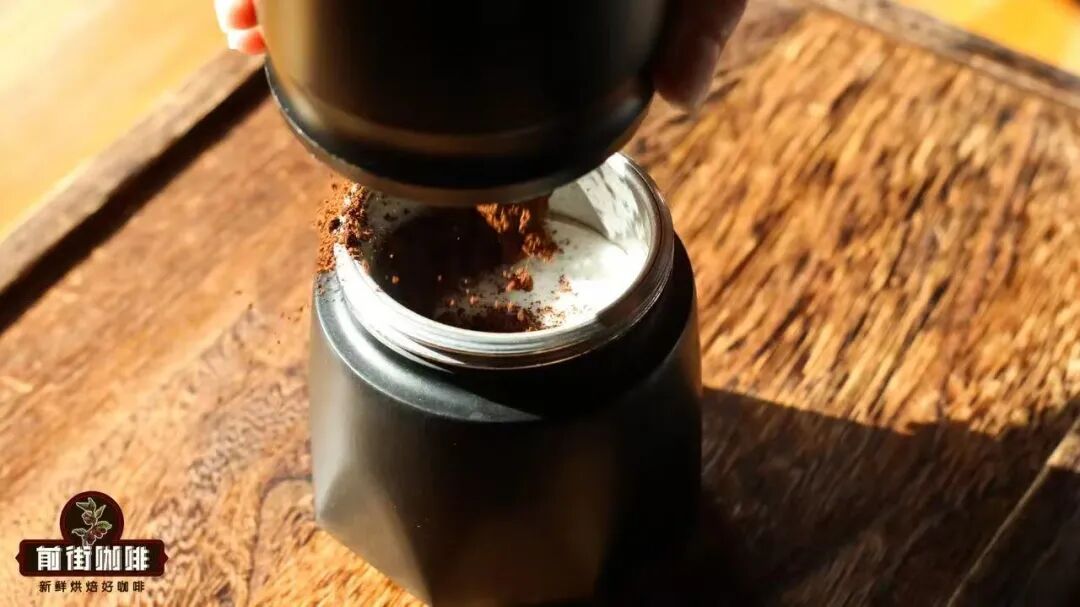
Step 1: Choose the Right Coffee Beans to Set the Flavor Foundation
The choice of coffee beans is the first step in shaping the flavor profile of a milk-based coffee. If you prefer a rich, low-acid milk coffee with notes of chocolate and nuts, it’s recommended to use a medium to dark roasted espresso blend. For example, classic Italian-style blends often feature layers of caramel, cream, and nuts, making them ideal for creating a bold and full-bodied latte.

Conversely, if you enjoy a bright, refreshing milk coffee with soft acidity and complex flavors, you might opt for a medium-roasted blend with fruity or floral profiles such as berries or blossoms. Coffee made from these beans pairs nicely with milk, resulting in a lighter and more refreshing taste, suitable for summer or those who prefer a lighter-bodied drink.

Step 2: Adjust Brewing Parameters to Increase Coffee Concentration
To make moka pot coffee suitable for pairing with milk, the key lies in increasing the “concentration” of the coffee liquid. The most direct and effective way to boost concentration is to “reduce water volume” and “use a finer grind.”
Under a fixed extraction rate, using less water naturally results in a higher concentration of coffee liquid. However, simply reducing the water may lead to under-extraction, negatively affecting flavor development. Therefore, it’s advised to also adjust the grind to a finer setting, increasing the contact surface area between coffee grounds and hot water, while extending the time water flows through the coffee. This improves overall extraction efficiency, resulting in a more complete flavor and adequate concentration.
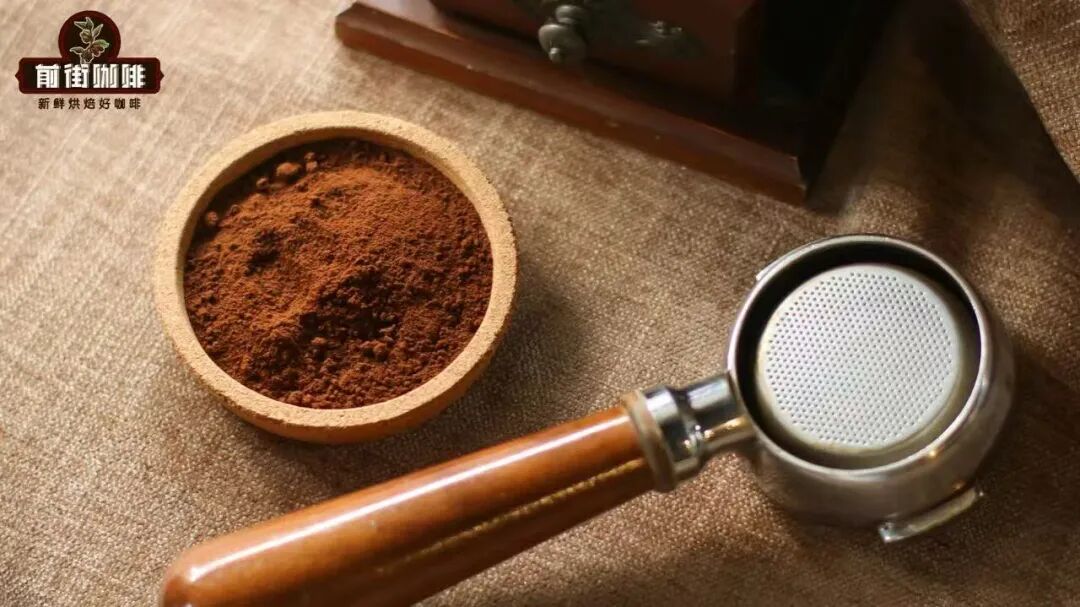
Practical recommended parameters are as follows: use 20 grams of coffee grounds with 80 milliliters of hot water (a coffee-to-water ratio of about 1:4). Initial water temperature should be around 100°C, and the grind size should be fine, close to the powdery consistency of espresso. This combination effectively increases coffee concentration, yielding approximately 45 milliliters of extracted coffee — the perfect base for adding milk later.
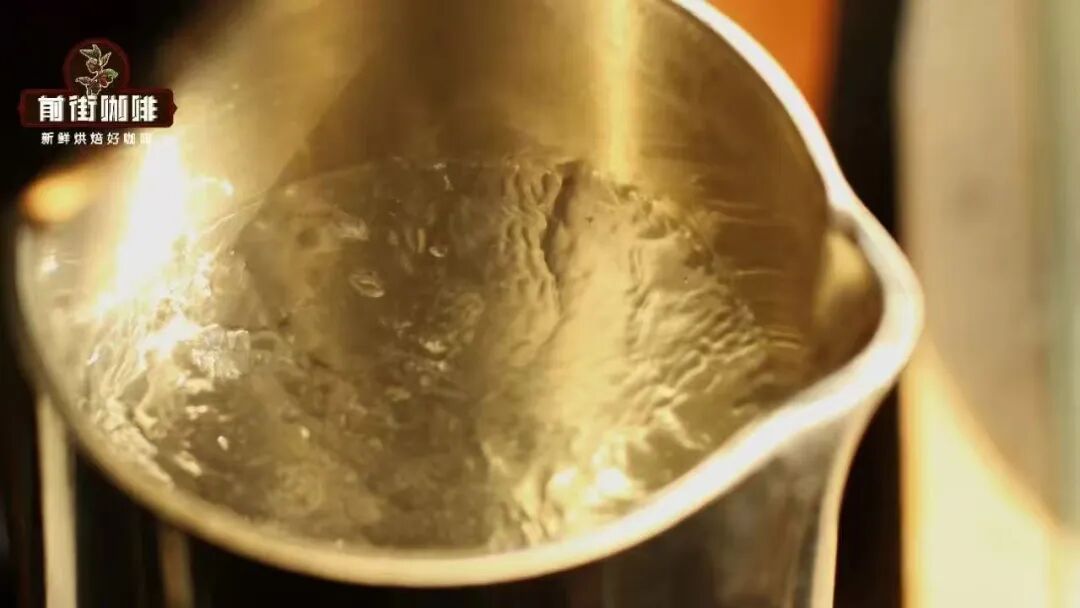
Step 3: Practical Operation Steps and Heat Control
The recommended order of operations is as follows: first, pour hot water into the bottom chamber of the moka pot. Then, add the prepared coffee grounds into the filter basket, gently tamp, and place it back into the bottom chamber. Once assembled, place the moka pot on a heat source (such as a gas stove) and turn the heat to high to begin the extraction. As soon as you see coffee start to flow out, immediately reduce the heat or turn it off, letting residual heat finish the final stage of extraction. This prevents over-extraction and bitterness.
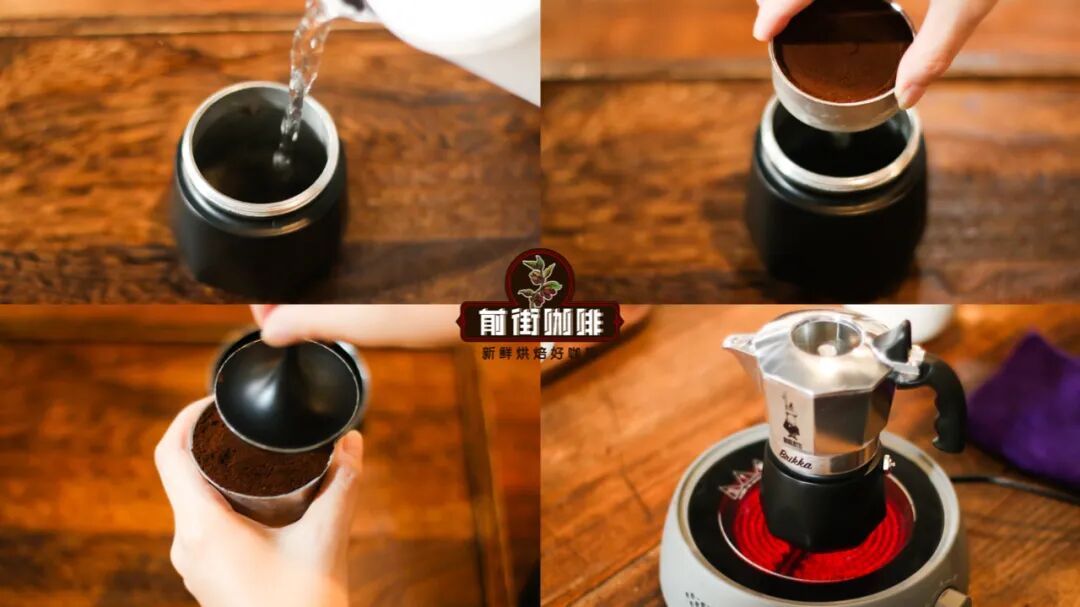
Following these steps, you’ll obtain a rich and flavorful moka pot coffee — approximately 45 milliliters — which serves as an ideal base for making a latte.

Step 4: Add Milk to Achieve the Perfect Milk Coffee Ratio
Since moka pot coffee is not as concentrated as espresso, the milk-to-coffee ratio needs slight adjustment to prevent the coffee flavor from being overly diluted by the milk.
Taking medium to dark roasted beans as an example, it’s recommended to use a 1:4 ratio — that is, 45 milliliters of coffee liquid with 180 milliliters of milk. This balance allows the aroma of the coffee to harmonize with the creaminess of the milk. For a hot latte, you can preheat and froth the milk to about 65°C to help release the natural sweetness of lactose, enhancing the overall flavor profile.

If you prefer an iced latte, you can partially replace some of the milk with ice cubes to avoid dilution from melted water, which can thin out the drink. If you’re using a lighter, fruitier, medium-roasted bean with soft acidity — such as a strawberry sugar-flavored blend — you can widen the ratio to 1:3.5. This allows the refreshing qualities of the milk to stand out more without overwhelming the coffee itself.

In summary, by mastering the key techniques of “using a finer grind, reducing water volume, and extending extraction time moderately,” and adjusting ratios based on the roast level of your coffee beans and personal taste preferences, you can brew a concentrated coffee base with a moka pot that rivals that of a café, allowing you to craft your own delicious latte. These methods are also applicable to other non-machine brewing tools, such as French press or drip bags. With slight adjustments, you can increase coffee concentration and elevate your milk coffee experience.
The above content is compiled by CoffeeHunters, a coffee news website.


